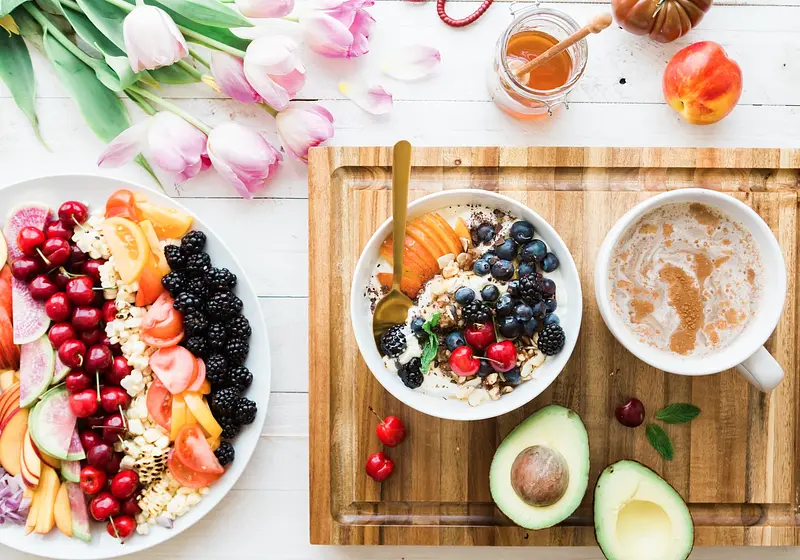



You haven't powered through your 5:00 am Pilates class with gratitude and green juice? Do you even care?
In a world surrounded by peers who excel and celebrities who elevate beauty ideals to unrealistic heights, comparison feels inevitable. But now, we even have a fictional person to whom we must aspire. The term "that girl" has gained popularity on social media platforms such as TikTok and Instagram. Who is this ambiguous figure?
Let us slide into your dms 🥰
Get notified of top trending articles like this one every week! (we won't spam you)Who is "That Girl"?
She is everything at once. Waking at dawn for her Pilates class and celebrating with an overpriced oat milk matcha. You'll spot her in a Lululemon workout set and an impeccable, slicked-back bun.
She is always productive, ambitious, and working, yet prioritizes her rest and self-care. Essentially, "that girl" is the embodiment of perfection. And therein lies her toxicity.
At its core, becoming that girl means fitting into an ideal through lifestyle and physical appearance. The movement may present itself as a healthy aspiration, but its value lies in its aesthetic appeal.

Take the Quiz: What’s Your Perfect Skincare Product for the 'Clean Girl' Look?
Take this quiz to discover the perfect skincare product for your “clean girl” routine!
The Picture Perfect Physique
While researching this article, I came across a podcast titled "How to Become That Girl." The host began with a promising introduction on how to achieve mental and physical well-being. She talked about the latter for an hour, and the former as a cursory closing thought. When Googling "That girl," there will be a single archetype.
She may have different names and hair colors, but "That girl" will have a physique like a Victoria's Secret model. In fact, the "That girl" movement perpetuates a body standard similar to what the lingerie models once held. Ultimately, becoming that girl means obtaining a particular physique. This movement may seem innocuous enough, but it is related to a larger cultural peril.
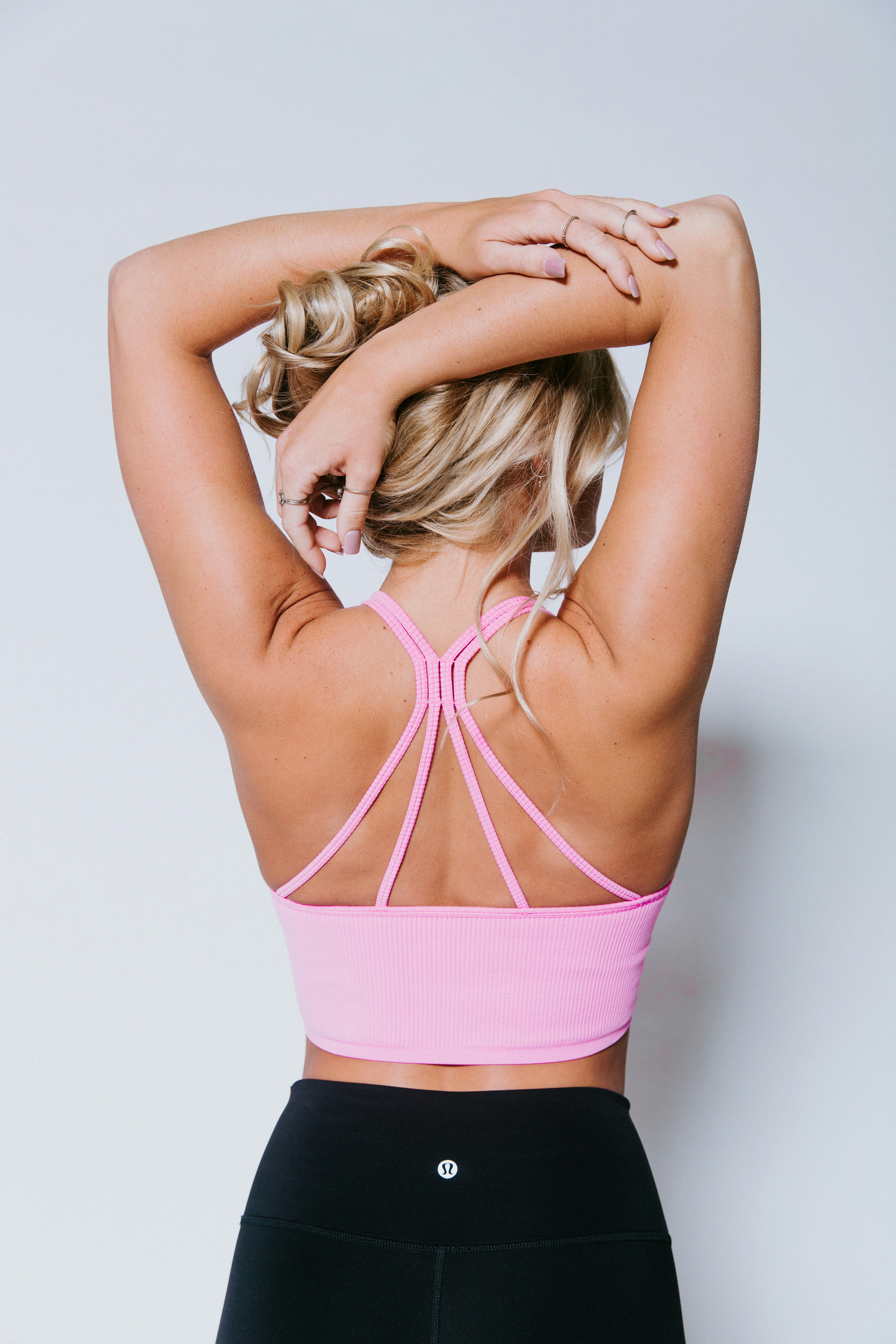
Image credit: Jacob Bentzinger from Unsplash
The Pitfalls of This Trend
Research indicates an increasing trend in social media use among young adolescents. The Pew Research Center estimates that nearly fifty percent of teenagers are chronically online, causing an epidemic of mental health disorders in this generation. Specifically, the "That girl" ideal is eerily similar to eating disorder promotion.
The impossibly healthy "What I Eat in a Day" videos and the rigorous workout regimens foster a restrictive mindset toward food and exercise. The "That Girl" content should be viewed with skepticism and discernment, considering that the majority of online content is often misleading or false. It should especially be consumed in moderation by younger teenage girls, as their insecurity makes them susceptible to developing eating disorders and body dysmorphia.
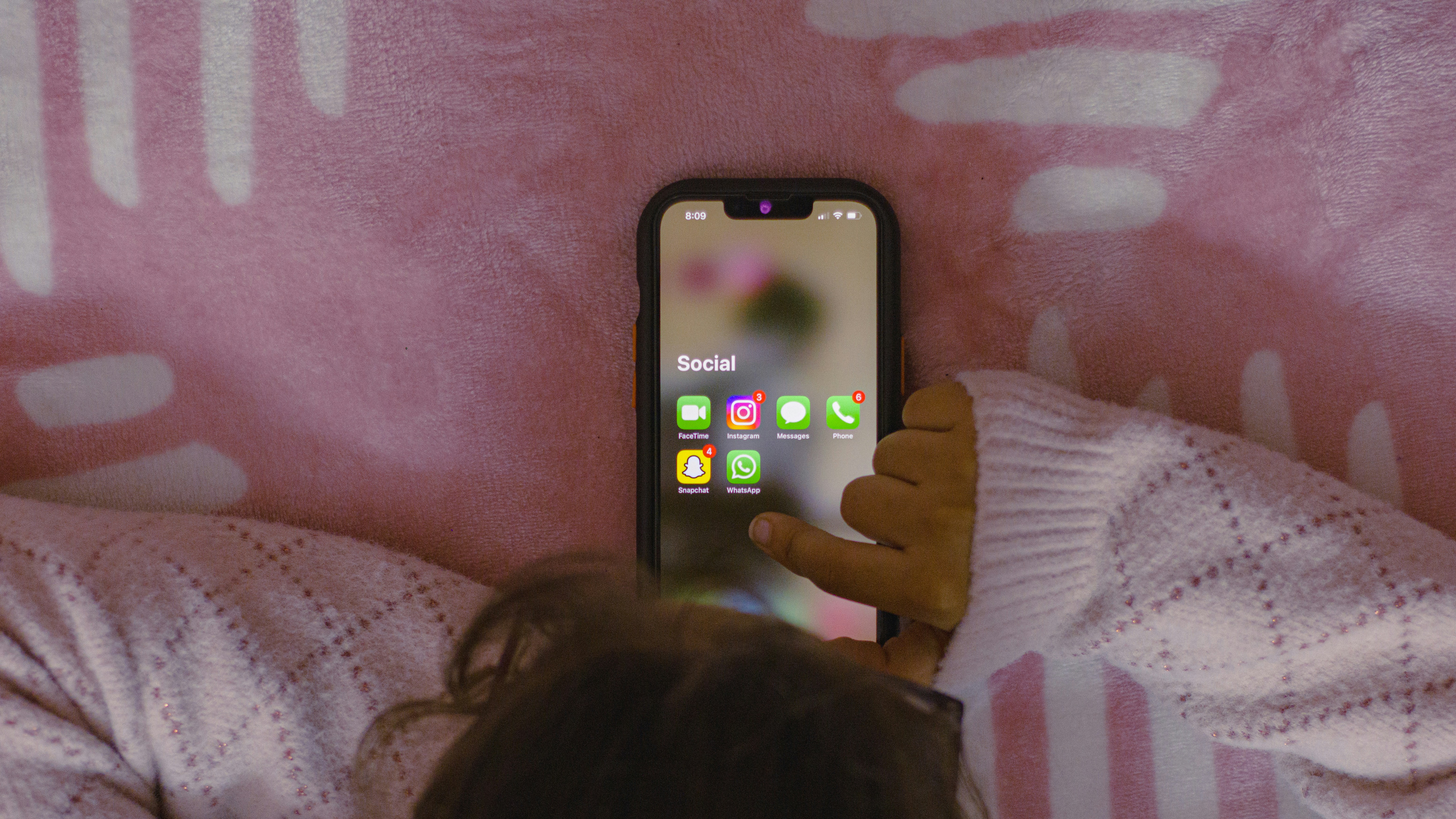
Image credit: Sanket Mishra from Unsplash
Be a "Me" in a World of "Thats"
The preposition "that" suggests something beyond oneself. No young person should be pressured by society into becoming someone they are not. Success should instead be exemplified in a healthy but realistic lifestyle.
There is merit in becoming healthier and posting content that inspires others, but the standard should not be set to a one-size-fits-all approach. Focus on becoming your true self, the one whose habits, lifestyle, and choices are tailored to you. Being a "me" is infinitely better than conforming to a "that".