






The chain lift rattles beneath you as the cart climbs higher and higher, until you're hundreds of feet up. The people beneath all look like ants. The cart stops, before letting gravity plunge you into near-free fall.
Your heart pounds as the cold air slams against your face and the air is sucked out of your lungs. In the split seconds before the drop, fear and physics collide.
I used to think rollercoasters were pure chaos: you're being tossed around on an obscure structure of turns and loops. That was, until I learned how every twist and drop was carefully designed around science. Knowing the physics behind the drops didn't dull the thrill, it made every ride even more exciting.
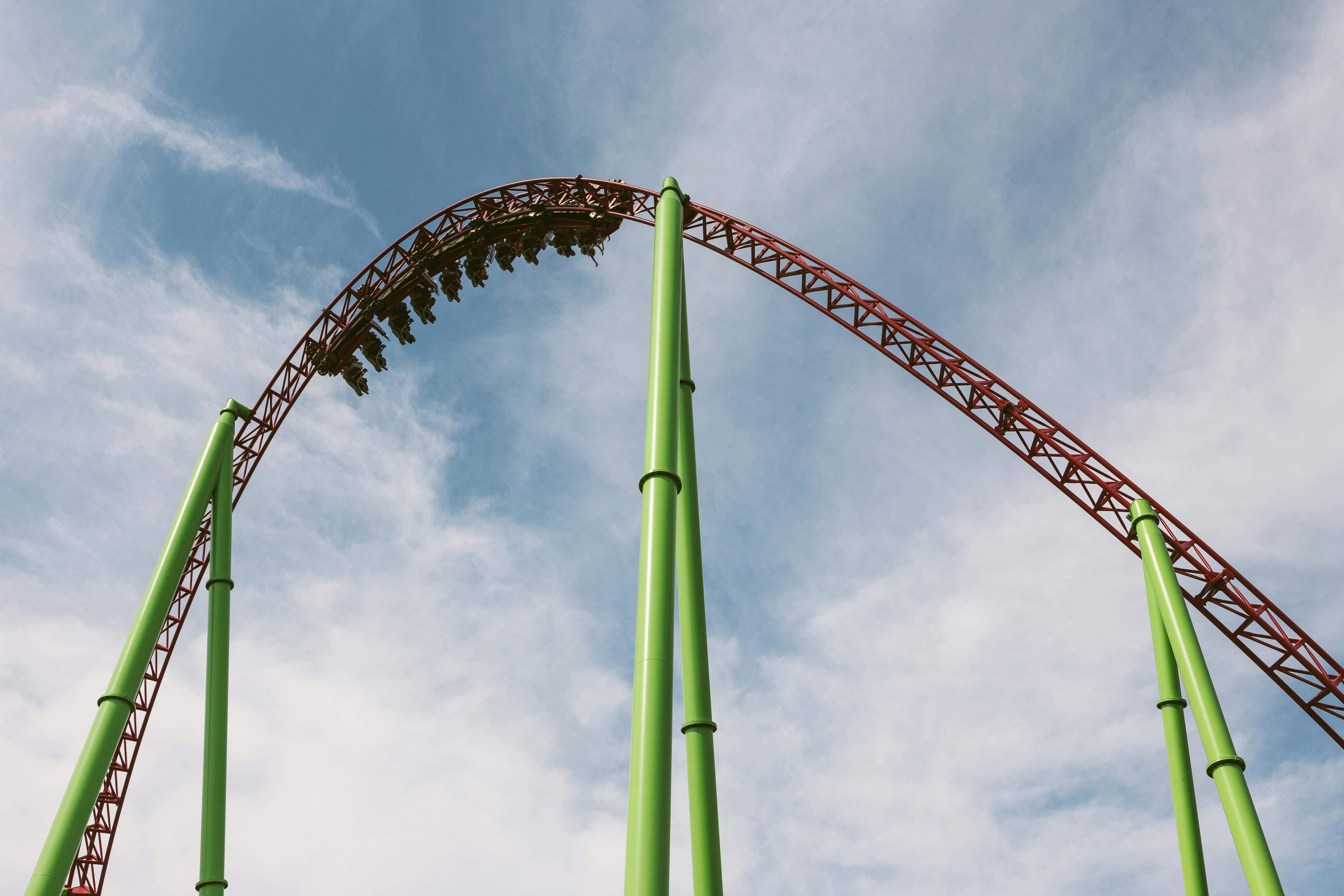
Image Credit: Stas Knop from Pexels
Let us slide into your dms 🥰
Get notified of top trending articles like this one every week! (we won't spam you)The Physics of the Drop
At the top of every hill, the cart gains a load of potential energy, stored by its height and gravity. As it plunges downwards, the energy is transformed into motion- kinetic energy, causing the cart to accelerate and go faster with every second of the drop. There are other factors, like the work needed to be done by motors and electric components in order to actually raise the cart and propel it when the kinetic energy is eventually lost through friction. However, big drops largely show the conservation of energy, with potential turning into kinetic as you fall.
The loops and turns that follow rely on acceleration and G-forces, usually using motors to move the cart forward with intense speed. Coasters are designed with g-forces in mind, tested and balanced carefully to keep you safely glued to your seat. Knowing this made the rides, for me, feel less like a chaotic loss of control. The forces are balanced in the same way the universe is, so that all planets orbit in harmony.

Image Credit: Zain Ali from Pexels
Take the Quiz: What Type of Notes Should I Take?
Discover the best note-taking method for your learning style!
The Psychology Behind Fear
Roller coasters are all engineered fear. Your heart pounds, adrenaline floods your body, and for a second, you wonder if these are your final moments. Every scream is a carefully designed illusion of danger, although your brain consciously knows that you are safe. Because of that, rides feel exhilarating and incredibly exciting rather than terrifying.
Those hormones released by our bodies like adrenaline, cortisol, and endorphins, stimulate our brains and leave us wanting more. This rush creates a sense of euphoria, making us feel more alive and alert.
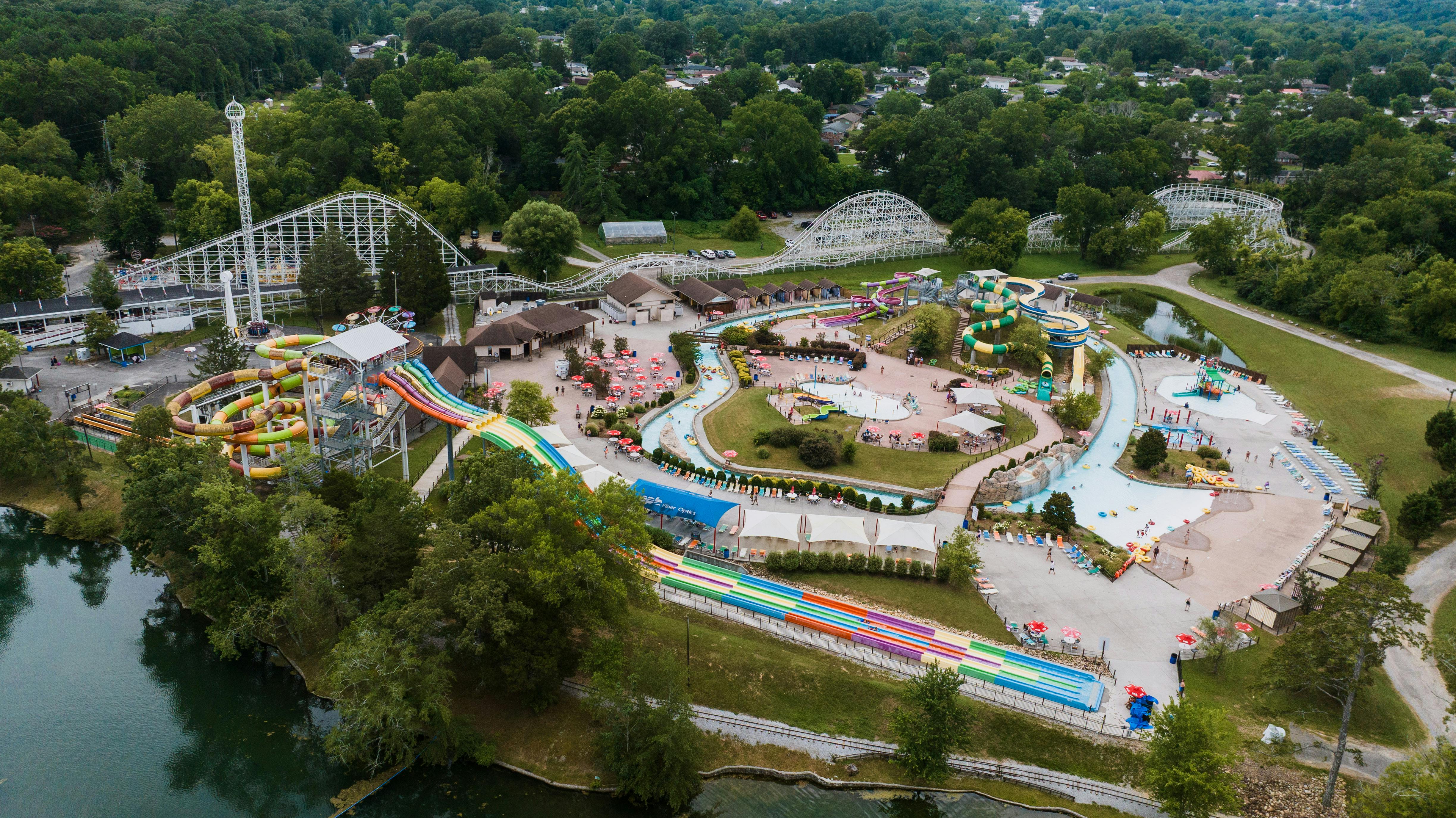
Image Credit: Kelly from Pexels
The Lesson Beyond the Ride
Learning about the physics and fear that comes with roller coasters changed more than how I saw amusement parks. Off the tracks, I realized that the fear that comes with a 250-feet high drop during a ride is actually not that different from the fear in everyday things: speaking up in class, facing the unknown, or taking any sort of risk. Physics taught me that there is no real danger in trying or even failing, but avoiding opportunities to take risks would mean never experiencing the exciting drops, twists, and turns of the journey of life.
My heart still races, in class and on roller coasters alike. But now, I see the science behind the fear: the balance of chaos and control. So the next time that you find yourself before a big drop, literal or metaphorical, don't close your eyes. Look, breathe, and remember that there is control behind everything.




.jpg)