




An NHS mental health nurse visited 22 Bishopsgate at the company XCHG to share the realities of work and how it can affect mental health if not managed properly. With two degrees and extensive professional experience, she aimed to offer advice and support to those who may be struggling, or who know someone who is.
Entering the world of work is something many young people look forward to, whether it’s chasing a dream career, stepping into a role you never expected, or simply starting your first job. However, while work can be exciting and rewarding, it also comes with challenges that can affect your mental health if not managed properly. With the average person spending around 90,000 hours of their life at work, understanding how the workplace can impact their wellbeing has never been more important.
This guide aims to raise awareness about the realities of working life, the mental health struggles many people face and practical steps you can take to protect yourself. From recognising early signs of stress, anxiety, or burnout, to learning how to ask for help and practicing self-care, this is knowledge worth having before you even step through the office door. Think of it as a toolkit to help you look after your mind as much as your future career.
Let us slide into your dms 🥰
Get notified of top trending articles like this one every week! (we won't spam you)Why Is Mental Health Important?
Image Credit: Brett Sayles from Pexels
Mental health can impact our physical health, which weakens the immune system, causes chronic pain and inflammation. It can impact our relationships and social life, which strains personal relationships, leads to social withdrawal and reduces communication skills. Furthermore, it can impact productivity and performance. This can lead to a decrease in focus, concentration, reduced work performance and impaired decision-making ability.

Take the Quiz: What’s Your Perfect Skincare Product for the 'Clean Girl' Look?
Take this quiz to discover the perfect skincare product for your “clean girl” routine!
The Realities of Working Life
- The average work life is 40 hours per week, 50 weeks a year.
- Work relationships are often deeper than personal ones.
- Workplace stress follows us home.
Common Work-Related Mental Health Disorders
Image Credit: Suzy Hazelwood from Pexels
- Anxiety and stress-related disorders: People may experience excessive and persistent feelings of worry, fear or anxiety related to work or the work environment.
- Depression: This is often associated with constant pressure, bullying, job insecurity or poor work-life balance.
- Burnout: This is a state of physical, emotional and mental exhaustion caused by prolonged or excessive stress in the workplace.
- Post-traumatic stress disorder (PTSD): This can occur after experiencing or witnessing a traumatic event in the workplace, such as serious accidents, injuries, or violence.
Current State of Workplace Mental Health
- 70 million working days are lost annually due to mental health problems.
- Poor mental health costs UK employers £45 billion per year.
- 13% of UK employees feel able to disclose mental health issues at work.
- 50% of all work-related health issues are caused by stress, depression and anxiety.
- 1 in 4 people in the UK experience mental health problems each year.
The Stigma Problem

Image Credit: Cottonbro studio from Pexels
- 87% of UK employees have never spoken to anyone at work about mental health.
- 48% fear career damage from disclosing mental health issues.
- 60% of employees are completely unaware of the mental health benefits included in their company package.
What Are the Symptoms of Poor Mental Health?
- Behavioural changes: withdrawal from colleagues, reduced performance, increased absenteeism or presenteeism, changes in eating or sleeping habits.
- Emotional changes: irritability, mood swings, feelings of overwhelm, low motivation or hopelessness.
- Physical symptoms: headaches, fatigue, muscle tension, digestive issues or frequent minor illnesses.
- Cognitive changes: difficulty concentrating, forgetfulness, indecisiveness or racing thoughts.
Now you understand the effect on mental health from the workplace, and you have identified that you are struggling with work or want to know what to do in a scenario, it is time to know how to deal with it effectively when asking for help.
How To Ask for Help
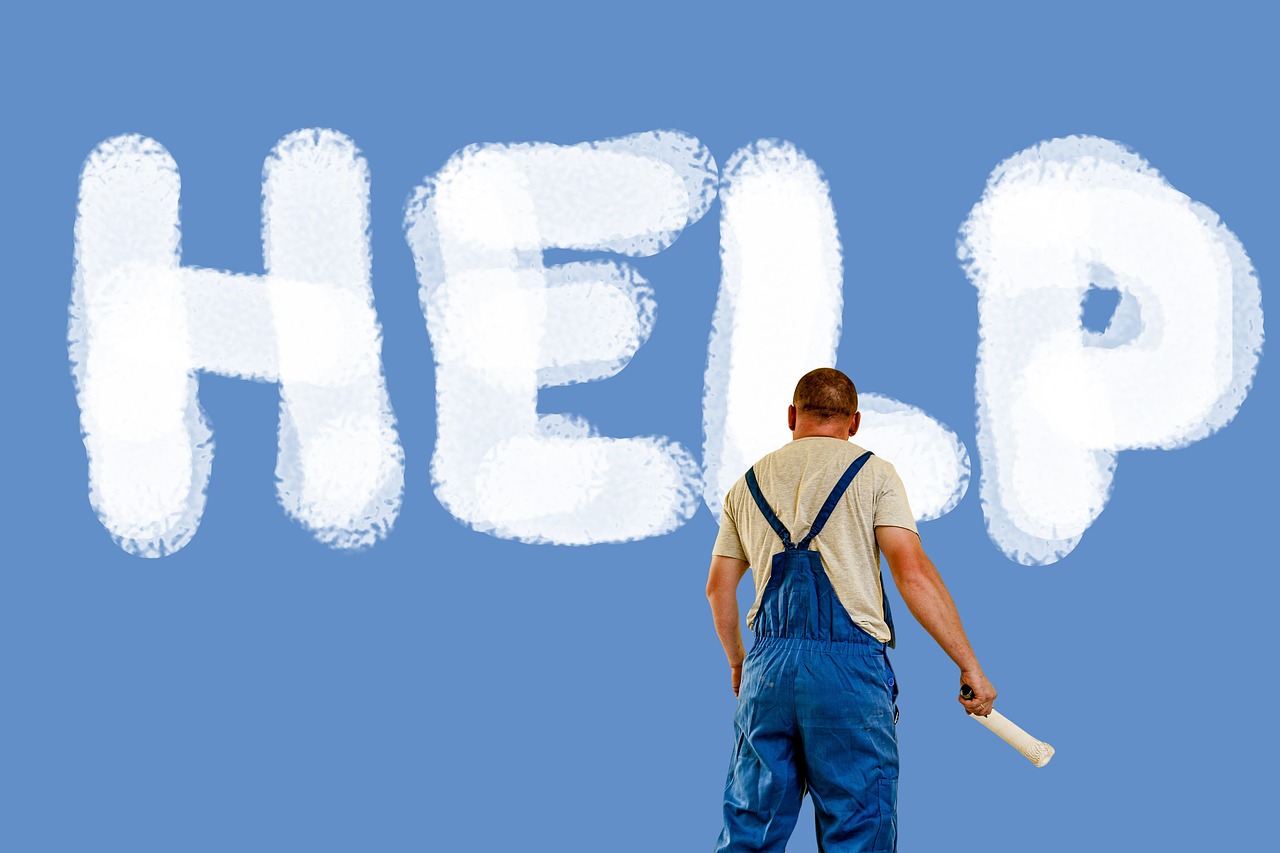
Image Credit: Gerd Altmann from Pixabay
- Start with trusted colleagues or managers.
- Be specific about what support you need.
- Focus on how it affects your work performance.
- Suggest practical solutions where possible.
Once you do this, you are on the track to getting the help you deserve. Asking for help will make you feel so much better as you realise all the emotions you once bottled up are now released. You recognise that you are not alone or judged, and you will be helped so that you can become your 100% self again.
Self-Care Activities
- Practicing self-compassion: Be kind to yourself when things don’t go as planned.
- Setting boundaries: Learn to say no when your workload becomes overwhelming.
- Time management: Setting yourself a schedule and managing your time effectively reduces stress and gives you a sense of control.
- Relaxation techniques: Incorporate practices like deep breathing, meditation or short breaks during the workday.
Practicing these techniques at least once a day for 30 minutes will enable you to be mentally and physically stronger. Performing these techniques should be an ongoing process that you should be thinking about every day. You are in control of your development, and everyone's journey is different, so don’t feel ashamed if you don't feel 100% overnight. Practicing these techniques will not only help you grow mentally, but it will also build a routine as you practice self-care and do the things you enjoy.
Mental health isn’t something to take lightly; it affects your focus, relationships and overall quality of life. The good news is that small, practical steps, like setting boundaries, practicing self-care and speaking up when needed, can make a huge difference. For young people stepping into their first jobs or planning their future careers, this isn’t just advice, it’s a toolkit for surviving and thriving in the workplace.
Remember, your mind matters just as much as your work, and looking after it is the best investment you can make in your future. Never be afraid to speak up and take control of your well-being, as you are not alone in your struggles.