






What SNAP Cuts Mean for Americans
This year, the Trump administration announced significant changes to the SNAP (Supplemental Nutrition Assistance Program), a federal program that supports approximately forty-two million low-income Americans purchasing groceries. The Trump administration wants to reduce federal funding for SNAP, expand work and training requirements for recipients, and for states to assume a larger burden of the costs. Cutting SNAP is fueling debates about how the country should balance between fiscal responsibility and the basic needs of its citizens.
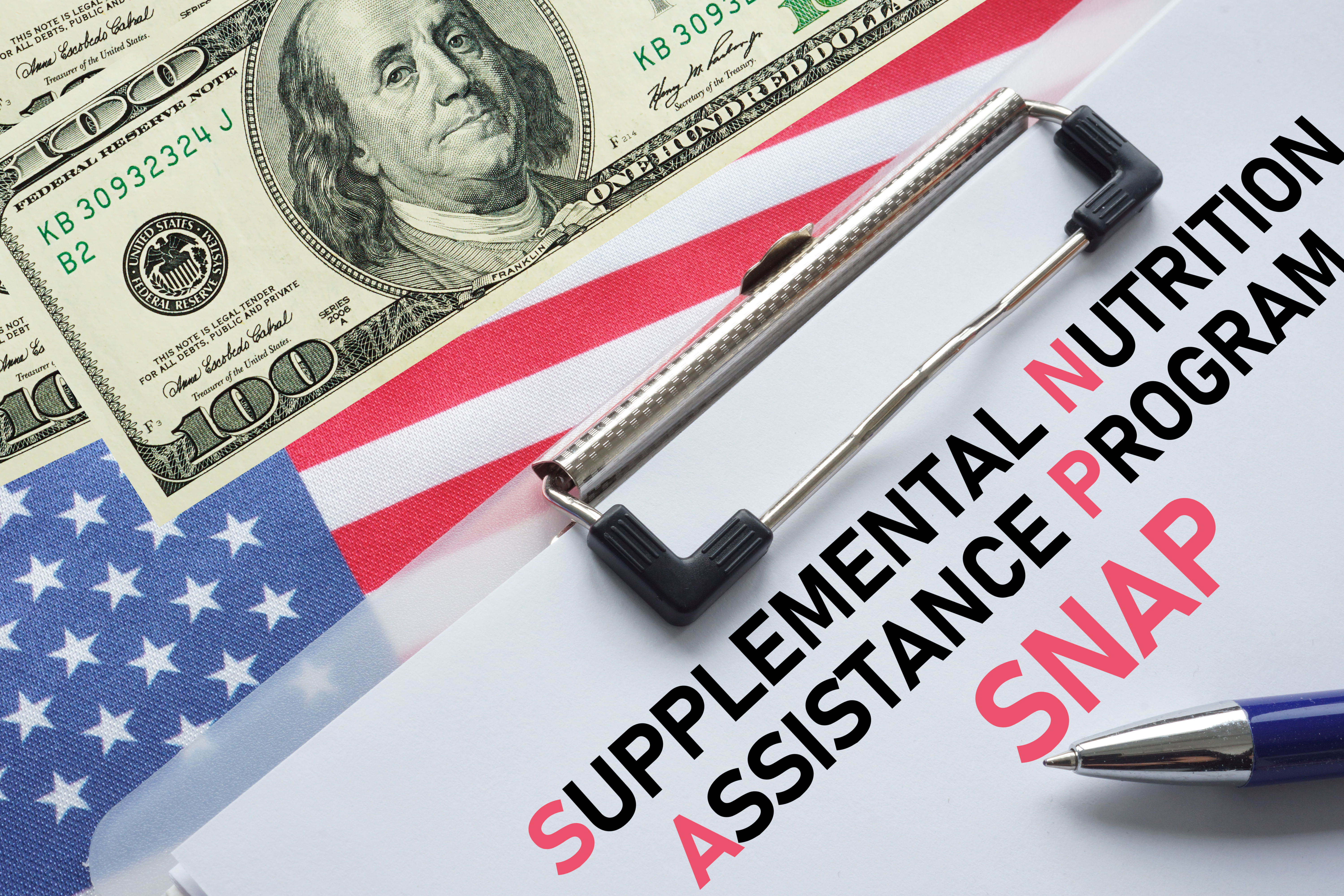
Image Credit: Andrii Dodonov from iStock
Let us slide into your dms 🥰
Get notified of top trending articles like this one every week! (we won't spam you)What Will Change?
SNAP assistance provides individuals with a monthly stipend on an EBT card (Electronic Benefits Transfer) to help cover the cost of food. The card acts like a debit card. The Trump administration’s “big beautiful bill” proposes cutting SNAP funding by between $186 billion and $300 billion over the next ten years. The proposed bill also wants individual states to cover a larger share of SNAP costs. The bill also requires adults between 18 and 64 years old who can work and have no dependents to be employed or get job training for at least 80 hours per month to receive SNAP benefits.
Those who support SNAP cuts argue that government spending is too high and has to be reduced. Supporters also say that cutting SNAP motivates people to become self-sufficient and rely less on government handouts. Furthermore, supporters argue that stricter SNAP guidelines will ensure that benefits are allocated to those who need SNAP the most. However, critics say that this change prioritizes federal savings over the well-being and health of our most vulnerable citizens, leaving them without enough food to eat.
Impact on Vulnerable Families
SNAP cuts, combined with families already living paycheck to paycheck, could cause real pain. Research conducted by the Urban Institute showed that when SNAP benefits are reduced or the eligibility rules are subject to stricter terms, food insecurity increases in proportion to the reduction. The study found that families stretch meals, buy cheaper and less healthy food, skip paying rent, or stop seeking medical care so that they can keep food on the table.
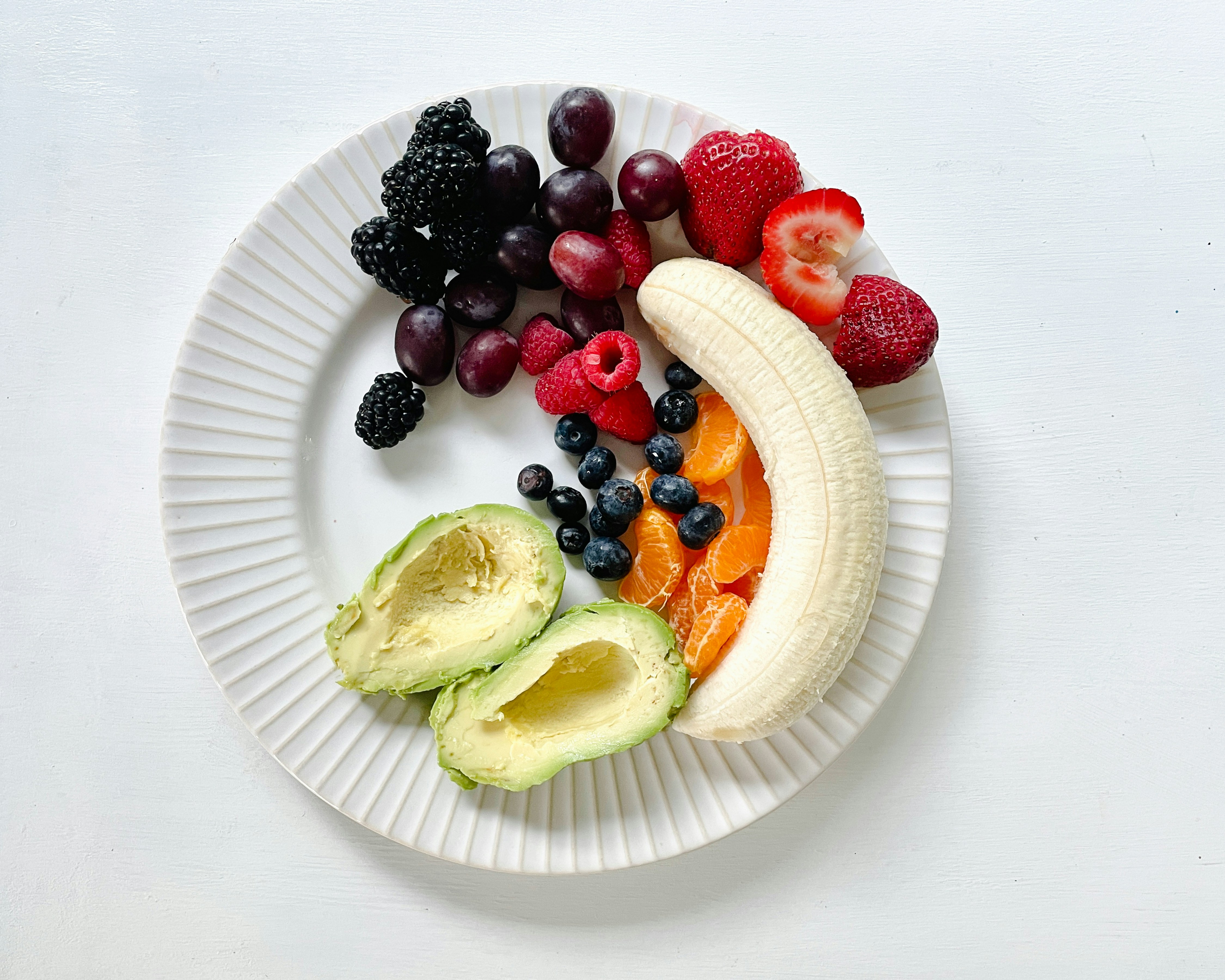
Image Credit: Debby Hudson from Unsplash
Many SNAP participants already work, but their jobs don’t pay enough to cover all their expenses. Cutting benefits or making eligibility more difficult to receive could create an impossible situation for people juggling low-wage jobs and high food prices.
Effects on Local Business
The benefits of SNAP extend beyond just helping the individuals and families who need it. SNAP also helps support local businesses. Every dollar spent through the program circulates through the community: from grocery stores to food suppliers and transportation systems.
According to a 2025 report by the Commonwealth Fund, large-scale cuts to SNAP would result in more than 1.2 million jobs lost across the country by 2029, and hurt state economic growth. When households spend less on food, small businesses in the struggling communities feel the impact.
Effects on State Governments
Shifting more SNAP responsibility to the states will also complicate administration. Some states may lack the necessary technology or staff to meet the new federal standards. States with higher poverty levels or limited budgets will experience the greatest strain.
According to the Urban Institute, the impacts will be most pronounced in cities with a high cost of living, such as New York City or San Francisco. Even before the proposed cuts, SNAP monthly benefits barely covered the full cost of a nutritious diet in expensive cities. Food insecurity for children, seniors, and people with disabilities can lead to health problems, missed days at school or work, and long-term setbacks.
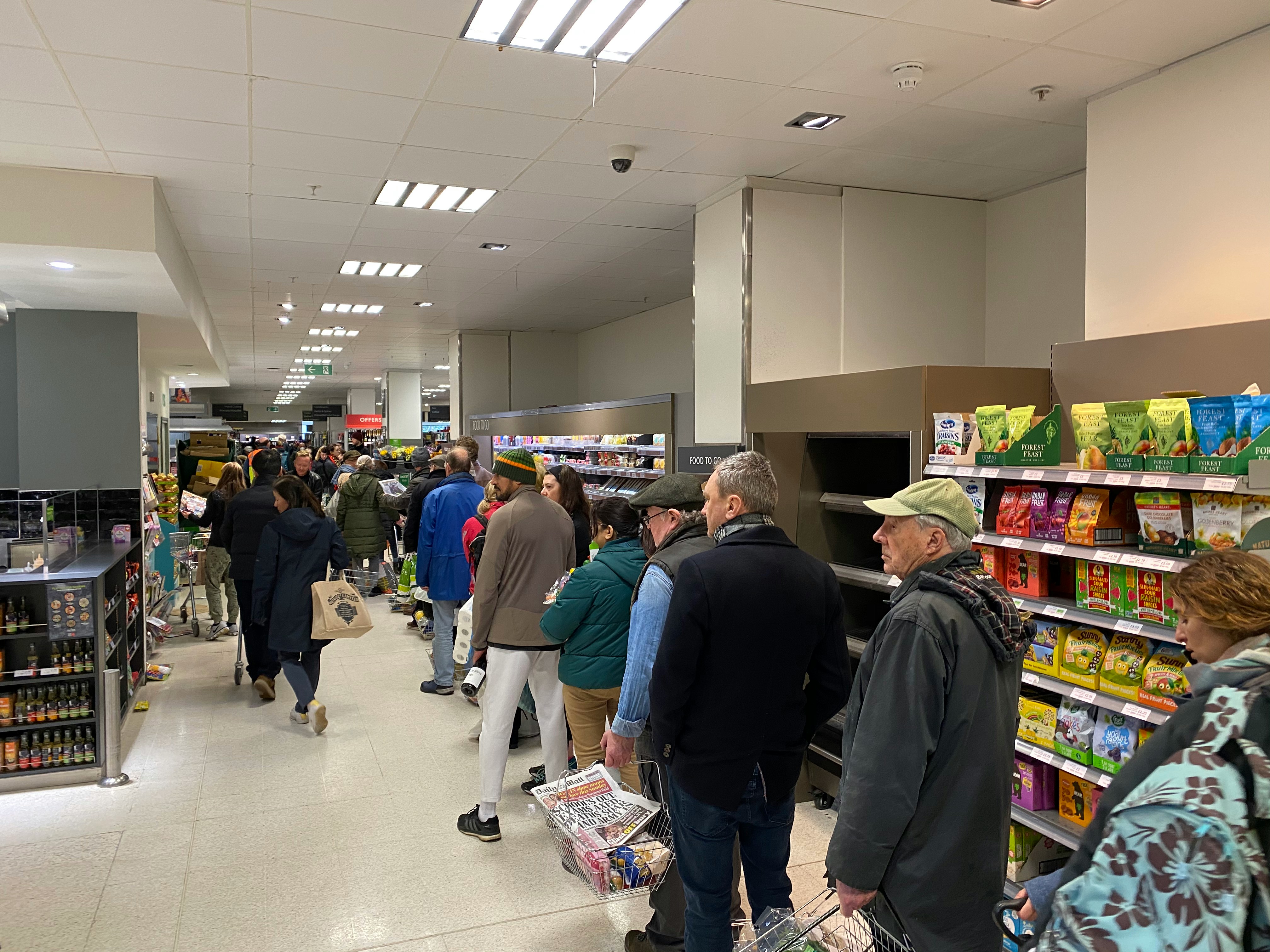
Image Credit: John Cameron on Unsplash
Take the Quiz: What Kind of Political Personality Are You?
Ever wondered what role you’d play in the political world? Take this fun quiz to find out!
Why Trump Wants These Cuts
President Trump and his administration believe that reforms to SNAP are part of a “work first” welfare reform. The administration believes that if benefits are tightened, people will be more likely to join or stay in the workforce. They also think the cuts will reduce the federal deficit and lower inflation because government spending will be lower.
Critics argue that while promoting workforce participation is essential, cuts often overlook those who would work but cannot, because they are caring for relatives, have a disability, or lack transportation. Critics also argue that food security should be a right, not a privilege limited to only those who work.
What Happens Now…and Down the Road?
In the near term, households may experience lowered monthly benefits and stricter eligibility requirements. States may feel pressure on their budgets due to increased costs and administrative burdens. In the long term, policy experts caution that increased food insecurity could hurt public health and drive up our nation's healthcare costs. Poor nutrition is at the root of chronic conditions such as diabetes and heart disease that already strain our healthcare systems.
Much depends on how the changes are instituted. States may institute safety nets or pilot programs to bridge the funding gaps. Other states may strictly address the new rules. Inflation, job growth, and other economic trends will also affect the actual impact.
Final Word
The changes to SNAP under the Trump administration rank among the most significant shake-ups in U.S. food-assistance policy in recent times. To supporters, the move represents a necessary step toward financial discipline and self-reliance. Opponents view it as a step back for millions of families already hurting.
What's clear, regardless of individual political views, is that SNAP affects more than the recipients alone: it affects the health of our communities, local businesses, and the broader economy. As states begin to adapt to the new rules, the real test will be whether this country can meet its fiscal goals while still ensuring every American has enough food on the table.


