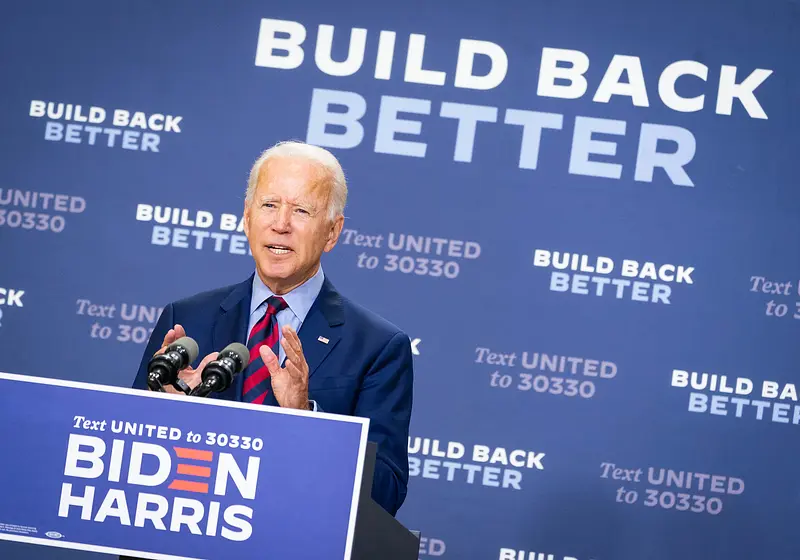




Talk of President Donald Trump's "big beautiful bill" has been circulating the political landscape for months. The discussion reached its peak over the past week, when, after pulling an all-nighter, the Senate passed the bill in a narrow 51-50 vote.
Thus, President Trump signed the 887-page document into law on the Fourth of July.
It is no secret that the "big, beautiful bill" has received significant backlash from both Republicans and Democrats. For instance, Brian Fitzpatrick, Republican Congressman, voted "no" due to its cuts to Medicaid. Republican House Representative Thomas Massie also refused to vote "yes" for the bill, citing concerns it would "balloon" the country's debt.
Massie was not led astray. Some key specifics of the bill that adds $3.3 trillion to the national debt are as follows:
Let us slide into your dms 🥰
Get notified of top trending articles like this one every week! (we won't spam you)Medicaid and SNAP Benefits
Medicaid is healthcare provided to low-income Americans. Around 78 million citizens utilize Medicaid for their healthcare services. With the "big, beautiful bill'', this is likely to change.
The bill is implementing an 80-hour work month requirement (whether that be school, community service, a job, etc.) for adults aged between 19 and 64 who utilize this health insurance. There are technically exceptions such as medical conditions rendering one incapacitated, guardianship of young children or disabled folks, pregnancy, being a disabled veteran, among others.
Several Republican politicians have praised the notions, boasting over the decreased amounts of federal spending and alleged "fraud" these policies will lead to.
But concerned opponents to Medicaid cuts have pointed out some of the very concerning consequences.
As Mia Ives-Rublee, Senior Director for the Disability Justice Initiative, explained,
"Research shows that when federal funding for Medicaid decreases, states tend to cut "optional" benefits such as home- and community-based services (HCBS) first...the cuts to Medicaid funding will affect everyone due to hospital closures and health care workforce layoffs."
Recipients of SNAP benefits/food stamps may also be at risk of losing eligibility. The present work requirements are now being expanded to those aged 64 rather than 54 and to parents who have children over seven-years-old. States are also being commanded to contribute more funding towards SNAP if their error rates are above 6%.
Take the Quiz: What Kind of Political Personality Are You?
Ever wondered what role you’d play in the political world? Take this fun quiz to find out!
Immigration and Border Construction
Since his first presidency, President Trump has made clear his agenda of "building the wall" and mass deportations. This initiative is being implemented more-so in the "big, beautiful bill''.
Over $46.5 billion is being allocated towards constructing a border wall. Despite backlash to the recent ICE raids, approximately $30 billion are now being used to train and hire U.S. Immigration and Customs Enforcement officers, to maintain ICE facilities, plus other expenses in this area.
Another $45 billion is going towards expanding the capacity of detention centers for immigrants, while $5 billion is now set aside for Customs and Border Protection facilities. $13.5 billion are being given to local governments and states that are engaging in immigration and border enforcement. For those with pending cases seeking asylum, a $100 fee is now being included, alongside a $550 fee for initial work permits and a $250 fee for special immigrant juvenile status.
Taxes
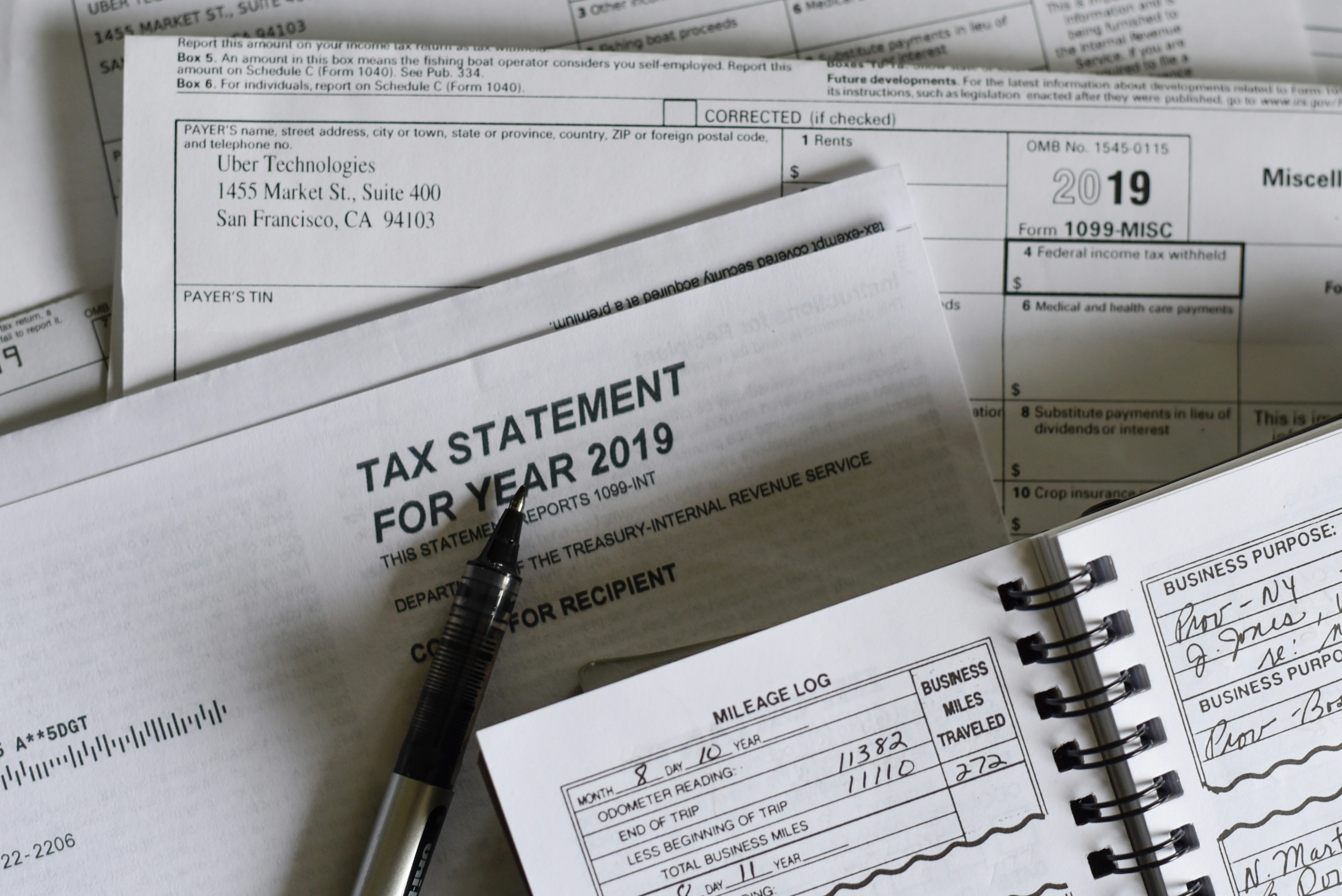
Photo by Olga DeLawrence on Unsplash
During his campaign, President Trump consistently spoke of his promise to eliminate taxes on Social Security. The "big, beautiful bill'' did not follow through on this goal.
Instead, from 2025 to 2028, the typical deduction of up to $4,000 could be increased for folks who are aged 65 or older. This is because an additional $6,000 deduction could be granted for eligible citizens of that age bracket who earn $75,000 or less per year.
The deduction limit for taxes on the state and local levels has been increased as well. Currently, taxpayers can deduct a maximum of $10,000 of how much they owe in taxes. This is changing. Now, the limit is $40,000 for five years for taxpayers who bring in under $500,000 annually. After which, the maximum will decrease back to $10,000.
Trump's controversial promise to eliminate taxes on tips and money earned from overtime (with a gradual phase-out) also made its way into the bill, but this provision expires in 2028.
Additionally, tax breaks have been composed which are likely to benefit the wealthy.
Robert Frank with CNBC reports,
"Taxpayers earning $1 million or more are expected to see a boost in after-tax income of about 3% in the Senate version of Trump’s bill...That compares with the nationwide average of about 2.5%. In dollar terms, millionaire earners will see an average after-tax income increase of $75,000 in 2026."
Student Loans and Pell Grants
With approximately 12 million students in the U.S. borrowing loans for college each year, many have been eager to find out how the "big, beautiful" bill will affect their educational journey.
Now, they have their answer.
The bill introduces limits on how much in loans students can borrow. For master's degrees, the cap is $100,000. For medical, doctoral, or other professional degrees, the maximum allowed is now $200,000. The federal Grad PLUS loan program will also be phased out, which concerns graduate students who use the program to help pay for their education.
More taxes are also set to be enacted on university endowments, which are funds donated to schools to support their operations. A significant change, though, is that some degree programs will not be allowed to use any federal student aid if those who graduate do not reach certain income thresholds afterwards.
Lastly, Pell Grants will now be available to students who, rather than attend traditional universities, decide to enroll in short-term work training programs such as the trades, CNA or EMT school, etc.
Clean Energy Initiatives and Defense Spending
The "big, beautiful bill" will get rid of the clean energy IRA tax credits for solar and wind projects that do not start within a year of its passing, or that aren't 100% operational by 2028. This will make several clean-energy projects in the future cost around twice as much as they would have if they kept the tax credits.
But spending on defense efforts will increase significantly. The bill allocates $150 billion towards things like munitions acquisition, the Pentagon fund, shipbuilding, and other military expenses. $350 billion will go towards national security and constructing the Golden Dome. The Golden Dome, in short, is a missile defense system with the intention of destroying and detecting foreign threats.
A Non-Exhaustive Summary
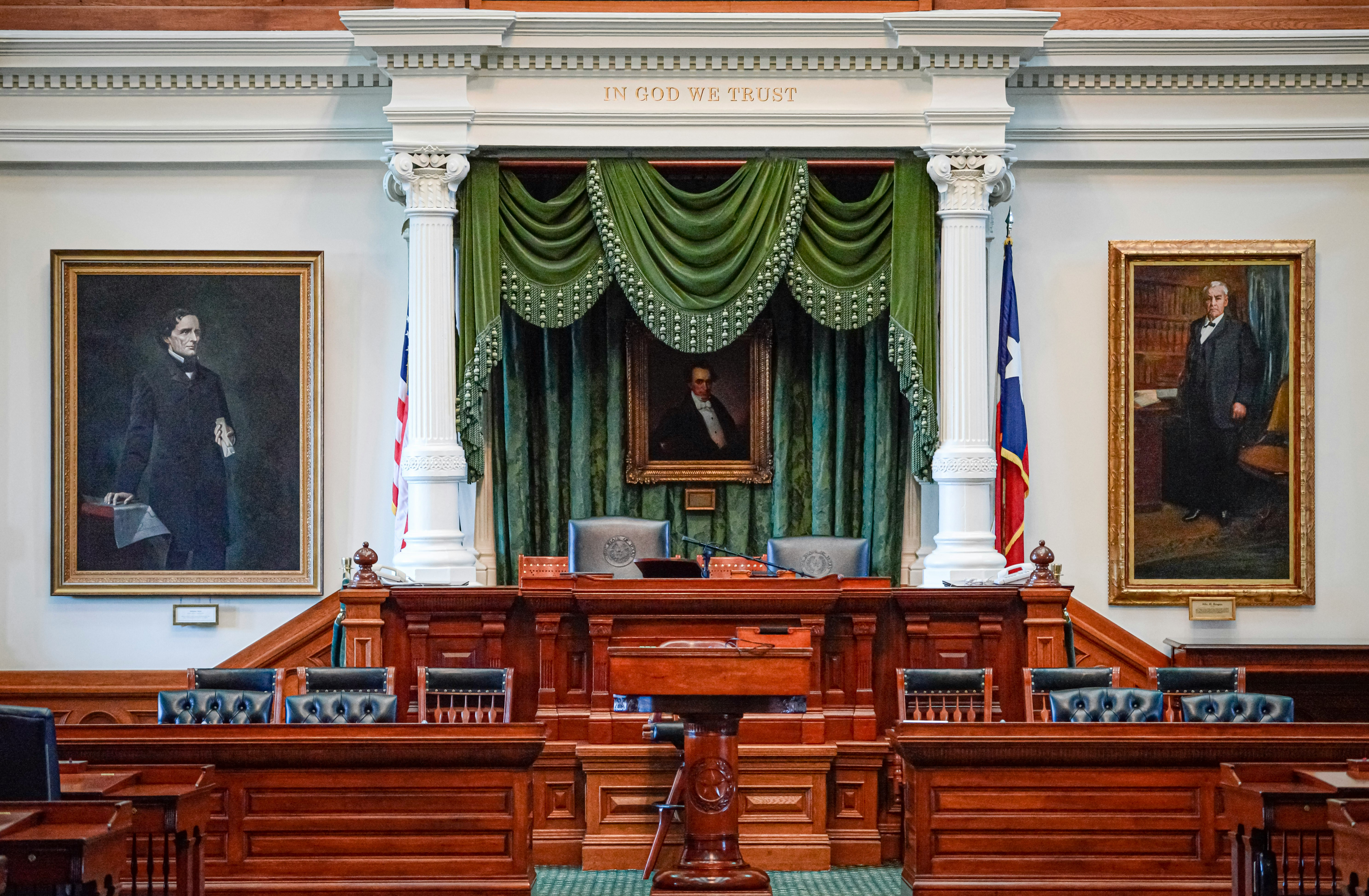
Photo by Pete Alexopoulos on Unsplash
Due to the exhaustive length of the "big, beautiful bill'', it would be virtually impossible to highlight all, or even a significant percentage of, the key points.
Thus, the bill in its entirety is linked below:
https://www.congress.gov/bill/119th-congress/house-bill/1/text