






When I saw the headline to the New York Times article I was by far horrified. Never have I ever heard such a devastating phrase: the government is shutting down. What does it mean?
Is the government not going to function anymore? Is the United States closing down as a nation? As a teen who has never heard such a thing, I panicked for a second. However, as I kept reading, I realized that a “government shutdown” doesn’t mean the US is collapsing. Instead, it simply means that Congress has failed to agree on how to spend money.
Here's what really happened:
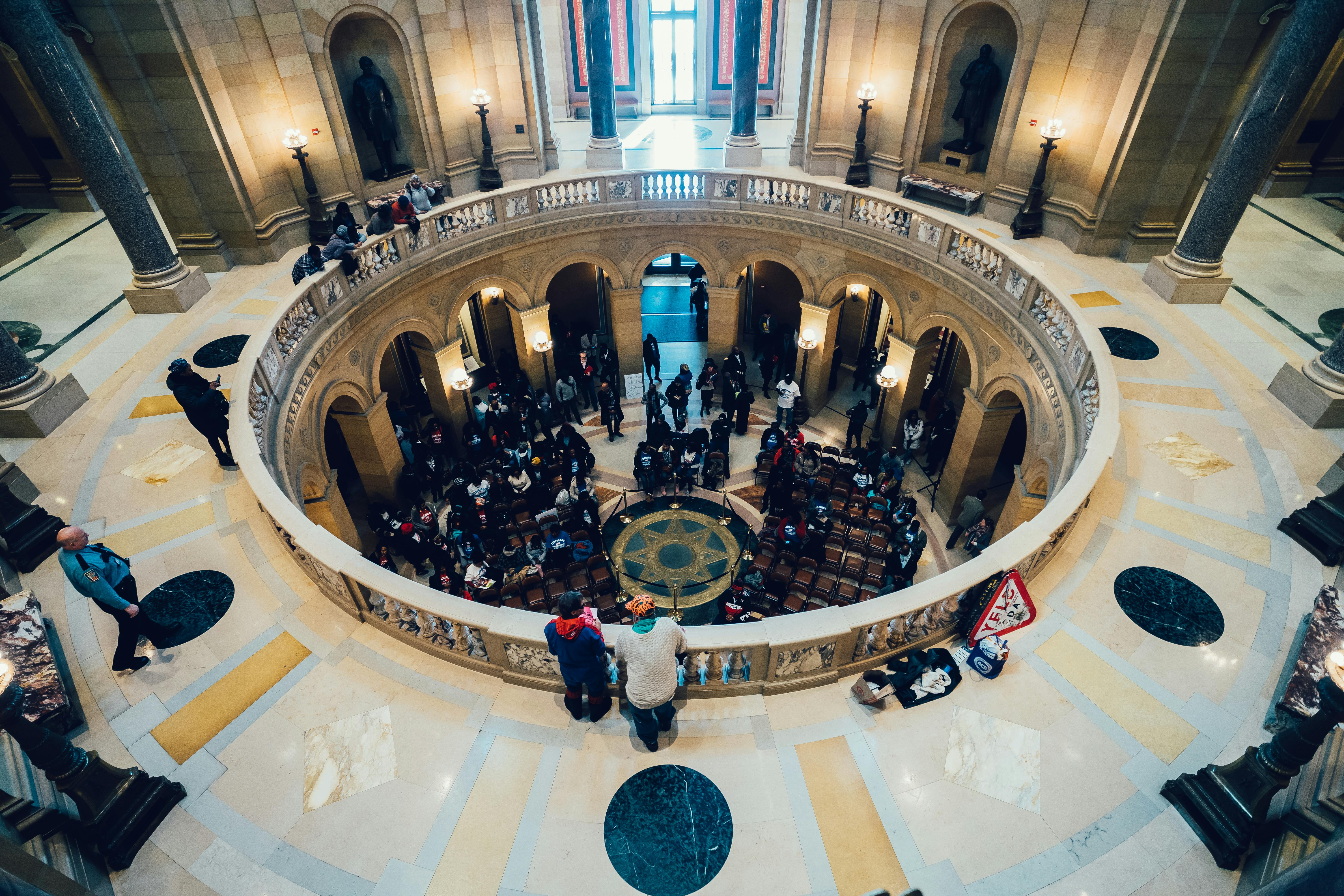
Image Credits: Esquivel from Pexels
Let us slide into your dms 🥰
Get notified of top trending articles like this one every week! (we won't spam you)What a Government Shutdown Really Means
The federal government shut down at 12:01 AM ET on Wednesday, October 1, 2025. This is because Congress failed to fund the government before the fiscal year ended on September 30, leading to a shut down on the subsequent day. This is the first government shut down since 2019.
When lawmakers can’t pass a funding bill, federal agencies literally run out of money to operate. In the Senate, passing a temporary spending bill requires 60 votes. Right now, Republicans control 53 seats, but Democrats have refused to back the measure unless it includes provisions, such as continuing the expiration-impending subsidies that help cover Affordable Care Act insurance (ACA) premiums. It basically is a partisan argument over the extenuation of subsidies for the ACA, a system relied on by over 24 million people who don't have insurance to purchase health plans.
According the ABC News,
Congressional Democrats are refusing to give Republicans the votes they need to pass a short-term funding agreement, demanding overhauls to Medicaid cuts and extensions to health care tax credits that Republicans don't want to touch.There have been -- since the 1977 fiscal year -- 20 funding gaps, some for as short as a day, marking Wednesday’s shutdown the 21st.
The last shutdown happened in December of 2018, with the longest period of 35 days. During that shut down, some federal employees began relying on food banks for support, while many essential workers started calling in sick. Numerous workers simply couldn’t afford the cost of childcare or even the gas required to get to their jobs.
It sounds absurd, almost like a country pressing pause on itself. Yet it happens more often than you would think. For me, as someone who grew up believing governments are supposed to be steady and predictable, the idea that such a powerful and influential nation could just “shut down” felt surreal. How can a democracy built on compromise reach a point where compromise itself becomes impossible?
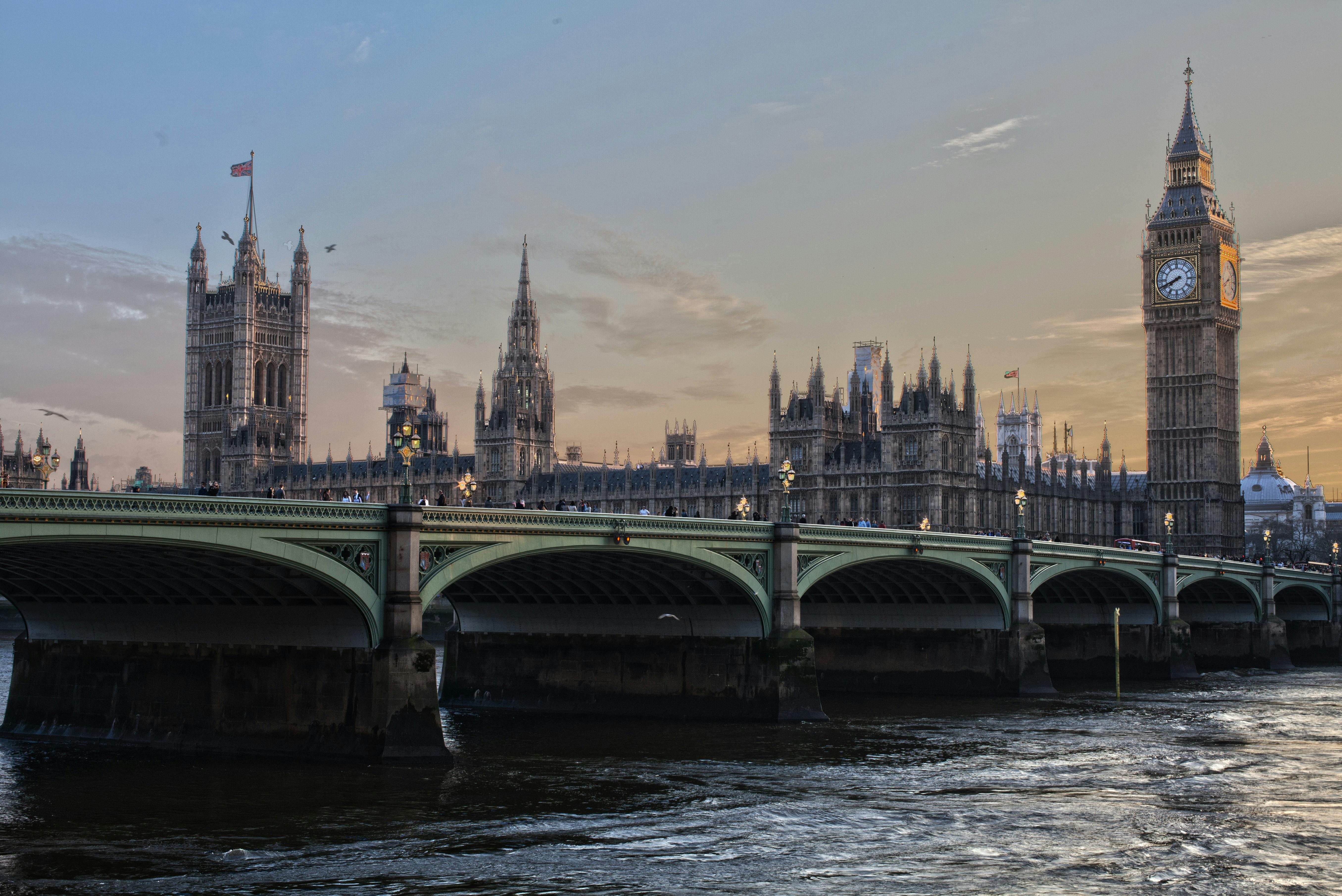
Image Credits: Pixabay from Pexels
Take the Quiz: What Kind of Political Personality Are You?
Ever wondered what role you’d play in the political world? Take this fun quiz to find out!
Impacts of This Shutdown
Now, the shutdown of the US government may or may not affect you based on your interests and roles you play in this society. It is, however, undeniable that effects of this event might be wide-ranging.
First of all, the Supplemental Nutrition Program for Women, Infants and Children (WIC) food program might be affected during the shutdown. Currently, 7 million women and children rely on limited contingency funds (about $150M, typically 1–2 weeks). Without new funding, many states cannot sustain benefits. Similarly, the Supplemental Nutrition Assistance Program (aka SNAP, or also known as food stamps), the country's much larger food aid program, might be at risk of closing down, and benefits usually go out for the first month of a lapse.
Second of all, and probably most importantly, the federal workers and active-duty military service members will not receive a paycheck during the government shutdown. In fact, according to the Congressional Budget Office's estimation, approximately 750,000 federal employees would be furloughed each day of the shutdown. Back pay for federal employees is guaranteed by law yet contractors are not guaranteed back pay.
The White House also threatened mass layoffs of federal employees should the government shut down. In aggregate, around 4 million federal employees, including some service members, could go without a paycheck.
In addition, many federal offices, museums, and parks scale back or close. There will be lots of permits, approvals, and customer service halt. To some extent, these layoffs and pauses will impact the economy.
Current analyses peg losses around $7 billion per week and ~0.1 pp off growth while the government is closed. For past references, the 2018–19 shutdown reduced GDP by $11B, with $3B permanently lost, per CBO. Longer shutdowns will depress private investment by blocking permits and loans.
Furthermore, a lot of health and safety agencies will experience delays and stagnation. NIH keeps current patients but stops enrolling new patients at the Clinical Center. Many grants and reviews might pause. The FDA continues work funded by prior user fees and some safety functions, but new submissions tied to current-year fees aren’t accepted; some inspections and reviews might also be delayed.
The IRS will also face short term continuity, and then slowdowns. It can operate for a few business days via special funding, but after that, refunds, phone support, audits, and correspondence can face major delays if the lapse persists.
Another aspect that might be affected is the research and education sector. NSF or NIH peer review and many federal research grants might be delayed, and universities will endure cash-flow strains and planning uncertainty. For student aid, Pell Grants and federal loans generally continue, but customer service can be slower. Currently, 87% of Department of Education employees have been temporary furloughed.
In a nutshell, a lot of federal services, ranging from national parks to immigration and employment verification, will slow down or close down in response to the diminishing funding. The impact of this might not be immediately showing, but will appear more severe over time.
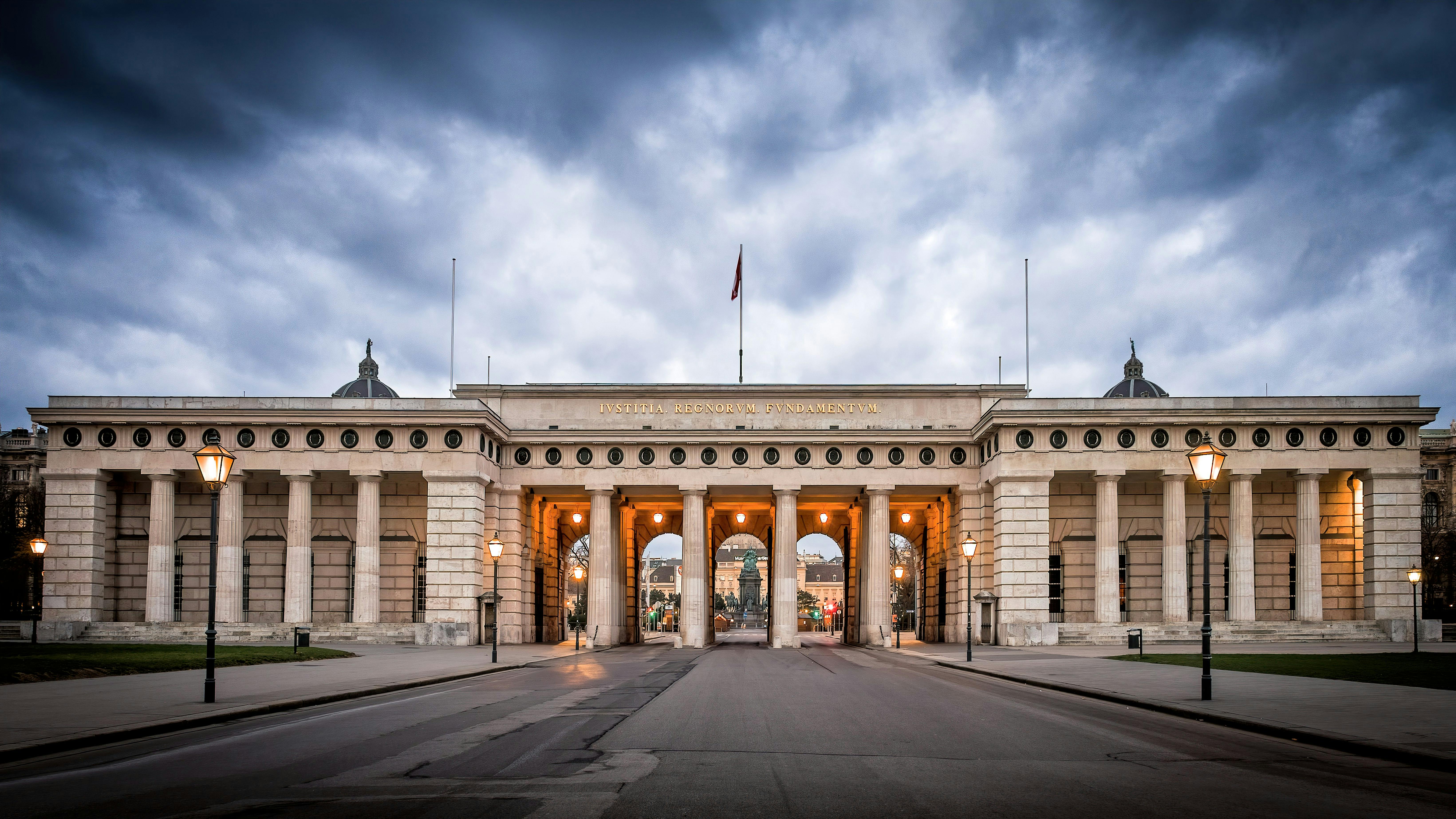
Image Credits: Berger from Pexels
Conclusion
In conclusion, there is nothing really we, as teens, can do about the government shutting down. We don’t have the power to vote yet or influence Congress’s decisions firsthand. However, staying informed and aware of the causes and consequences is a step towards becoming the kind of citizens who can one day make sure the government never has to “shut down” again. We should try and pay attention to understand how political disagreements at the top ripple into the lives of ordinary citizens, workers, and families.

.jpg)


