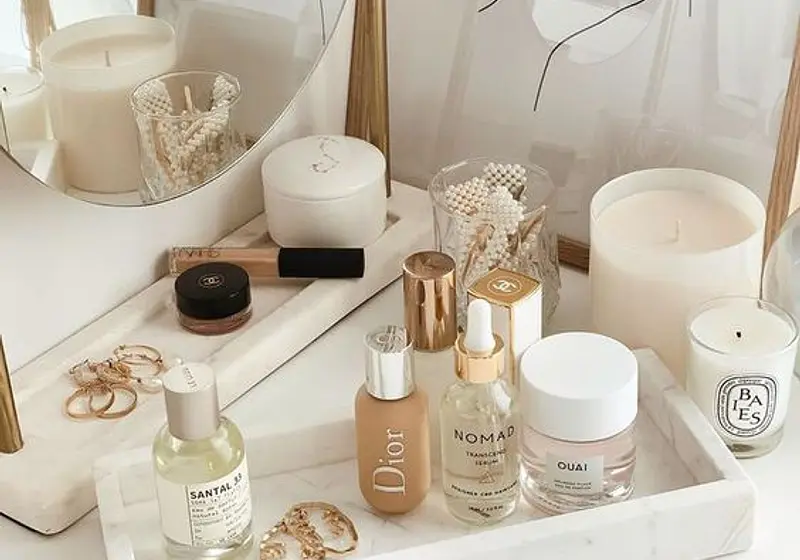





To be honest, getting into skincare is like learning a whole new language - there are WAY too many products, steps, ingredients, and just so much time that needs to be put into it (that a lot of us might not have). That's okay. I'm here to simplify it for you.
Whether you have breakouts, you're experiencing dryness or oily skin, or you just want to take better care of your skin in general, keep reading! From cleansers to toners and moisturizers, I'll tell you what each product does, what actually works, and I'll also mention some trusted brands that might just help you kickstart your new routine!

Image Credits: Poko Skincare from Unsplash
Let us slide into your dms 🥰
Get notified of top trending articles like this one every week! (we won't spam you)Step 1: Cleanser
Cleansing is the first and THE MOST important step in any skincare routine. It removes dirt, oil, excess sebum, makeup, or any impurities that build up on your skin. Without clean skin, the rest of your skincare products will never work as effectively as they should.
All you need to do is use a gentle, non-irritating cleanser twice a day - once in the morning and once at night. Wet your face with water of your desired temperature (but definitely not hot water - warm/lukewarm is okay), apply the cleanser in slow, circular motions, and rinse it off thoroughly.
- For oily/acne-prone skin: Foaming cleansers that contain salicylic acid or benzoyl peroxide are the best for such skin types.
- For dry/sensitive skin: Look for cleansers with a creamy texture (usually they have a label with the word "hydrating" on it). Please do make sure that the cleanser you choose contains glycerin or ceramides.
- For combination skin: A balanced gel cleanser is usually the best kind for combination skin.
The brands that I would recommend are CeraVe Foaming Facial Cleanser (this is great for oily skin), Cetaphil Gentle Skin Cleanser (it's good for normal to sensitive skin), The Ordinary Squalane Cleanser (this one has minimal ingredients and is great for beginners who aren't sure of which one to finalize on).
I will say, for me, however, the star of the show was the L'Oreal Paris Glycolic-Bright Glowing Daily Cleanser Foam. I have combination skin, and I've tried different face washes over the years, but they've all either dried out my skin or made my face still look oily. This one, though, I fully swear by it!

Take the Quiz: What’s Your Perfect Skincare Product for the 'Clean Girl' Look?
Take this quiz to discover the perfect skincare product for your “clean girl” routine!
Step 2: Toner
So after you cleanse your skin, at times it can feel a little tight - that's where a toner comes in. A toner is a pretty lightweight liquid that that prepares your skin for the next steps in your routine. Why should you use it?
Well, most importantly, it helps balance the pH of your skin, as your next step would usually be a serum. A serum contains acid, which can change the pH of your skin, but a toner, when used before, will help the acid in the serum to not have an adverse effect. Even if you don't use a serum, it's still good to maintain your pH, as a lower or higher pH can cause irritation.
Toners also help to hydrate your skin and can target any specific concerns, such as acne. It's not hard to use either! What you need to do is pour a little bit of the toner onto a cotton pad, or on your palms, and pat it on to your skin.
People can follow their skincare routines both at the morning and at night, and some people prefer to do it only once a day; that's up to you, but I suggest using your toner at both times - unless you're using an exfoliating toner, which I would say use it only once a day, and only a little. There are different types of toners, of course, and make sure you pick the right.
- Hydrating toners → These contain ingredients such as hyaluronic acid, glycerin, or rose water. They're used for dry and sensitive skin. The Klairs Supple Preparation Unscented Toner is lightweight and really hydrating, and also fragrance-free which makes it 10x more useful.
- Exfoliating toners → Primarily for acne and clogged pores, they contain AHAs or BHAs. The AHAs work on the surface of the skin, getting rid of fine lines, and it evens out your skin texture, whereas the BHAs penetrate deeper into the pores of the skin, helping with problems such as acne. A well-known favourite of the people is the Pixi Glow Tonic (with Glycolic Acid), but another one that works well is Cosrx AHA/BHA Clarifying Treatment Toner.
- Soothing toners → Such toners are perfect for skin types that have a tendency to get irritated very easily. They contain mild ingredients such as chamomile, aloe vera, green tea, etc. Avene Thermal Spring Water (Spray) is great for calming irritations on your skin.
Start with alcohol free toners. If you use ones with alcohol, they dry out your skin very quick. Also, please please patch test new products before you use them! This goes for all the products discussed here - the last thing we want is for any adverse reaction that affects your entire face because you didn't know that your skin didn't like it :/
Step 3: Serums (Optional)
So serums are actually a completely optional step. Unless you want to target very pronounced and specific concerns, there is no need to spend money on this. They're packed with active ingredients that are meant for, as I said, very specific skin concerns - for example, a lot of acne, fine lines, or clogged pores.
Adding a serum to your routine can make a big difference, unless you are dealing with hormonal skin issues. For me, I get a lot of acne on my face and also over my body when it's nearing that time of the month. No serums work for me because my acne is hormonal. Once the week is over, my acne goes away too.
So what do serums do? According to the skin concern, many brands have curated many different serum types. Brightening serums help fade dark spots and gives your skin a healthy glow.
They contain a lot of vitamin C. Hydrating serums, which consist of hyaluronic acid, hydrates and plumps up the skin. Anti-acne serums help control acne, through ingredients such as salicylic acid or niacinamide. There are also anti-aging serums, that contain retinol (it is pretty strong, I advise you to definitely consult with dermatologist if you want to use it), that help with getting rid of fine lines and wrinkles, essentially helping with your skin texture.
Your serum, if you're including it into your routine, should be used right after the toner. Apply a few drops on to your face and gently rub it onto your skin. Some brands that I recommend are:
- Garnier Vitamin C Serum or Klairs Freshly Juiced Vitamin C Drop for brightening.
- The Ordinary Hyaluronic Acid 2% + B5 or Minimalist Hyaluronic Acid 2% Serum for hydration.
- The Ordinary Niacinamide 10% + Zinc 1% or Minimalist Niacinamide 10% for anti-acne.
- Olay Retinol 24 Serum or The Ordinary Retinol 0.2% in Squalane for anti-aging.
On to the next step!
Step 4: Moisturizers
Moisturizer is non-negotiable! No matter your skin type, always apply a moisturizer. Think of it like putting a lid on a jar - it's the final seal that locks in the layers of goodness that you just gave your skin, through the previous steps.
It keeps your skin soft, smooth, and hydrated. It also strengthens your skin barrier, which is your skin's natural barrier towards pollution and dryness. Moisturizer also helps regulate the release of sebum. Yes, for oily skin too - in fact, in a lot of cases, skipping moisturizer causes the skin to produce excess sebum to compensate for the loss of hydration!
How to use it? After applying toner, (and serum if you’re using one), take a little bit on your hands. Then, gently massage it into your face and neck. Use it in the morning and night for it to be as effective as possible.
Some Beginner Tips:
- Don’t ever skip moisturizer just because you have oily skin, instead use a lightweight formula, that is non-comedogenic instead.
- In summer season, use gels or lotions, as creams can feel thick and you can sweat it off easily. In winters, creams can be more nourishing.
- Apply moisturizer while your skin is still slightly damp - this helps to lock in the hydration better.
Just like all other products, there are different types of moisturizers. Gel-based moisturizers are good for oily or acne prone skin (Use Neutrogena Hydro Boost Water Gel or Plum Green Tea Oil-Free Moisturizer). Cream-based ones are good for dry and dehydrated skin (Cetaphil Moisturizing Cream or CeraVe Moisturizing Cream). Lotions are good for normal to sensitive skin types (Pond’s Super Light Gel or Clinique Moisture Surge 72-Hour Hydrator).
Step 5: Sunscreen (Daytime only)
If you skip using sunscreen, you're leaving your skin unprotected from the harsh UV rays that come from the Sun. This increases the risk of skin cancer. So, using sunscreen is really important.
It also helps to prevent the aging of your skin, gives it an even-toned, healthy look. Apply sunscreen as the last step to your skincare routine, and use it on your face, neck, or any other parts of your body that is not covered. The brands I recommend are Neutrogena, Lakme, Minimalist, La Roche-Posay, and Bioderma.
Sunscreen is a super important step if you want your skin to remain healthy long term.
Evening Routine Twist
At night, obviously skip sunscreen. You can stick to a simple routine for night time, because it is pretty important that your skin can breathen, rather than be layered with many products. Your simple routine would essentially be just cleanser → toner → moisturizer.
You can, however, add the targeted treatments, like certain serums (retinol or exfoliating acids), that you leave on your skin overnight.
Optional Extras
Sometimes, following the same routine day and nights in, without any twists, can seem pretty monotonous and cause you to possibly skip out on a night or two. To combat that, something you can do is add some fun self care steps once or twice a week, such as:
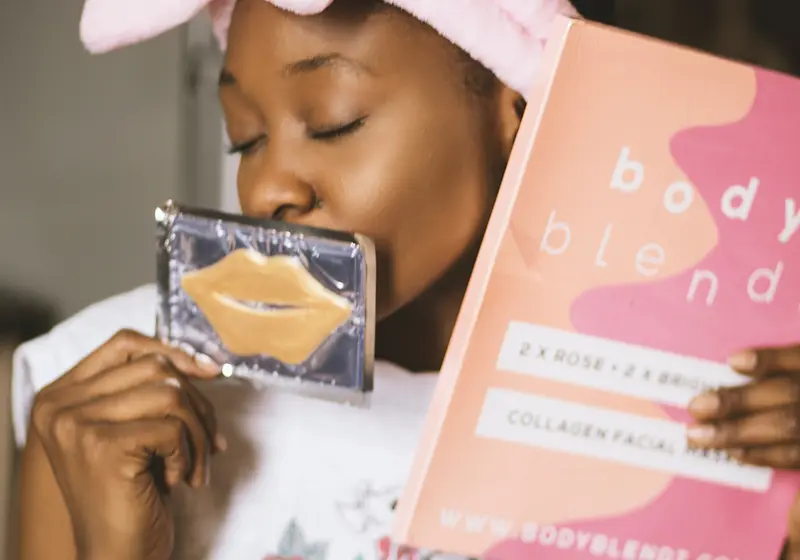
- Face masks
- Exfoliation
- Eye creams
- Facial Oils
Start Simple, Stay Consistent
When it comes to taking care of your skin, the key isn't having 10 products or trying every new trend. The key is consistency. Start with the basics, that are cleanser, toner, moisturizer, and sunscreen - once you’re comfortable, you can explore serums, masks, or treatments.
Keep in mind, good skin takes some time. Don’t get discouraged if you don’t see overnight results - that never happens. Most changes take weeks, sometimes even months.
Also, always listen to your skin - and what I mean by that is if something feels even a little wrong, (like redness, stinging, or irritation), immediately stop using that product and switch to a different one. Your routine need not be perfect at ALL, it just has to work for you!


.jpg)