


.jpg)
If you look online, most sites will probably recommend that teens get 8 to 10 hours of sleep every night. But with schoolwork, sports, clubs, volunteering, college apps, and hanging out with friends and family, this suggestion can seem more like a fantasy than a reality.
However, sleep is extremely important. Research has shown that sleep can help with concentration, cognitive function, and decision making, as well as alleviate stress and strengthen your immune system. Therefore, getting a good night's rest can actually help you with your academic and extracurricular endeavours.
With the new school year coming up, it's time to finally reset your sleep schedule around school start times. Here are a few items to add to your nighttime schedule to ensure that you take advantage of all that sleep has to offer:
Let us slide into your dms 🥰
Get notified of top trending articles like this one every week! (we won't spam you)Ditch the Devices
Doomscrolling is real... and it might be ruining your sleep schedule.
When surfing the web, blue light is emitted from your devices (cell phones, laptops, tablets, etc). This unnatural light alters your body's internal clock, called your circadian rhythm. Normally, your circadian rhythm operates on a 24-hour cycle.
At night, your body releases melatonin, which signals that it's time to fall asleep. However, melatonin is released only when it's dark. Hence, it's harder to feel sleepy when blue light is tricking your body into believing it's still daytime.
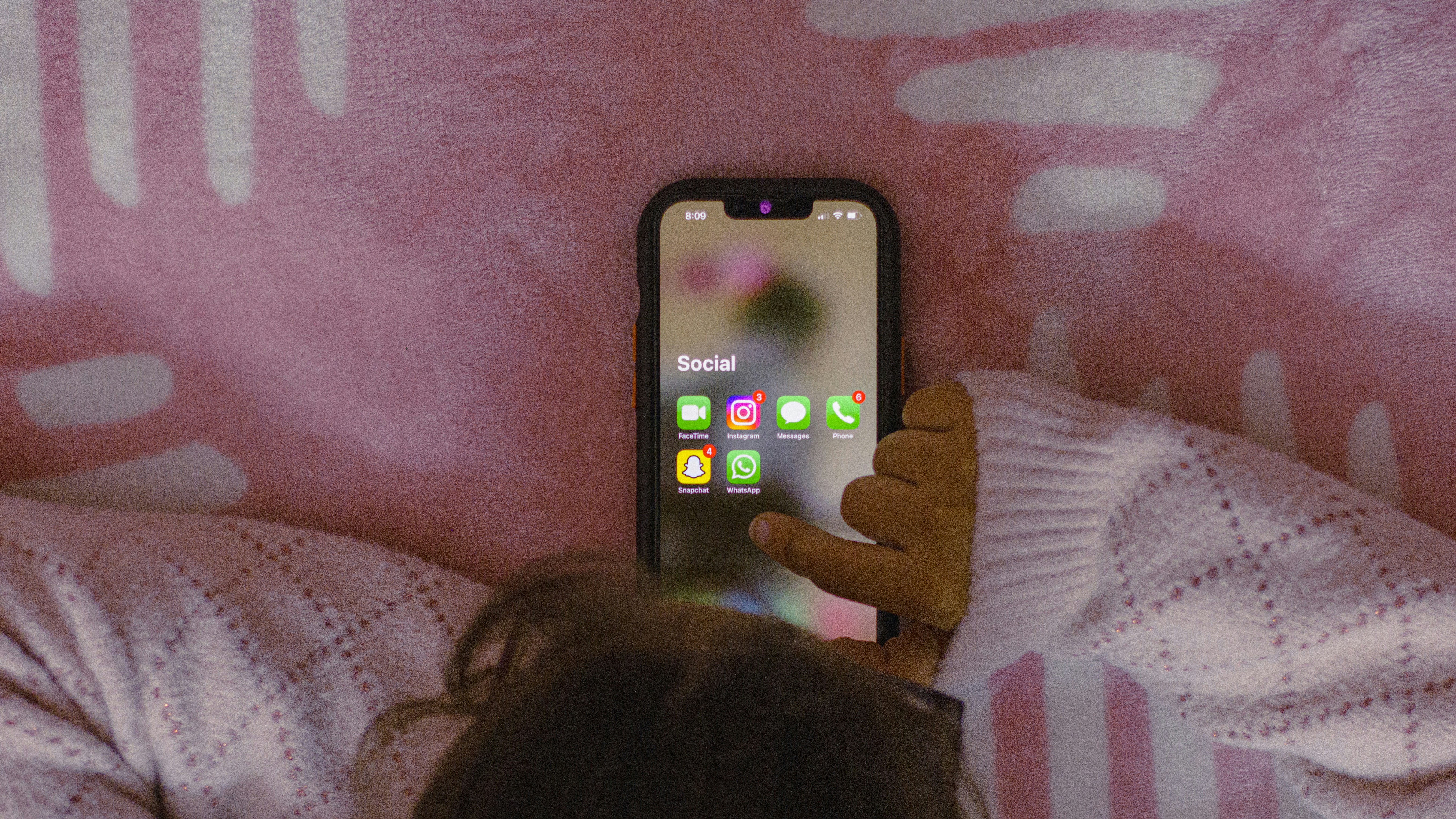
Image Credit: Sanket Mishra from Unsplash
An hour before bed, consider silencing and putting away your phone, laptop, and any other devices that you have. During the school year, however, it can be difficult to put away all screens, especially when many assignments and activities require being online. If you can't shut off devices an hour before bed, consider spending 10 or 20 minutes (or as much time as you can) without your devices pre-bedtime. After all, it might make an Insta-difference in your sleep schedule.

Take the Quiz: What’s Your Perfect Skincare Product for the 'Clean Girl' Look?
Take this quiz to discover the perfect skincare product for your “clean girl” routine!
Self-Care Skincare
There's nothing better than waking up feeling refreshed... but how?
Incorporating skincare into your nighttime routine is key. After all, as you sleep, it's easier for products to work their magic since the skin can breathe more easily at night. Furthermore, while you rest, skin cells are busy going through mitosis (aka the process to build new cells), which can help repair your skin from environmental effects like sun damage.

Image Credit: Pavel Danilyuk from Pexels
But what products should I use? How long should a skincare routine be?
Although the answer varies based on your skin goals and who you consult, it's generally recommended to include a cleanser and moisturizer. Cleansers could be as simple as using makeup wipes, face cloths, or a facial cleanser, but are nevertheless an important part of a nighttime skincare schedule. For moisturizers, they can not only help make your skin glow, but also assist with oily or dry skin.
Other steps in your routine might include applying a toner to prepare your skin for additional products and eye creams that focus on the health of skin in the under-eye region.
Giving yourself some time to create a skincare schedule that works for you can help repair cellular damage while also providing relaxation and self-care time.
Reflect to Rewind
Oftentimes, life can be busy. With new opportunities approaching as the school year starts, it can be easy for your responsibilities to pile up, leaving little time to relax and think about the day's events.
Reflection, though, is important. Through writing down thoughts or drawing pictures, we allow ourselves a few quiet, mindful moments to think about the new things that we've learned, how to tackle problems, and practice gratitude. Reflection can be practiced in a variety of forms, which include meditating, journaling, scrapbooking, drawing, sketching, or simply replaying that day's moments in your head.

Image Credit: Debby Hudson from Unsplash
Even if you only have 5-10 minutes, reflection is still a great tool to allow your brain to wind down before bed. Reviewing what happened from morning to sundown can lead to better sleep, a clearer head, and maybe even a good idea for that essay you've been working on.
Set a Schedule
Going back to the earlier discussion about circadian rhythms, your body's natural clock is on a 24-hour cycle. When you consistently go to bed around the same time every night, it makes it easier for you to wake up at the same time as well. This strengthens your internal clock's rhythm, meaning better, deeper sleep at night and more energy during the day.
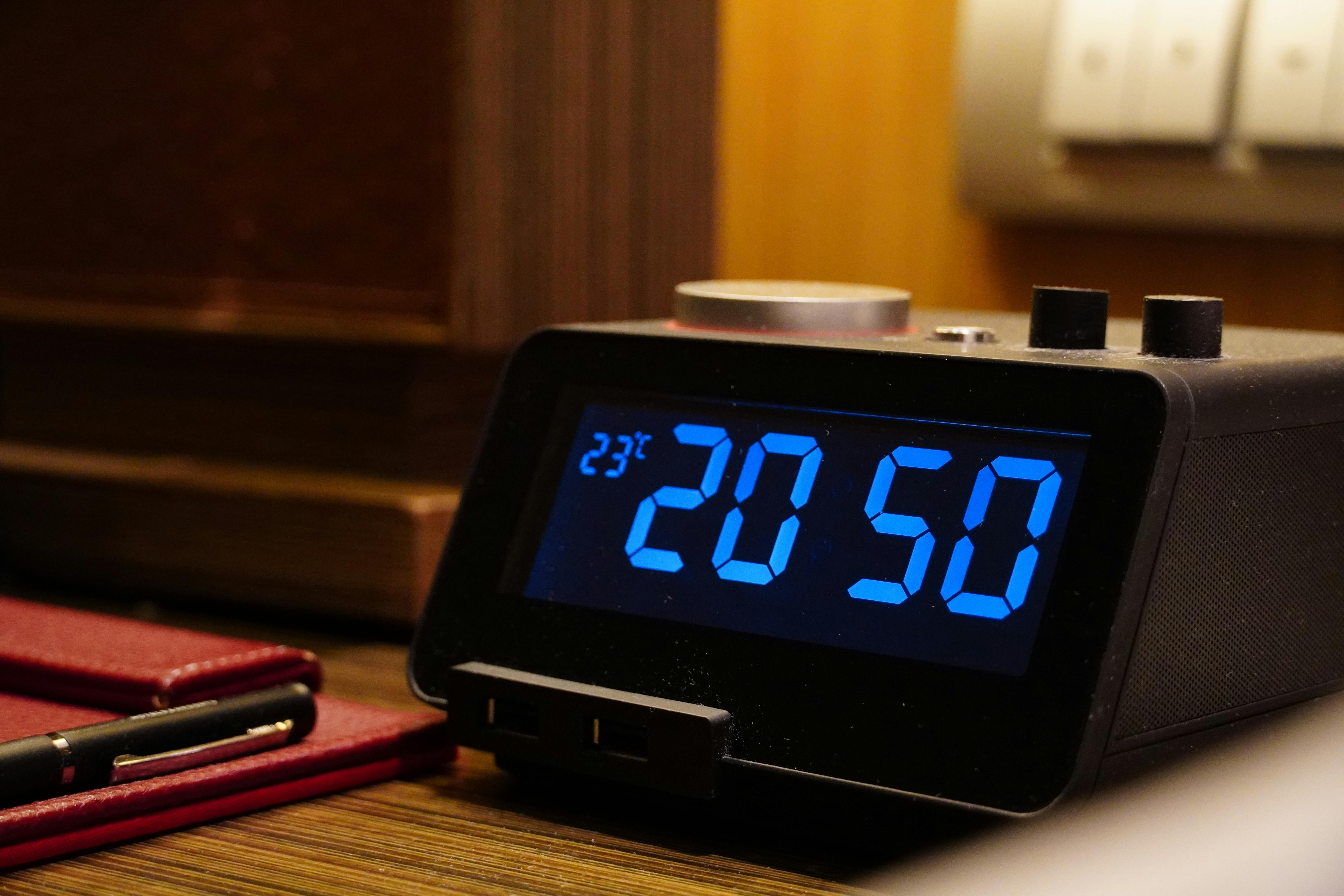
Image Credit: Wanshan Luo from Pexels
Also, by setting a time at which you want to be ready for bed, it can allow you to better schedule your time after school. For example, if you want to be asleep by 11:30 PM, you can work backwards, time blocking your post-school day to fit your extracurricular, academic, social, and personal responsibilities. This can help reduce stress and procrastination on assignments as well as ensure that you benefit from the memory-enhancing and better logical reasoning that comes with getting a good night's rest.
Takeaway
While you might not have enough time for a 30-minute skincare routine or a 1-hour digital detox, adding time for self-care and reflection can help you get back into a school sleep schedule and make your evenings more enjoyable. Regardless of whether or not school has started yet, consider adding time to journal or setting a time to consistently go to bed to your daily routine. After all, it may help you catch those much-needed, yet elusive zzz's.
.jpg)