







Over the course of Donald Trump's 2 year campaign leading up to the 2024 election, the now-current president made many promises over the actions he would take if he were elected to the presidency. Some of these promises included ending wars (such as the Russia-Ukraine war), reducing grocery prices, implementing tariffs on foreign products, and, most importantly, imposing very strict immigration policies.
Many of these promises, such as reducing grocery prices and ending wars, have not been kept. However, some people will make the case that he ended potential wars like the Pakistan-India conflict. At the same time, other promises have been firmly kept, such as enforcing very strict immigration policies.
Ever since the beginning of Trump's second term, he and his administration have not only imposed strict new immigration policies, but they have also made a massive deportation effort across the United States, with the intention of reducing the number of undocumented immigrants in the United States. These actions have been divisive and polarizing, as many consider them to be unethical, illegal, or unconstitutional.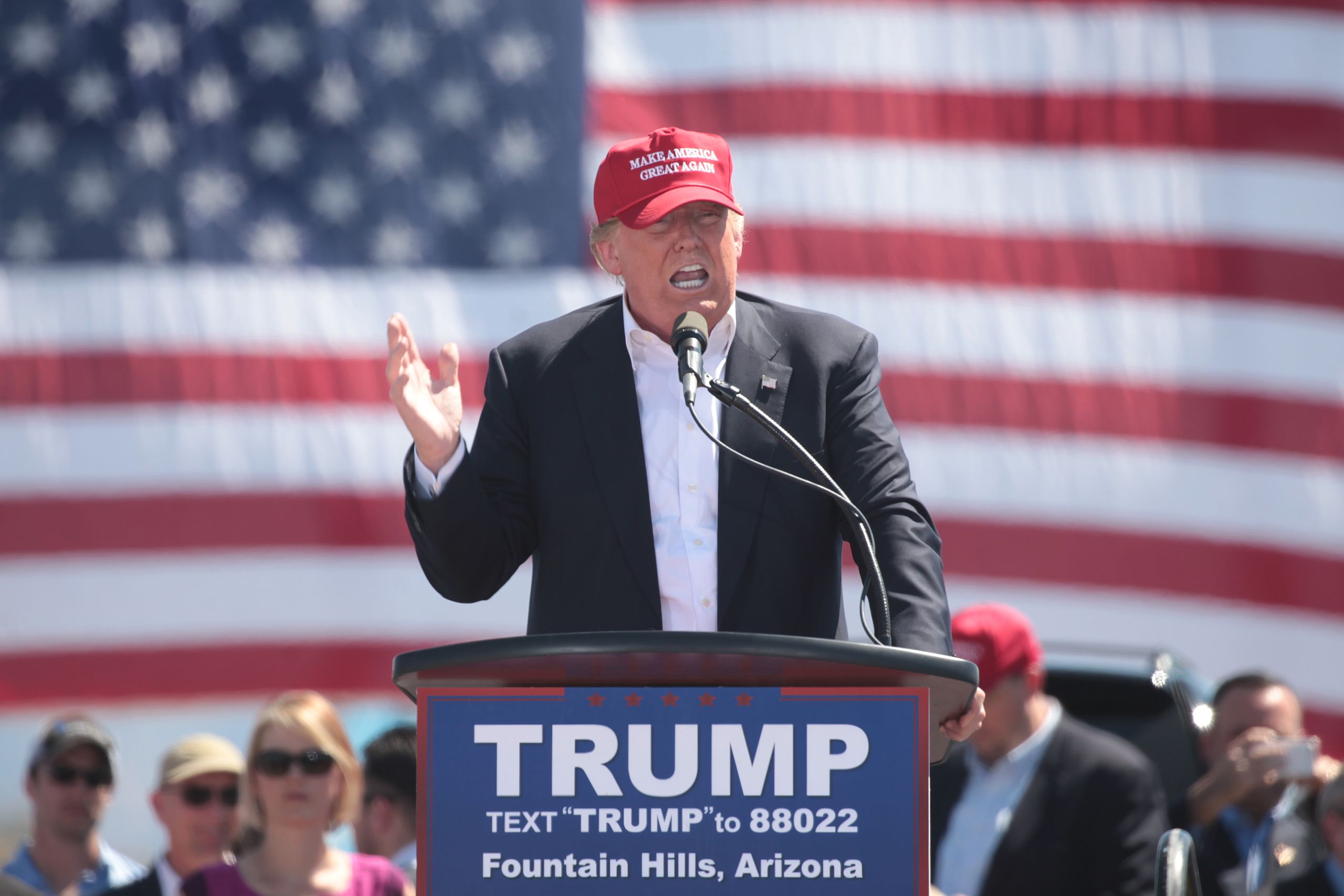
Image Credit: Campaigning for President
In the 21st century, immigration has become an important social and political issue in the US and many countries due to the large increase in immigrants. The issue has become extremely polemical because it touches on the economy, national security, culture, and identity, creating many divisions in countries like the United States. More than anything else, though, the main subject of dispute in the United States and in many other countries is about the rights of "undocumented" immigrants crossing their borders.
In this article, I intend to analyze the evolution of these policies as well as their ‘legal’ and ‘moral’ boundaries to understand their place in the global trend of right-wing populism that is growing across the world.
Immigration Enforcement Timeline in the 21st Century (Before Trump)
In the United States, immigration has always been a politicized issue throughout the 1900s, but it became much more heated in the late 1990s as border crossings, for both documented and undocumented immigrants, rose sharply. Debates over whether the path to legal citizenship should be easier, along with concerns about undocumented immigrants crossing the border, started appearing much more often in American politics.
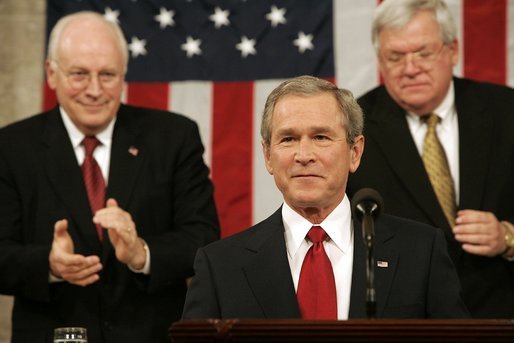
Image Credit: Bush at State of the Union address, February 2, 2005
It wasn't until George Bush came into office in 2001—the same year the 9/11 terrorist attacks took place— that immigration became largely tied to national security, the reason being that the terrorists who were responsible for these atacks had entered the US on visas, exposing flaws in United States immigration control, and eventually leading to president George Bush creating the Department of Homeland Security. This made Bush one of the first modern politicians to make immigration a paramount issue, and as a consequence, pushed immigration to the forefront of politics.
Although Bush created the Department of Homeland Security, he also supported immigration reform, including a pathway to citizenship, which caused him to receive considerable backlash from his own Republican Party.
In 2009, following George W. Bush's eight-year presidency, Democrat Barack Obama was elected as the next president, and he would also turn out to have an eight-year presidency. Obama had a strong stance on immigration; although it did not play a key role in his campaign, it became an important part of his presidency. He became known by some as the "deporter in chief" because deportations reached their highest point during his presidency (approximately 3 million deportations), and not only that, but he also increased funding for the border patrol and ICE.
Now, the question is, how were Obama's deportation efforts different from Trump's, and why do people believe Trump's deportations and policies were unethical and Obama's weren't?

Image Credit: Barack Obama declares his victory of the 2008 Democratic Party presidential primaries
The Current Immigration Mess
Answering my previous question, the two main differences between Obama's, Bush's, and Trump's deportations and policies are the intention behind these actions and the way they are done. Trump, unlike Bush and Obama, used immigration as a political weapon for both of his presidential campaigns and to frame immigration as an "invasion" and as a way to generalize and dehumanize those who come into the USA as criminals, rapists, abusers, or pedophiles, with an example being his famous slogan:
"Build a wall and all crime will fall" (referring to the southern border).
Trump not only dehumanizes with words, but he does so with his actions. The Department of Homeland Security, created by President George Bush to protect the United States from threats, is now, under Donald Trump, receiving funding and spending money with few constraints, ignoring the immigration laws of the United States, and violating the constitutional rights of immigrants, while at the same time taking away funds from things like disaster prevention programs.

Image Credit: An ICE officer oversees an immigration enforcement operation.
The Trump administration has increased deportations significantly from those of previous administrations, such as the Biden administration, deporting not only undocumented immigrants with criminal records, but also those without criminal records, and with the majority of them not going through what is called due process (without notice and a proper hearing). This massive deportation effort has resulted in people being detained in shocking and unpleasant situations, such as parents with American-born kids being arrested in school drop-off zones, or immigrants who were awaiting their green cards being deported before their cases were processed, as well as countless other unethical situations.
The disputes don't end here, though, because while some undocumented immigrants are being sent to so-called "detention facilities" that have also received backlash because of their unsanitary conditions, lack of beds, and environmental impact, such as the Alexandria Staging Facility in Louisiana or "Alligator Alcatraz" in Florida. Some undocumented immigrants are being sent to prisons outside of the United States to countries where they were not born, with the most famous example being the high-security El Salvador prison known as "CECOT", a place that has also received condemnation because of its inhumane conditions, and where immigrants from countries like Venezuela have been sent.

Image Credit: President Donald Trump is joined by Department of Homeland Security (DHS) Secretary Kristi Noem...
Trump has made immigration such a fundamental piece of his campaign and presidency that on the first day of his second term he signed Executive Order 14159 ("Protecting the American people against invasion"), which allows immigration officers to deport people without full court hearings, even if they’ve lived in the U.S. for up to 2 years, framing immigration as an "invasion" and violating due process rights. Most importantly, Trump also signed Executive Order 14160 in an attempt to end birthright citizenship, which resulted in many states suing the Trump administration for this executive order and courts blocking parts of this order, claiming he violated the 14th Amendment.
Final Reflection
I believe immigration should be regulated, and the priority for countries should be to enforce legal immigration, but I do not believe politicians like Donald Trump should use it as an excuse to dehumanize, spread hate, or violate the rights of immigrants who came here to seek better opportunities. Saying things like
or generalising immigrants as people who only come here to break laws threatens the principles of equality and liberty that America stands for. We must also remember the damage done by referring to our political opponents as "they" and especially the damage done by referring to all immigrants as not only "they" but with such language as
Immigrants, like all of us, encompass the full spectrum of humanity.
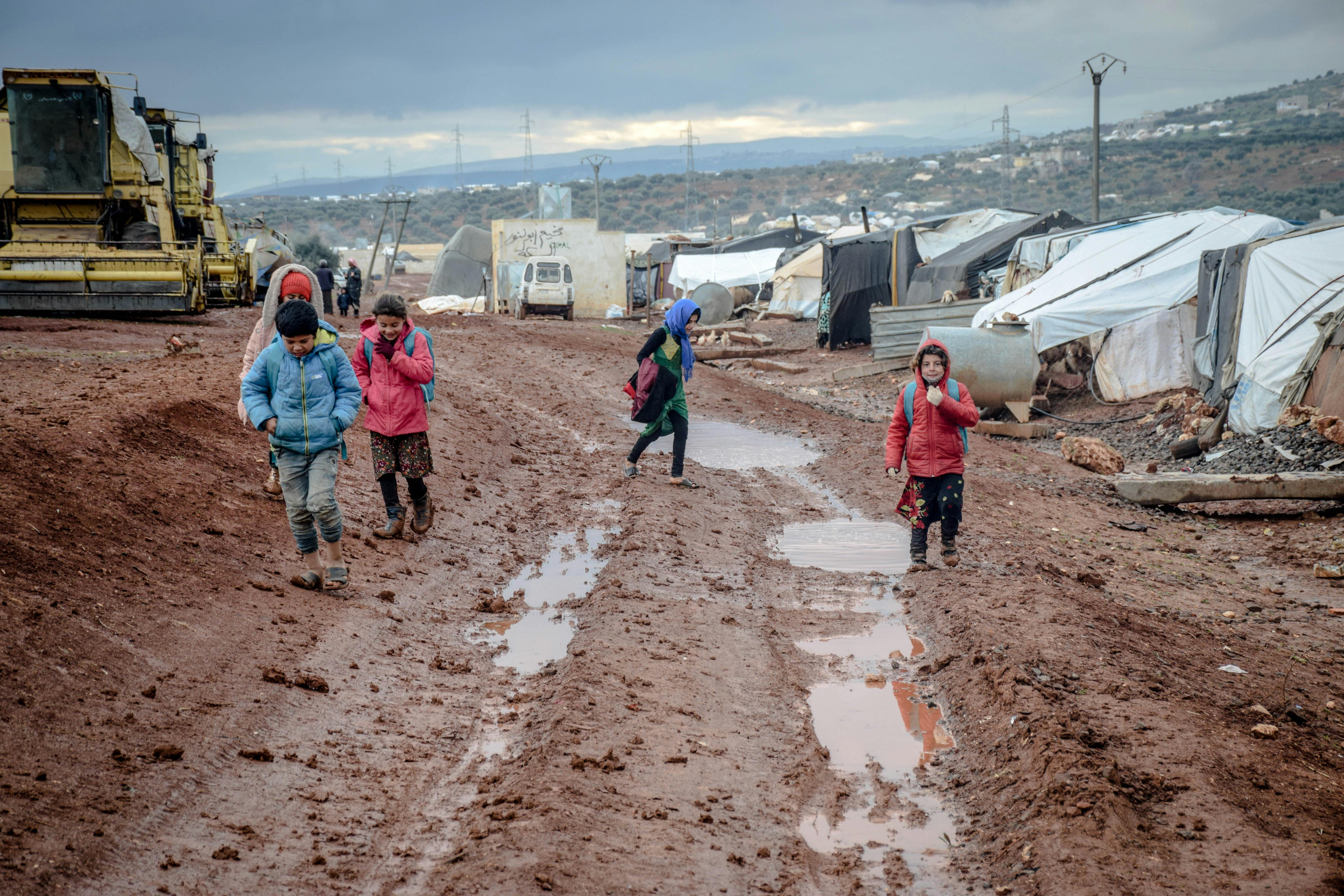
Image Credit: Akacha from Pexels


