



Image Credit: Barbara Burgess from Unsplash
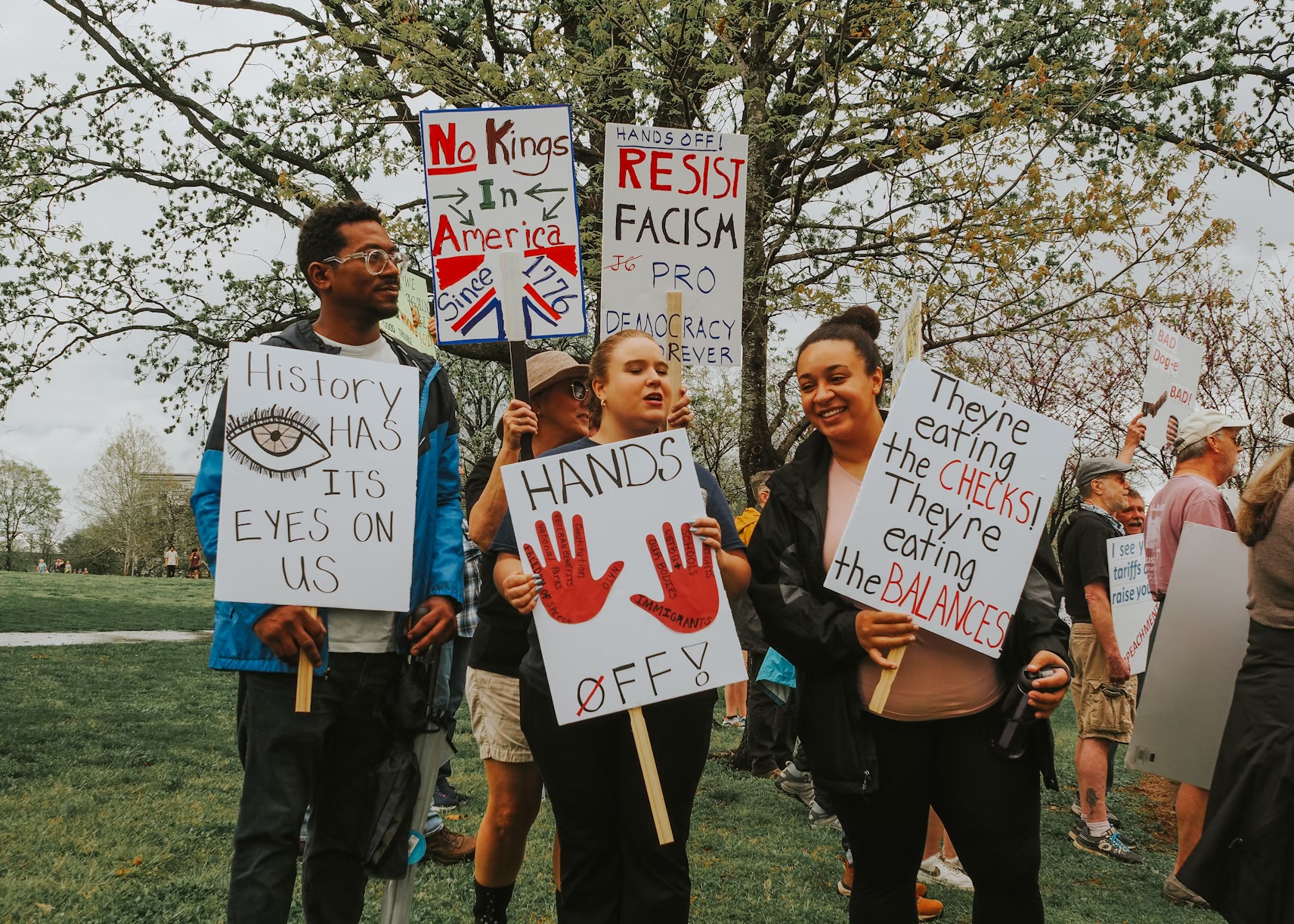
When Donald J. Trump was sworn into office on January 20th, the world already knew that this American president was going to turn heads. With his unusual handling of the COVID-19 pandemic, which included encouraging the injection of bleach as a vaccine, along with his unprecedented use of his supporters at the January 6th insurrection, Trump is famous for his unorthodoxy. Recently, his administration has gone after higher education and DEI programs supported by these institutions.
This has caused an outcry among Democrats and even some proponents of Trump. Although this attack has come as a shock to many people, the history of the Republican Party tells us it isn’t all that surprising. Even Trump’s actions can be seen as predicated despite the chaos that has ensued due to them. In this article, we will be looking at the history of the Republican Party and Trump’s rhetoric, what exactly DEI is, and the new administration policies' effects on colleges and their students.
Let us slide into your dms 🥰
Get notified of top trending articles like this one every week! (we won't spam you)The Republican Party: The Grand Old Party
Image Credit: Kelly Sikkema from Unsplash
Throughout the history of the Republican Party- from its founding on March 20th, 1854, as a radical anti-slavery party to the traditionalist party opposed to abortion- the GOP has remained a group that is ever changing in its meaning. One thing, however, remains consistent: the belief that the federal government shouldn’t interfere with state affairs, and federal government spending should be limited.
The idea that government shouldn’t get involved with states’ business is rooted in the fear of federal government corruption and overreach- henceforth the choice to make abortion policy up to the state in 2022. (U.S Embassy & Consulate in the Kingdom of Denmark, 2024)
The GOP tends to lean towards the blue-collar side of the American public because, in the past, they stood for lower taxes, which in theory would help the economy, and encouraged the rich to invest in their businesses. Furthermore, they supported the working class of America, the coal miners, and so forth. This is why the Republican Party does extremely well in more rural areas where people tend to be less educated and agriculture is front and center in their communities.
"I cherish our farmers.” President Donald Trump (Arcand, 2025)
This focus on the working-class American may be why the Republicans have begun to attack higher education, causing the divide between the educated and non-educated to become even wider. The idea that universities that get millions of dollars from their students are the enemy of the people is definitely the way the GOP’s been playing their campaign against private universities.


Take the Quiz: Which college best suits you?
Find out where you're spending your next 4 years!
DEI: Trump’s Favorite Scapegoat
Image Credit: Rineshkumar Ghirao from Unsplash
In recent months, DEI has gotten more of a spotlight due to the Republican Party's recent accusations that the sets of DEI policies allow people of color to get into universities and jobs based on race and not merit.
Originally, DEI (which stands for diversity, equity, and inclusion) was designed to help lower-income people with equal qualifications as their wealthier peers get into higher education. Specifically, people of color who, due to America’s history of racism, have struggled to compete with their more privileged white peers. (Lassel, 2024)
This has caused a great amount of frustration for the Republican Party, who view that these students are not qualified and are only getting into colleges based on their ethnicity. This is especially true for Trump, a white, cisgender, heterosexual man who was lucky enough to have a wealthy dad with a business empire. His statements regarding DEI include him calling the DEI policies “anti-white racism.”(Guynn, 2024) Of course, these comments are baseless due to the fact that the majority of college students are white. For example, Princeton, which advertises itself as a DEI promoter, still has a student body made up of 32.7% white students - the ethnic majority at the campus. (Data USA, 2023)
Trump Administration Cuts Research Funding
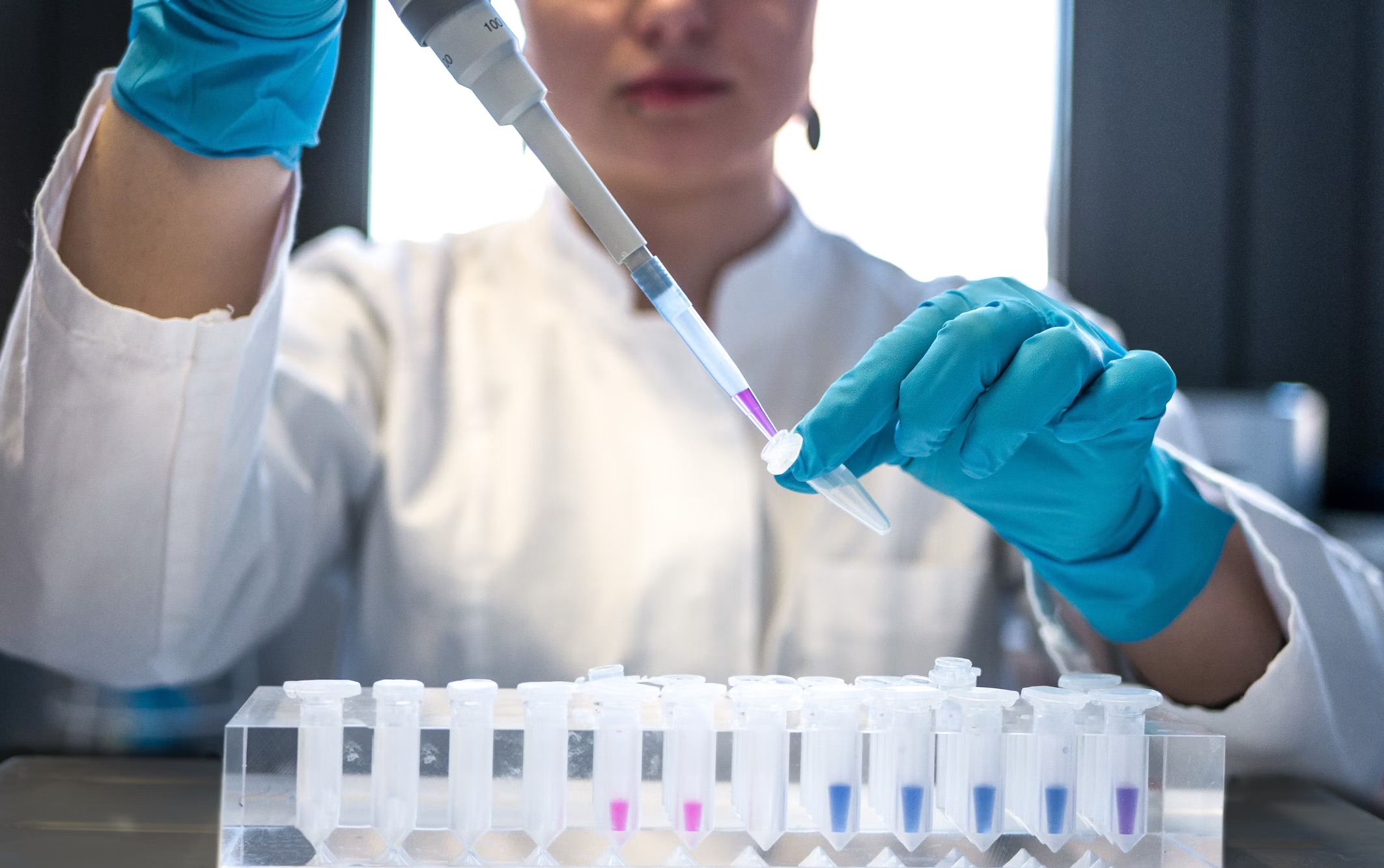
Image Credit: Julia Koblitz from Unsplash
Many colleges rely on the federal government for funding of groundbreaking research by applying for grants, but recently, many professors have found themselves struggling to get money for their labs and employees. This is because of the Trump administration's decision to punish colleges that have refused to remove DEI, slow the flow of international students, and limit student activism- by cutting funding.
While intended to hurt the universities, the majority of these cuts have harmed the students. This is because the labs at universities are extremely expensive and require hired technicians to run experiments. Many students pursuing master's and PhDs in STEM require their school's technology, and with all of these cuts, many are now stressed about what to do. Furthermore, these cuts have caused lower-income students requiring aid to lose out on very necessary assistance. (Nadworny, 2025)
Many of these funding cuts have been rather indiscriminate- not even targeting any specific field or industry. Studies ranging from genetic disease to AI have been cut, leaving professors stuck with half-completed research they’ve been working on for years, and students feeling let down. The loss of hands-on experience for students has been significant, as many times, college is the first time students learn how to do lab work.
Despite the pleas of university administrators and students, Trump continues to gut the Department of Education and spread misinformation about the nature of programs run by colleges. Although our president wishes to prevent “ideological overreach” and promote “intellectual diversity,” it seems he is doing neither. (The White House, 2025)
Student Protests and Crackdowns

Image Credit: حسن from Unsplash
Along with DEI, Trump’s administration has gone after colleges because of their support of student activists, especially those opposed to Israel’s retaliation against the Hamas attack in Gaza. Although the majority of these protests were peaceful, Trump seemed to feel that they were antisemitism and even threatening.
Curiously, it seems that Trump’s idea of a good plan for Gaza is to turn it into a resort for the wealthy, even posting an AI video advertising as much. He has not said what he would do with the Gazan people or why the country would be such a piece of prime real estate. Perhaps that is why he was so strongly opposed to student activists against Israel’s attacks on Gaza. He wants Gaza to be a resort!
"We know there are more students at Columbia and other Universities across the Country who have engaged in pro-terrorist, anti-Semitic, anti-American activity, and the Trump Administration will not tolerate it” - President Donald Trump on TruthSocial (Rose, 2025)
Now, there isn’t much evidence that any of these protests were violent or accusatory towards Jewish students- only Israel, and many Jewish students actually supported the protests. But despite the nature of the protests, Trump seems adamant that they will not be accepted by him. He even lobbied for legal action, citing hate speech against Jewish students, and argued that colleges should oppose their students’ activism. Therefore, when Harvard and others refused to limit their students' rights to free speech, Trump responded by cutting funding and bad-mouthing those institutions.
International Students' Dilemma

Image Credit: Alexandr Podvalny from Unsplash
Due to the onslaught against international students due to recent immigration policies, many bright young people have begun to look anywhere but the U.S for their higher education. Although most agree that Europe and the U.S are the most esteemed nations for pursuing academics, it seems less and less feasible. Trump's supporters have begun accusing these students of stealing American students' education. Whether or not these students are actually more qualified and capable doesn't seem to matter.
Those who’ve decided to choose the hostile U.S universities now fear the prospect of the administration revoking their green cards and visas for their participation in protests or simply being from an undesirable nation. A prime example would be Columbia’s Mahmoud Khalil, an activist opposing the war in Gaza. It was ruled that he could be deported despite opposition from other students, his pregnant wife (a U.S citizen), and family. Although the administration has argued it is to ensure that U.S “foreign policy” will not be harmed, the message is clear: vocal student immigrants are not welcome. (McCausland, 2025)
Conclusion

Image Credit: Vadim Sherbakov on Unsplash
In conclusion, no matter what side of the political spectrum you are on, there is a consensus that immigrants have begun to struggle to find a safe haven in the United States under this new administration. This includes higher education, where rebellious college administrators are punished with cuts to their research funding- ultimately hurting the American people in search of innovative solutions.
Although this buildup should be of no surprise to any of us, considering the Republican Party's conservative policies and Donald Trump's own belligerent attitude towards immigrants, undocumented or otherwise, it still is shocking. Truly, our president's insistence upon waging a war with institutions older than him is going to impact the U.S's reputation for years to come.


