





You’ve probably heard the words “The Fed raised rates again” on the news or seen people online talking about interest rates tanking the stock market. It might sound like adult jargon-but here's the thing: what the Federal Reserve (aka “The Fed”) does affects way more than just Wall Street billionaires. It shapes the economy, your future job prospects, your college loans, and even the prices of your favorite brands’ products.
So yeah, the Fed kind of runs the world-quietly.
Let us slide into your dms 🥰
Get notified of top trending articles like this one every week! (we won't spam you)Wait…Who Even Is the Fed?
The Federal Reserve is basically the U.S. government's bank boss. Its job is to keep the economy stable by making sure prices don't rise too fast (inflation) and that people have jobs.
One of its biggest tools? Interest rates. That's the cost of borrowing money for everything from a car loan to a massive Wall Street investment.

Take the Quiz: Religion, Schools, and Equality
Religion in Schools: Teaching Respect, Not Bias.
When the Fed Raises Rates
When the Fed raises interest rates, borrowing money becomes more expensive. Businesses slow down expansion, people spend less, and the economy cools off. That's also what the Fed usually does when inflation(prices going up too fast) becomes a problem.
On wall street, though? Higher rates make investors nervous. Stocks often drop because big companies' profits might shrink when borrowing gets pricey. Tech stocks (think Apple, Tesla, Meta) usually get hit the hardest, since their growth depends on cheap money to fund innovation.
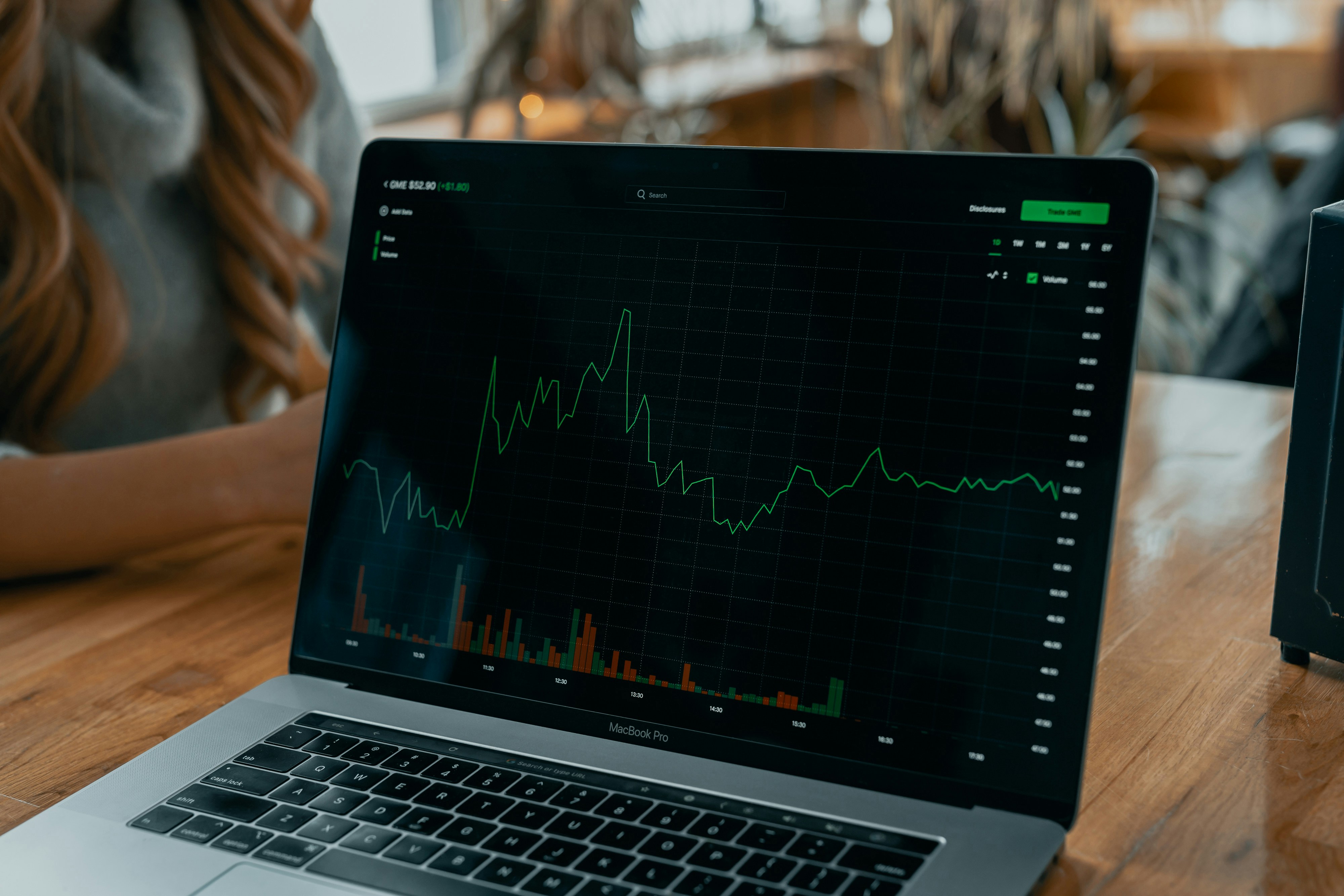
Photo by Tech Daily on Unsplash
When the Fed Cuts Rates
When the Fed lowers interest rates, it's like turning on the economy's “go” switch. Borrowing gets cheaper, people spend more, and businesses expand. That's when you'll see stock markets often rally because investors expect profits to rise.
But there is a balance. If the Fed cuts rates too much, it can lead to inflation(too much money chasing too few goods).
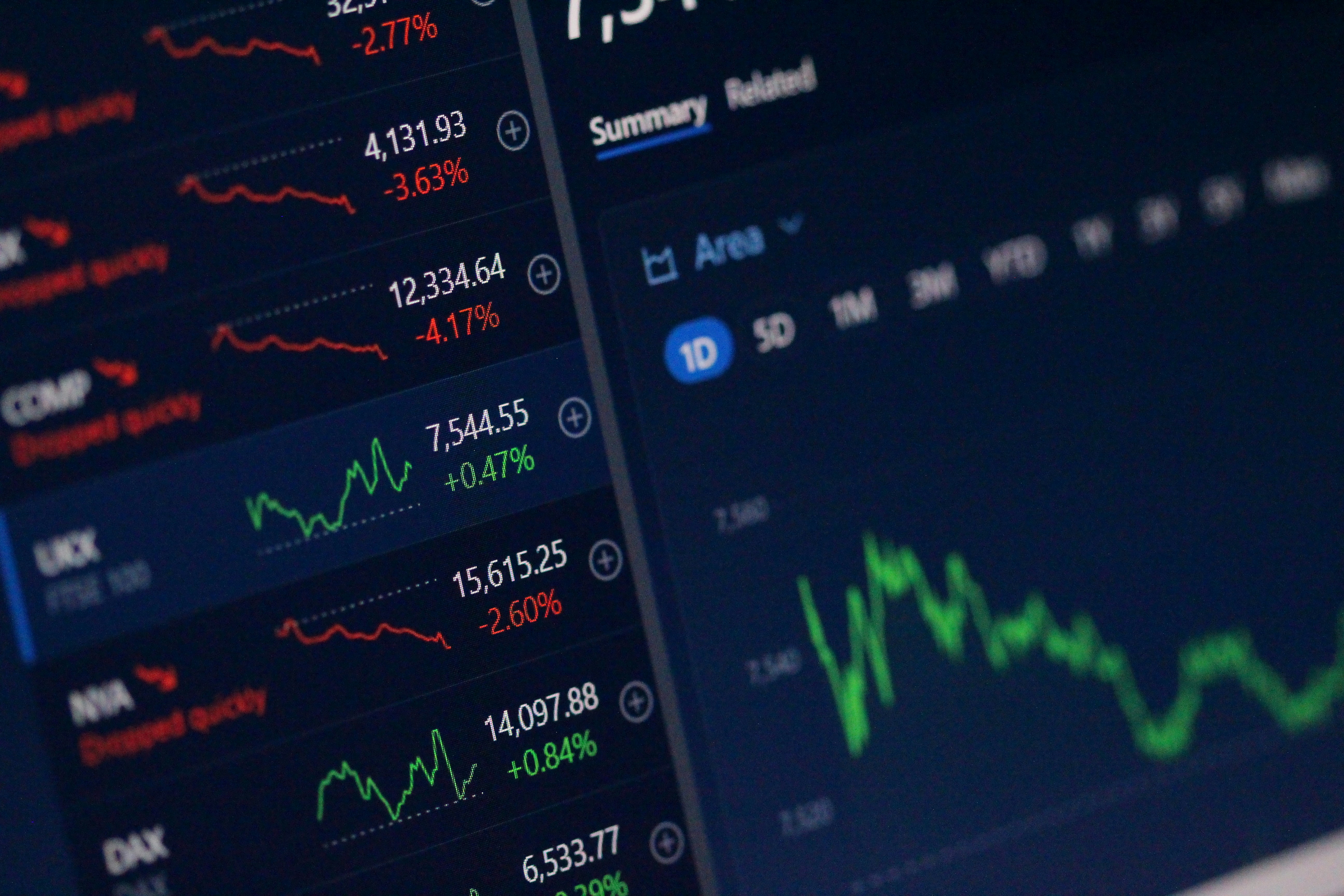
Photo by Anne Nygård on Unsplash
How this Actually Affects You
Even if you're not trading stocking on your phone or following CNBC, the Fed’s moves still hit your life:
- College loans: When rates rise, borrowing for school can get more expensive.
- Job market: High rates can make companies freeze hiring. Low rates? More jobs and internships.
- Savings: If you've got money in the bank, higher rates mean you actually earn more interest.
- Prices: Rate hikes can slow down inflation, meaning prices at stores may calm out a bit.
So when the Fed acts, it's not just some random adults in suits talking numbers. It's connected to your wallet, your future paycheck, and the economy you're about to enter.

Photo by Austin Distel on Unsplash
Wall Street’s Mood Swings
Here's the wild part:the entire stock market can swing based on just a few words from the Fed Chairs (that's the Fed’s leader). One cautious comment about “inflation risks”, and suddenly billions of dollars shift in minutes. Investors call this “reading between the lines”. It's like trying to figure out the tone in someone's text but for the entire U.S. economy.
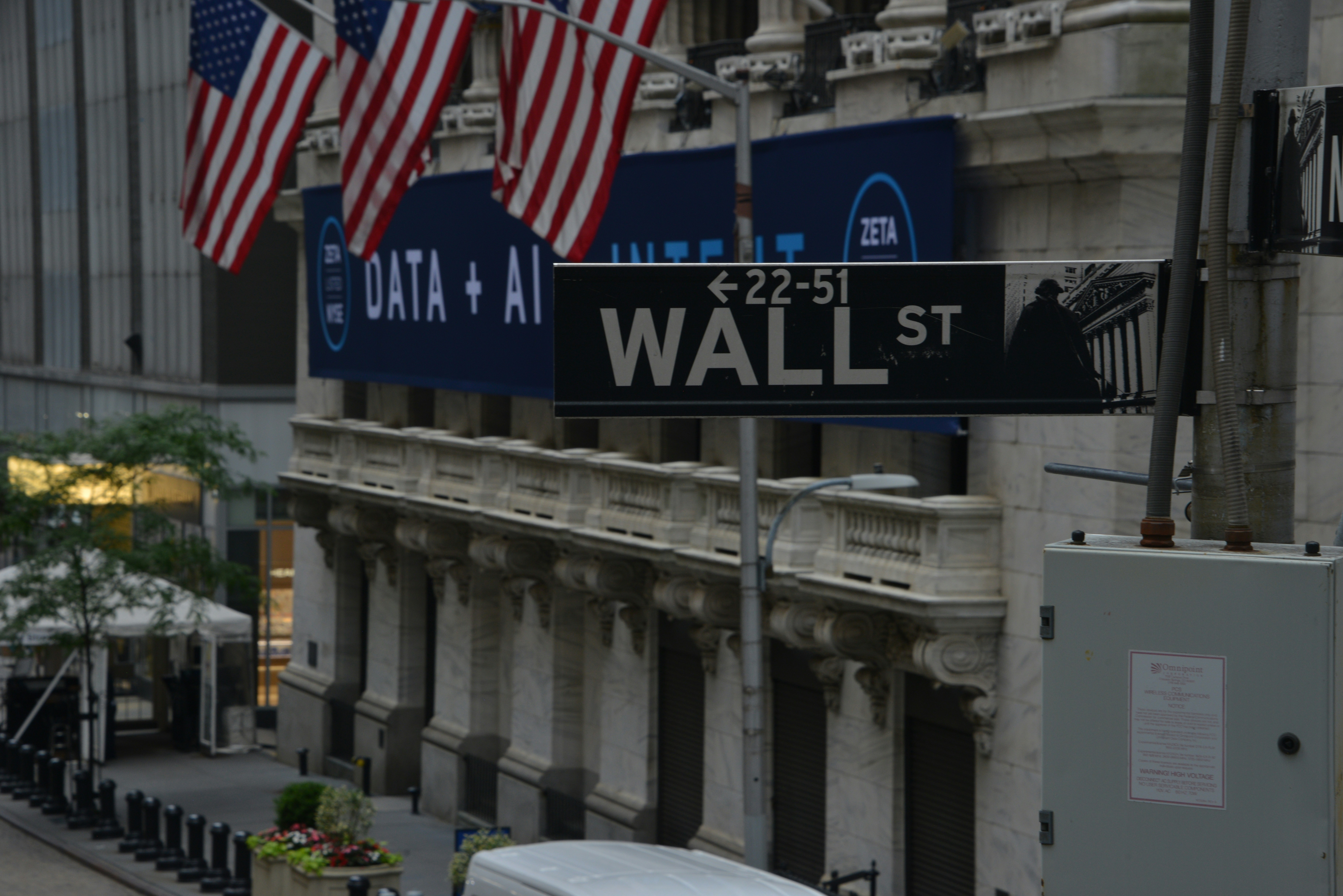
Photo by Robb Miller on Unsplash
Why It Matters More Than You Think
The Fed’s choices ripple everywhere from TikTok finance influencers talking about “rate cuts coming soon” to your favorite brand deciding whether to raise prices. Understating interest rates is not about becoming an economist. It is about knowing the forces shaping your future whether that's affording college, landing your dream job, or watching how your favorite companies perform.
So next time you hear “the Fed just made a big move”, don't tune out. That decision might be shaping the economy you'll soon be running.


.jpg)


