





A sudden promise of “free money” always makes headlines—especially when it comes from the White House.
Let us slide into your dms 🥰
Get notified of top trending articles like this one every week! (we won't spam you)The $600 Promise
This summer, President Trump and Senator Josh Hawley (R-Mo.) unveiled a plan to turn the record-breaking tariff revenue the government is collecting into $600 checks for every adult and child. Supporters call it a fair rebate; critics call it political theater that won’t survive Congress—or basic economics.
For high-school readers trying to sort hype from reality, here’s a clear look at how the proposal would work, why some lawmakers love it, and why the numbers (and the politics) may not add up.

Image Credit: U.S. Senate Photographic Studio from Wikimedia Commons


Take the Quiz: Religion, Schools, and Equality
Religion in Schools: Teaching Respect, Not Bias.
What Exactly Is on the Table?
Since January 2025, the administration’s “reciprocal tariffs” have raised import duties on dozens of countries, pushing monthly customs collections to more than $27 billion and driving fiscal-year receipts over $100 billion for the first time ever. Treasury Secretary Scott Bessent says that figure could triple to $300 billion by December if current rates stick.
Senator Hawley’s American Worker Rebate Act of 2025 would carve at least $600 out of that revenue for every adult and dependent child—meaning $2,400 for a family of four—with the credit phasing down once adjusted gross income passes $75,000 for single filers or $150,000 for joint filers. Because the payments are written as “refundable tax credits,” even households owing little or no federal income tax would be eligible.

Image Credit: Treasury Department from Wikimedia Commons
How Supporters Frame the Idea
Proponents make three main claims. First, they argue Americans should “share in the wealth” created by Trump’s tougher trade stance. In President Trump’s own words, the administration is “thinking about a little rebate” while still pledging to use most tariff dollars for debt reduction. Second, backers like Hawley cast the checks as targeted relief for working-class families who face the brunt of inflation. Third, they note that unlike the COVID-era stimulus, this money would come from an existing revenue stream, not additional borrowing—so it would supposedly be deficit-neutral.
The Economic Catch
Here’s where the math gets tricky. Tariffs function like a tax on imports. Multiple studies—including the administration’s own trade‐impact reviews—show that U.S. buyers, not foreign exporters, pay most of that tax through higher retail prices. In other words, the government would be mailing Americans money it first collected from them at the checkout line. The non-partisan Tax Foundation argues that consumers would be better off if lawmakers repealed the tariffs outright rather than rebating the revenue, because tariffs push prices up in the first place
There’s also the inflation question. Rebate checks deliver cash directly into a still-hot economy, while tariffs themselves already push prices upward. Combined, the two forces risk negating each other—or worse, fueling the very cost increases families are supposed to recover.
The Political Reality Check
Even inside the GOP, enthusiasm is mixed. Senate Republicans on the Finance Committee have signaled they would rather apply tariff windfalls to deficit reduction than new spending, warning that the rebate has no clear path without bipartisan buy-in. Fiscal conservatives argue that once Congress normalizes new direct payments, future lawmakers might dip into tariff funds—or fresh borrowing—for bigger handouts.
Meanwhile, trade-friendly Republicans and nearly all Democrats worry that escalating tariffs are already straining relations with allies. The Washington Post reports that average U.S. import duties will jump to 18.3 percent when a new wave of tariffs hits on August 7, with certain countries such as Canada facing rates above 35 percent. If partners retaliate, American exporters—from farmers to tech firms—could take the hit.

Image Credit: Chuttersnap from Unsplash
What It Means for Young People
Gen Z occupies a unique spot in this debate. Most high-schoolers don’t pay income tax yet, but they do buy everything from phones to shoes—goods most exposed to tariff markups. A $600 rebate sounds generous until you tally the extra dollars your family might already be paying at the store each month. Reuters estimates that the average household could see annual costs rise by about $2,700 if current tariff levels persist.
There’s also a civic lesson here: big-sticker political promises often face hurdles you won’t see on social media. A bill has to move through committees, get scored by the Congressional Budget Office, survive floor votes in both chambers, and avoid a Senate filibuster. None of that has happened yet for the American Worker Rebate Act.
Where the Proposal Stands Now
As of now, the Hawley bill is filed but has no scheduled mark-up. The Senate majority leader has not committed to bringing it to the floor, and key House Republicans say they are “reviewing options.” Translation: your mailbox will stay empty for a while. Even if Congress embraced the plan tomorrow, the IRS would still need months to set up payment systems—a process that took eleven weeks the last time stimulus checks went out.
The Bigger Picture: Policy or Populism?
Taken together, the rebate plan looks less like a targeted economic tool and more like a political message: “Tariffs are working, and we’re giving back.” By offsetting only a fraction of tariff costs, the government maintains a tough-on-trade narrative while softening public backlash. But short-term optics can obscure long-term tradeoffs—higher consumer prices, tense alliances, and a precedent for turning tariff revenue into campaign-season giveaways.
Before You Count the Cash, Count the Costs
A $600 check is easy to picture; the chain of cause and effect behind it is harder to see. Tariffs raise government revenue precisely because they raise prices. Rebating a slice of that money feels more like shifting dollars than creating value.
Until Congress overcomes deep divides—about trade strategy, inflation, and fiscal responsibility—the “Trump Tariff Rebate” remains an idea, not a deposit in your bank account. For Gen Z voters and future voters, the smarter move may be watching how leaders address the root issue: whether tariffs themselves help or hurt American families in the first place.
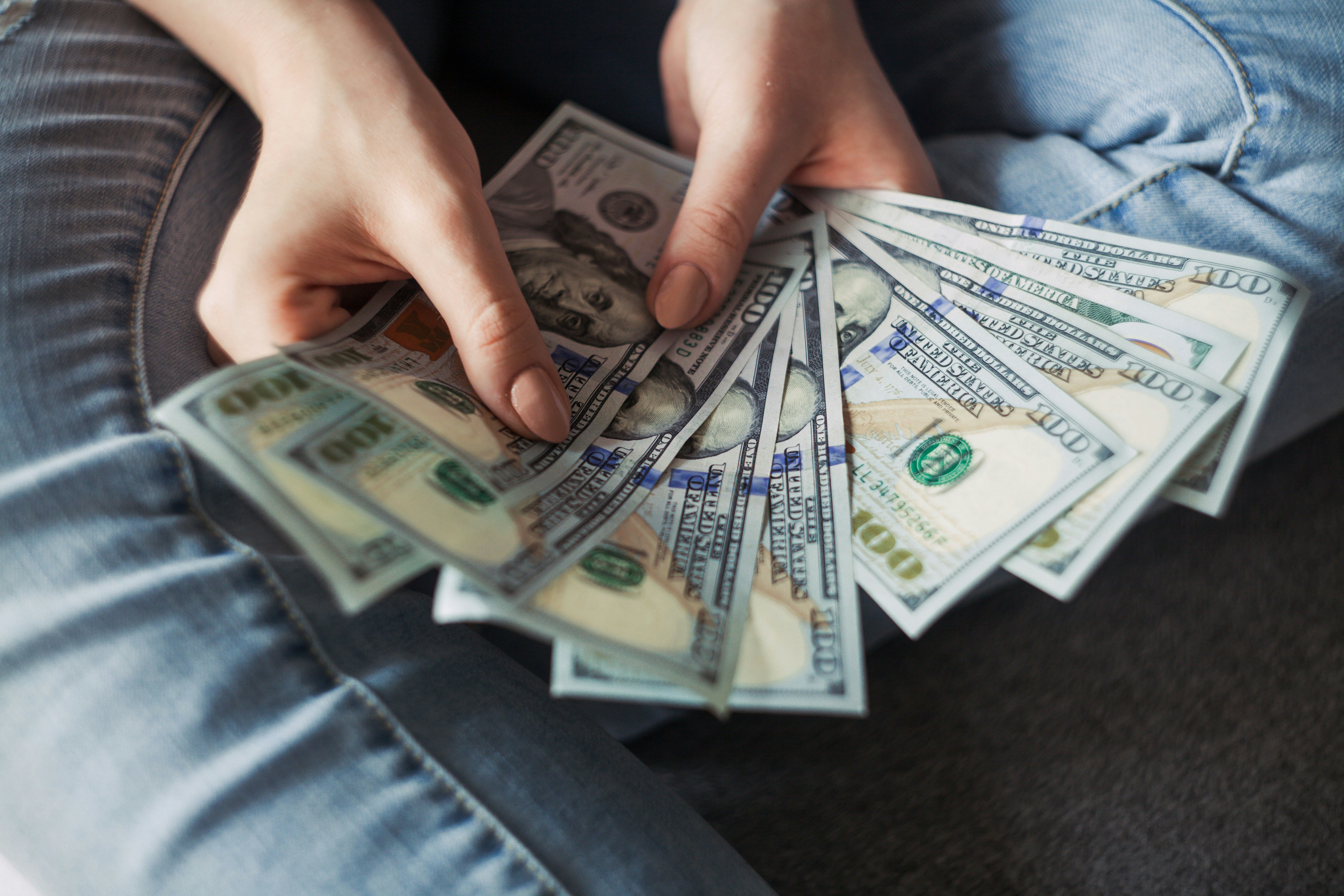
Image Credit: Alexander Mils from Unsplash


.jpg)
