





“It’s just about stocks and rich people”, or “It’s just boring Excel and 100-hour weeks”, is something I often hear teenagers say when they hear the word Investment Banking. The world of finance is often portrayed as bleak, boring and ultimately referred to as the “Rat Race” by Gen-Z these days.
But what they don't know is that investment banking is and has always been essential to building the world they live in. For example, back in 2012, when Instagram had just 13 employees and no revenue, Facebook paid $1 billion to buy the app, a move that helped shape the future of social media. Believe it or not, behind the deal were investment bankers: financial professionals who work with companies, governments and other large institutions to help them achieve their financial goals.
These individuals have played critical roles in the creation and growth of companies behind your favorite apps, sneaker brands, music labels, and even movie studios.
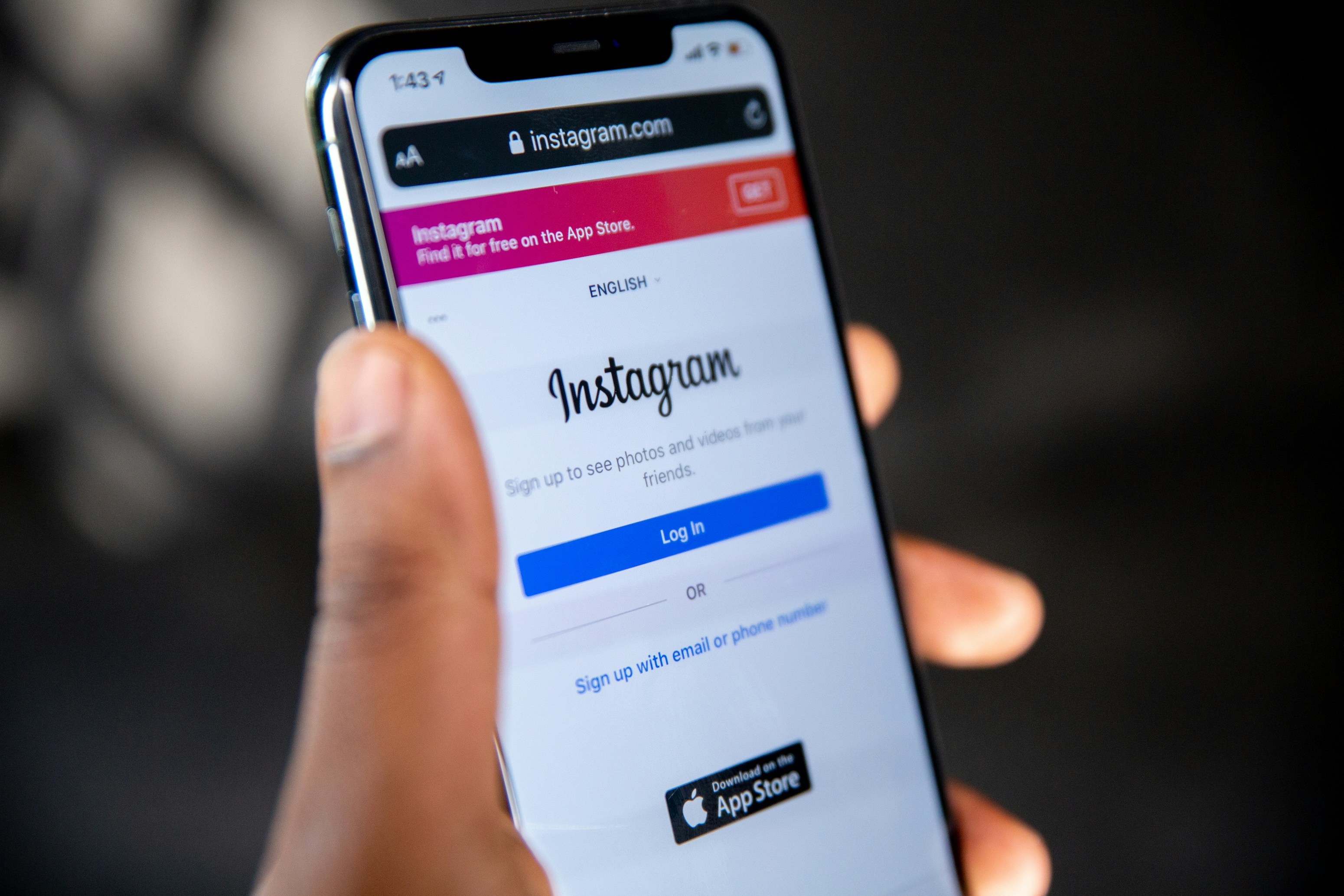
Image Credit: Solen Feyissa from Unsplash
Before you tune out and assume you need to be a math prodigy or come from a finance family to understand this world or even become a part of it someday, let me break it down to you in a way that will completely change your mind.
Let us slide into your dms 🥰
Get notified of top trending articles like this one every week! (we won't spam you)What Investment Banking Actually Is:
- The Deal-Makers Behind Big Business Moves
They help companies buy each other, merge or sell themselves, just like when Facebook bought Instagram.
- Business Fundraisers(but for companies not schools)
They help companies raise huge amounts of money by selling parts of their company(stocks) to investors.
- Business Valuation Experts
They figure out how much a company is worth, whether it's a sneaker brand, a tech app or a music label.
- Behind-the-Scenes Power Players
You don't see them, but they're making billion-dollar deals that shape the brands, apps, and services you use daily.
- Financial Strategists For Companies
They give advice on money moves: when to sell, what to buy, how to grow, kind of like a business coach with a calculator.
- IPO Coaches
They help companies sell shares(pieces of ownership) to the public for the first time by listing them on a stock exchange(like Snapchat or Chipotle did).
- M&A Pros(Mergers & Acquisitions)
Fancy term, but basically they help companies team up or take over others, in ways that make strategic and financial sense.
- Money Connectors
They connect companies with big investors(banks, hedge funds, private equity) who want to put their money to work.
Now, let's dive into some real-life examples of investment bankers being in action and why this matters to you.

Image Credit: Scott Graham from Unsplash


Take the Quiz: Religion, Schools, and Equality
Religion in Schools: Teaching Respect, Not Bias.
Nike buys Converse- $305 Million (2003)
What happened:
By the early 2000s, converse was fading fast. The company had filed for bankruptcy in 2001, and its once-iconic Chuck Taylor sneakers were losing cultural relevance. Nike, which saw potential in the brand's history and streetwear appeal, bought Converse for $305 million in 2003.
IB’s role:
Investment bankers helped Nike analyze Converse’s brand value, global sales potential and existing debts, especially after bankruptcy. They reviewed Converse's financials and risks to make sure Nike wasn't buying a sinking ship, and then they helped Nike design a deal, minimizing financial risk while keeping the door open for massive upside.
Why teens care:
That vintage pair of Chucks you see everywhere? They might not exist if investment bankers hadn't stepped in to help Nike rescue and revamp the brand. Converse is now a fashion staple again, seen in high school halls, music videos and TikTok trends-not because of luck, but because a team of strategists believed in the brand, crunched the numbers, and made the comeback financially possible.

Image Credit: AIRIZ from Unsplash
Snapchat goes public(IPO)-$24 Billion Valuation(2017)
What happened:
Snapchat launched in 2011 as a disappearing photo app. By 2017, it was ready to go public, meaning it wanted to sell shares on the stock market and raise serious cash to compete with Instagram and Facebook.
IB’s role:
Bankers helped Snap set the right initial share price to raise billions while balancing investor confidence. They ran meetings with big investors to explain why Snap was worth betting on. Bankers also helped file financial statements, disclosures, and guided the company through SEC approval.
Why teens care:
That money from the IPO funded things like: new filters and AR lenses, bitmoji integrations, snap originals(shows like “endless summer”), and improved chat/video features.

Image Credit: Alexander Shatov from Unsplash
Chipotle's spin-off from McDonald's + IPO(2006)
What happened:
Chipotle started as a small burrito chain in Colorado. McDonald’s invested early and helped it grow, but by 2006, Chipotle wanted to go solo and become a public company. That meant separating from McDonald’s and launching an IPO, which raised over $173 million.
IB’s role:
Bankers helped structure the separation from McDonald’s without hurting Chipotle's brand or financial position. They advised Chipotle on how to pitch itself to investors, emphasizing its “food with integrity" mission. The IPO was led by top bankers, who helped price shares at $22 (they nearly doubled on the first day).
Why teens care:
Thanks to the IPO…
Chipotle expanded across the U.S., making it a go-to lunch spot for students.
It became one of the first fast-casual chains to promote sustainable and customizable food.
Without investment bankers, Chipotle might have stayed a local chain, not the national, meme-worthy, mobile-ordered burrito empire teens know today.

Image Credit: Brett Jordan from Unsplash
Conclusion:
So the next time you hear the word Investment Bankers, don't just assume they’re a group of people with boring, predictable and unimpactful lives. Because they might be the reason your favorite apps, shoes and foods are still present in your life the way they've always been.


.jpg)

