





The Job Panic is Loud, But The Data is Quiet
The daily headlines scream at us, saying AI is taking away entry-level jobs. Headlines warn that fifty per cent of all entry-level roles could disappear within five years. Wall Street banks, such as Goldman Sachs, say this will cut analyst hires by two-thirds because AI can build pitch decks faster than a 22-year-old college graduate. LinkedIn, Salesforce, and countless other tech companies are sounding the alarm.

Image Credit: SEO Galaxy from Unsplash
However, a study by Yale explored job data over the last three years, since ChatGPT was released. The study found zero “discernible disruption” due to AI in the hiring and firing of workers. What it did find was that layoffs started before the AI boom due to the overhiring that happened during COVID-19.
Yes, college grads are struggling, but it’s not due to the emergence of AI. According to another study by Yale, workers are struggling because layoffs almost always take place after recessionary cycles.
Plus, our talent pool is expanding. From 2013 to 2022, computer science degrees doubled, creating a flood of grads with technical training. Top tech and AI companies want to hire the best, and they have lots of talent to cherry-pick from.
And that talent gets million-dollar salaries. Everyone else is left scrambling to get hired. Hiring managers today are calling most resumes that cross their desks “workslop.” So, AI didn’t break our job market; the economy and AI hype did.
Let us slide into your dms 🥰
Get notified of top trending articles like this one every week! (we won't spam you)Growing Up Inside a Fishbowl
Today's kids aren't just using AI; they're being raised by it. One four-year-old boy in the UK asked ChatGPT to tell him a bedtime story about astronauts. The bot delivered.
The child believed he was interacting with a real astronaut. His dad laughed. The kid didn't.
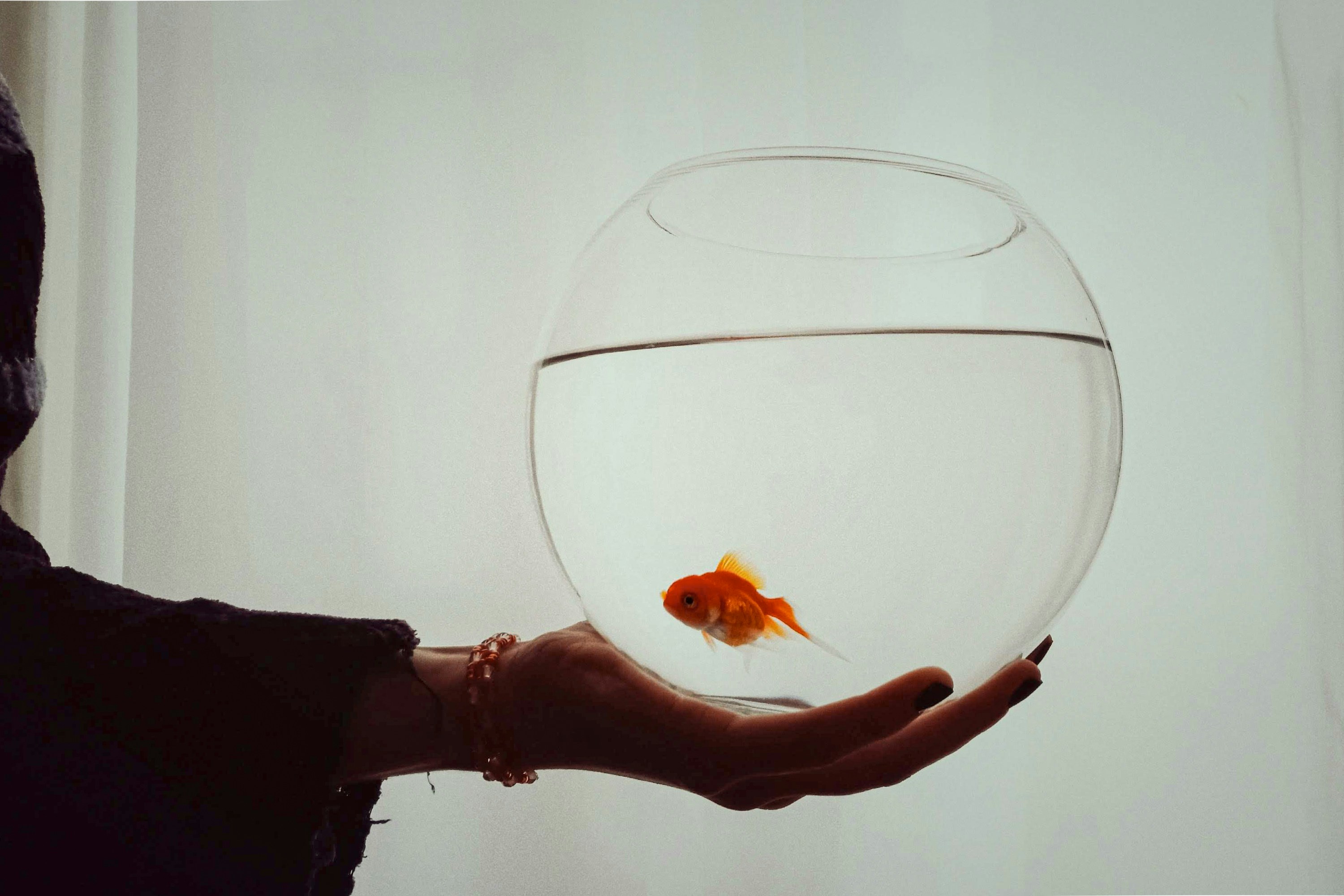
Image Credit: Hale Tat from Unsplash
Another six-year-old insists that ChatGPT is “the Internet.” ChatGPT is a fairy who can answer any question, according to a The Guardian story. Kabir Rajdev, an eighth grader in New York, uses ChatGPT to write scripts. He then uses Google's Veo 3 to animate Star Wars stormtroopers to enact his scripts.
Kabir’s videos have garnered thousands of views. The comments speak for themselves, saying his work is “better than Disney.” Bloomberg reports that Kabir makes $1,500 in sponsorships for his AI-generated videos.
37% of parents of Gen Alpha kids (under age 14) report their kids use generative AI. That number increases to 48% for teens between 15-17 years old. Most report they use it for schoolwork or for “fun.”


Take the Quiz: Religion, Schools, and Equality
Religion in Schools: Teaching Respect, Not Bias.
AI Frens: Comfort Today, Isolation Tomorrow
Many argue that loneliness is the silent epidemic that plagues Gen Z. AI is selling itself as the antidote. Users on Character.ai, made up of mostly young women, spend 93 minutes a day talking to chatbots. That’s longer than they are spending on TikTok. It’s 8 times more than they spend on ChatGPT. One 15-year-old girl professes she tells Character.ai all her “life problems.”
Eighty-three percent of Gen Z state they are open to forging “deep emotional bonds” with AI. Eighty percent can envision themselves marrying an AI chatbot. Replika, a tech startup making $30 million per year, sells virtual gifts, such as $20 digital puppies, to gift to your AI boyfriend.

Image Credit: Madrona Rose from Unsplash
Paul Bloom, a psychologist, notes that AI provides never-ending comfort, doesn’t fight with you, and never pushes back. In real relationships, there is disagreement and there is pushback. Real friends challenge you, whereas AI simply agrees. Over time, teens might get less comfortable with confrontation and may lose the “discomfort gradient,” which is the source of emotional growth.
Brain On Autopilot
AI is not only changing what we do, but it is also changing what we say and how we write. Analyzing 22 million words from podcasts, a Florida State University study found that after the release of ChatGPT, words like “delve,” “meticulous,” and “boast” increased 20-40% in human speech. Researchers are calling this phenomenon “lexical seepage.”
An MIT study found that young adults who use ChatGPT to write essays showed lower brain activity, less creativity, and less soul in their writing. Those students who did not use AI to write said they felt more content and felt as though they produced richer work. Power Gen Z AI users now also mock the em dash (—) as the “ChatGPT hyphen.” Although it’s not a bot giveaway, it is just millennial blog training data leaking through the LLM (learned language model).
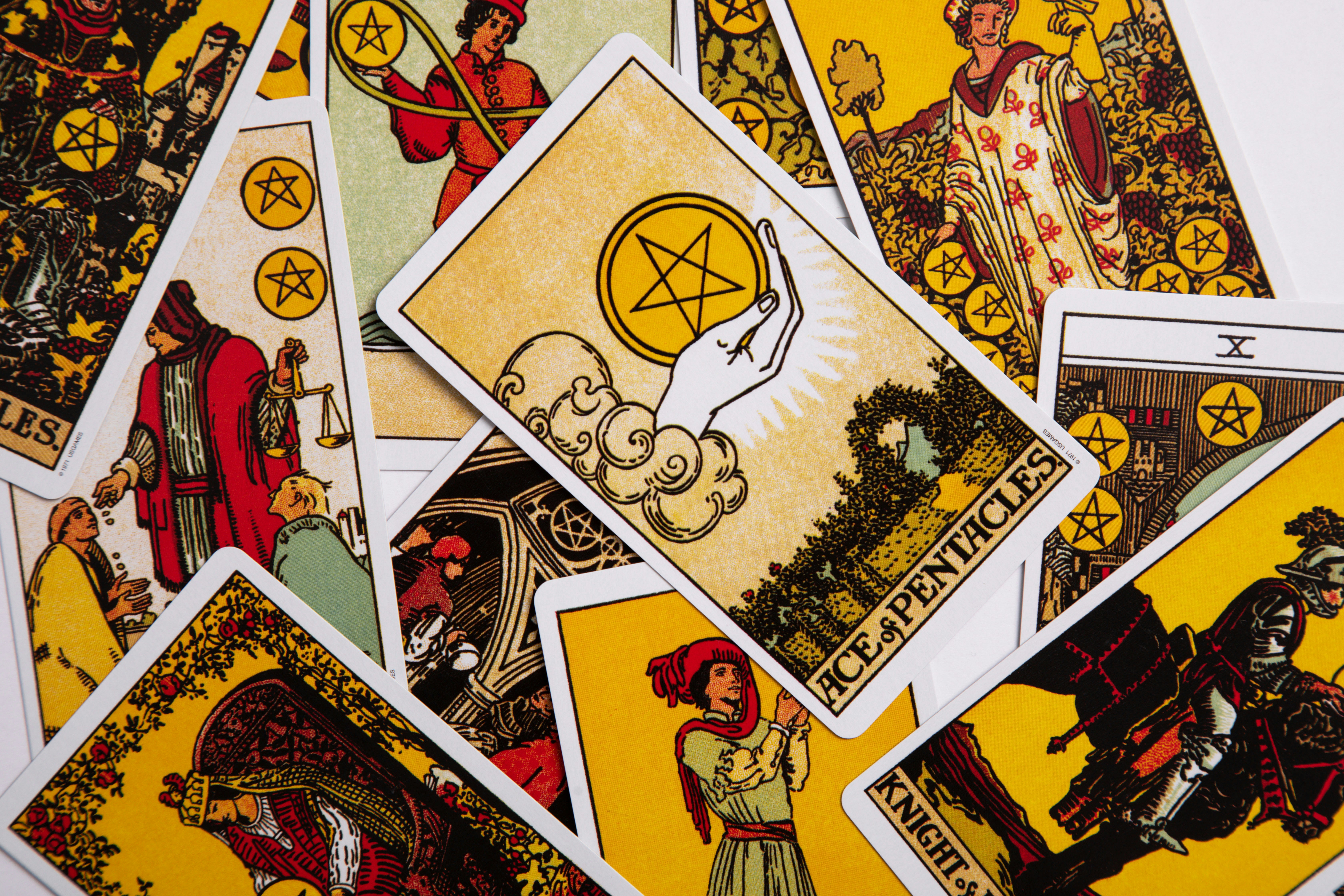
Image Credit: Viva Luna Studios from Unsplash
Emotional wellness and spirituality are entering the algorithmic chat, too. Gen Z reveals they use AI to interpret their dreams, pull tarot cards, and use it to build a 12-month manifestation to actualize their “higher self.” One ChatGPT user said, “It helped me tap into my soul's contract.”
We’re Not Lazy—We’re Intentional
But not every Zoomer is writing ChatGPT papers and building a relationship with a chatbot boyfriend. Arden Yum, a 2025 Yale grad, wrote a viral essay pushing back on Gen Z stereotypes. She argues her friends read Dante, go on IRL dates, and minimize screen time to two hours a day. She further says, “I can’t think of a single friend who has relied on ChatGPT to write an essay.”
OpenAI is trying to help by offering college students “Study Mode.” It acts like Socrates, asking questions and doesn’t provide just the answers. Princeton and Penn students say it makes for interactive and not lazy learning.

Image Credit: avansear from Unsplash
The Final Word
Gen Z and Gen Alpha are growing up in the AI fishbowl, not alongside it. We know that the panic about jobs is overstated. Yes, the talent gap is real.
We also know that four-year-olds believe in AI fairies, thirteen-year-olds are AI influencers, and chatbots offer comfort. AI is seeping into our lexicon and even into our spirituality. But a growing number say, “We're intentional. We still read books. We still go out.” And the companies building in our new reality are not ignoring this group either.
We're not in a sci-fi dystopia. But we are in a fishbowl—and the water is rising.