





In many ways, the tech we see in futuristic and dystopian sci-fi novels and films is already here. We have self-driving cars, athletic robots and AI capable of problem-solving and conversing. While there are many advantages to AI, many are already worrying about how it may negatively impact society.
Computer science students are already losing job opportunities to AI, leaving people concerned about which career will be replaced next. ChatGPT might make your life easier at school, but what will you do if it takes over your dream job?
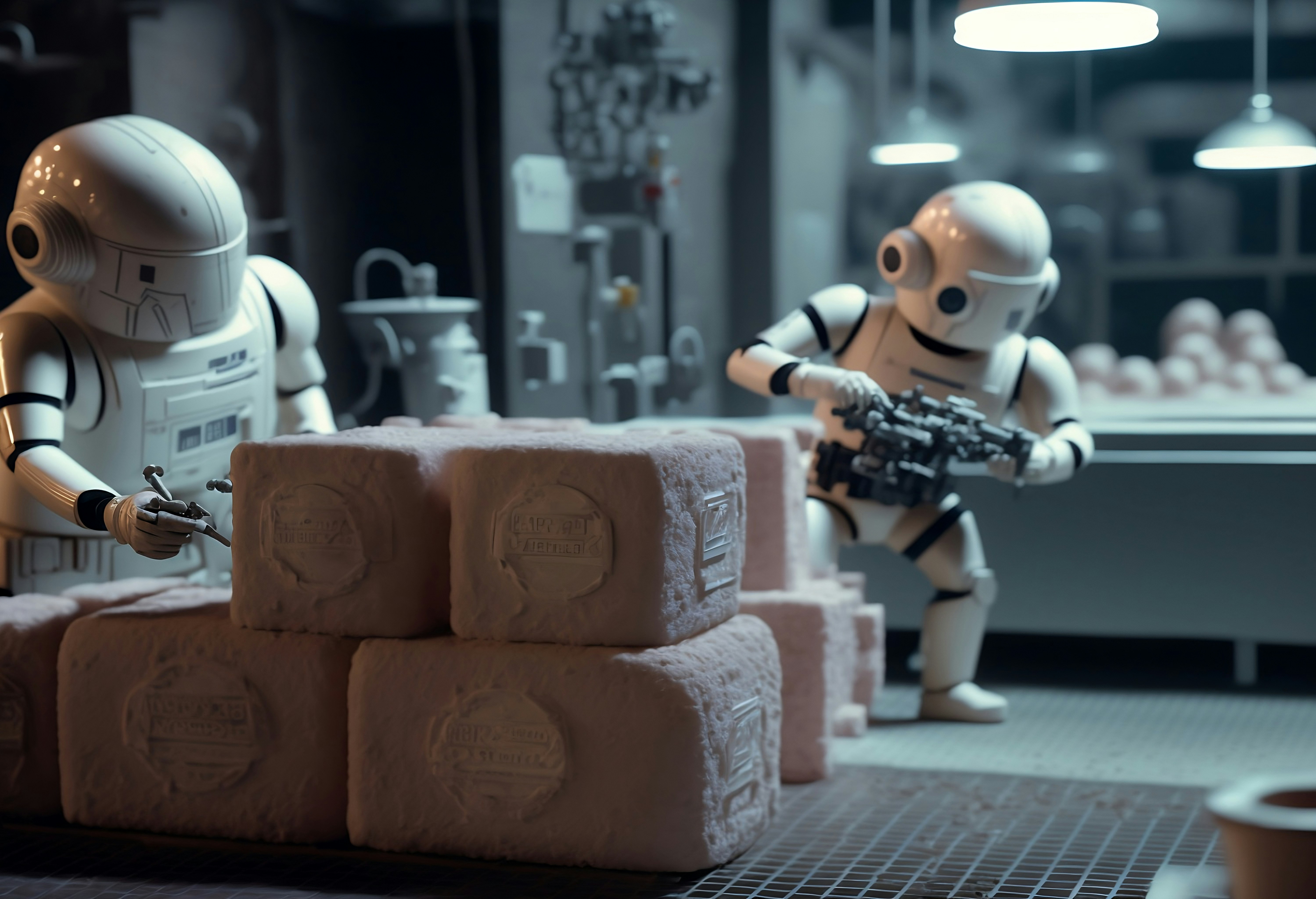
Image Credit: Gerard Siderius from Unsplash
Let us slide into your dms 🥰
Get notified of top trending articles like this one every week! (we won't spam you)How is AI Currently Affecting the Job Market?
Ironically, the job that seems it would be the last to be taken over by AI is one of the first to be replaced: coding. For high-level coding experts, AI is making their jobs easier, quickly completing administrative tasks that don't require as much thinking. Many believe AI tools aren't replacing jobs, but are just changing them—for the better—by making the work process more productive and efficient. At the same time, entry-level roles at companies like Meta, Microsoft and Amazon are rapidly vanishing, making it difficult for computer science students to find work. According to a New York Times article, computer engineering and computer science majors face unemployment rates of 7.5% and 6.1% respectively, compared to a 5.3% unemployment rate for graduates in general.
Coders aren't the only ones who may lose their jobs to AI in the near future. Other administrative jobs are also vulnerable, as they are relatively easy to automate with AI tools. According to a Forbes article, this includes jobs such as bookkeeping, financial modelling and legal research. Surprisingly, more creative jobs like graphic design, copywriting and basic journalism may also be replaced by tools like ChatGPT that can produce content. Advertising jobs are at risk, but for now, at least, jobs that require a high amount of creativity are less likely to be automated. According to the same article, AI may transform or automate around 60% of jobs by 2040.
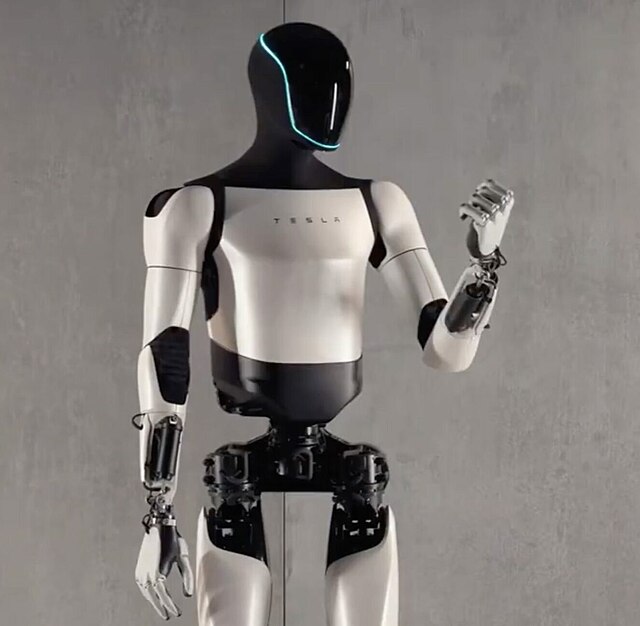
Image Credit: Tesla on Wikimedia Commons


Take the Quiz: Religion, Schools, and Equality
Religion in Schools: Teaching Respect, Not Bias.
What Will the Distant Future Look Like?
AI likely has the potential to perform any job. Doctors are already using AI to make their jobs easier, and it seems as though AI has the capability to replace healthcare professionals. China has launched a fully AI-powered hospital, with AI doctors and nurses. Although it isn't used by the public yet, it simulates medical scenarios and will likely revolutionize medicine. The AI staff practice diagnosing and treating patients, prescribing medicine and working with other departments in the hospital. As we've seen with ChatGPT, AI learns and adapts quickly, so these AI hospitals may soon become part of our society. With medicine being many people's dream career, this is simultaneously a fascinating and efficient yet worrying prospect.
What about creative jobs? We've already seen that AI is capable of creating videos, art and fiction. We've seen how scarily similar AI-generated voices and images have become to real life.
A couple of months ago, if you saw an AI image online, you would easily have been able to tell. Now? Not so much. It's likely companies will soon be able to automate content creation in terms of advertising jobs. People are already using AI to generate art and writing. Companies like Amazon are having to limit the number of books people can self-publish to three a day, after being overwhelmed with content suspected to be made using AI. This also raises ethical questions concerning the authenticity of content created with the assistance of AI. On the other hand, AI can be a very useful tool for those working in creative industries. It can offer valuable feedback to writers and artists in terms of how to improve their work so it can have its intended impact on their audience.
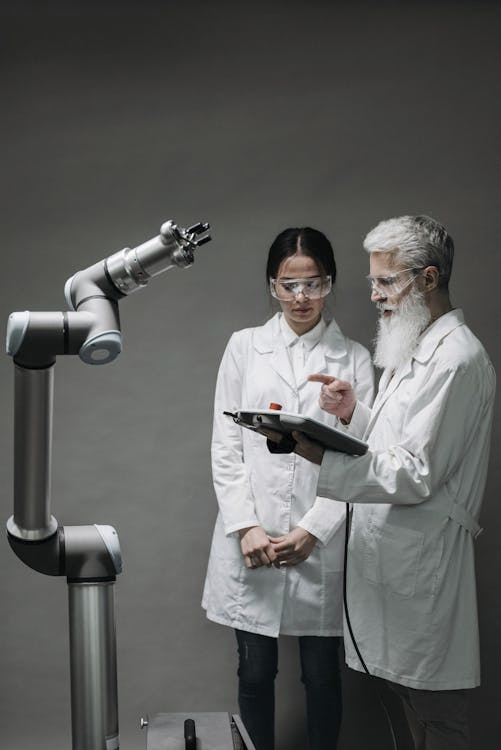
Image Credit: Pavel Danilyuk on Pexels
Conclusion
We can't ignore the prospect that AI has the potential to replace human jobs. From entry-level coding jobs to legal research, administrative tasks that can be easily automated will probably be replaced first. However, we can't predict the future.
Governments may place restrictions on the use of AI to prevent unemployment and economic issues. The use of AI is not necessarily a bad thing either—it can eliminate mundane and repetitive tasks, so people can spend more time doing what they truly enjoy!


.jpg)