






Artificial Intelligence is a rapidly growing phenomena, easily accessible on our devices and quickly making headway to further technological advances, yet it’s a complicated and potentially dangerous tool. AI is undeniably growing, and though there is a potential for benefits, it also has the capacity to severely harm us as a society. Whether or not you support its existence, it’s impossible to stop, but we can become cognizant and strategic about how we utilize it.
As a result of sci-fi movies and conspiracy theorists, we typically regard the fears around AI as relating to it becoming self-aware and leading a robot army to enslave humankind. However, there are far more present, and often overlooked, mundane concerns regarding AI's growth.
Whether or not the development and integration of AI into our everyday lives will lead to a futuristic apocalypse is for you to decide, but we can’t ignore the problems it presents us with today. AI will undoubtedly have a long-term and substantial impact on society and the way that humans interact with and rely on technology. So, how can we bridge this gap without losing ourselves in the process? Let's talk about it and examine the pros and cons so we can better understand the tools we carry in our pockets and operate from a lens of empowerment.
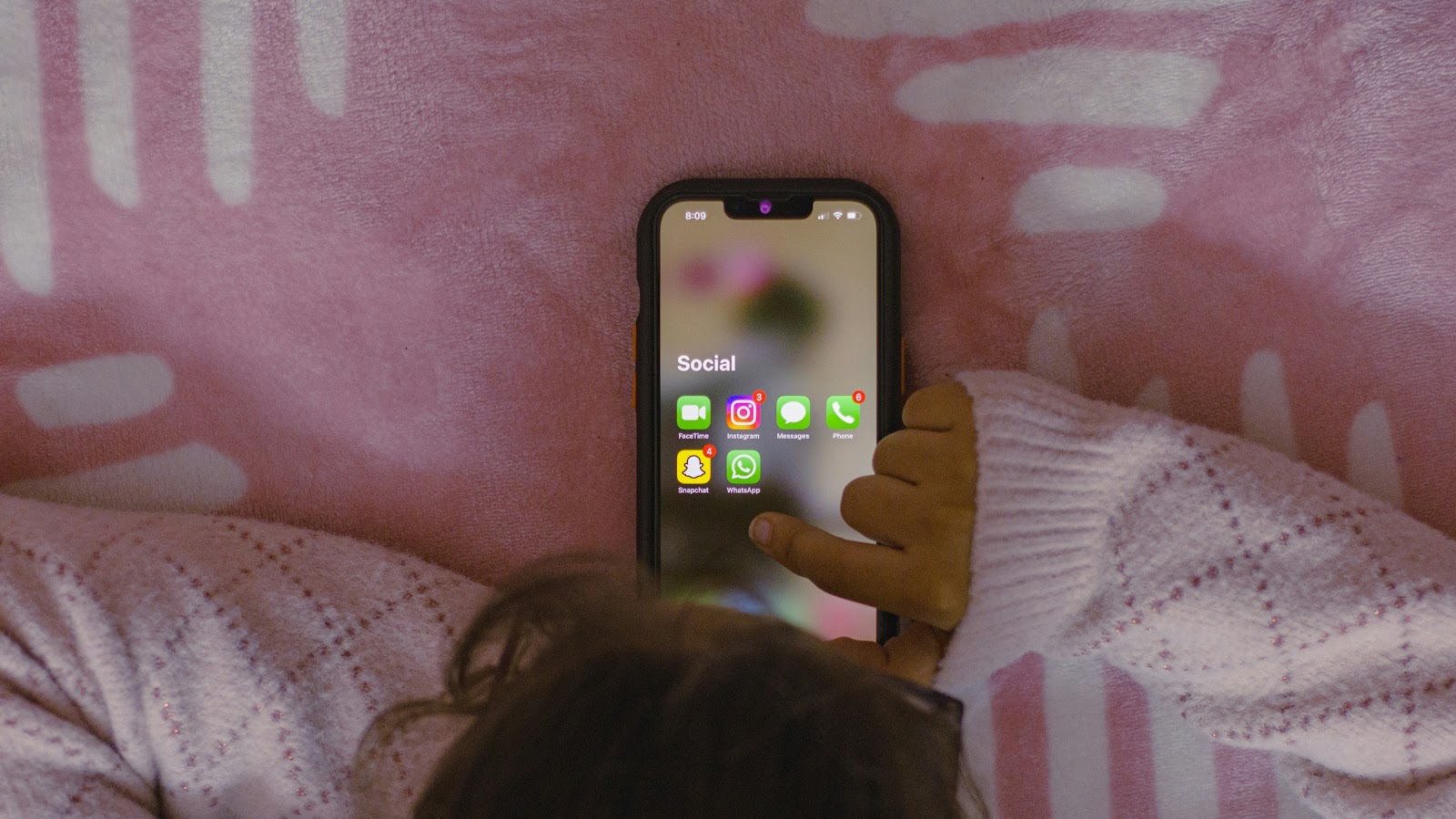
Image Credit: Sanket Mishra from Unsplash
Let us slide into your dms 🥰
Get notified of top trending articles like this one every week! (we won't spam you)Job Displacement
AI presents a potential problem for the job market of today's working class. According to PBS News, “the Bureau of Labor Statistics says the U.S. job market is much weaker than initially believed. More than 900,000 fewer jobs were added in 2024 and 2025 than previously reported.” AI worsens the unemployment and cost of living crises by taking over jobs that could be done by humans, because they are easier and cheaper for large corporations and employers to utilize.
Not only does this take away jobs that could otherwise go to job seekers, but it also devalues existing jobs that are done by real humans. Ultimately, it also lowers the pay that workers can receive overall because “a machine could do it for free.” This, in turn, lowers the quality of the work of this position. An example of this can already be seen in customer support services, such as chatbots.
In addition to the devaluing and stealing of employment opportunities, AI is also used to create graphic design work and digital art, such as logos and web pages. While it's true that this is a cheaper alternative to hiring a professional, graphic artists and designers are increasingly finding it more and more difficult to find work and fair pay.
Indeed, many remote job opportunities found on hiring sites include AI training and correction positions. While people may find temporary employment in these positions, ultimately, the demand for these positions will decrease as AI becomes self-sufficient, and it will entirely replace a large section of the job market.
Take the Quiz: What Kind of Political Personality Are You?
Ever wondered what role you’d play in the political world? Take this fun quiz to find out!
Social Stunting, Developmental Delays, and Confirmation Bias
A shockingly common use of generative AI is that people have begun using it as placeholders for friends, romantic partners and even therapists. This is concerning because AI is not built to challenge our bias and instead creates a sort of echo chamber of preconceived notions, which allows us to fall into our own limiting belief systems.
This also impacts our conflict resolution skills, communication, and the ability to connect with real-life people. Using AI in this fashion is a slippery slope that can lead to further social isolation, division, and confirmation bias. AI is not a reliable source of information, advice and social interaction as it has not been properly trained in these aspects and does not reflect the nuance of true human interplay.
Moreover, in a dystopian turn of events, AI is being developed and tested to take over real human interaction, both professionally and personally. According to one article, restaurants in countries such as Japan and China have introduced robot wait staff.
Another article claims artificial nannies and teachers are even being developed. Not only does this displace real, needed jobs and subsequently increases the class divide. The replacement of human interaction is especially concerning, as studies done on social isolation and mask usage from the COVID pandemic, as well as studies on the results of excessive screentime, have already indicated that the decrease in legitimate social interaction has led to a plethora of cognitive, social, and developmental issues, particularly in children and young adults.
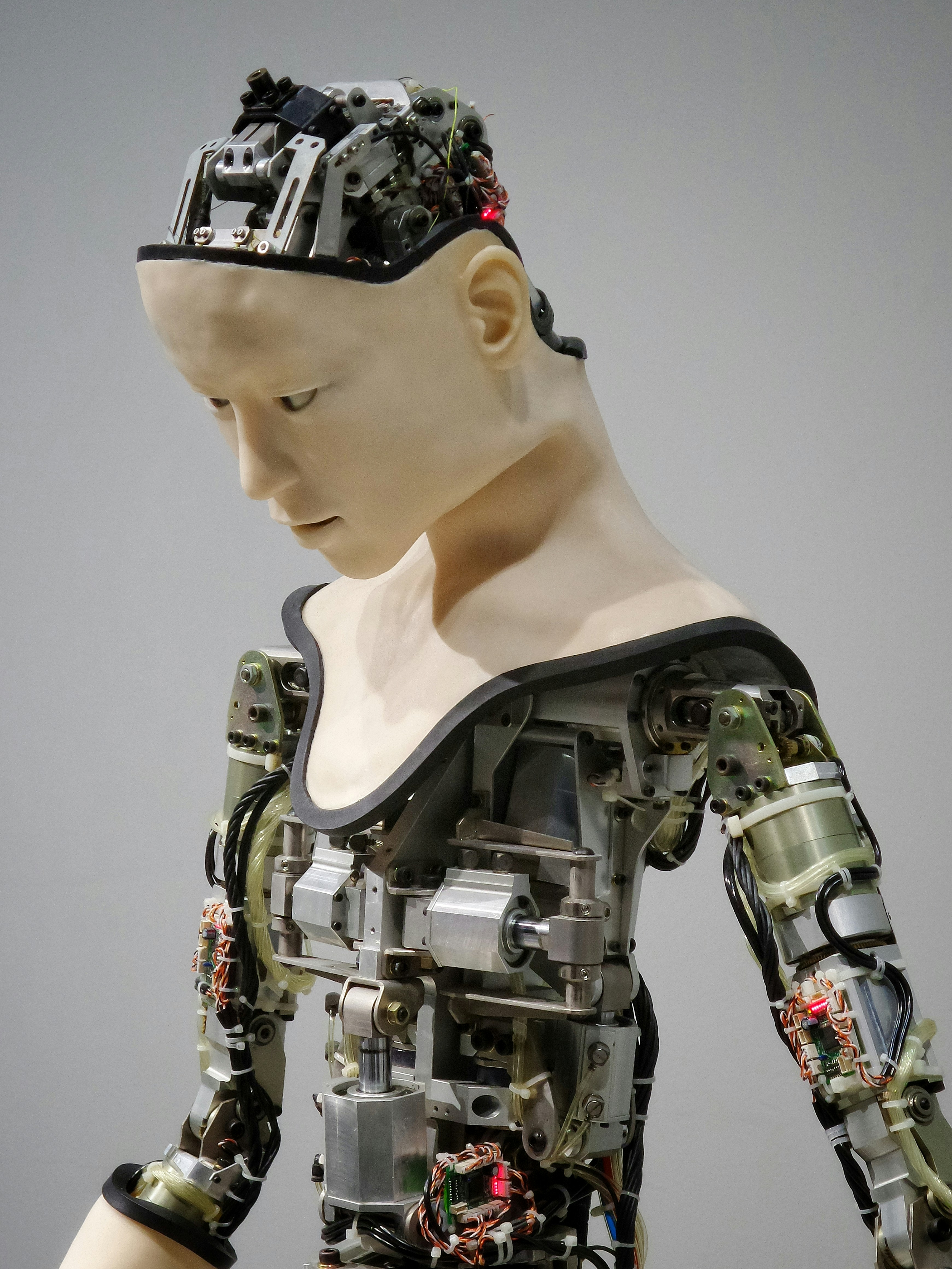
Image Credit: Possessed Photography from Unsplash
In examination of the impacts of increased isolation due to the pandemic and the increased screen time (and subsequent decline of time spent outside or playing with physical toys), studies have shown that children and toddlers face delays and struggle to read subtle facial expressions, initiate human contact, have poorer memory, depth perception, language and learning skills, etc. Thus, the implementation of AI in the place of real human interactions will undoubtedly influence how the child interacts with others for the rest of their lives, even on a subconscious level.
Learning to recognise the subtleties of a voice and expression is an essential part of cognitive development that cannot and should not be replaced with AI technology. It is a bastardization of the human experience and the connections we make among one another.
Studies indicate that community is one of the most significant factors in well-being and longevity. In a world already dominated by automation and technology, further replacement of human interaction with technology only serves to increase gaps in community and ultimately harms us under the guise of convenience.
Deep Fakes, Political Misinformation, Impersonation and Privacy Concerns
The growth of AI poses various privacy risks. As AI becomes more sophisticated, it raises users' concerns about its ability to predict behavior, infer sensitive information, and interfere with private data.
An extremely concerning and unprecedented use of AI is "deepfakes." Deepfakes are synthetic media created using artificial intelligence that can convincingly imitate real people or events. These prove to increase the spread of dangerous misinformation that exposes victims to libel and damages their reputation, as well as raises privacy concerns.
A popular concern about the use of AI is its ability to imitate voices in order to mimic a kidnapping victim crying out for help for ransom, to enter into voice-protected high-security accounts, such as bank accounts, etc. Friends and family often come up with verbal "passcodes" so that if AI is mimicking their voice, they can ask for the passcode to confirm if the speaker is real.
A viral video has been circulating on the internet of American Professional boxer Jake Paul putting on makeup and calling himself gay. Though this video appears to be undeniably real, it is in fact completely falsified via AI.
This is just one well-known example of how AI can be used to warp our perception of reality, spread misinformation, and put a person's integrity at risk. Further examples that reflect this drastic issue include circulating videos and audios of AI impersonating presidential candidates. This, of course, poses the risk of spreading political misinformation, which is serious in that it influences our capacity to make knowledgeable decisions regarding our voting and can further drive a wedge between political parties.
Additionally, deepfakes are being used to undress women and create falsified pornographic content of them in compromising positions. Not only is this a huge violation that leaves victims traumatized and subject to harassment, it can also facilitate revenge [censored], blackmail, loss of employment, damaged reputation, and more. This use of AI furthers the patriarchal agenda that seeks to disempower and shame women.
Environmental Impact
AI requires cool water in order to keep the data centres it operates from from overheating, thus creating a significant impact on the environment. “Larger centres can consume up to 5 million gallons (18.9 million liters) a day, according to an article from the Environmental and Energy Study Institute. That’s roughly the same as the daily water demand for a town of up to 50,000 people.” This water usage not only wastes water but also disrupts local ecosystems and contributes to climate change in the production and construction of machines and infrastructure that transfer water.
According to MIT News, researchers have estimated that a ChatGPT query consumes about five times more electricity than a simple web search. Despite the impact that using AI has on the planet, the ease and convenience of having AI on your device often override the user's consciousness about how it impacts the environment.

Image Credit: 愚木混株 Yumu from Unsplash
Critical Thinking
Another concern regarding AI is that it impacts our ability to do our own research and assessments and to think critically. It undermines the value of researchers and journalists (thus further contributing to the aforementioned devaluing of related employment positions) and impacts our own ability to discern. One new MIT study comparing brain scans of people who use generative AI versus those who don't, shows a significant decrease in brain activity in frequent users, indicating a decrease in critical thinking.
Our ability to discern information and do our research is essential in such a politicized world where we are constantly oversaturated with conflicting information. The ability to research and make conscious, knowledge-based decisions is part of being a mindful citizen, voter, and overall a compassionate individual who is capable of empathy and having mindful conversations with others, even if we don't agree with their point.
Because the world is so highly politicized and there is already so much division and anger between different ideological parties, AI's ability to decrease critical thinking will only exacerbate this violence, in turn putting minorities at greater risk and decreasing our humanity toward one another.
On a similar note, the use of AI in schools and universities is beyond inappropriate and almost impossible to regulate. Our future doctors, nurses, writers, mechanics, engineers, etc., are using AI and will face all the negative backlash that comes with it. Even students who don't use it directly to cheat or finish assignments are still exposed to its impacts in everyday life; thus, their soft skills, such as bedside manner and communication, are being impacted. How will an up-and-coming generation of AI users act as adults in the working world?

Image Credit: Kenny Eliason from Unsplash
Benefits of Research
All negatives aside, on an algorithmic and scientific data level, AI can be used to help track cycles and assist in data recollection and counting. It can be a helpful tool in larger projects where human error or a lack of time would otherwise make the results less reliable. On this note, I would like to share a personal example of this that I came across.
I attended a presentation put on by a wildlife ocean organization that helps monitor and protect keystone species and minimize human impact on protected areas of the oceans. One of their projects involves tracking the migratory patterns of whales so they can predict their behavior and help regulate overfishing and harmful human practices in their path. To do this, they input whale sightings from all over the world into an AI tool that helps track them over the course of many years.
This type of tracking and data entry would prove extremely difficult and prone to human error, as well as time-consuming if it were on eBay hand; however, with the proper and careful use of AI tools, it creates the accuracy and time for human volunteers to take action. In this sense, AI is an important and essential tool; however, the difference between this use of AI and the everyday use of generative AI is that one operates on a mundane and personal level, and the other is used institutionally and scientifically.
Disability and Accessibility Benefits
Additionally, AI tools such as GPS, Alexa, and language translators can make living so much more accessible and can help bridge the gap for people who face disabilities. Whether it be a physical difficulty that makes movement difficult or a cognitive disability that impacts speech, AI can greatly increase the quality of life for those in need.
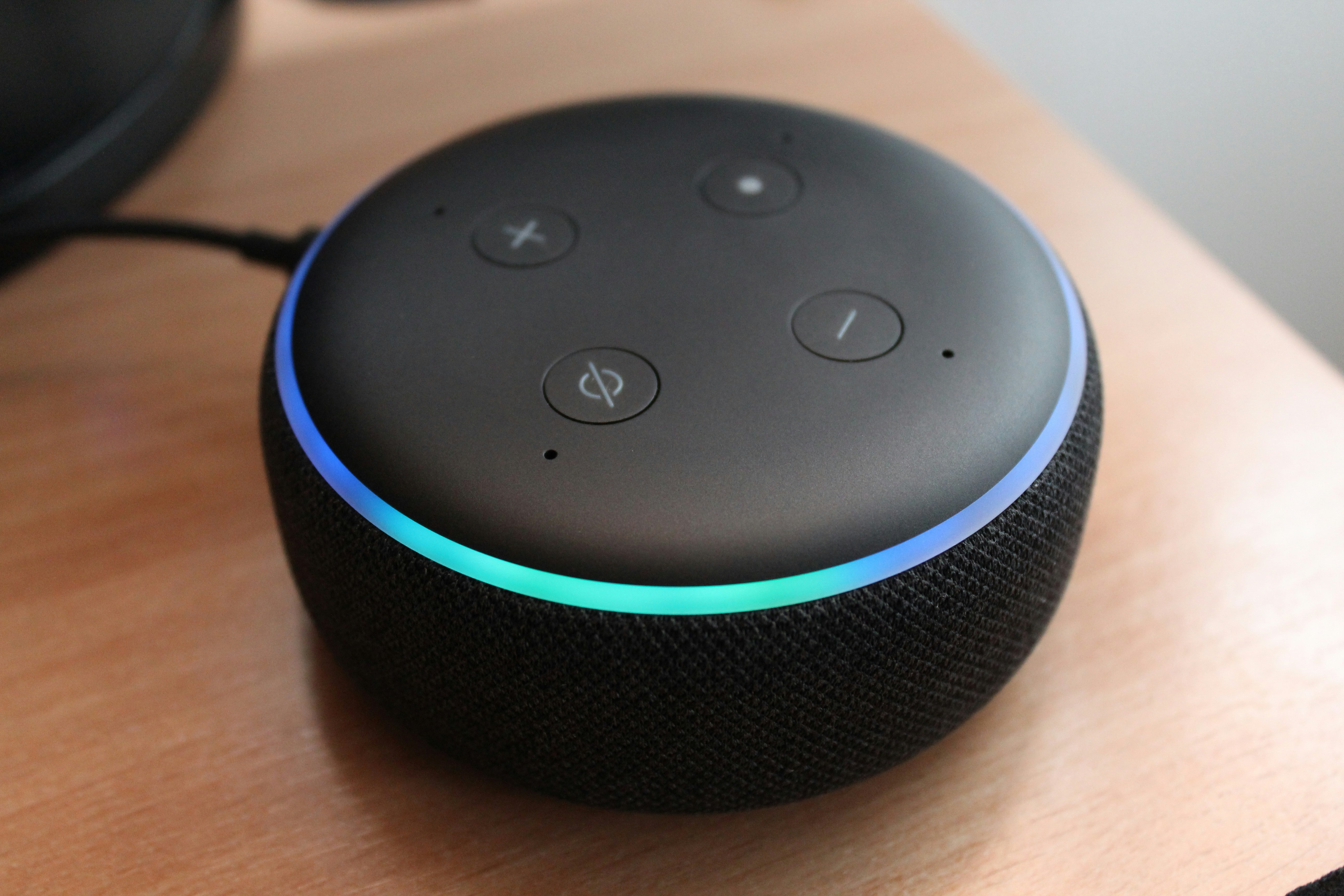
Image Credit: Lazar Gugleta from Unsplash
Conclusion and Implications
I think that ultimately, AI is part of a larger conversation about the cost of convenience and the constant influx of instant gratification we have as a whole. We are a society with more resources, information and things than ever before, yet we are incredibly unhappy and suffer from a great mental health crisis and animosity amongst one another. We seem to constantly be seeking the next high, the next best thing, and the art of social interaction and academia is being lost to us.
AI certainly has its place in our world of modern technology, yet it is our responsibility to reinforce and regulate it for appropriate use. Technology should be a tool to bring people together, help to better the world, seek sustainable solutions, and improve our quality of life, yet due to corporate manipulation and an utter lack of regulation, it has become addictive, toxic, and overwhelming, causing us to sabotage our own humanity and turn against ourselves and one another without even realizing it.
Though AI technology has helped with accessibility and growth, it also has a dark side. Yet as harmful as AI can prove to be, it's impossible to stop its growth, so like any other 21st-century tool, it's essential that we regulate its use and have self-control so as not to let it overpower us. Similar to pharmaceuticals, cell phones, and other technology that can be helpful in accessibility and problem solving, it's important that it is regulated so as not to be misused or consume us.
So, before you use Copilot for a simple question or use ChatGPT to write your next assignment, you take a moment to think about who is really benefiting from your use of AI.