







AI isn’t just for tech labs or futuristic movies anymore—it’s showing up in bedrooms, libraries, and classrooms, right on students’ screens. Chatbots like ChatGPT, or even Notion AI, are becoming popular study partners, helping teenagers and students do homework, make flashcards, and prepare for exams. But, with the increased use of these resources, a question is arising: are these digital helpers making us smarter, or are they just making us lazier? As these AI tools continue to come into all of our study routines, it’s worth looking into this topic.
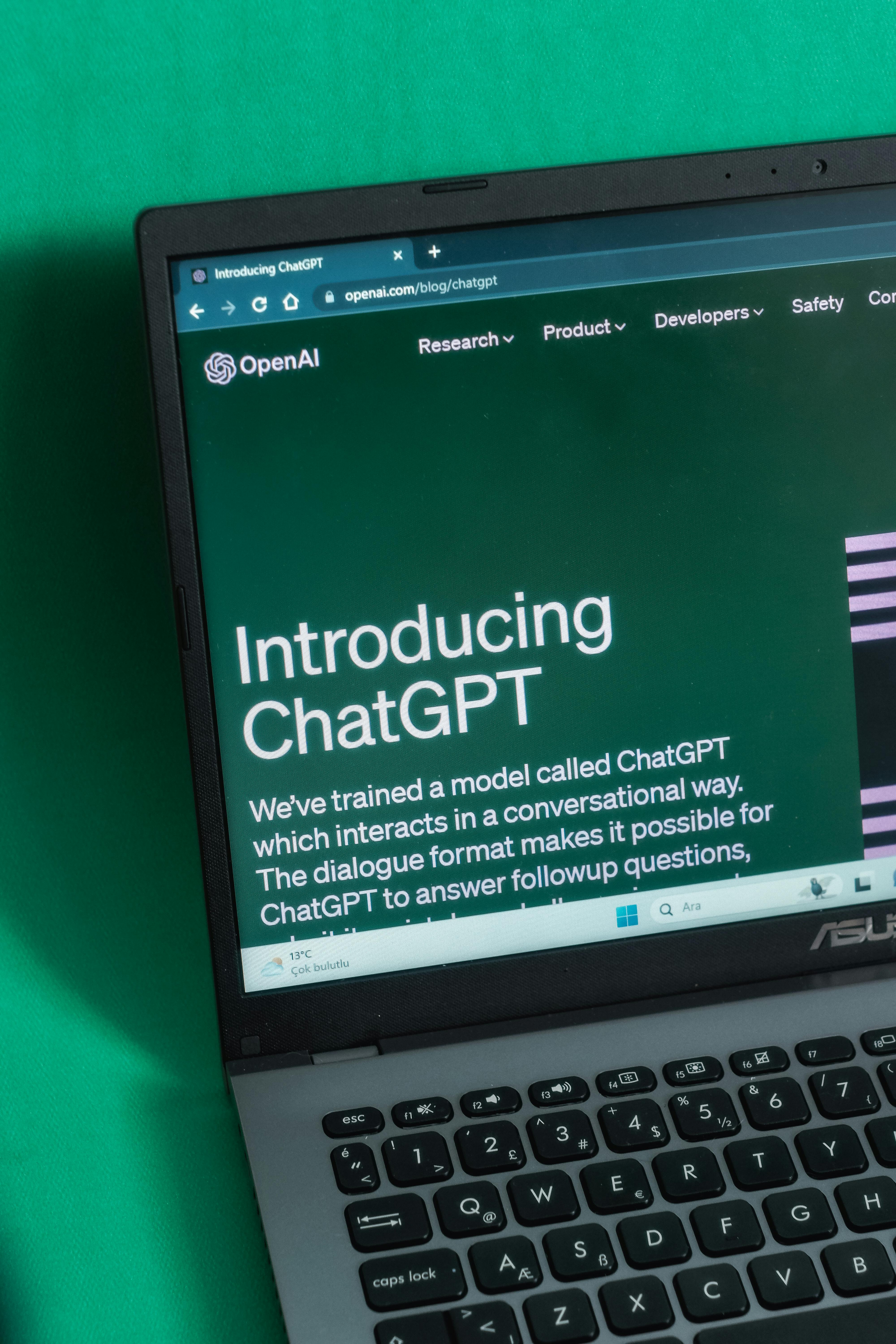
Image Credit: Beyzaa Yurtkuran from Pexels
Let us slide into your dms 🥰
Get notified of top trending articles like this one every week! (we won't spam you)How Students Use AI for Studying
A recent 2025 survey found 85% of students aged 14-22 use AI for schoolwork and other things, up from 66% from last year. Why?
The two top uses for AI are for doing homework, which 50% of teens use AI for. Some use ChatGPT to break down tricky questions or explain complicated concepts, and others use AI to create flashcards, summaries, and outlines, converting hours and hours of note-taking to just a few seconds of typing. Test prep is another huge thing, as students can generate practice questions, get step-by-step explanations, or create mini-quizzes to strengthen weak topics.
What’s attracting us is super clear: AI responds instantly, adjusts explanations to our levels, and helps us by giving alternative ways to understand topics. For the majority, it is a way to save time, reduce stress, and make studying feel better. But not all teens treat this tool the same way.
Some teens decide to treat this as a learning tool: diving into the answers and seeing the reasoning behind them. Others lean on AI as a shortcut: copying answers without even using their brains. How students choose to use AI can make the difference between an A+ and a D- for a final, making all the difference between actually learning and just checking random boxes.

Image Credit: Valery from Pexels
Take the Quiz: What Type of Notes Should I Take?
Discover the best note-taking method for your learning style!
The Pros
These tools can be more than just a shortcut—they make learning easier and even more personalised. From creating a song to remember the periodic table, to explaining the quadratic equation like it’s a story, the AI can adjust information, taking into account what a student already knows, their learning style, and more. Struggling with dimensional analysis or a calculus word problem doesn’t have to be frustrating.
Time efficiency is another huge plus. Students don’t need to look through textbooks or notes; instead, they can generate summaries, outlines, and flashcards in a matter of mere seconds. AI makes topics so much more entertaining. Think gamified quizzes, instant feedback, and creative prompts and responses that transform studying sessions from tedious processes to a fun, dynamic experience.
So, when it’s used thoughtfully, AI completely reinforces learning and understanding. This is a genuine extension of learning rather than a replacement, and teachers are starting to understand that too.

Image Credit: RDNE Stock project from Pexels
The Cons
AI tools like these aren’t foolproof either, and this overreliance can genuinely hurt learning. One major problem is something called “hallucinations”—when artificial intelligence confidently generates information that is completely wrong. That’s because that information is not in the training data for the AI, and unfortunately, that same model would not have been programmed to say I don't know.
A student might just trust a fabricated history fact, math answer, or oversimplified science solution, thinking it’s accurate. Without double-checking, these mistakes will eventually reinforce misunderstandings, rather than actually correcting them.
Overuse is another big problem when it comes to AI. It can make students mentally lazy, like what AI overview is progressively doing. If AI is doing all of the thinking, problem-solving, note-taking, and reasoning, students miss out on all of these opportunities to build memory, critical thinking, and more. Over time, this will create so many gaps in understanding because of the dependency on AI to do the simplest tasks.
“AI is a tool. The choice of how it gets deployed is ours.”
-Oren Etzioni
Remember this, though: Copying AI-generated answers is plagiarism, and there are consequences for plagiarism. In learning, understanding a concept correctly and putting your own effort into it all matter, and if students treat AI like a crutch rather than a learning tool, it risks making them much dumber in comprehension, for lack of a better word.

Image Credit: Leeloo The First from Pexels
Some Ethical and Educational Questions
Should schools allow students to use AI for homework, essays, or test preparations? If yes, under what guidelines? Teachers and administrators are still thinking of how to balance technology and keep up with these new trends, while still encouraging independent thinking.
Students themselves face the choice and responsibility. Using AI as a tool to expand or explore concepts, ask follow-ups, or check understanding is great for enhancing learning. On the other hand, treating it as a shortcut—copying answers or just relying on it for all problem solving—undermines skill and integrity. This affects retention, reasoning, and the ability to think and solve new problems, because you’ll need ChatGPT to think about it, and that’s just wrong.
TL;DR
AI tools are like a double-edged sword. On one side, they make learning faster, more engaging, and personal. On the order, the overconfidence, hallucinations, and shortcuts can weaken critical thinking and more. The difference lies in how students choose to use AI: as a supplement to thinking or a replacement for it.
Ultimately, AI won’t be able to completely replace learning, but it can enhance it if used responsibly. Use it mindfully. Fact-check it.
Use your own problem-solving skills. Balance it correctly. Then, it will be your study partner. Misused, it risks turning students’ brains into an autopilot mode, making them less thoughtful thinkers, taking away a trait that makes us human.
So, it’s up to you. The choice, and its consequences, lie in every student's hands.


