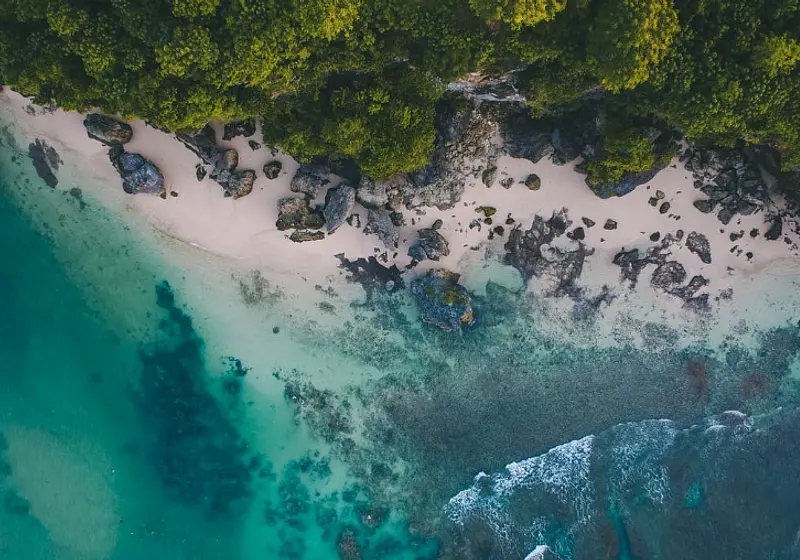



The well-being of the oceans is vital for most life on Earth including us. Oceans are responsible for producing half of all oxygen on the entire planet, reducing the impacts of climate change by absorbing a third of all human emissions, and stabilizing the global climate. Fish are a crucial part of the oceans as they circulate nutrients all over the globe, support ecosystems worldwide, and are an important food source for many organisms.
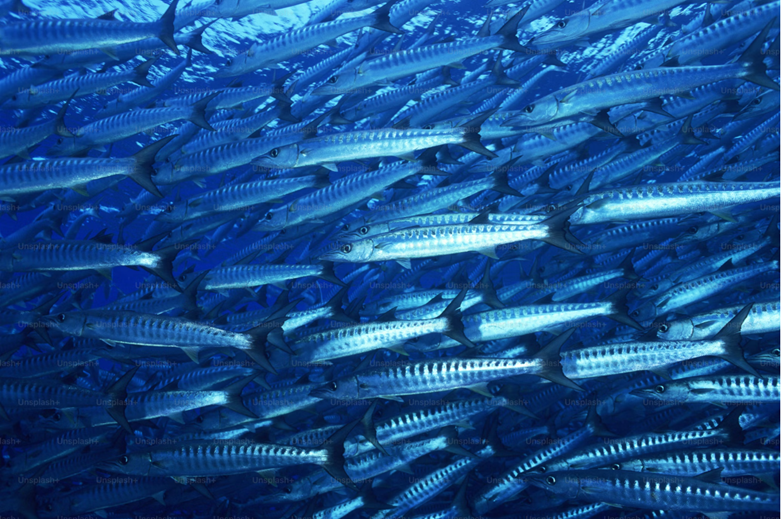
Image credit: Getty Images from Unsplash
Overfishing threatens to upend all of that. Nearly 90% of the world’s fisheries are either fully exploited, over-exploited, depleted, or in a state of collapse. Fish populations have fallen by 50% between 1970 and 2012 and this has affected global ecosystems severely by making them less resilient to other threats and by changing the makeup of the entire global marine food web. In 2003, a report estimated that overfishing had reduced the number of large ocean fish down to 10% of their preindustrial population.
Bottom trawling is one of the biggest threats to fish. It destroys habitats and kills the plants and animals that live on the ocean floor. This is because bottom-trawling is a fishing method that drags a massive net along the seafloor, scooping up the target species and everything else in the vicinity.
That everything else is called bycatch and bottom trawlers, as you can probably guess, get a lot of it. In fact, for some bottom trawlers more than 80% of their catch can be bycatch and it all gets thrown away, unnecessarily wasting and killing 437 million tonnes worth of fish globally over the past 65 years. A lot of the fish that is wasted also happens to be perfectly fine for consumption by humans or used for some other purpose. On average worldwide, 40% of global catch from every fishing method is bycatch.
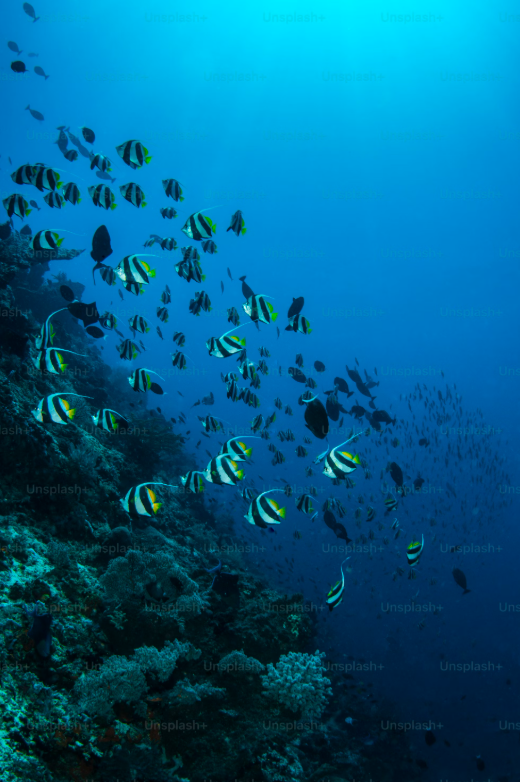
Image Credit: Getty Images from Unsplash
One species in particular has been severely impacted by bottom trawling methods. Before 1980, the orange roughy was not a target fish species. However, as fish nearer to the coasts started to get scarcer and scarcer as they were overfished, fishing vessels extended their reach further down into the deep where the orange roughy lives.
Before this happened, though, the orange roughy used to be known as the slimehead. The name changed so that it would sound more delectable to consumers. The orange roughy lives in large schools making it very easy to catch a lot of them all at once. The species quickly became overfished because the fish stocks of this species were not well known so protection for it was late to come. As this fish also lives 600 metres below the water’s surface, it has a long life and a slow reproduction rate. This means that it will take many years for the population to come back to its previous numbers.
Luckily, there are many ways to greatly decrease bycatch from each of the various fishing methods, especially from bottom trawling. LED lights attached to gillnets can greatly decrease the bycatch of sea turtles and small cetaceans. For bottom trawlers, areas that are more sensitive to such a damaging method of fishing can be avoided and adaptations can be made to the net to reduce bycatch. Unfortunately, these solutions are not commonly enforced and incentivized and trawling continues to have a heavy toll on fish worldwide.
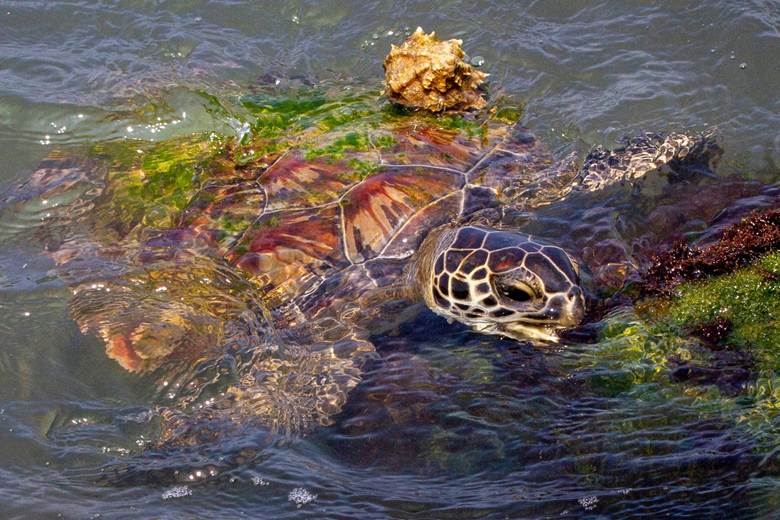
Image credit: Joshua Cotten from Unsplash
Bottom-trawling is also actually a major source of greenhouse gas emissions as well. It does this by digging up carbon stored in sediments on the seafloor and releasing it into the air. Thousands of gigatons of carbon are stored in the top layer of seafloor sediments, and bottom-trawling fishing risks releasing vast portions of it. Bottom trawling worldwide emits around 370 million metric tons of carbon dioxide each year.
Another method of fishing with a high negative impact on the marine environment is the gillnet. As opposed to the bottom trawling fishing method, the gillnet is instead a huge vertically-oriented net but it also has a high by-catch rate. Gillnets can be up to two miles long and in fact have been banned in many areas and by many countries because of their destructive impact.
Another problem with gillnets is if they become lost in the open ocean, they can keep on catching ocean creatures for many more years into the future until they are eventually recollected. If they are not taken out of the ocean, it can take up to 800 years for a fishing net to naturally decompose. An abandoned fishing net left sitting in the ocean, is called a ghost net and the gillnet is actually the most common type of ghost net.
According to the World Wildlife Fund, between 500,000 and 1 million tons of ghost nets are lost or abandoned in the ocean each year. These nets then kill up to 650,000 marine animals each year as of 2018 and even if an animal does escape from a ghost net, it may still die from its injuries. A fishing net may be abandoned or lost for a variety of reasons. The buoys holding up a net may become detached, it may move out of position and not be able to be found again, and sometimes they are left purposefully in the ocean if the fishing vessel does not have the funds to dispose of it properly.
However, bottom trawlers, ghost nets, and gill nets are not the only threats that face fish. Illegal fishing has also had severe impacts on fish populations as it is estimated that a fifth of all fish catches are made illegally. Illegal fishers generally target areas that do not have strong law enforcement and once their catch gets past a port it is very hard to see if a catch was made illegally or not. Around 32% of seafood imported into the US has been caught illegally.
There is good news though. Since 2015, more of the ocean has been placed under protection than during any other period in history. The percent of marine species threatened with extinction has dropped and 66% of fish stocks are fished sustainably with 34% being overfished. This may sound surprising if you have heard the statistic that world oceans will be essentially emptied of fish by 2048. It turns out that that statistic is false and the oceans can still be saved. In fact, it has been estimated that it will only take $10 to 20 billion dollars a year to rebuild marine life by 2050. While that may sound like a lot, remember that the world’s oceans cover 71% of the entire Earth’s surface and they are vastly important to life on Earth. Also, saving the oceans now will yield ten times the economical benefits in the future. All in all, only at least 30% of the world’s oceans need to be strongly or fully protected from human exploitation for the oceans to be sustained and for fish populations to be stabilized. Unfortunately, only 2% of the oceans are strongly protected so the world has a long way to go yet. Even so, the world’s oceans can be saved and there still is hope for marine life. (Well, except for the coral reefs. Those are going.)
Let us slide into your dms 🥰
Get notified of top trending articles like this one every week! (we won't spam you)How You Can Help
So, what can you do personally to help the oceans? The answer is a lot. There are numerous environmental organizations out there dedicated to saving and protecting the world’s oceans and the species that live in them.
Supporting them by giving small donations or raising awareness about whatever issue they are focusing on is a great idea. You can also help protect the oceans by reducing your own personal impact on the environment. There are many ways to do that as well. However, when it comes to protecting the oceans, making sure that the seafood you eat is the most environmentally friendly option available is probably the best way to help save marine ecosystems. You can also encourage close friends and neighbors to do the same. However, how can you tell between fish that are caught sustainably and fish that are not? It is easy. All have to do is scroll down a bit and look at the list provided below.
Image Credit: Getty Images from Unsplash
For more information about ghost nets, you can read this report by The World Animal Protection: fishings-phantom-menace-report.pdf
Below is a list of fish choices from the most environmentally friendly options to the most environmentally damaging ones based on how they are caught and the specie’s IUCN status. For an even larger list, you can follow this link: Recommendations | Seafood Watch

Take the Quiz: What Candle Scent Matches Your Overall Aesthetic?
Halloween is just around the corner. It's time to light that candle. Take this quiz and find out what candle scent suits you best.
Best Fish Choices
- Arctic Char(farmed)
- Bluefish(US hook & line)
- Bass: Striped(US hook & line, farmed)
- Catfish(US)
- Clams, Mussels, Oysters
- Cod: Atlantic(imported hook and line)
- Croaker: Atlantic(beach seine)
- Mahi Mahi(US Atlantic troll, pole)
- Prawns: Spot (AK)
- Salmon (AK)
- Scallops (farmed)
- Sea Bass: Black(US Atlantic trap)
- Seaweed(farmed)
- Shrimp(AK wild, US farmed)
- Swordfish(Canada & US harpoon, troll, pole)
- Tilapia(Ecuador & US)
- Trout; Rainbow(US farmed)
- Tuna: Albacore/White canned(Canada &US troll, pole)
- Tuna: Skipjack/ Light canned(FAD free, US troll, pole)
- Tuna: Yellowfin(US troll, pole)
Good Alternative Fish Choices
- Bluefish(US gillnet & trawl)
- Cod: Atlantic(Georges Bank troll, pole, & imported)
- Crab: Blue& King(US)
- Croaker: Atlantic
- Haddock(Georges Bank)
- Hake: White(US)
- Halibut(US Pacific gillnet & trawl)
- Lobster(Bahamas & US)
- Monkfish(US)
- Pollock(US)
- Scallops(wild)
- Shrimp(Canada & US wild, Ecuador farmed)
- Snapper(US)
- Squid(US)
- Swordfish(US)
- Tilapia(China & Taiwan)
- Tuna: Albacore/White canned(US longline)
- Tuna: Skipjack/Light canned(imported troll, pole, and US longline)
- Tuna: Yellowfin(imported troll, pole, and US longline)
Fish To Avoid
- Cod: Atlantic(Canada & US)
- Crab: Atlantic Rock(US)
- Crab: Canned(imported)
- Crab: Red King(Russia)
- Haddock(Gulf of Maine)
- Halibut: Atlantic(US)
- Mahi Mahi(imported)
- Orange Roughy
- Salmon: Atlantic(farmed)
- Sardines: Atlantic(Medit. Sea)
- Sea Bass: Black(US Mid-Atlantic)
- Sharks
- Shrimp(imported)
- Squid(imported)
- Swordfish(imported)
- Tuna: Albacore/White canned(except Canada & US troll, pole, and US longline)
- Tuna: Bluefin
- Tuna: Skipjack/Light canned(imported longline and purse seine)
- Tuna: Yellowfin(except troll, pole, and US longline)
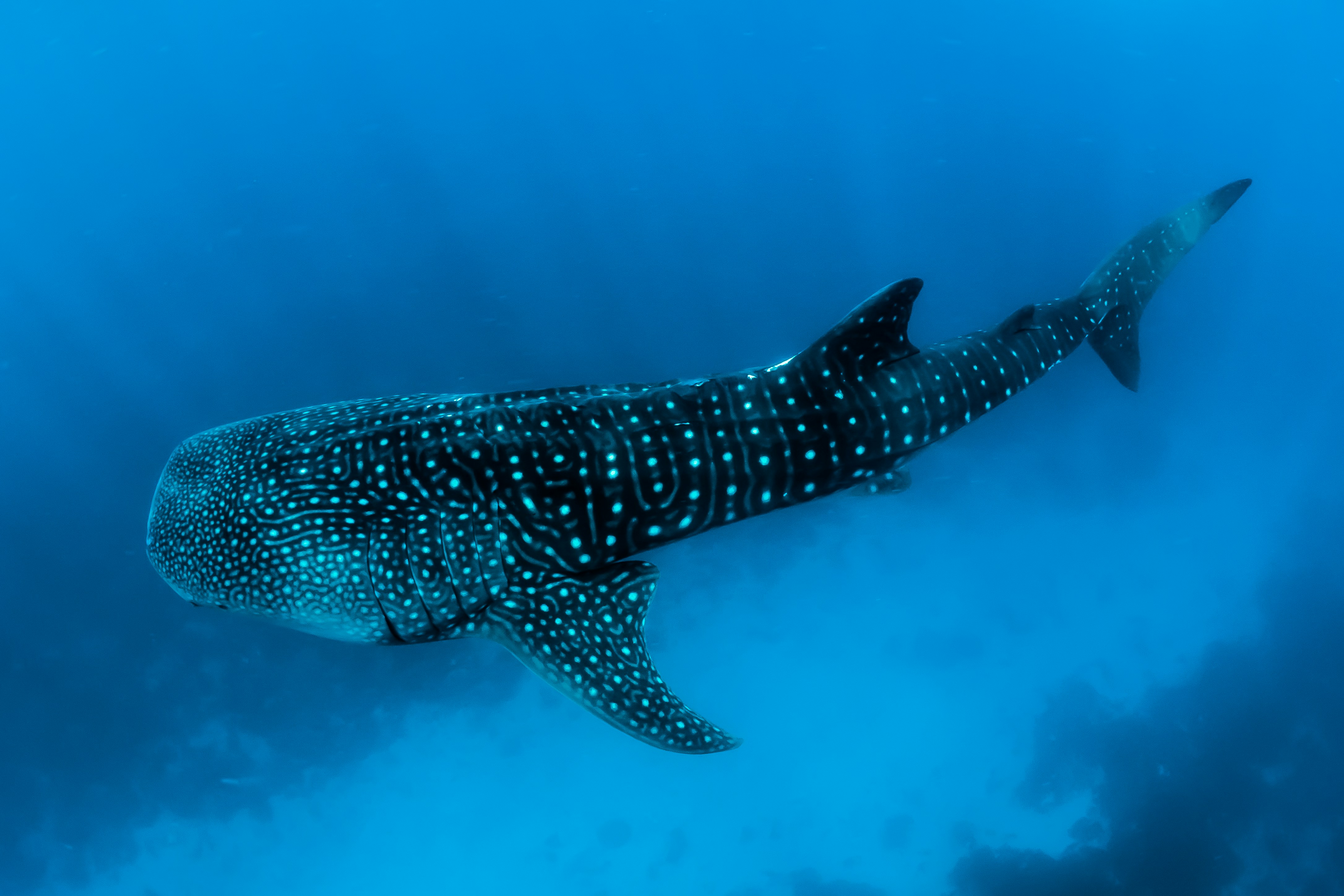
Image Credit: Sebastian Lambarri from Unsplash


.jpg)