





Today, terrestrial mining is having a serious negative impact on natural ecosystems worldwide by destroying natural habitats, polluting both the air and the water, and threatening countless species with extinction. Currently over four thousand vertebrate species are at risk of extinction as a direct result of mining, including chimpanzees, both species of gorilla, the bent-toed gecko, and the ploughshare tortoise.
However, a new solution to this problem has been put forth. Why not mine the deep ocean for precious materials? Materials such as iron oxyhydroxides, manganese oxides, nickel, cobalt, titanium, and polymetallic sulfides can be found in great quantities as part of marine sedimentary mineral deposits. (In this article, these deposits are referred to as deep-sea nodules, which are round concretions of rock and minerals, and ferromanganese crusts.) These deposits can then be mined with relatively little to no impact on terrestrial environments.
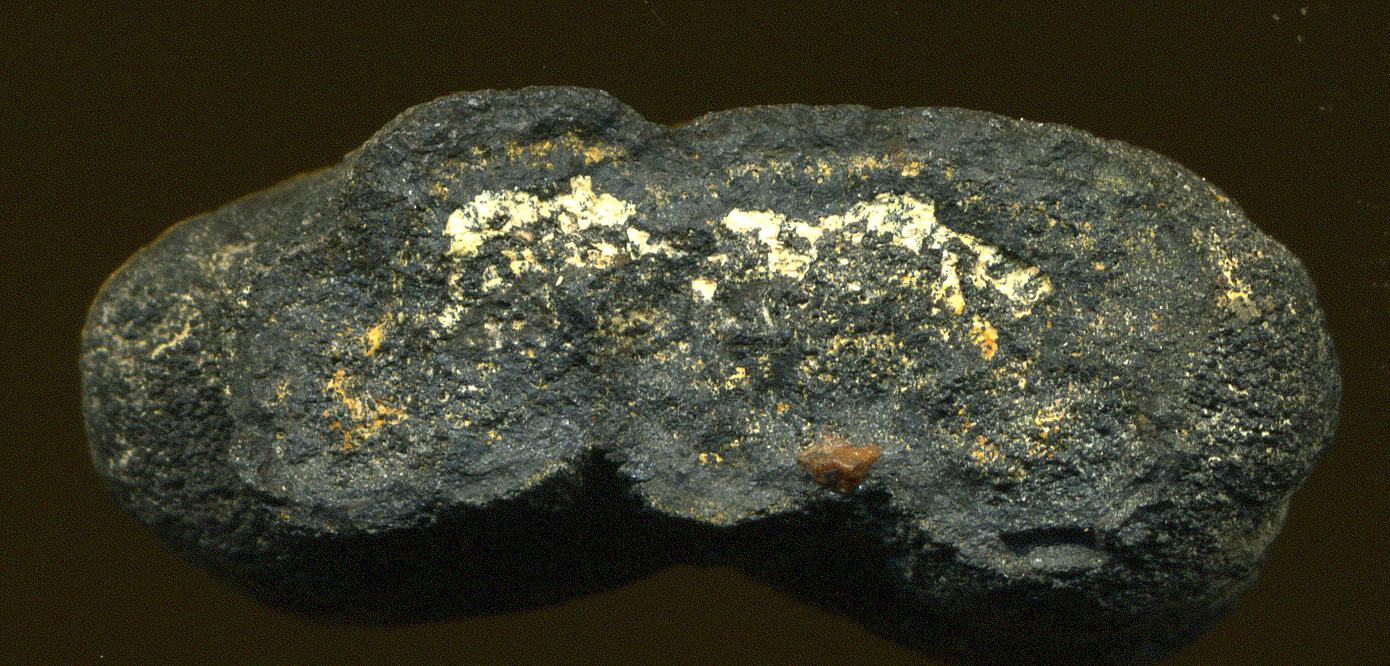
Image Credit: James St. John from Wikimedia Commons
An image of a deep-sea manganese nodule
Let us slide into your dms 🥰
Get notified of top trending articles like this one every week! (we won't spam you)The Pros and Cons of Deep-sea mining
At first, this seems like a good idea. The deep sea happens to cover three-fourths of the world’s oceans and these marine deposits can form anywhere on them, forming vast fields of mineral rich substrate. As a result, it has been estimated that as many as 210 billion dry tons of manganese nodules exist in the world along with 930 billion dry tons of ferromanganese crusts. About 7.5 billion dry tons of cobalt-rich ferromanganese crusts are estimated to occur in the Pacific Ocean Prime Crust Zone alone. The World Bank has estimated that the production of minerals such as cobalt could increase by nearly 500% by 2050 to meet growing demand. Mining these cobalt-rich crusts could very well save gorillas from extinction. Both species are critically endangered, partially as a result of mining.
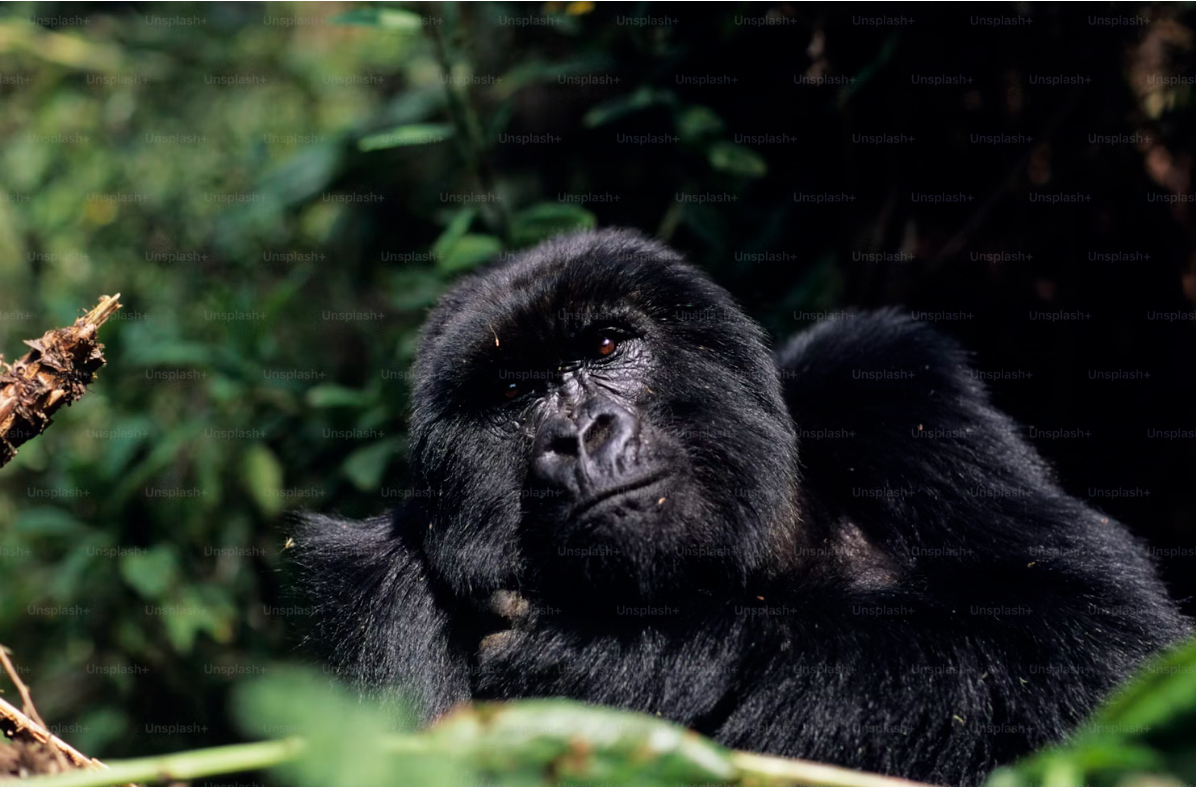
Image Credit: Getty Images from Unsplash
As well as that, deep sea mining has often been suggested as a more environmentally friendly alternative to terrestrial mining because the deep sea appears to be empty and largely devoid of life. This has created the myth that the deep-sea lacks biodiversity. While it is true that deep sea ecosystems have comparatively fewer species in lower numbers when compared to terrestrial biomes, this does not mean that it is devoid.
The deep sea is still home to a stunning array of animal species, ranging from the hadal snailfish and polychaete worms to the colossal squid and the pacific viperfish. According to a study from Science Direct, approximately 88% - 92% of species in the Clarion-Clipperton Zone, a region of the Pacific Ocean, are undescribed.
As a result, deep-sea mining will have just as large an impact on marine environments as terrestrial mining has on terrestrial environments, if not larger. In reality, it is hard to estimate just how large an impact mining will have on deep ocean ecosystems, but according to what little we do know, deep-sea mining could have catastrophic effects in ways that we cannot imagine. According to Scientific American, data suggests that “...99.999 percent of the global deep seafloor has never been directly seen by humans.” We do not know enough about life in the deep sea to design mining projects in a way aimed at protecting marine life and ecosystems. Species could go extinct and we would never know.
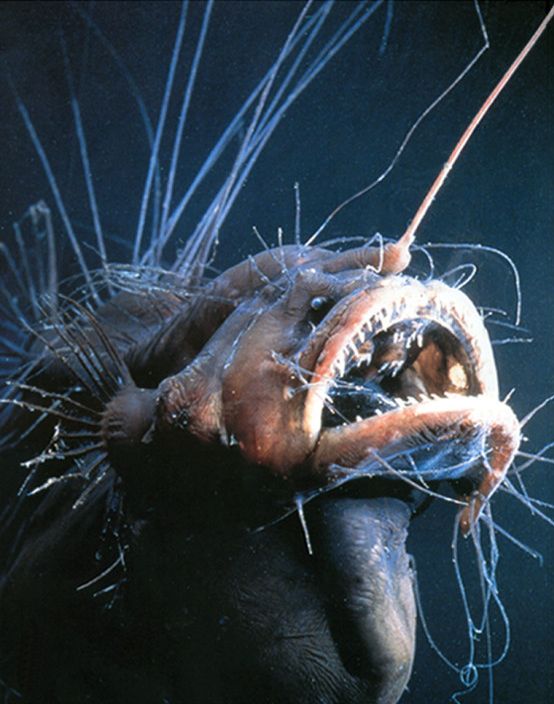
Image Credit: D. Shale from Wikimedia Commons
A beautiful deep-sea fish. Species name is Caulophryne pelagica

Take the Quiz: What Candle Scent Matches Your Overall Aesthetic?
Halloween is just around the corner. It's time to light that candle. Take this quiz and find out what candle scent suits you best.
The Importance of Deep-sea Nodules and Ferromanganese Crusts
One of the reasons why deep-sea mining could be so destructive is because deep-sea nodules are often used as a critical shelter or anchor point for many deep-sea organisms such as deep-sea corals, anemones, and marine fungi. These organisms are the base of entire deep-sea ecosystems. For example, deep-sea corals serve as an essential habitat for a range of marine species including the young of groupers and snappers. Removing these supports would cause great damage to these ecosystems, maybe even cause them to collapse entirely if enough nodules are removed.
Deep-sea nodules are important for another reason besides serving as an anchor point for certain species. They create oxygen. Quite a lot of it in fact.
One study observing oxygen levels in the deep sea discovered that oxygen increased in over two days to more than three times the background concentration, a result that was directly attributed to the deep-sea nodules. How the nodules do this in the first place is through seawater electrolysis, a process that splits water molecules into hydrogen and oxygen.
Furthermore, even though deep-sea mining is sometimes proposed as an alternative to terrestrial mining, there is no evidence to suggest that once humans begin mining in the deep sea, we will cease all mining on land. Considering current environmental action from the governments and corporations that are proposing deep-sea mining projects, it seems fairly unlikely that once deep-sea mining opens up as a viable source of materials that mining on land would stop.
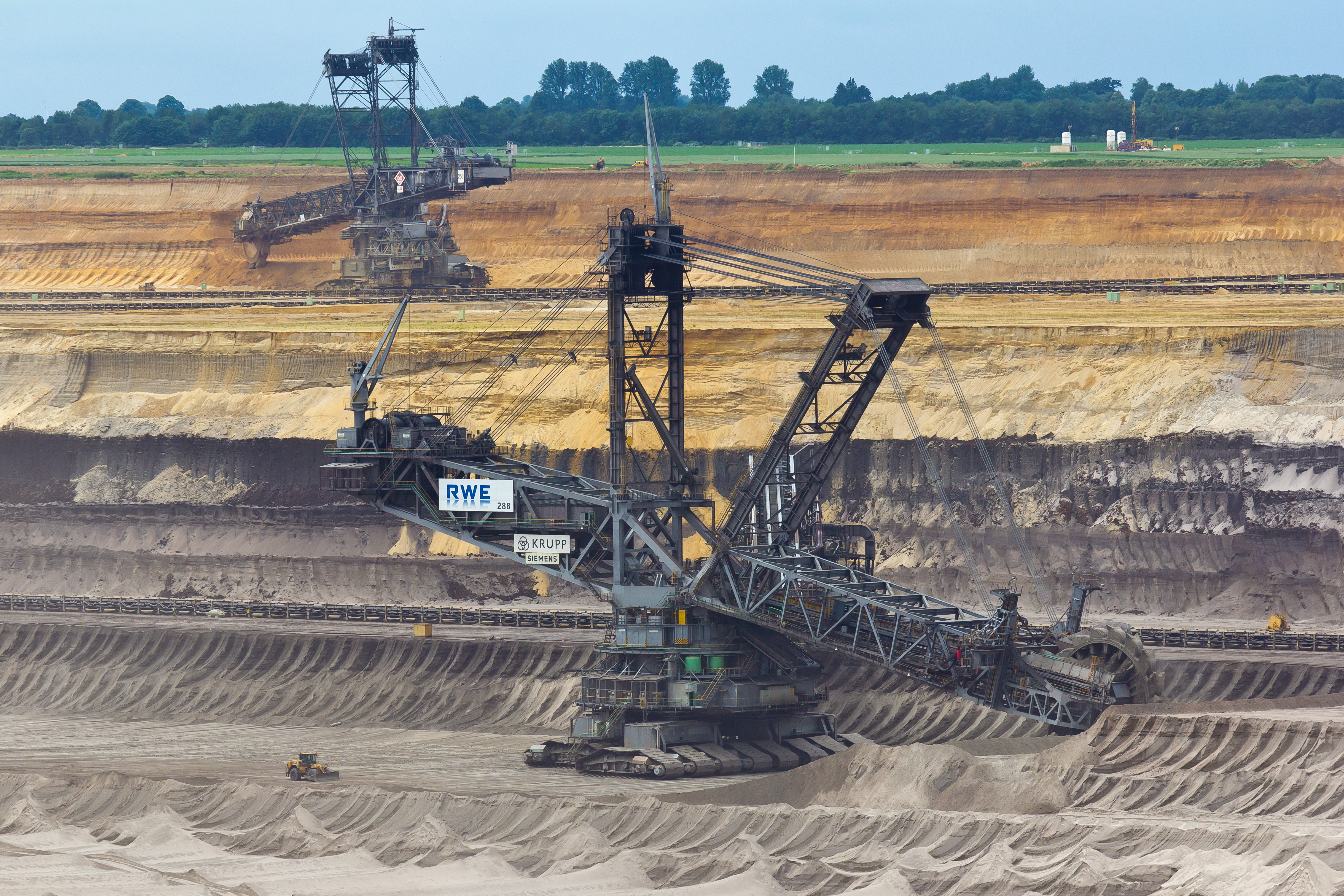
Image Credit: Raimond Spekking from Wikimedia Commons
An open pit mine located in Germany
Is It Even Necessary to Mine the Deep-sea?
It is not for certain if we even need to commence deep-sea mining in the first place. The rare metals found in many deep-sea nodules are required to produce green and renewable energy technologies but as these technologies advance and become more efficient, fewer and fewer amounts of these materials are needed. In some cases, they can be entirely removed. For example, cobalt-free car batteries have been recently engineered and advances in wind turbines are making them both more efficient and require less rare earth metals.
The real shock is that only around 1% of rare earth elements are recycled after being used in a product. The rest becomes waste and is not used again. Yes, you read that right.
Only 1% of rare earth elements are recycled. It seems that rare earth elements have an even worse recycling rate than plastic while being much more valuable and in far less supply. That number is ridiculous. Thousands of species are at risk of disappearing forever because of terrestrial mining destroying their habitats and now people want to spread that destruction to the ocean as well simply because we do not feel like reusing the resources we already have at hand. Maybe before looking into destroying the deep-sea environment by mining nodules, the world should invest more into recycling. One of the reasons why the recycling rate is not higher is because it is simply cheaper to mine it out of the ground and because recycling the materials is much more difficult.
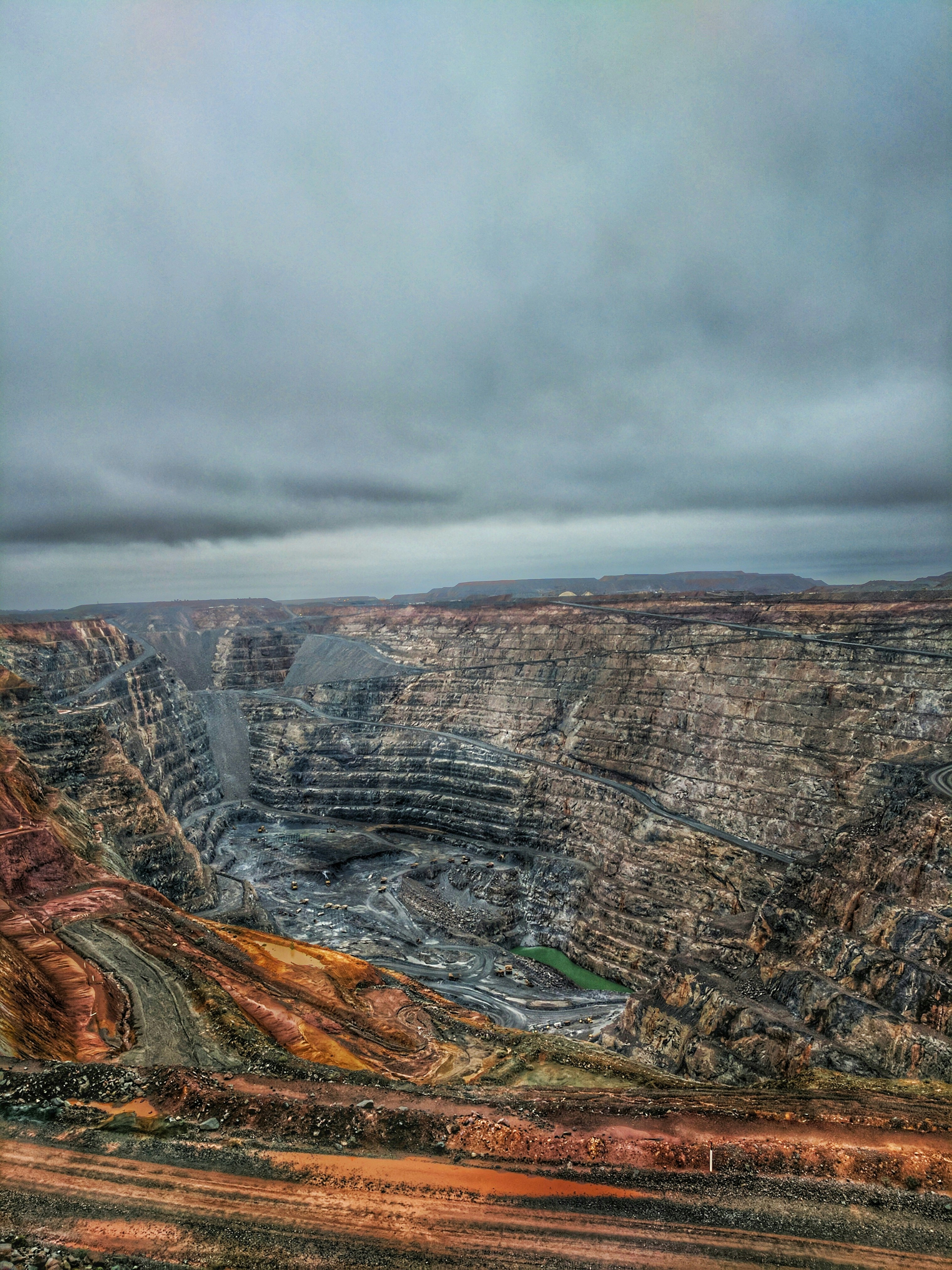
Image Credit: Matthew de Livera from Unsplash
Another open pit mine but this time located in Australia. You can very clearly see the devastation.
Links to further information on the impacts of deep-sea mining:
The impact of deep-sea mining on biodiversity, climate and human cultures | IUCN NL
A Magical World of Brittle Stars Is Under Threat - The Atlantic


_(Pacific_Ocean)_2.jpg)

