





Like most people, you may forget that your own actions, however small, do in fact make an impact on the environment. When the vast majority of the world disregards how their actions might affect the planet, it builds up into a larger issue, such as climate change.
You probably think your front yard has nothing to do with climate change. Think again, because a single rain shower can put marine life in danger. The water after a heavy rain carries a variety of substances into the storm drain, including chemicals, plastic, and any waste it picks up along the way to the ocean, where all storm drains ultimately lead.
Fertilizers and pesticides used on lawns and home gardens might seem harmless, but they play a big part in ocean pollution. In particular, it feeds excessive algal blooms, which can release toxins and poison sea lions and dolphins.
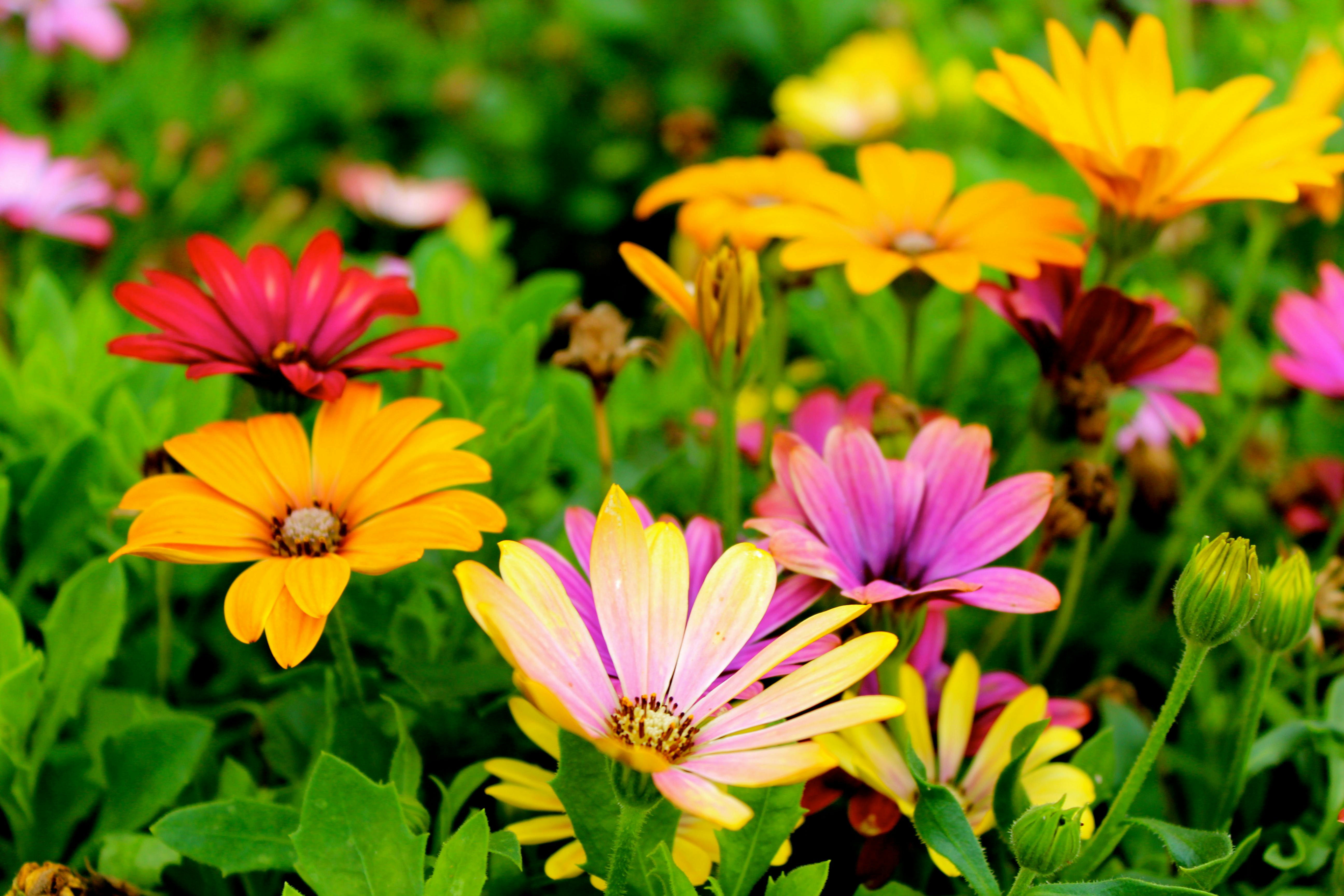
Image Credit: Leigh Patrick from Pexels
Let us slide into your dms 🥰
Get notified of top trending articles like this one every week! (we won't spam you)The Problem
Over-fertilization of lawns paired with precipitation ultimately leads to polluted water entering rivers and oceans. That water often carries ammonia, nitrogen, and phosphorus, which feed harmful algal blooms.
Just earlier this year, I learned that hundreds of sea lions had washed up on the California coast, poisoned by toxins from these blooms. The same water that makes our gardens greener can make the ocean sick and toxic. It's not just marine life that suffers: humans have been affected through beach closures, contaminated seafood, and unsafe swimming waters in local beaches. I used to think that pollution only came from factories and excessive plastic, but a big part of the problem sits in your neighbor's backyard.
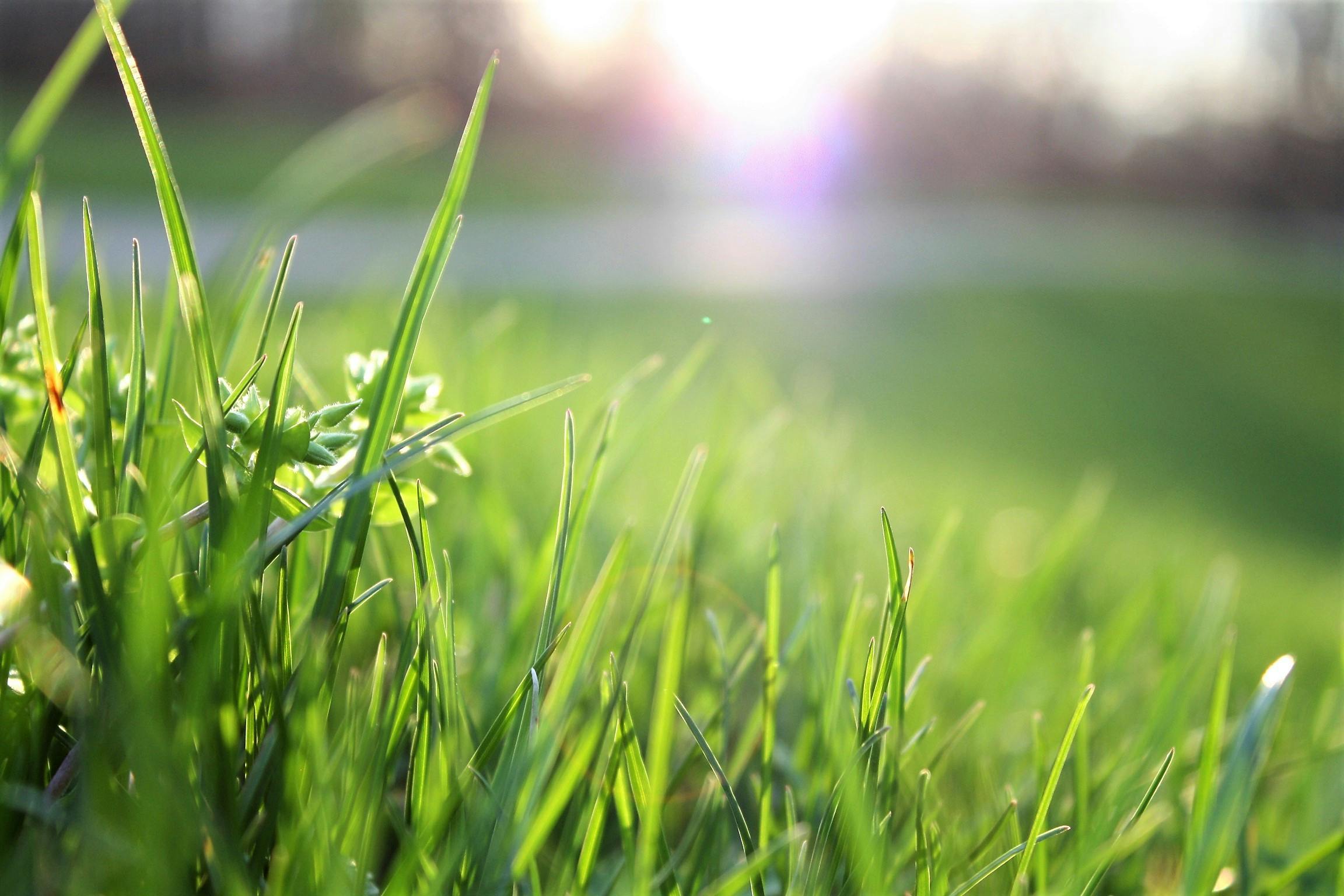
Image Credit: Matthias Cooper from Pexels

Take the Quiz: What Candle Scent Matches Your Overall Aesthetic?
Halloween is just around the corner. It's time to light that candle. Take this quiz and find out what candle scent suits you best.
The Solution: Ocean-Friendly Gardens
Many of us youth don't own homes yet. However, there are communal gardens and even your parents' lawns that can be reworked to be ocean-friendly. The idea is simple: stop the pollution right at the source, before it even reaches the storm drains.
Ocean-friendly gardens don't have to be complicated. Sustainable landscaping can look like native plants, simple rain barrels, and smarter irrigation to filter water naturally. Even rerouting your downspout or simply using less fertilizer can make a difference.
Anyone can do it. It's budget-friendly, simple, low-maintenance, and the changes you can make to your family's lawn are numerous. As a bonus, ocean-friendly gardens are more resilient during droughts, typically requiring less water and therefore reducing the water bill that your parents might complain about.
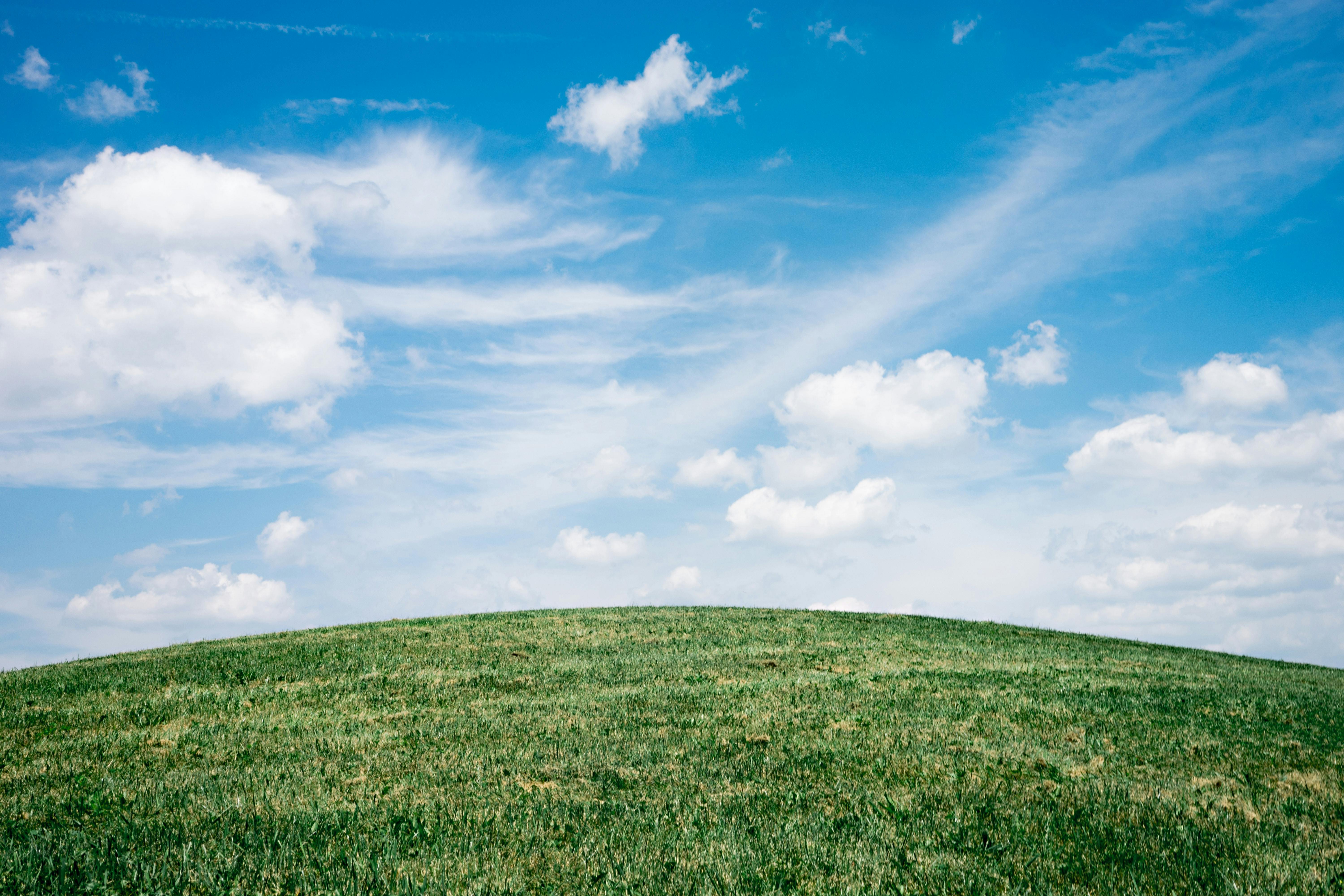
Image Credit: Scott Webb from Pexels
The Bigger Picture
A single storm can send millions of gallons of polluted water into the ocean. But one community of ocean-friendly yards can lessen the effects. The choice between a traditional lawn and a sustainable garden is the difference between ocean pollution and ocean protection.
We don't need to wait for politicians to fix climate issues. Sometimes, the best solutions start with a few seeds and a shovel. Every storm is a chance for pollution, but it's also an opportunity to help protect the coast and marine life.

.jpg)






.webp)