



Plastic is everywhere. From your iced coffee cup to the packaging of your favorite snacks, it has taken over. But here’s the thing: we’re drowning in it.
And our oceans? They’re taking the biggest hit. This article will explain what plastic pollution is, the causes and effects, and most importantly, what we as teens can do to help with the issue.

Image Credit: Naja Bertolt Jensen from Unsplash
Let us slide into your dms 🥰
Get notified of top trending articles like this one every week! (we won't spam you)What is Plastic Pollution?
Plastic pollution is defined as the accumulation of plastic objects in the Earth’s environment. Most plastics aren’t biodegradable, which means they don’t break down naturally. Instead, they break into smaller pieces, including microplastics and nanoplastics. Every year, around 8 million tons of plastic end up in the ocean.

Image Credit: John Cameron from Unsplash

Take the Quiz: What Candle Scent Matches Your Overall Aesthetic?
Halloween is just around the corner. It's time to light that candle. Take this quiz and find out what candle scent suits you best.
Causes
There are many causes of ocean pollution. Around 80% of plastic in the ocean comes from land-based sources. This includes litter on the streets and plastic that isn’t recycled correctly. The remaining 20% of plastic comes from ocean-based sources such as fishing gear or illegal dumping of waste from ships.

Image Credit: Frank Flores from Unsplash
Another lesser-known cause of ocean pollution is microplastics. These are tiny pieces of plastic (usually smaller than 5mm) that you usually can’t see, but they’re everywhere, even in the water we drink. They mostly come from two surprising sources: synthetic clothes and personal care products.
Clothes made of polyester, nylon, and spandex (most workout gear and fast fashion) shed tiny plastic fibers every time you wash them. These fibers go down the drain and end up in the ocean because most water treatment plants can't filter them out. Also, some personal hygiene items (especially older ones) have tiny plastic beads called “microbeads.” These go straight down the drain and into the ocean. They’re banned in some places now but still in some products.

Image Credit: Dantor from Wikimedia Commons
How It Affects Marine Life
Plastic pollution in the ocean has devastating effects on marine life and ecosystems. 67 marine species are harmed by plastic pollution. An estimated 100,000 to 1 million marine animals die each year due to the polluted oceans. Common ways of suffering include animals ingesting plastic objects, due to mistaking the plastic for food.
The animals either choke on the plastic or it gets into their digestive system. If this is the case, the plastic blocks their body from being able to properly consume food, leading to death by starvation. Many animals also die by getting tangled in the plastic. Plastic rings, nets, and bags trap animals, injuring them and making it impossible to move.

Image Credit: Roy McCree from Unsplash
Marine ecosystems also get damaged by pollution. Coral reefs, for example, can get covered by plastic debris, making them uninhabitable for marine animals. In addition, when plastic covers corals, it creates a low-oxygen, low-light environment that weakens coral’s growth and increases growth of harmful bacteria.
How Can We Help
As a teenager, with issues this large, it’s easy to feel discouraged to do anything when the problem at hand seems too big. But real change doesn’t start with one huge action. It starts with a lot of small ones, especially when multiple people are doing them. So, here are three things we can do to help lower ocean pollution, one step at a time.
First, and the most obvious, reduce your plastic use! Now, I know you hear this from so many people and articles, and you are probably asking yourself “Where do I start?”. As a first step, invest in a reusable water bottle and reusable straws.
Imagine how many plastic bottles you can save from ending up in the ocean. Also, if you are someone who loves your iced latte from your favorite store, ask if they can fill it up in your reusable cup. Major food and drink chains and local cafes alike are encouraging the use of reusable cups for drink refills. There is no harm in asking! Next, keep track of how much plastic you consume, using either your own note-tracking system or downloading a helpful app, like My Little Plastic Footprint. This app shows you how much plastic you use in your daily life and gives tips on how to reduce your plastic consumption and find alternatives. Finally, always make sure to recycle plastic properly, or else it ends up in the landfills, and eventually the ocean!

Image Credit: Getty Images from Unsplash
Second, stop falling for over-consumption culture! It’s easy, especially with social media, to feel the need to buy the newest products. However, mass production mainly relies on plastic.
Thus, the more you buy= the bigger hit on the environment. In order to not fall victim to the growing rise of consumerism, here are some things to keep in mind. First, try to avoid fast fashion at all costs. Fast fashion clothing contains tons of microplastics which are extremely harmful to the environment. Instead, try thrifting which gives a second life to pieces of clothing and makes sure the items don’t end up in landfills. You can also do your research and look into brands that are sustainable. To do this, find out if brands use recycled packaging, minimize plastic production, and treat workers fairly.

Image Credit: Francois Le Nguyen from Unsplash
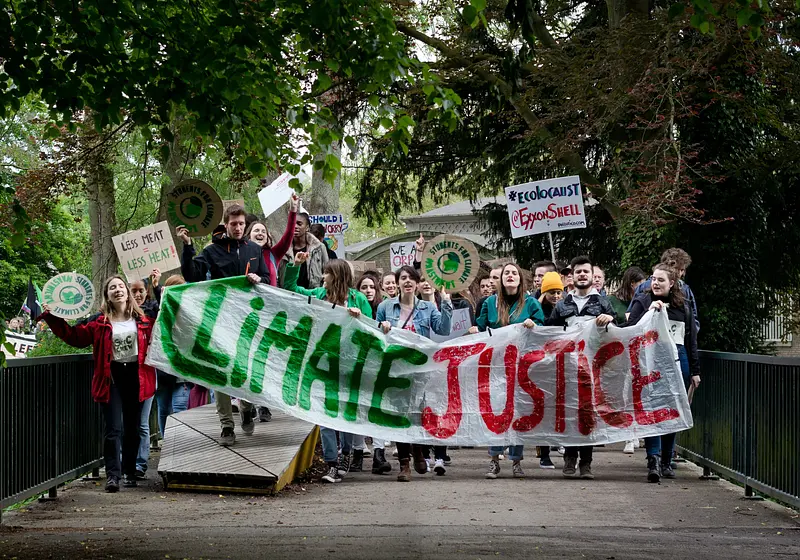
Lastly, you hold a powerful voice and it’s important to use it to educate others. You can start or join a club at your school focused on reducing plastic us. Email your principal to push for compost bins in the cafeteria.
You can even go bigger by reaching out to your town, city, or state representatives about eco-friendly bills and/or petitions that are waiting to be passed. Follow activists who share sustainable tips, or even become one yourself. Every step adds up.

Image Credit: Getty Images from Unsplash