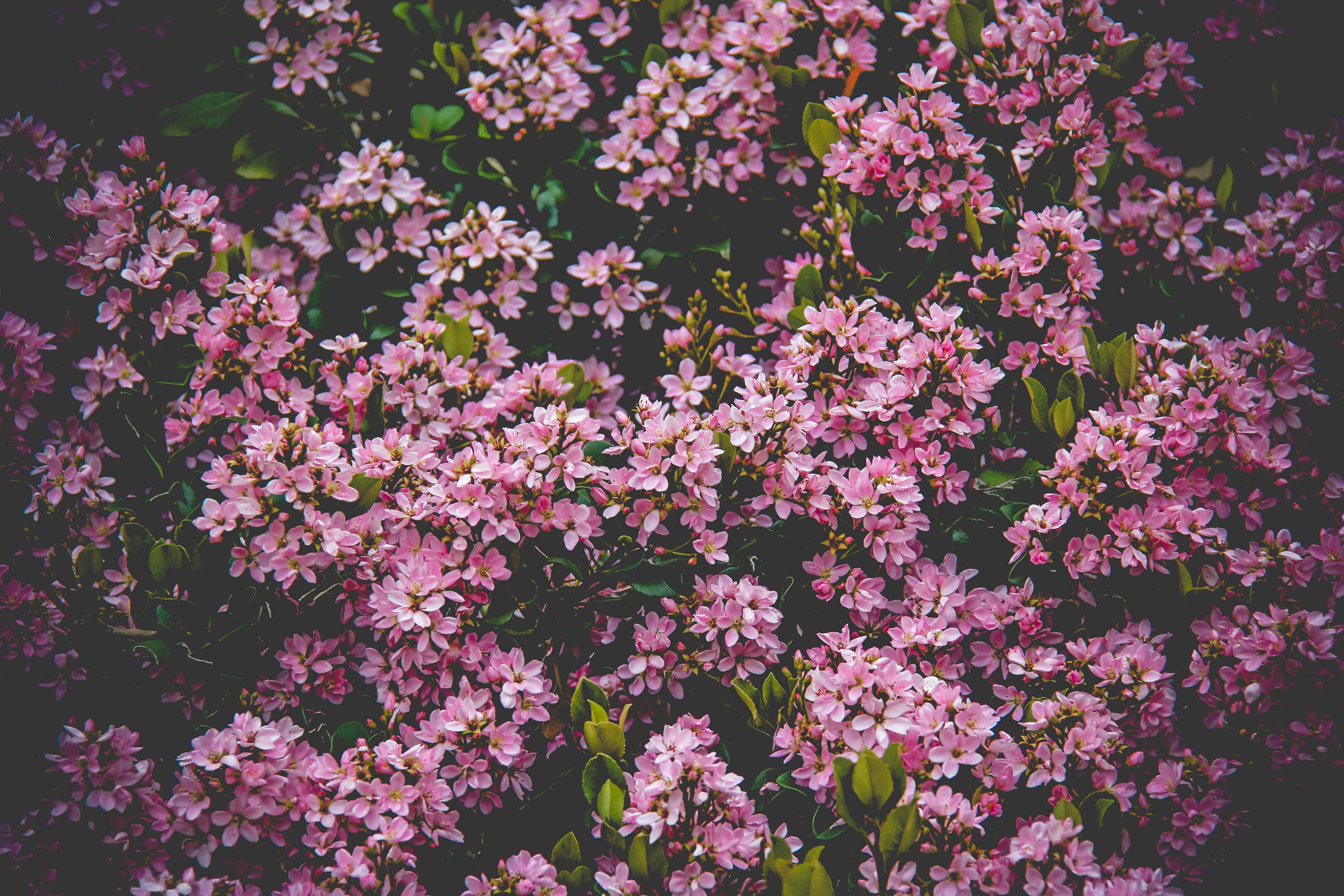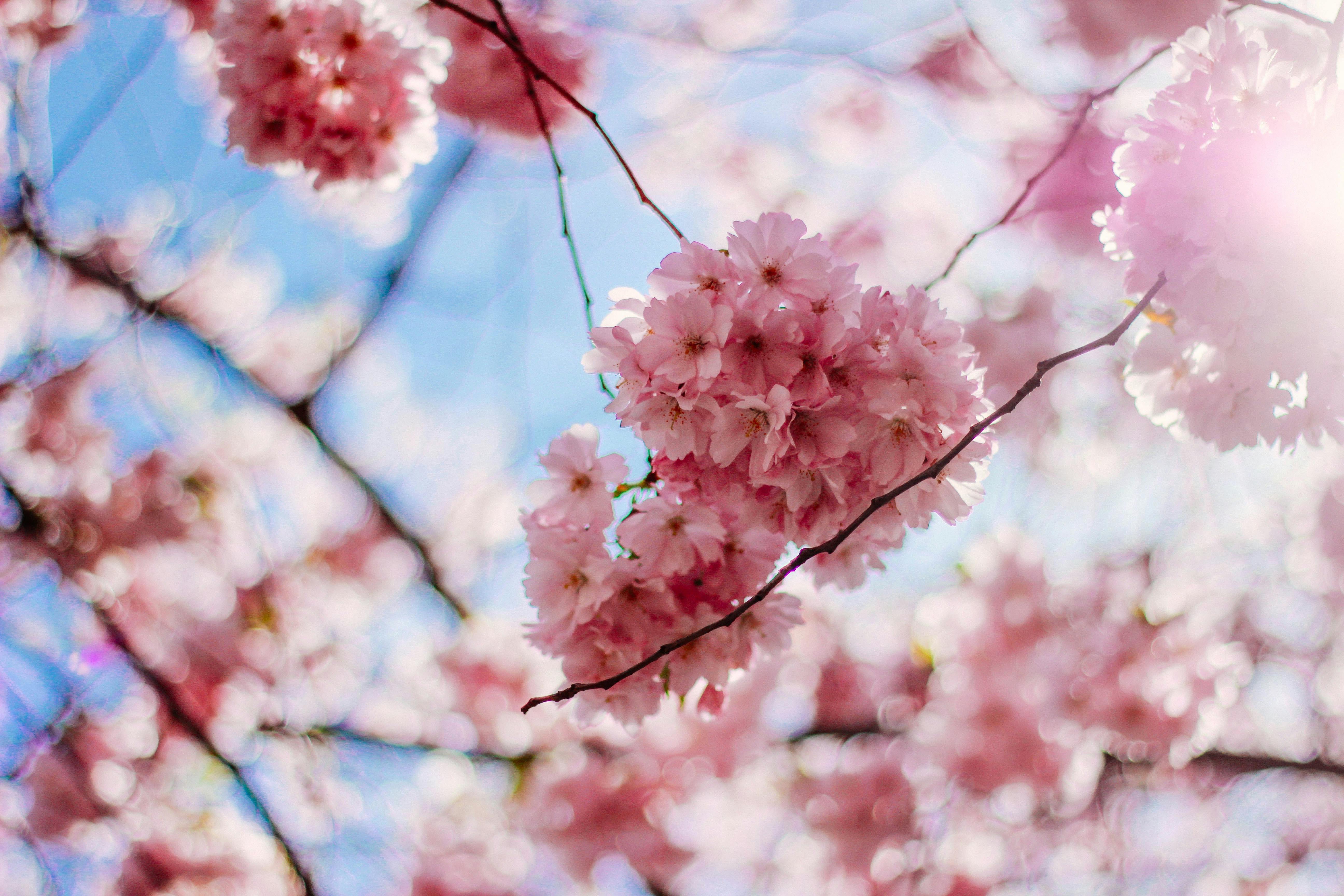






The human brain tends to associate all shades of light with certain themes, whether consciously or subconsciously, through a concept we know as color psychology. Green is the color of envy and red is the color of anger. Pink however, has come to be a color that has faced contradictions due to how its gendered symbolism is integrated and weaponized. Thus, this stigmatization has long bred resentment for the seemingly simple lighter shade of red.
Image Credit: Thomas from Pexels
Let us slide into your dms 🥰
Get notified of top trending articles like this one every week! (we won't spam you)Gender Stereotypes
You have likely heard that "pink is for girls and blue is for boys" at some point in your life (or at least thought it). This is the case at least for gender reveals where pink indicates that a couple is having a baby girl while blue indicates that they are having a baby boy. However, this association between pink and femininity extends much farther in how genders are represented.
Because parents often play into this stereotype by automatically painting the walls of their infant or toddler daughters' rooms pink and filling their rooms with toys of this color, it teaches children at a young age to assume that pink is meant to be for girls. This oversimplified and widely held belief about the color in turn narrows societal expectations about how people of certain genders are "supposed" to express themselves.
The extent to which this gender stereotype is upheld eventually threatens to cultivate prejudice and reinforce societal norms. When something does not necessarily follow these standards—such as if a boy were to wear pink or if a girl were to dislike pink—people tend to see them as abnormalities and reject these ideas. As a result, freedom of expression is often limited as the fear of bias or judgement continues to grow.

Image Credit: Nguyen from Pexels

Take the Quiz: What’s Your Perfect Skincare Product for the 'Clean Girl' Look?
Take this quiz to discover the perfect skincare product for your “clean girl” routine!
The Framing of Femininity
On the surface, the color pink also serves as symbolism for traditional themes. As a softer shade of red, pink often symbolizes love, affection, beauty, and care. To many, this is a source of controversy as it places women back into past gender roles through a color that is seen as nurturing. By also integrating it as a representation of lust, it frames the fetishization and objectification of femininity.
Similarly, pink symbolizes innocence, youth, and purity. Because of the color's inherent link to girlhood, the idea that women should be delicate and well-behaved becomes reinforced. This ultimately creates an idealized standard for women to always be gentle, compliant, and submissive, thus confining femininity and defining it through expectations rather than expression. The traditional means of how pink is symbolized are less reliant on the nature of the color and more on the historical aspect of containment and cultural construction.
Image Credit: Paukshtite from Pexels
Redefining Pink
Despite traditional symbolism of the color, pink has become more modernly recognized as a sign of empowerment due to how its representation is being redefined. For example, pink serves also as an awareness symbol for breast cancer (Happy October! - Breast Cancer Awareness Month). In this sense, the color pink has instead become an inspirational symbol of resistance and strength for those who are battling breast cancer, know someone who is, or dedicated to spreading awareness for it. The reclamation of pink has also displayed its presence in feminist movements that champion the color and fashion that uses pink to instead express individuality.
Resistance to the color pink was never about disliking it as a hue, but instead about rejecting its constraints and stigmatization associated with what it represented. By looking past the norms that society conforms to accept, pink goes from being demeaning as a sign of fragility to becoming uplifting as a symbol of empowerment.


.jpg)


.jpg)