




Recent trends of reclaiming feminine stereotypes have begun on various platforms like TikTok, YouTube Shorts, and Instagram. Femininity that women were shamed for before is being accepted widely as strength. Women are unaware that by reclaiming these feminine stereotypes, they are supporting the patriarchal society that started these stereotypical beliefs.
Historically, when a role or trait loses its power and becomes devalued, it is called "feminine," and when it gains value, it becomes "masculine." This has been proved various times as we look back in history. This has escalated to the point that generalised terms like masculine and feminine should be abolished overall.
Let us slide into your dms 🥰
Get notified of top trending articles like this one every week! (we won't spam you)1. The Colour Pink

Image Credit: Mikhail Nilov from Pexels
The Ladies Home Journal (1918) suggested that pink should be worn by boys since it was a more decided and stronger colour and blue should be worn by girls since it's more dainty and serene, suiting girls more.Later, as the uniforms of police officers, military, and business suits—all of which are male-dominated fields—began the use of blue, it came to be known as a masculine colour.Pink, on the other hand, after World War II in the 1950s, women were encouraged to embrace domestic roles, and pink was seen as a colour that was associated with stereotypical femininity.Once the colour pink lost its authority, it was reassigned to women, who were seen as subordinates in the patriarchal society.


Take the Quiz: Religion, Schools, and Equality
Religion in Schools: Teaching Respect, Not Bias.
2. High-heeled Shoes
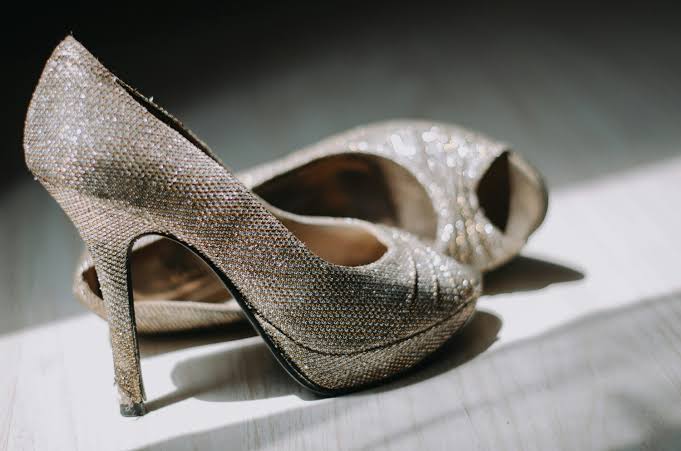
Image Credit: Alex Hudson from Pexels
In Persia in the 10th century, high-heeled shoes were worn for aiding in horseback riding. Later, after King Louis XIV began wearing high heels, they turned into a symbol of status and power, and being taller portrayed dominance.After the Enlightenment Era, men were expected to be more practical and rational. Since men were supposed to carry traits that had value, they were forced to let go of impractical heels.Once again, when heels lost their status and practicality, they were passed on to women and associated with femininity and elegance.
3. Ballet
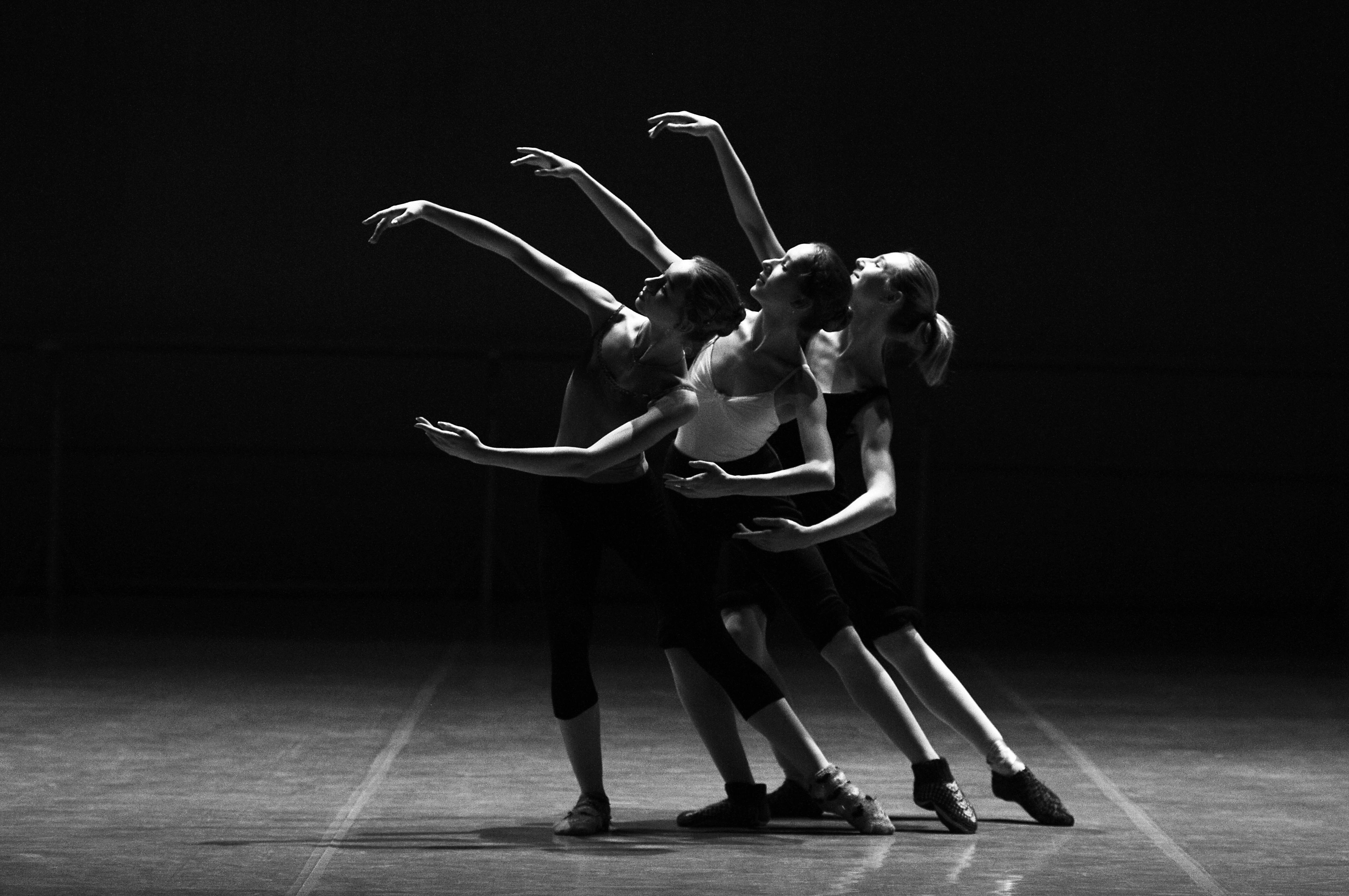
Image Credit: Pixabay from pexels
Ballet used to be a male-dominated field, partly because women were banned from participating in theatre. Graceful and delicate dancing was seen as a display of power and status, hence linked to masculinity."During the Romantic era, ballets featured women as ethereal beings, while men played the roles of heroic figures or protectors." as stated by Psychology Today.Elegance and grace, once seen as a display of authority, lost value and were labelled as feminine, while protection gained power and was now associated with masculinity.
Conclusion
In a nutshell, femininity and masculinity are patriarchal constructs where men are put on a pedestal and women are given a position that lacks value and power. The old patriarchal society is long gone, and so should nostalgia for such stereotypical beliefs. Men and women should choose any role or style they wish without labelling it as femininity or masculinity.Style, roles, and positions are never inherently ingrained in us; that is why we are free to choose without placing a tag on them.
Patriarchy is a systemic issue, not solely a gendered one. Feminists do not hate men instead they are against the society that fits a gender in category.
As said by Justine Musk:
"The enemy of feminism isn't men. It's patriarchy, and patriarchy is not men. It is a system, and women can support the system of patriarchy just as men can support the fight for gender equality."
Feminism believes in the equality of all people and not in the superiority of a particular gender. The aim is the destruction of misogyny, not men.






.jpg)