






AI, or artificial intelligence, is wrapped up in the drama of ethicality and whether it's going to take over the world. While this is significant to the state of humanity and life as we know it, it's important to recognize the environmental cost it has and how being online isn't as clean as it seems.
Many of us believe that staying online and watching "#SaveTheEnvironment" videos is beneficial, but this is unfortunately far from the truth. Currently, there are approximately 5.64 billion internet users, and collectively, we are a primary contributor to the rising issue of climate change. There are a number of reasons why this is true, and here are a few.
Let us slide into your dms 🥰
Get notified of top trending articles like this one every week! (we won't spam you)Manufacturing Materials
Materials such as lithium, cobalt, and nickel are all mined in order to produce the AI hardware. The Yale School of Environment found that the "mining and production of these metals used in AI hardware can lead to soil erosion and pollution." Additionally, if these materials are not disposed of correctly, they can further strain the soil and water sources. Specifically, cobalt mining is seen in the Democratic Republic of Congo and raises both environmental and ethical concerns due to the devastating impact it brings.
After a company collects all the necessary metals to produce the GPU, they combine them to create a tiny chip that is generally replaced every 3-5 years. This entire process generates immense emissions to the local environment, therefore increasing health and safety risks.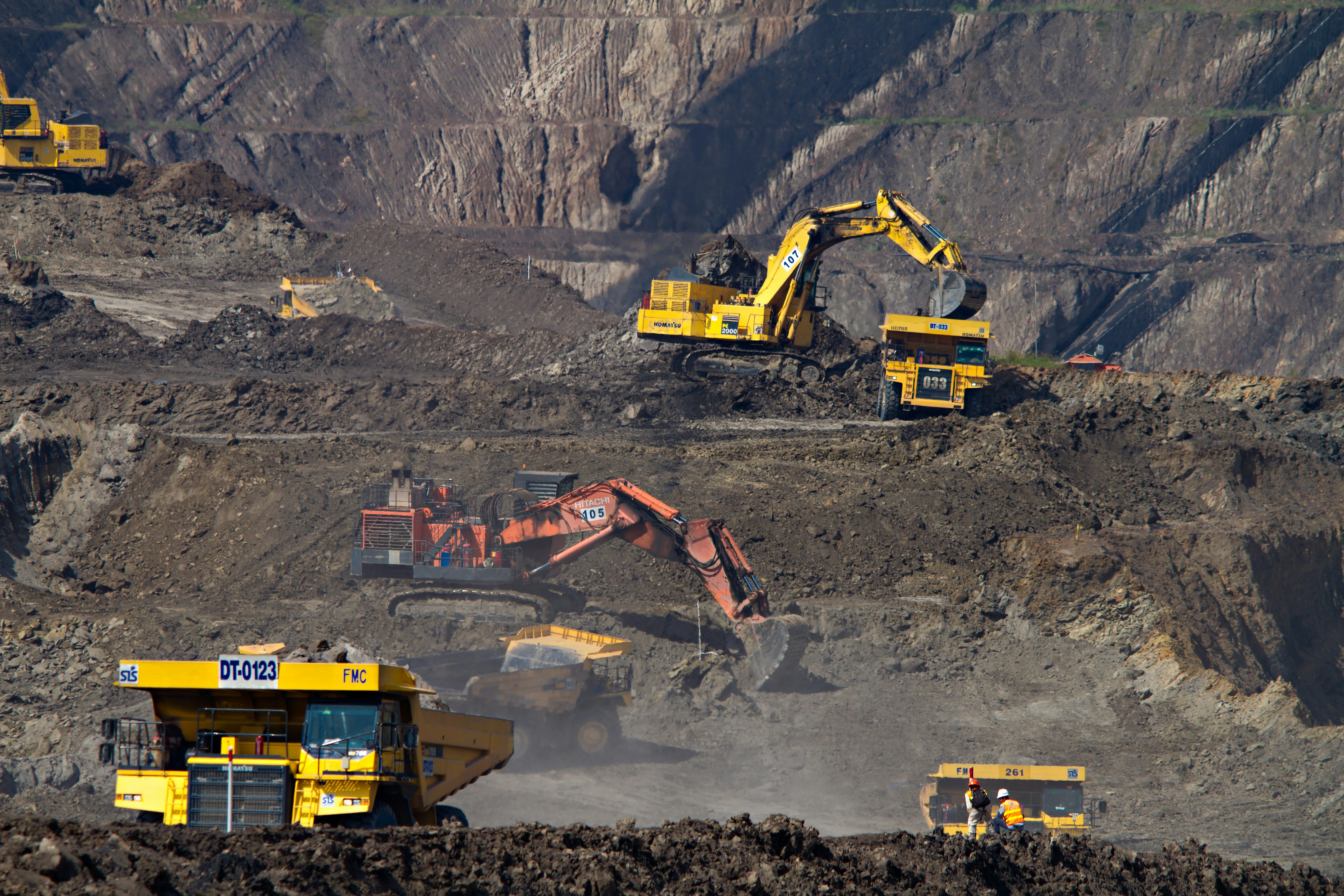
Image Credit: Dominik Vanyi from Unsplash
Energy Consumption
The amount of computational power it takes to train AI models requires a large amount of electricity, which produces excessive carbon emissions and increases the strain on the electricity grid. Even after the model is thoroughly developed, it requires fine-tuning to ensure millions of us, such as you and me, can use it in the real world.
Data Centers
This ongoing demand for AI leads to data centers being in use 24/7. Data centers are used to train and test deep models such as ChatGPT, thus increasing the overall demand for them. Most of these run on electricity, primarily fossil fuels, which increases the CO2 emissions dramatically. These centers heat up significantly, so to cool them down, a large amount of water is used. An article from MIT News stated that "for each kilowatt hour of energy a data center consumes, it would need two liters of water for cooling."

Take the Quiz: What Candle Scent Matches Your Overall Aesthetic?
Halloween is just around the corner. It's time to light that candle. Take this quiz and find out what candle scent suits you best.
E-Waste
Not only do these models have a large environmental impact, but they also have short lives. When a company releases a new model, which is generally every few weeks, the energy used for older versions goes to waste. These new versions are more complex, requiring more energy to train them than before. We will continue to develop AI, and as we do, the environment will suffer even more.
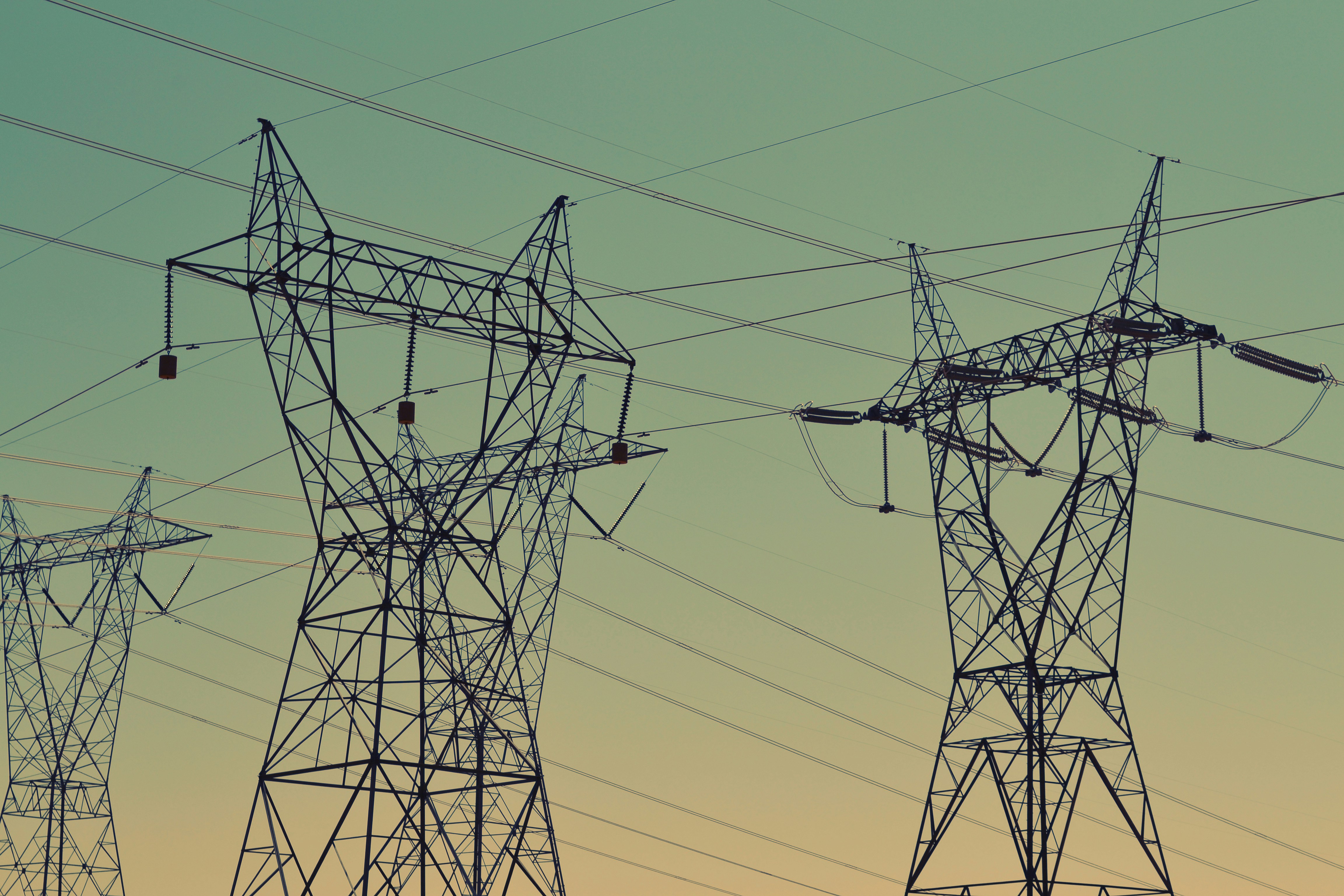
Image Credit: Fré Sonneveld from Unsplash
What Can You Do?
Each time someone asks ChatGPT to make a flight plan, do their math homework for them, or even summarize an email, it contributes to the growing trend of climate change. Researchers estimate that prompting ChatGPT requires five times as much electricity as a simple internet search. Many estimate that Google searches will drop by 25% due to the increasing reliance and accessibility of AI platforms. So, what can we do to minimize AI's environmental impact?
1. Educate Yourself
Even if you aren't directly involved in AI development, learning about the environmental consequences associated with it will ensure you don't contribute to the problem as well. In doing so, you can advocate for sustainable use by pushing certain policies that align with green development. It's not necessary to be a politician making these policies; supporting them can have significant benefits as well.
2. Reduce Reliance
Every interaction you have with AI uses energy in the data centers. That's why it's important to understand how to use AI only when absolutely necessary. You can ask yourself: "Is AI really necessary for this?" Environmentally-friendly alternatives to AI can be basic Google searches or research databases.
3. Conserve Energy
Rather than leaving your computer open even when you're not using it, it's beneficial to turn off any devices after use. Additionally, you can use power-saving settings such as low-power mode, dark mode, and setting screen-time limits. Even the smallest thing can have a large impact over time.
Conclusion
AI has grown into students' and professionals' everyday lives, and we often overlook the environmental damage this has caused. However, each one of us can take action and make a difference. Rather than immediately opening AI, the first step is to utilize a separate resource to minimize AI's detriments, since change begins today.