



Carbon neutrality was once seen as the finish line in our race against climate change. Promise after promise, net-zero by 2030, 2040, or 2050, poured in from countries and institutions in equal numbers. But when we were all-in for green spending and carbon offsetting, something new was brought to the table.
Artificial Intelligence (AI). Ever since, AI has been rewriting the rules faster than we can even keep pace.
We are now watching as AI is being integrated into our cities, educational institutions, social networking updates, and our climate policies today. However, its energy demand, blind areas, and political exceptions are today revealing something harsher than we expected. If this continues, AI might not become the "climate savior" we envision. Instead, it could be the one stoking this issue.
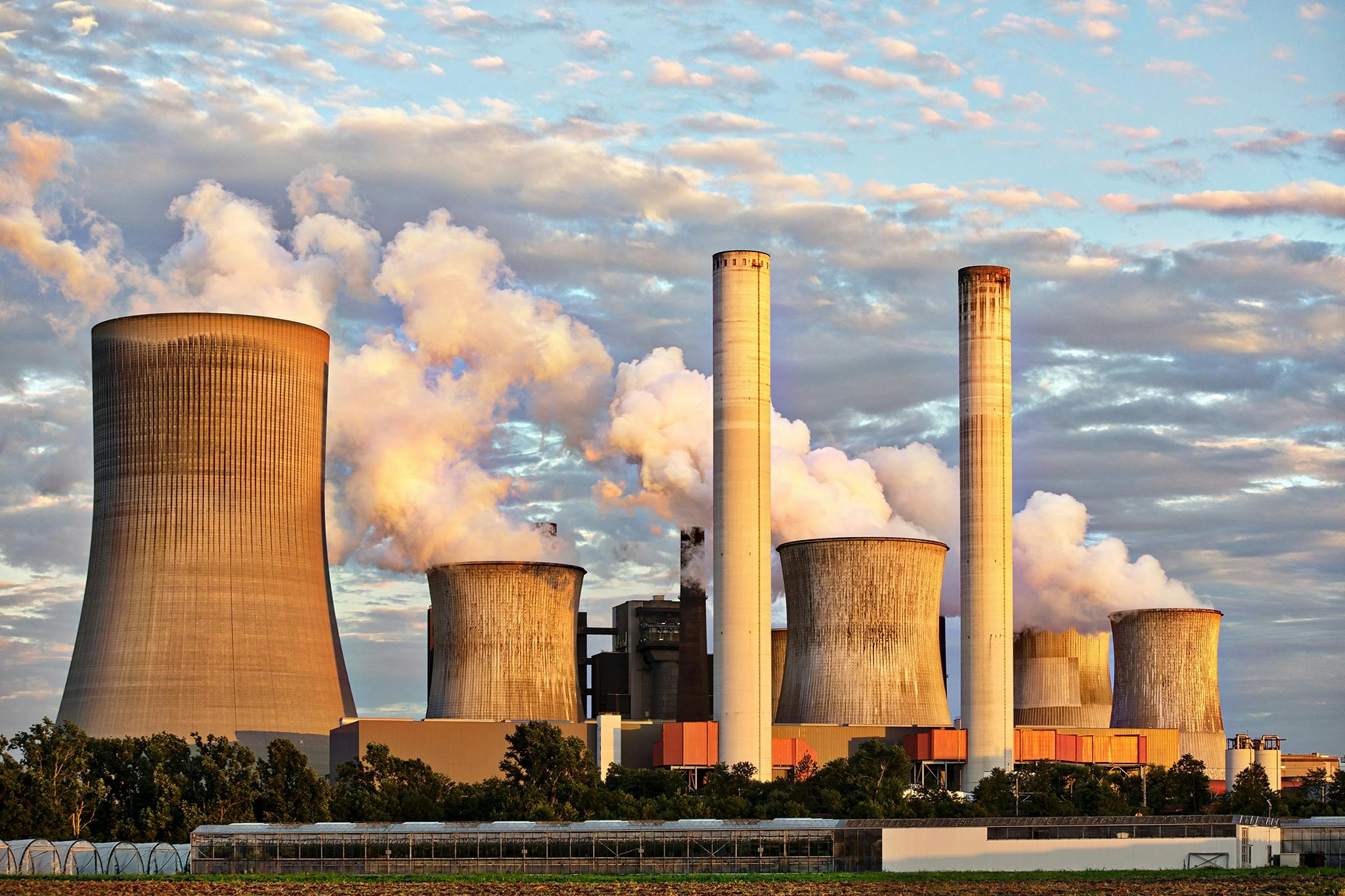 Image Credit: Carbon Emissions from Pexels
Let us slide into your dms 🥰
Get notified of top trending articles like this one every week! (we won't spam you)AI’s Carbon Footprint Is Outrunning Its Promise
While AI seems to be transparent, it is absorbing tons of carbon that nobody appears to notice. In accordance with the 2025 ITU-WBA report, the four largest technology groups (Meta, Google, Microsoft, and Amazon) indirectly made carbon emissions increase by 150% between 2020 and 2023 due to introducing more data centers, larger variants, and having millions of more clients to serve. Individually, the company Amazon increased its carbon emission by 182%; Microsoft increased by 155%; Meta by 145%; and Alphabet (Google) by 138%, as reported by Euronews. Those emissions represent the power they use to run and the energy they buy for these uses of AI. Data centers in today's age consume 2.1% of the world’s electricity (581 TWh in 2023), and half of it in a mere decade through only ten companies, the International Telecommunication Union and the International Energy Agency concur.
Meanwhile, a recent arxiv article estimated that big language models use up to 4,600 times the energy of simple ML models, and AI electricity usage will jump 24-fold in 2030 unless the entire AI supply chain starts to become more efficient. Beyond electricity, data centers also use massive quantities of water.
While one 100-megawatt facility can gobble two million liters a day (enough to serve thousands of homes), many of the latest data centers are located in dry areas such as Arizona and Texas. One report published in Undark claims that Google data centers in 2022 consumed over 20 billion liters of water, and in their host city in Oregon, in The Dalles, they are consuming over 25% of the community water supply, causing concern with locals and First Nations people.
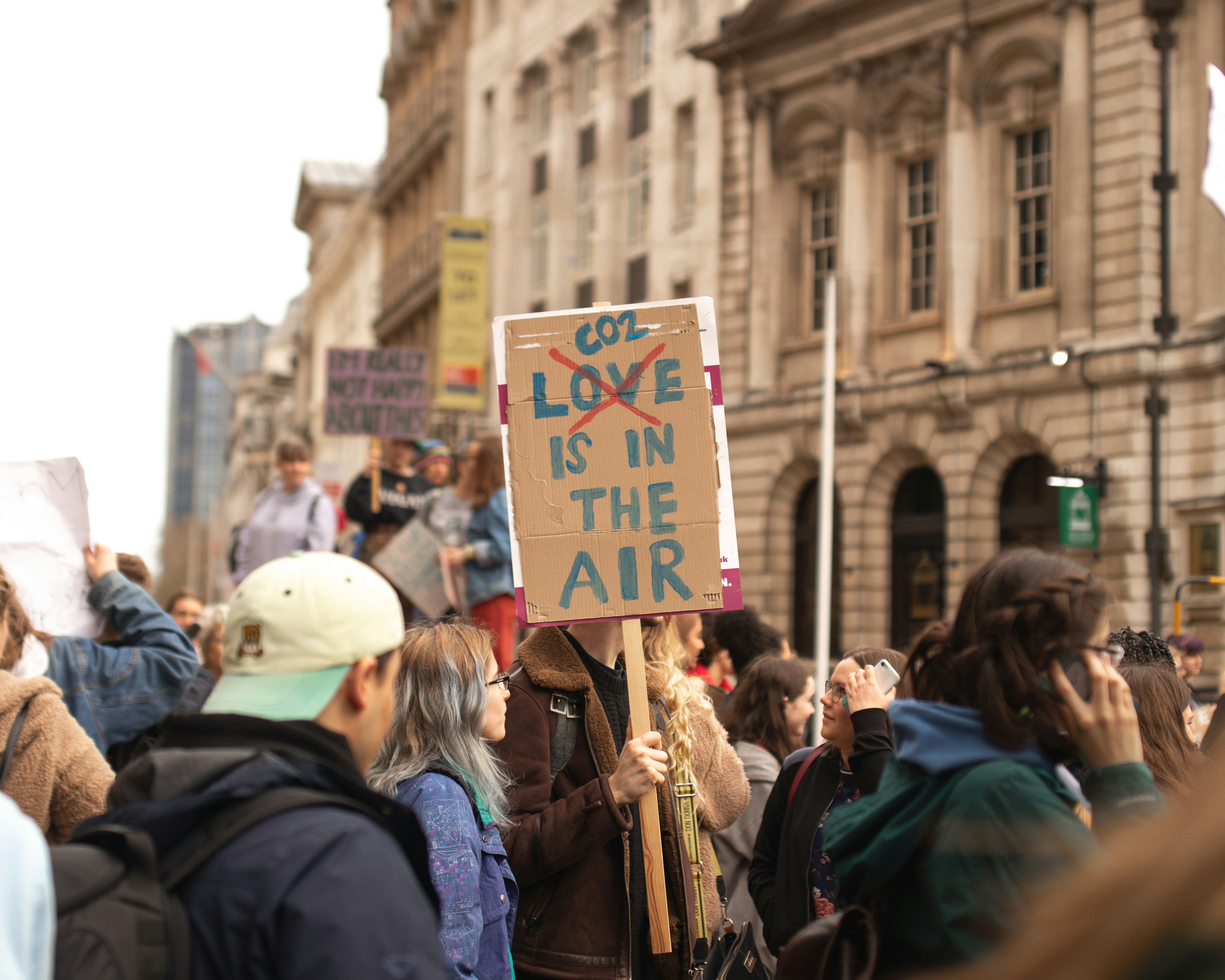
Image Credit: Callum Shaw from Unsplash


Take the Quiz: Do You Know Gen-Z Slang?
Take this quiz to see if you're updated on the latest Gen-Z slang!
Real People and Inequalities
With growing data centers and AI systems, their impact spreads in a distinctive way. Such massive purchasing to power up chips like manganese, cobalt, and lithium often begins in environmentally debilitated cultures in the Global South. Rachel Adams of the Global Centre on AI Governance states that more than 2/3 of newly generated global prosperity went to the top 1% and further entrenched divides between AI-rich and AI-poverty-ridden nations. Africa contributes only 0.04% of world supercomputing power today, and the most affluent AI innovation takes place in other countries.
In parallel, UNFCCC’s #AI4ClimateAction initiative raises awareness about AI’s potential future applications (e.g., flood early warning or microgrid optimization) along with the risks it generates, known as digital exclusions, data biases, energy overstretch, and the absence of governing institutions in emerging nations.
Is “Green” Just a Gimmick?
Unfortunately, some of the climate fixes that are peddled under the label of AI-driven tech are bogus or unsafe. Microsoft was storing 5 million tons of organic waste in the ground to balance 168% increases in AI energy usage. Yes, 5 million tons of dung: a token gesture at carbon removal that critics argue is a diversion from actual changes required, as stated by Windows Central .
Now let's look at the everyday applications of AI. ChatGPT chat box requests and image generation take five times more energy than a normal search and use more energy than a smartphone battery, the World Economic Forum states. Ten times more energy is expended in a single query of an AI chatbot than in a general Google search as estimated by Sydney-based researchers.
Thermostats, efficiency-saving EVs, and other AI gadgets all function well alone, but all together produce peak usage spikes, as mentioned in the Undark magazine. Should they all make life easier, we will probably end up using more, cancelling any savings in efficiency, the Jevon's paradox states.
Deregulation
In July 2025, the U.S. published an AI Action Plan that expedites data center approvals, unwinds state regulation, and downplays environmental impact reviews. Climate activists and attorneys have decried it as reckless—as if racing down the highway without looking at the gas gauge on a several-hour drive, Axios reports.
Global initiatives, such as the Paris AI summit, invited a declaration on sustainable and inclusive AI that was supported by some 60 nations, but did not accept participation from great powers such as the U.S. and U.K., citing that it did not do enough to safeguard national security or interests, according to The Guardian.
This further resulted in a tech race. AI firms build data centers where rules were not as firm. Renewable commitments are window stickers, and emissions rise while no governments insist upon full disclosure or public reporting.
 Image Credit: Markus Spiske from Unsplash
AI Becoming our Climate Ally
If we restructure our method of creating and operating AI, the climatic potential of the technology is achievable. An estimation in a 2025 npj Climate Action research has been made that AI deployment in the electricity grid, food chain, and transportation will prevent up to 5.4 billion tons of CO₂ equivalent in 2035 annually (bigger than all current United States' emissions output).
Yet the International Energy Agency and other specialists caution that without robust infrastructure, appropriate incentives, and protection against rebound effects, such benefits will not necessarily accrue. Grid optimization, intelligent agriculture, and monitoring forests are some methods, but to work need to be undertaken with prudence, civic engagement, and regulation. In the future, the UNFCCC's science-based approach will require:
- Investment in green skills and digital infrastructure in emerging nations
- Open data releases in climate and AI modeling
- Inclusive platforms to break down algorithmic bias
- Laws governing AI's transparent, ethical, and equal usage of water and energy.

Image Credit: Omar Lopez-Rincon from Unsplash
Even we are envisioning creative pitches: naturally cooled submarine data centers with underwater currents, Nordic city tunnel conversions to house data servers, and Microsoft's (still-controversially-sourced) sewer-based carbon capture—all sorts of innovation in infrastructure that will not compensate disequilibrium's in the system or failures in governance, Tom's Guide discovers.
2025 carbon neutrality can start as a checkpoint. We must design rules and cooperation while opening our eyes to see how these matters impact people globally. In that way we should make climate risk a climate ally.
We can make the long-term future of sustainability, and that begins with holding more of technology, policymakers, and ourselves accountable. What we build and how we govern it reflects who we humans aspire to be, and we are the ones who can shape that future, together.


