






Picture this: you’re in a shiny Tesla, windows down, music blasting, feeling like the planet’s #1 hero because you’re not guzzling gas. This is true, but not to the extent that you had expected. EVs are marketed as the future: the guilt-free alternative to get around while saving the Earth. However, here’s the plot twist: the “zero-emission” cars aren’t as clean as you think.
Behind each ride is a battery the size of a small mattress, powered by rare metals like lithium and cobalt. Mining those materials has a ton of consequences. It rips apart landscapes, often getting rid of all the nutrients in soil, draining water supplies, and even forcing children to work in dangerous and toxic mines.
Suddenly, that eco-friendly Tesla doesn’t feel so green anymore. These are just some of the many extensive consequences that the production of electric cars causes.
The truth is, while EVs cut down tailpipe pollution, they shift the damage to somewhere else. To really understand the hidden cost of electric cars, we need to dig deeper: where do these batteries come from, how much damage do they cause, and what can we do differently? Let’s break it down.
Let us slide into your dms 🥰
Get notified of top trending articles like this one every week! (we won't spam you)The Batteries
Electric vehicles run on lithium-ion batteries, which sound futuristic and technologically advanced, but the grueling process of making them unearths a major issue.
Lithium needed for the batteries is mainly mined in places like Chile’s "Lithium Triangle” and in countries like Argentina, China and Brazil. Extracting just one ton, however, requires about 500,000 gallons of water. This is equivalent to filling 7 Olympic-sized swimming pools, or the daily water supply of 3,500 U.S. households.
That is wild! What's worse is that this water often comes from already dry areas and communities, leaving local farmers and communities struggling to find a proper, sustainable water source.
Cobalt, another key ingredient, mostly comes from the Democratic Republic of Congo. Around 70% of the world's cobalt is mined there, often in very unsafe conditions, leading to many casualties. Reports show that even children frequently work in the toxic mines for hours, all so EVs can keep running.
So, while EVs are marketed as “green”, their batteries are built on very prevalent human and environmental costs.
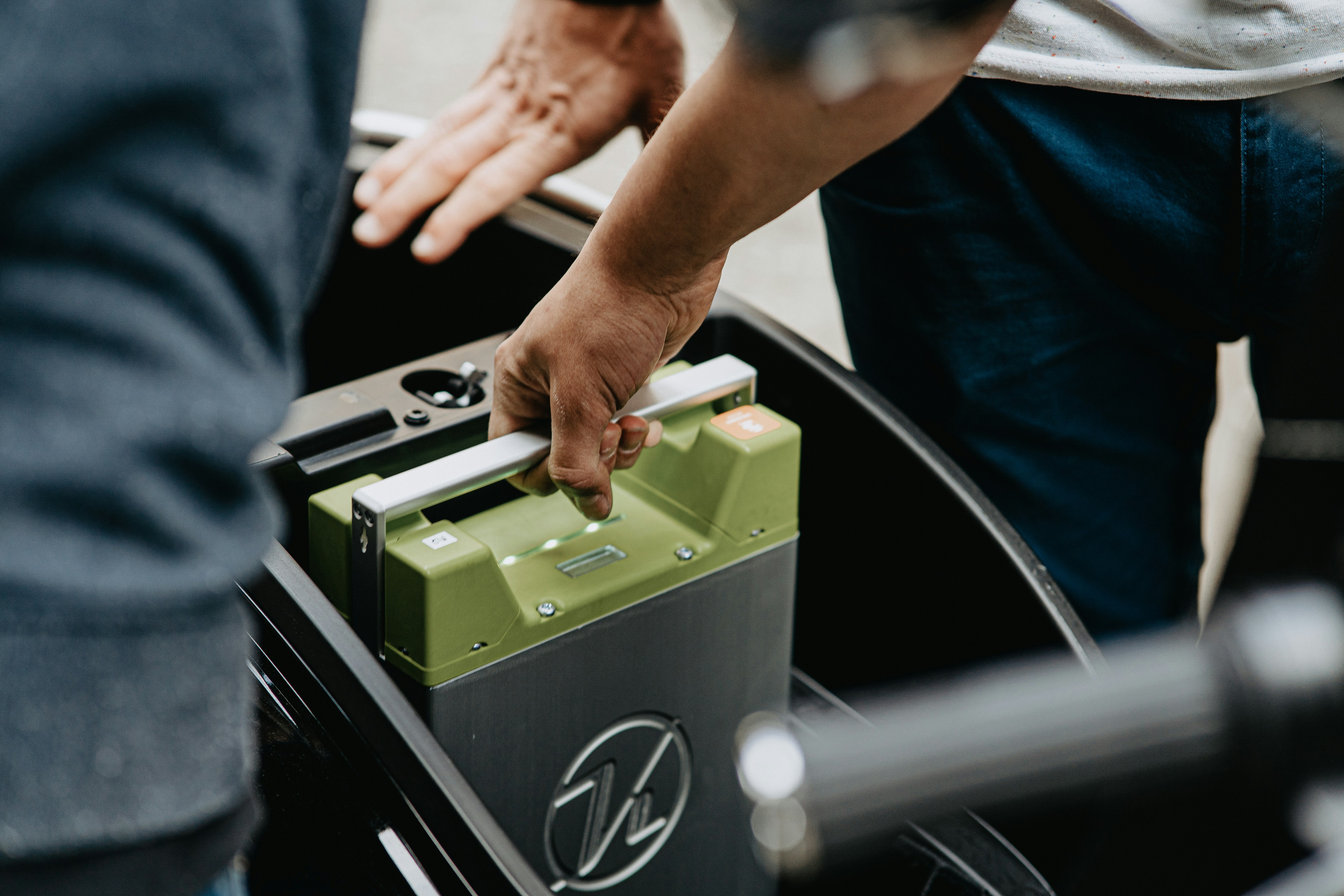
Image Credit: Kupman Electric from Unsplash

Take the Quiz: What Candle Scent Matches Your Overall Aesthetic?
Halloween is just around the corner. It's time to light that candle. Take this quiz and find out what candle scent suits you best.
Energy
Guess what? As all electronic things do, these lithium-ion batteries need to be charged to operate after it is drained. But here’s the catch: charging an EV depends on how your electricity is made.
As a result, if your area uses renewable energy, amazing! The emissions are much less. However, in many parts of the world, coal and natural gas still dominate.
That means plugging in your Tesla is basically plugging into a coal plant. This effect is even greater than we think. As you can assume, these electric cars need a substantial charge to run; thus, a study found that in areas powered by fossil fuels, EVs can generate as much pollution as a hybrid gas car over their lifetime. Meaning that even gas, in some instances, produces fewer emissions. I know!
So, an EV in Norway (powered mostly by clean hydro) isn’t the same as one in West Virginia (coal-heavy grid).
Recycling
EV batteries do not last forever. After about 8-10 years, the batteries need replacing. However, sadly, here is the catch: we don’t have a solid system for recycling them.
Right now, less than 5% of lithium-ion batteries are recycled worldwide, compared to 99% of traditional car batteries. That means most EV batteries end up sitting in storage or worse, leaking toxic materials like lithium, cobalt and nickel into the environment, in turn destroying ecosystems and even harming human health.
What makes this even crazier is that one EV battery holds enough material to build thousands of smartphone batteries. If we recycled them properly, we could massively cut back on destructive new mining. Instead, we keep digging for fresh materials, depleting the soil and environments of their nutrients, and making people work in dangerous, toxic workplaces, just to make more batteries.
Even the recycling processes that do exist are energy-heavy and expensive, so many companies skip them. Until we figure out safe, efficient recycling, EVs risk swapping tailpipe emissions for mountains of battery waste—a problem hiding in plain sight.

Image Credit: JIWON KANG from Unsplash
Are EVs Still Worth it?
Now let's be real. Even after all this, EVs are still better for the planet than traditional gas guzzlers in the long run. Studies show they can cut about 50% of lifetime emissions compared to gasoline cars. But pretending they’re “perfectly clean” is dangerous. It hides the mining destruction, the electricity problem, and the recycling gap.
What Can Be Done?
Still, you can feel good about yourself if you are maximizing the good that EVs bring out to the Earth, and reducing the damage they also cause. Here are some simple steps in the right direction for EVs and their emissions:
- Better batteries: New designs like solid-state batteries use fewer rare metals and put less strain on the planet.
- Responsible mining: We cannot avoid mining, but we can demand safer and fairer practices that cause less harm.
- Cleaner grids: EVs are only as green as the power grid. More renewable energy means cleaner charging.
- Recycling tech: Instead of tossing old batteries, startups are finding ways to recover and reuse the materials.
The shift to EVs doesn’t have to be harmful—it just needs to be smarter.
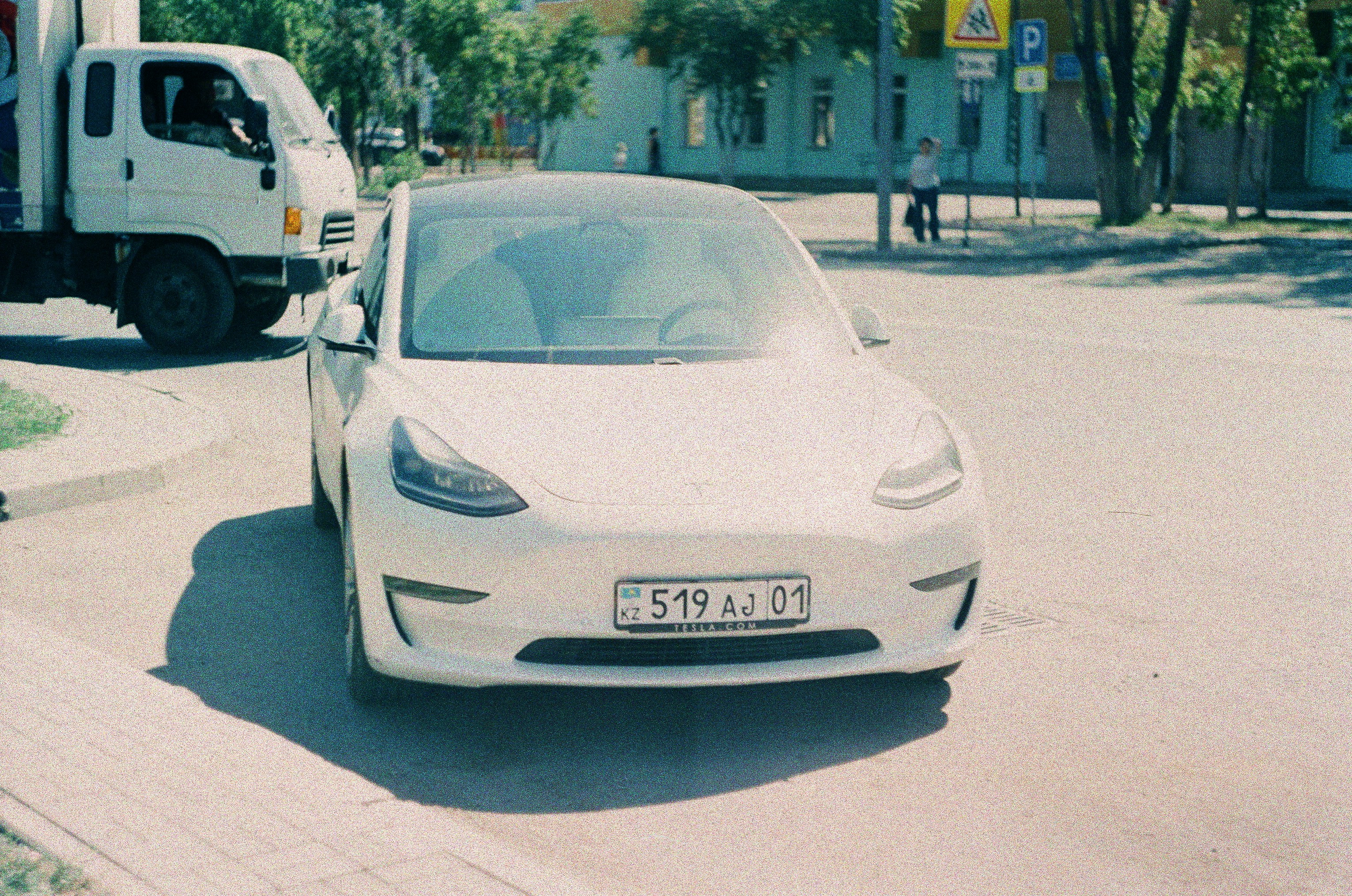
Image Credit: Kuralbek Djumagaziev from Unsplash
Electric cars may seem like the golden ticket to solving climate change, but the truth is far more complicated. Mining damages ecosystems, charging relies heavily on dirty energy, and battery waste looms as a crisis we’re barely prepared for. EVs aren’t a perfect fix; they are a step in the right direction to a sustainable solution.
Switching from gas cars to EVs is still better for the planet in the long run, but only if we address the hidden costs behind the scenes. Smarter mining practices, cleaner energy grids, and real investment in recycling could make electric cars the sustainable solution they’re advertised to be.
So the next time you see an EV ad promising a “green future,” remember: going electric is only part of the answer. Real change comes from rethinking the entire system that powers our roads and, in turn, causing real benefit to our environment.


