




Grades. They seem to define every high schooler’s life. From assignments to tests to papers, each one is returned to us with a corresponding number or letter.
To some extent, we, as students, know how to improve our coursework grades. Participation grades, though, are a different story: the tricky, unpredictable grade that can make or break how well a student does in a class.
Let us slide into your dms 🥰
Get notified of top trending articles like this one every week! (we won't spam you)How Do We Even Define Participation, Anyway?
Participation is often seen in the context of classroom participation (i.e., how often a student speaks in class discussions or how much they interact with their classmates and teachers). While I believe this is a fine baseline measurement of participation, it fails to account for all the other ways in which a student might participate in a class.

Take the Quiz: Which Halloween Costume Should You Match with Your Bestie?
Take our quiz to discover which Halloween costume theme you and your bestie should rock this year!

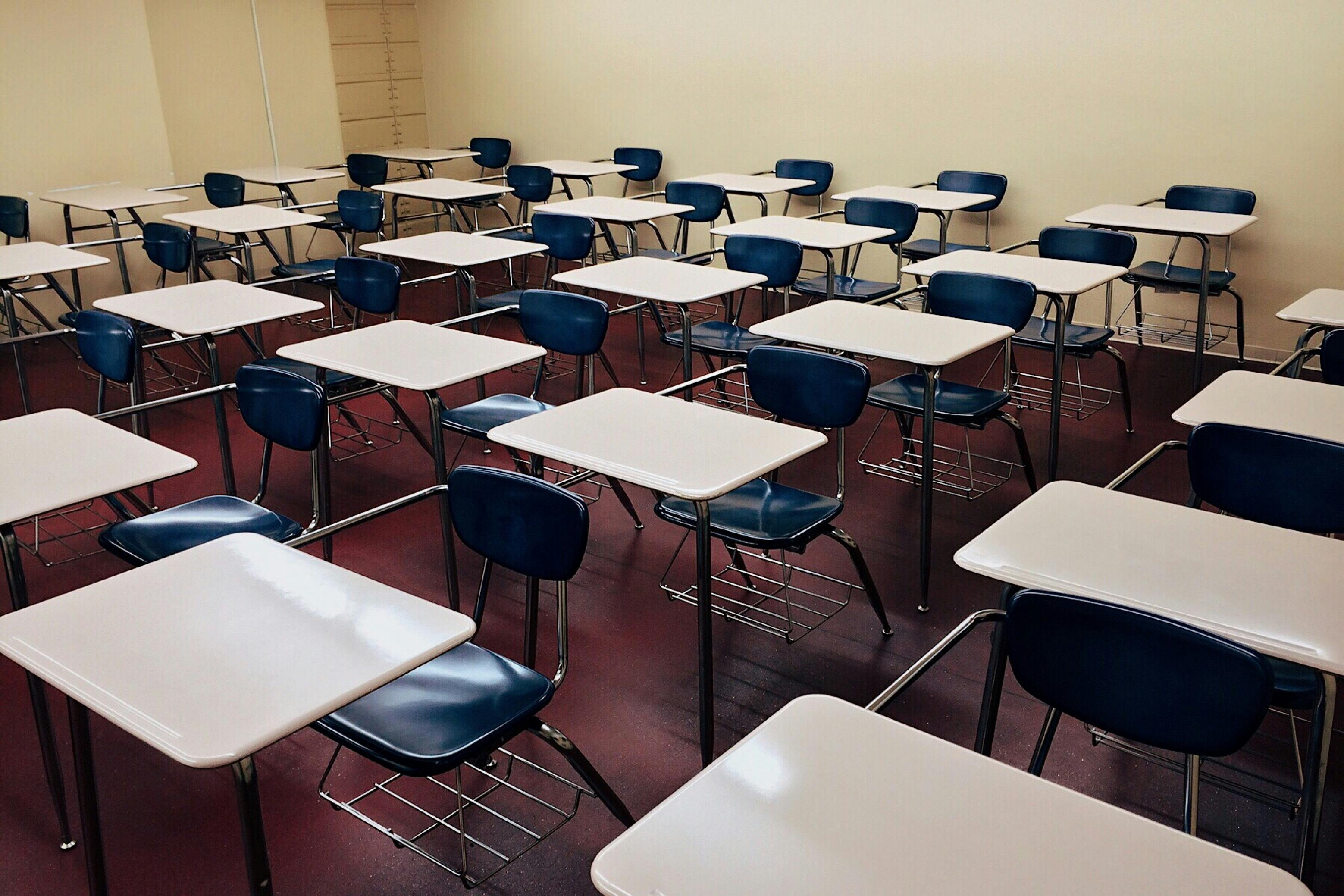
Image Credit: Pixabay from Pexels
Why the Traditional “Participation Grade” Fails Different Types of Learners
Different students engage with their coursework in different ways—ways that the traditional “class participation” measurement may not account for. Perhaps the most passionate and engaged student in a class may also be the ones who rarely talk in class.
Bringing in my own experiences, I often hesitate to speak up in class, especially in large group settings. Sometimes this is because I have not formed a cohesive thought before the conversation moves on. Sometimes this is because I do not want to redirect a conversation going down an interesting path. And sometimes this is because I am scared that my ideas are simply “not good enough.”
If you forced me to speak in class, I would get so caught up in engaging with the class discussion through speaking up—telling myself that I needed to participate at least once, and thinking only of the moment when I could interject the conversation to bring up my point—that I would forget all the other ways I could, and should engage in the discussion. Being an active listener is engaging with the discussion just as much as speaking up is, if not more so.
Not everyone learns best by actively sharing their ideas with the class, but that seems to be the norm when it comes to participation nowadays. A classroom environment where traditional participation is valued may not be beneficial to those who do not always learn from or feel comfortable speaking in class. It could even be harmful in some cases.

Image Credit: RDNE Stock project from Pexels
Why Classroom Participation Is Nevertheless Important
I used to think about the sharing or non-sharing of my ideas in class as something very individual. I believed that whether or not I decided to participate affected me and me alone, through my grades or my learning. Therefore, I was okay with not sharing when I did not feel comfortable or was scared of doing so.
More recently, however, I have come to realize that sharing is also a way of showing respect and care to my classmates and teachers, because if I have learned from what they have to share, I must trust that they have something to learn from what I will share, too. It is only a fair exchange that I help them in their learning process as well.
So yes, I do believe that educators should continue to encourage sharing, just not solely. I am certain we have all learned from our peers, in one way or another, so I believe that each one of us should work towards trusting that we have something to share too—trusting that we can be one of those peers for others.
So, How Might We Define and Measure Participation and Engagement Alternatively?
My most recent English teacher brought a new word into my vocabulary: presence. Presence, in the context of that class, meant our engagement with the material, with our peers, and with our teacher, both in and out of class.
Going back to my anecdote about class discussions, I often demonstrate my presence in class discussions in my own, non-verbal ways. While some of my classmates share their insights, I scribble down annotations in the margins of my book, forming thoughtful connections between my previous ideas and what my classmates have just shared, sparking new ideas and new questions. Sometimes, when the time was right, these new ideas and questions would be shared with the class, not to boost my participation points, but because I truly believed they would contribute to our vibrant class discussions.

Image Credit: Andy Quezada from Unsplash
At the middle and the end of the semester, we wrote reflections on our presence in the class thus far. In these reflections, I was able to share with my English teacher how I was present and engaged with the class and the material in ways that may not have been immediately evident to him. This two-way dialogue we had made it a lot easier for me to display how I had been engaging with a topic I was truly passionate about.
Viewing participation as presence helped me become much more comfortable truly participating and engaging with the material, my peers, and my teacher in ways that were most beneficial to my learning. Throughout the course, I never had to worry about only speaking up, because I trusted that my engagement would be assessed holistically, considering my individual context.
And, I wish that this mindset towards participation could be brought to all classes, not just the English class I was fortunate enough to have been a part of. Because then, students can truly thrive in environments that foster different ways of learning, engagement, and thinking.