






Have you ever wondered why toast always lands butter-side down or how your phone’s screen works? These phenomena both come from one of the most common subjects in high school curriculum: physics. While certain topics like quantum mechanics or universe expansion may sound complicated, physics is actually behind some of the coolest things in your daily life. Here are five surprising ways physics quietly shapes our world.
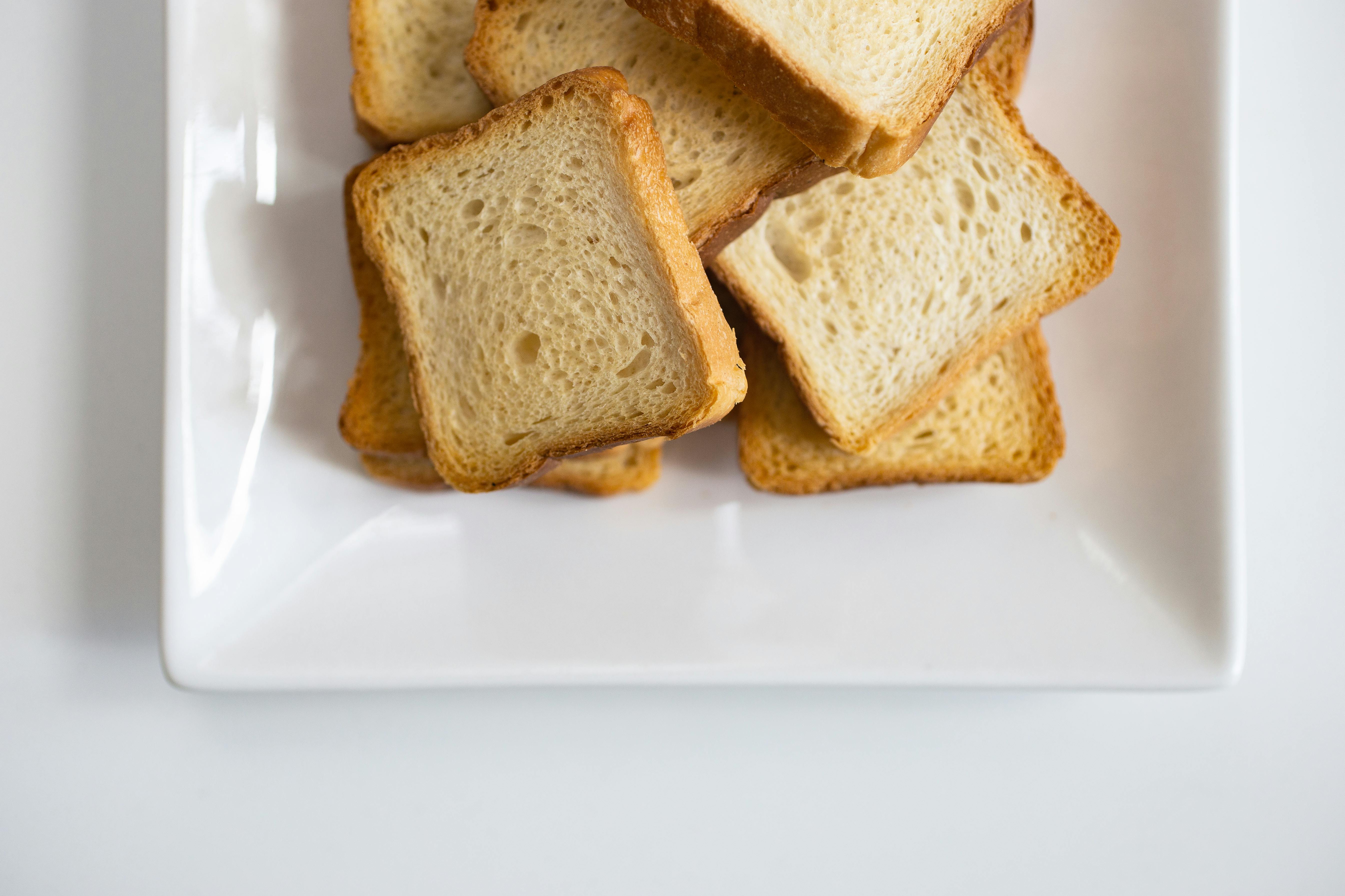
Image Credit: Elviss Railijs Bitāns from Pexels
Let us slide into your dms 🥰
Get notified of top trending articles like this one every week! (we won't spam you)1. Toast Landing Butter-Side Down
Toast usually landing butter-side down isn't owed to bad luck. In fact, there is a very logical concept behind it: center of mass. The center of mass of a typical plain piece of toast would be somewhere in the middle.
However, when there is butter on one side, the butter adds slightly more mass to only the side it is on, changing the center of mass by just a bit. The time that toast is launched in the air before landing on your plate is just long enough for the toast to rotate, influenced by the center of mass, to the point where it will more likely than not tip over on the butter side.

Image Credit: Laura Stanley from Pexels
Take the Quiz: What Type of Notes Should I Take?
Discover the best note-taking method for your learning style!
2. Phone Screen Functionality
How do touch screens work? Most smartphones have something called a capacitor within its screen. In the most simple terms, a capacitor is two conductive plates separated by some sort of insulating material that stores electrical energy.
When your finger touches your phone screen, or any modern touchscreen, the screen detects the disturbance in the electrical field of the capacitors caused by your finger. This only works if it is touched by a conductor, which is why only certain objects (such as your finger or a stylus) can be detected by a touchscreen. Many modern electrical systems and circuits are a result of innovations in the field of physics.
 Image Credit: James Wheeler from Pexels
3. Rainbows
We all know that rainbows present themselves when there is sun after rain. Both water and sunlight is needed for rainbows to appear in air because rainbows are a direct result of how the sunlight interacts with water droplets. Refractive properties of water cause things like straws in glass cups to appear to bend.
Similarly, the water droplets in the air after a thunderstorm cause sunlight to refract, reflect off the inside of the droplets, and refract again. This causes the original white sunlight to split into a spectrum of colors that we see as a rainbow. Sometimes, the light refracts in certain ways so we might not see purple or other colors, making every rainbow slightly unique.
Image Credit: Jerson Vargas from Pexels
4. Sound and Music
It's common knowledge that sound waves exist, but not everyone knows how they connect physics and music. When we speak, our vocal cords vibrate, causing the air particles in front of our mouths to vibrate. These air particles then cause further air particles to vibrate at the same frequency, similar to a ripple in water.
When the air particles near someone's ears vibrate, they can hear what you are saying. Different sounds and musical pitches are produced through different frequencies and amplitudes, how quick and large the sound waves are. Every time that you listen to a song or hear someone speak, know that everything comes down to vibrations and sound waves.

Image Credit: Gundula Vogel from Pexels
5. Hot Drinks Cooling
Many of us blow on hot drinks to cool them down, but why does this work? It's widely known that hot air rises, and we can see this through the steam rising above a hot drink. However, the air rises relatively slowly, which is where we come in.
Blowing air replaces the slowly-moving hot air above the drink with the cooler air in our mouths. The greater temperature difference between the hot drink and the now-cooler air above it causes quicker cooling of the drink itself. Evaporation from the surface of the drink also helps to cool it down. The physics of evaporation, convection, and heat transfer helps to explain why this is actually a very convenient and effective way to cool down something hot!
Physics is Everywhere
At the end of the day, physics isn't just about equations or rocket launches. Physics is literally the reason the world works the way it does, and for more reasons than just gravity. It's in your breakfast, your music, and even the device you carry around to talk to your friends.
You don't need a telescope or lab equipment to notice it either, you simply need curiosity. Once you start noticing the little things that physics brings to our world, you'll realize that science isn't just in textbooks and exams. It's happening all around you, every single day.


