


Dessert is often the quickest way to understand a country’s personality—and Korea’s personality is full of contrasts. One moment you’re warming numb fingers around a cinnamon-filled pancake at a street stall; the next, you’re sharing a bowl of feather-light shaved ice that disappears like fresh snow. Sweet traditions here stretch from royal courts to highway rest stops, from quiet temple snacks to late-night study fuel. The desserts below aren’t just tasty; they capture Korea’s seasons, history, and everyday life in ten memorable bites.
Let us slide into your dms 🥰
Get notified of top trending articles like this one every week! (we won't spam you)1. Bingsu (Shaved Ice Parfait)
Korea has been mixing ice and sweet toppings since the late Joseon dynasty, when government ice houses served shaved ice drizzled with fruit syrup to high officials. Today’s bingsu is a snow-fluffy mountain of milk ice crowned with anything from classic red-bean paste to fresh mango cubes, cheesecake chunks, matcha cream, or a dusting of nutty misutgaru (roasted grain powder).
Many dessert shops in Korea also scatter chewy injeolmi (rice cake coated with powdered beans or grains) pieces on top, so each spoonful mixes silky ice, soft rice cake, and a crunch from sliced almonds. The first bite melts like frozen condensed milk, and the textures keep changing until you reach the last sweet puddle at the bottom of the bowl.
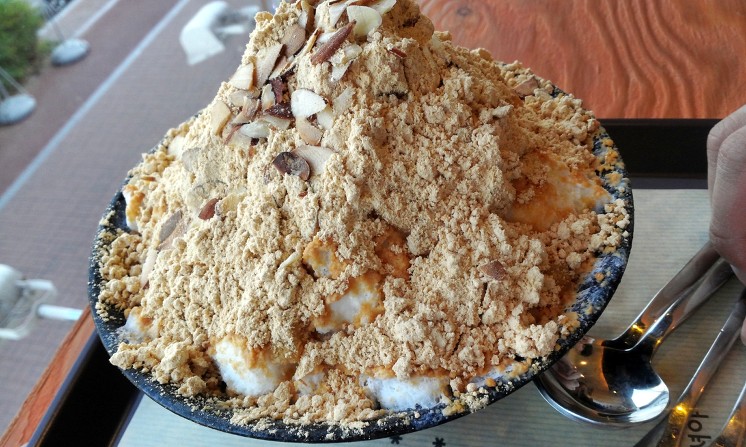
Image Credit: 보노비야 from Wikimedia Commons


Take the Quiz: Are You a Good Cook?
Think you're a good cook? Well, take this quiz and find out...
2. Hotteok (Brown-Sugar Filled Pancake)
Chinese merchants introduced this winter snack to Korean port cities in the early 1900s, and it was quickly Koreanized with cinnamon and peanuts. Today, you’ll find street-food stalls on almost every busy corner in Korea, pressing dough balls onto sizzling griddles, sealing in a mixture of dark sugar and nuts that melts into molten syrup. The outside crackles crisp and buttery, while the inside stretches like caramel lava—sweet, slightly smoky, and guaranteed to warm frozen fingers as you wander Korean streets.
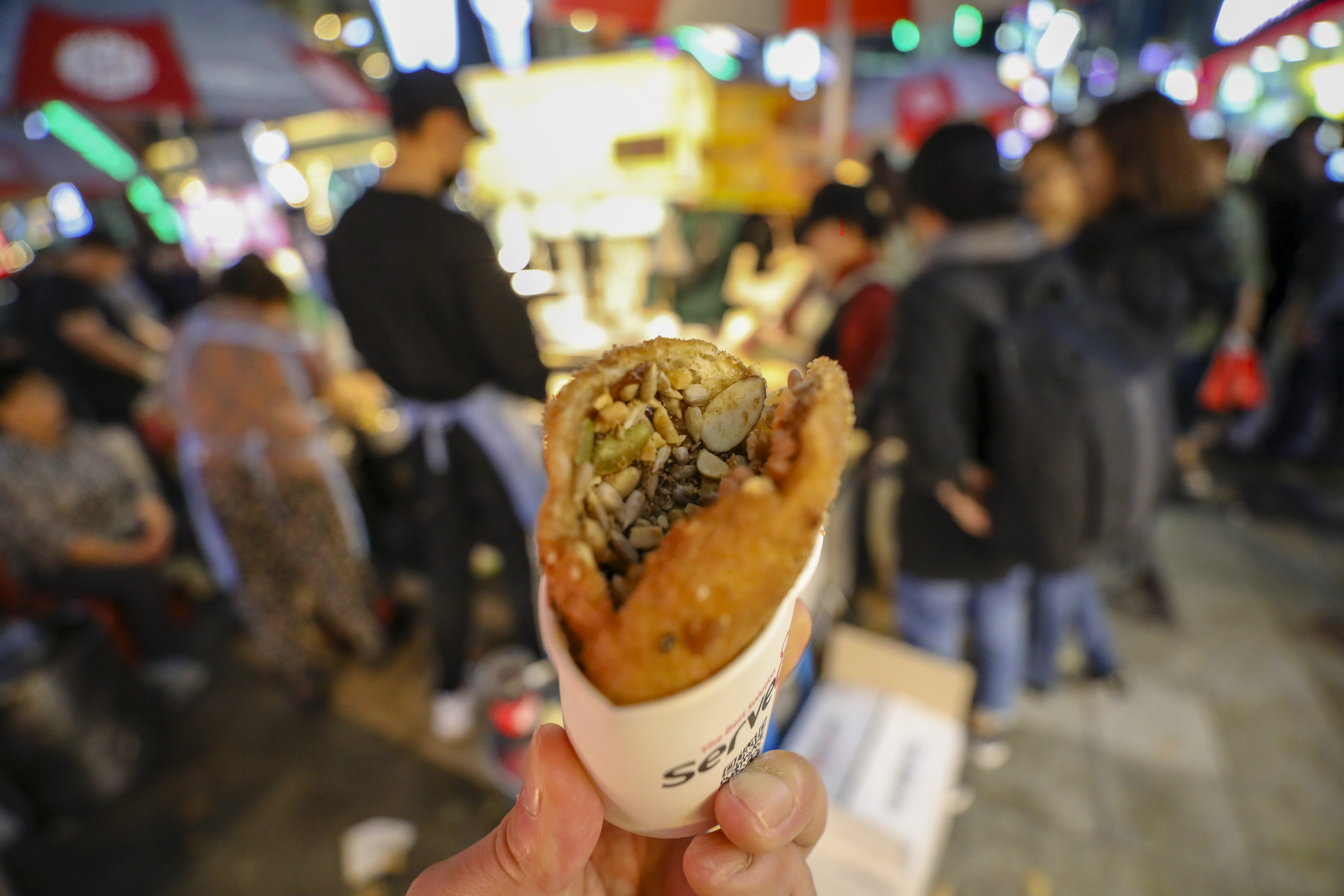
Image Credit: bryan... from Wikimedia Commons
3. Dalgona (Honeycomb Toffee)
Born in the 1960s when sugar finally became affordable after the Korean War, dalgona was a pocket-money thrill for schoolkids: if you could nibble the stamped star or umbrella without breaking it, the vendor rewarded you with another candy. Baking soda gives the sugar a porous crunch that dissolves on your [censored] burst of burnt-caramel flavor. Thanks to Squid Game, Korean cafes now sprinkle crumbled dalgona over lattes for a playful crackle.
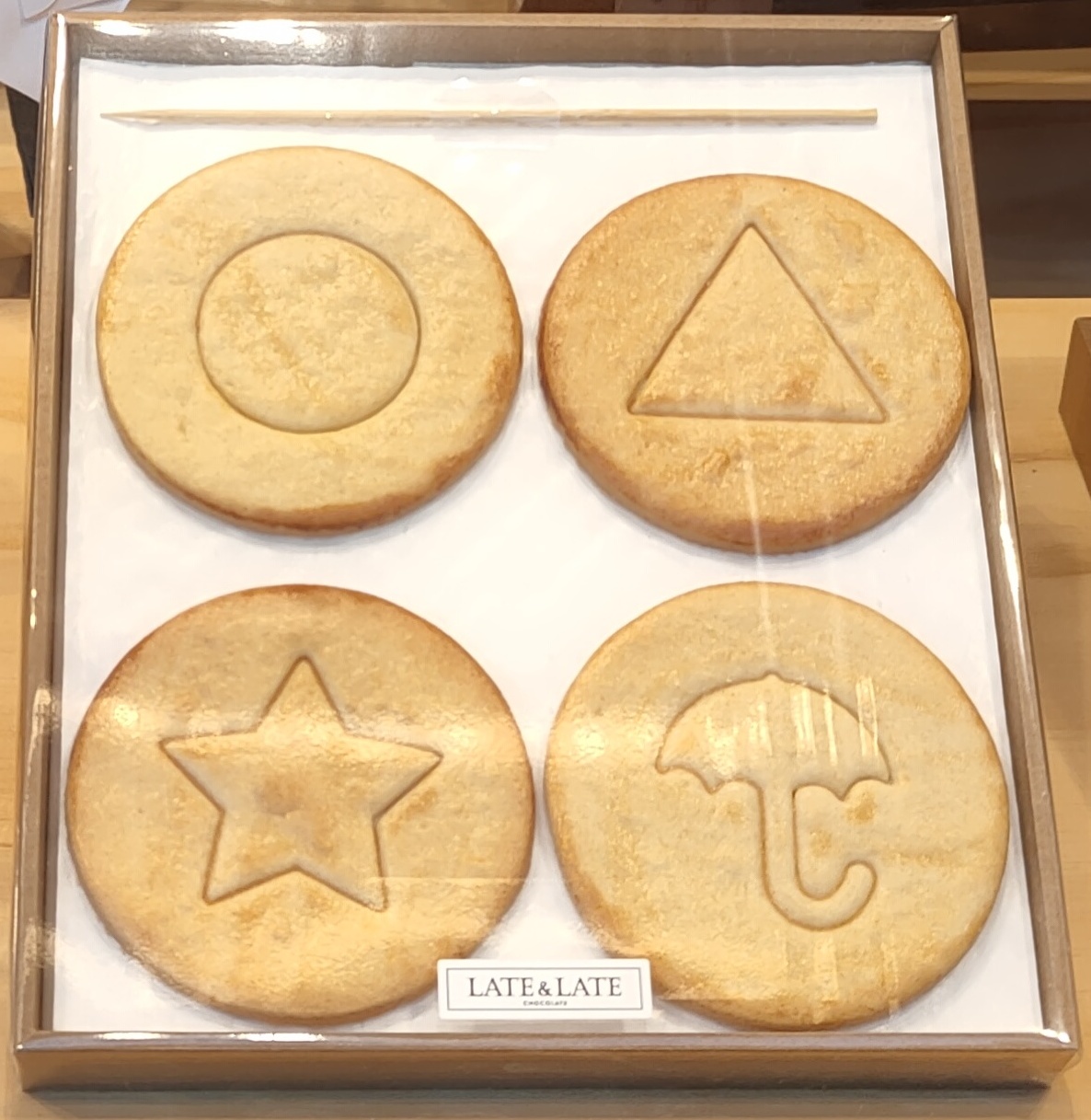
Image Credit: Triplecaña from Wikimedia Commons
4. Hodugwaja (Walnut-Filled Mini Cakes)
Invented in the city of Cheonan in 1934 by a couple who loved American walnut pie, these bite-size cakes bake in walnut-shaped molds. The shell is soft and slightly toasty; inside, smooth red-bean paste mingles with chopped walnuts, creating a nutty sweetness that feels both cozy and road-trip ready. At almost every highway rest stop in Korea, the aroma of freshly baked hodugwaja drifts through the air as trays of the walnut-shaped cakes come hot off the iron molds.
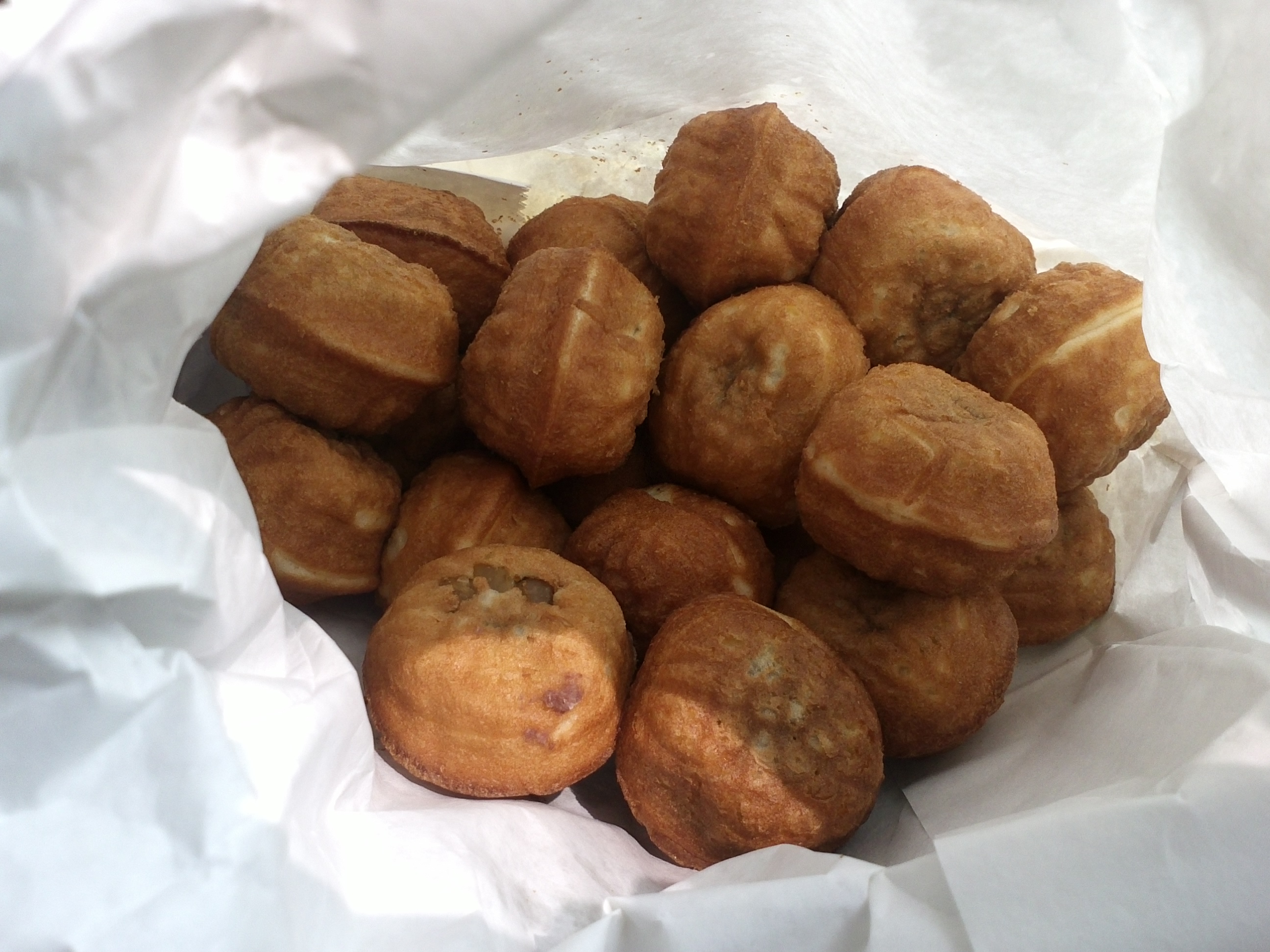
Image Credit: Asfreeas from Wikimedia Commons
5. Yakgwa (Honey Cookie)
Records trace yakgwa back to Goryeo-era temple offerings nearly a thousand years ago. Wheat flour meets sesame oil, rice wine, and a splash of ginger, then the dough is pressed into flower molds, fried, and soaked in honey syrup. Dense yet tender, each piece tastes like a glazed doughnut crossed with gingerbread—rich, floral, and slightly spicy—making it a staple at weddings and harvest festivals.
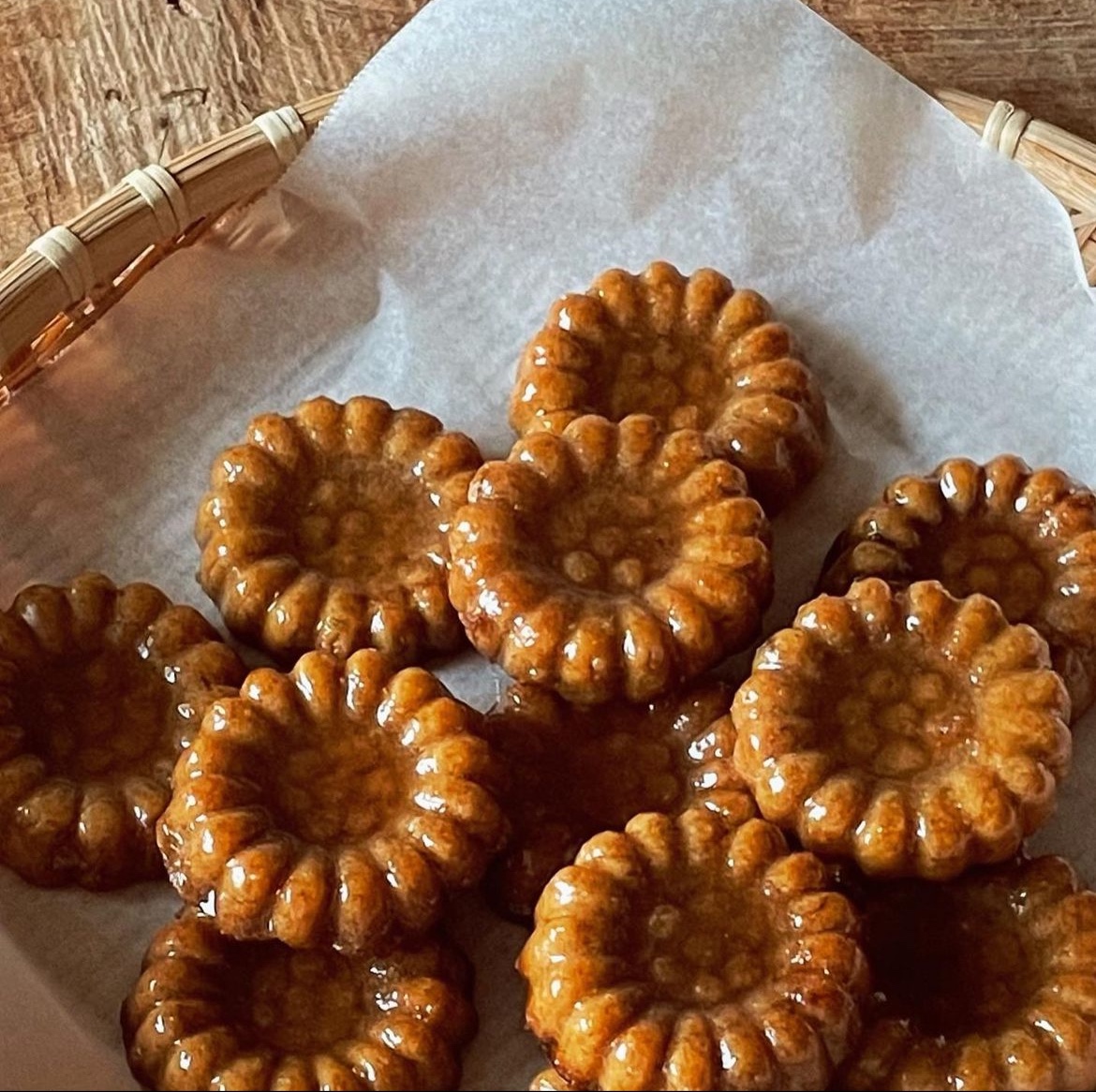
Image Credit: Jiyoon Leee from Wikimedia Commons
6. Hwachae (Fruit-Punch Dessert)
Royal court ladies in the Joseon dynasty chilled honeyed water with ice saved from winter, then floated slices of Korean melon, strawberries, watermelon, and even edible flower petals. That refreshing mix became hwachae, a fruit punch Koreans still reach for the moment summer heat settles in.
Modern bowls almost always star big ruby cubes of watermelon, joined by other seasonal fruit and a splash of lemon-lime soda like Sprite for a gentle sparkle. Lightly sweet and bursting with fresh juice, hwachae feels more like cooling off in a shady pavilion than chasing a sugar rush—exactly why it shows up at family picnics and every steamy July gathering in Korea.
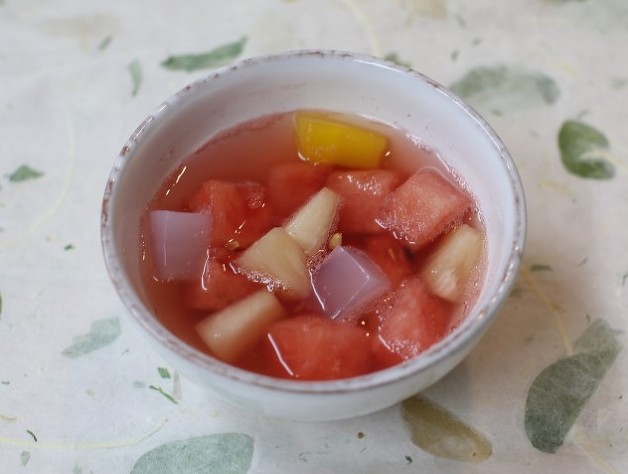
Image Credit: Dr. 방원장 from Wikimedia Commons
7. Kkwabaegi (Twisted Doughnut)
Western-style doughnuts hit Seoul in the 1970s, but Korean bakers quickly added sweet-potato starch for extra chew and twisted the dough into ropes for faster frying. The result is kkwabaegi: crispy-on-the-outside, pillowy-inside spirals rolled in cinnamon sugar. Bite once and the coating shatters; chew twice and you get that mochi-like pull Western doughnuts never manage.
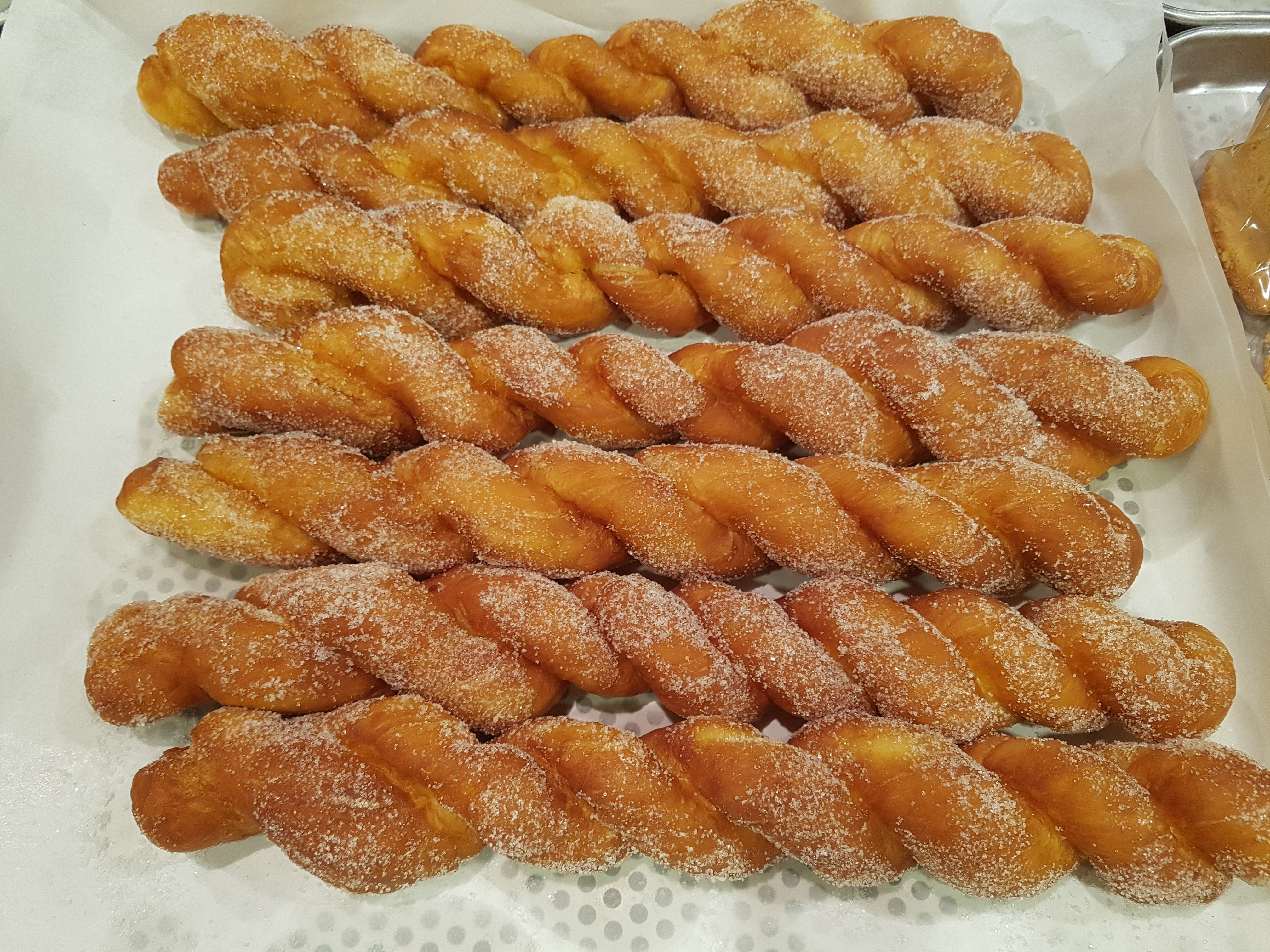
Image Credit: 쪼끄미** from Wikimedia Commons
8. Sikhye (Sweet Fermented Rice Punch)
Sikhye likely started as a palace digestive drink centuries ago, brewed by fermenting malted barley with cooked rice. Tiny rice grains float like snowflakes in an amber liquid that tastes gently sweet, grainy, and just a little malty. Served ice-cold after hot meals or sauna sessions, it cuts grease and cools the body without the heaviness of soda.
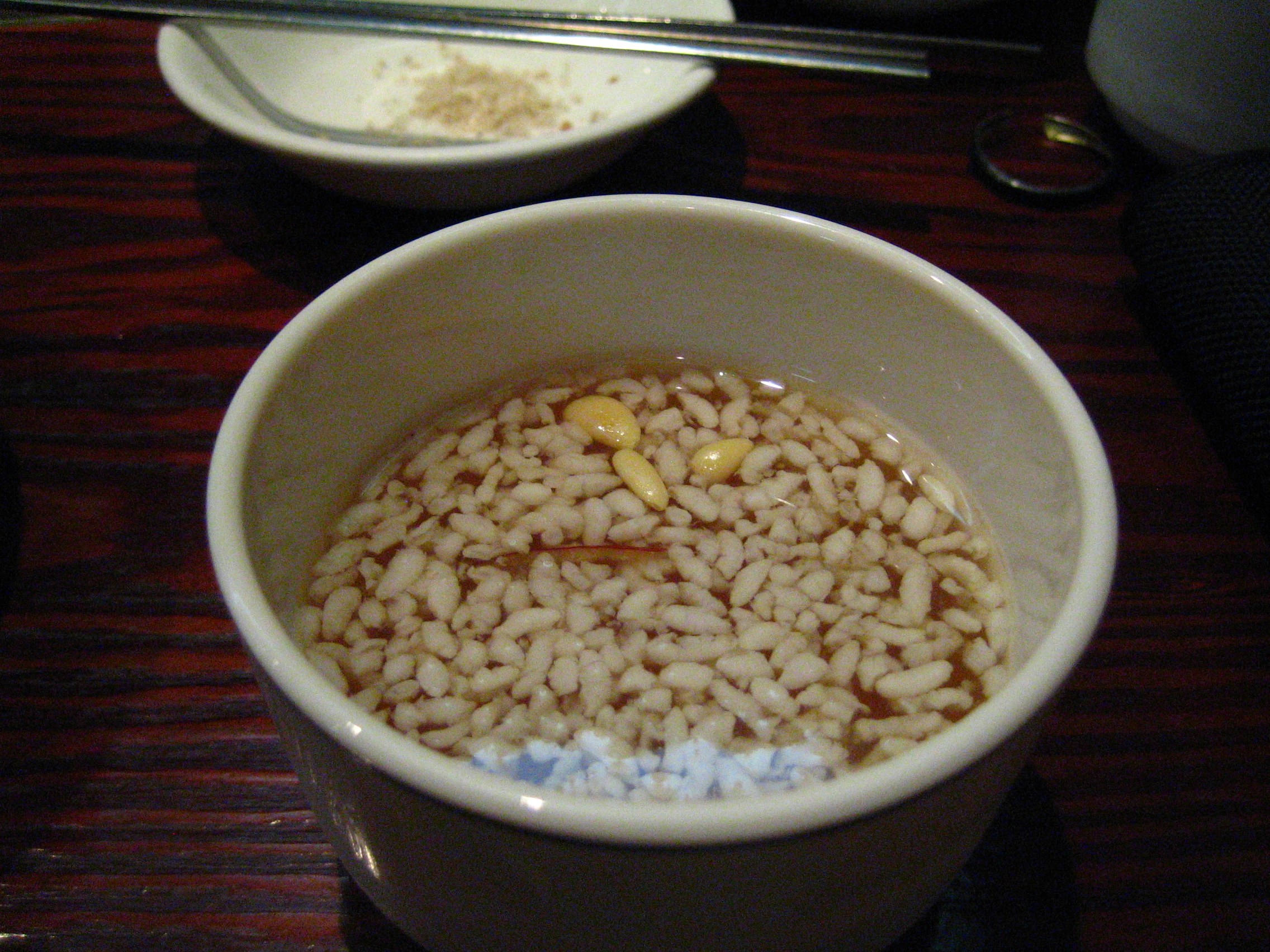
Image Credit: by ayustety from Wikimedia Commons
9. Misutgaru (Roasted-Grain Smoothie)
Farmers once toasted leftover grains, ground them to powder, and mixed the result with water for a quick field snack. Modern misutgaru blends barley, brown rice, and black beans into a protein-rich powder that teens shake with cold milk. The flavor is nutty and toasty, like a liquid granola bar; the texture is velvety but substantial, perfect for beating summer heat without a sugar crash.
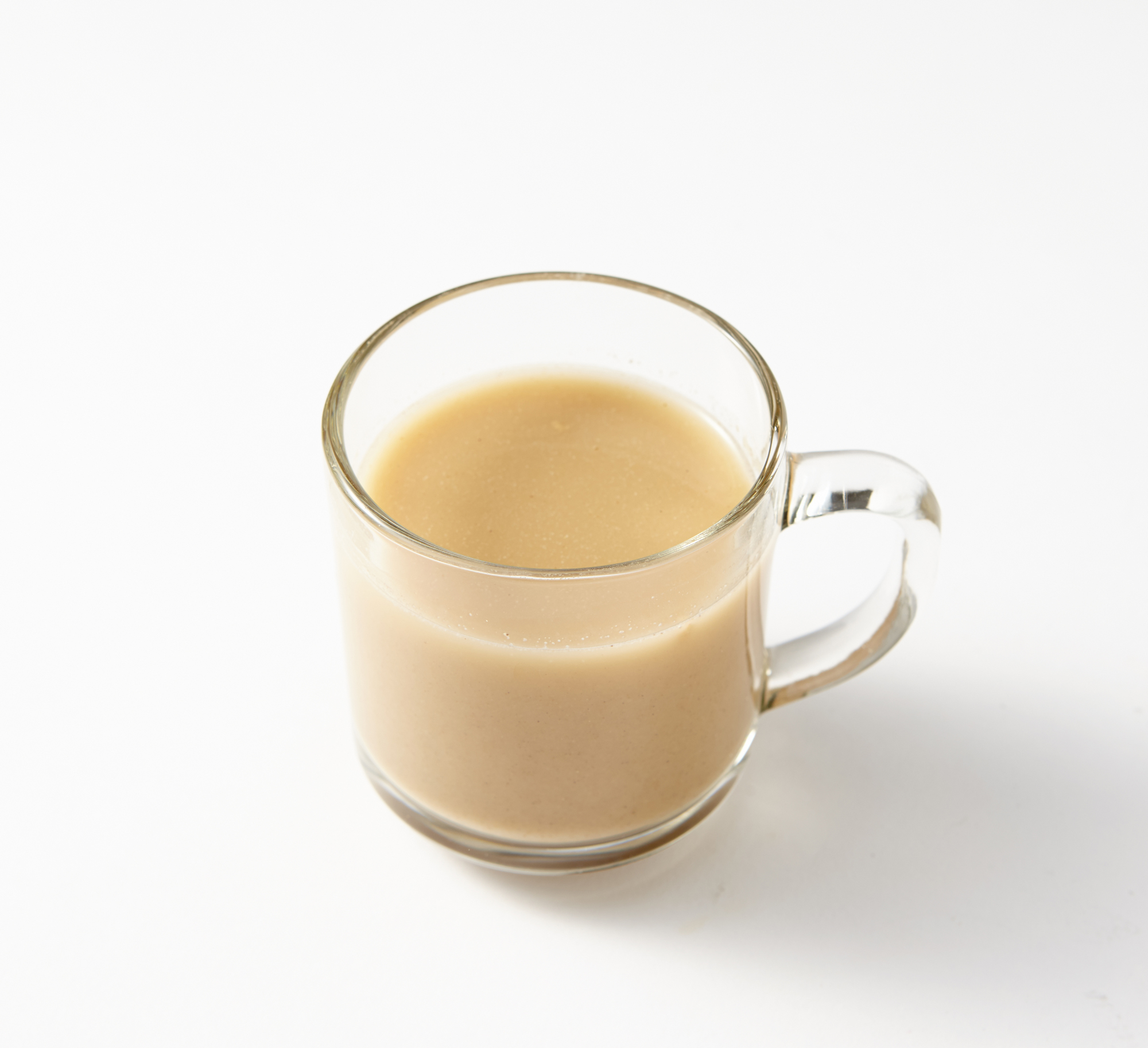
Image Credit: 국립국어원 from Wikimedia Commons
10. Gotgam (Dried Persimmon)
Drying persimmons in the mountain air dates back to at least Korea’s Three Kingdoms period. Whole fruits hang from eaves each autumn, concentrating their sugars until a natural frost-white bloom forms on the skin. The chew is somewhere between a fig and a gummy bear, while the taste channels honey, apricot, and a hint of spice. Slice them with walnuts for New Year celebrations or snack straight for a slow, meditative sweetness.
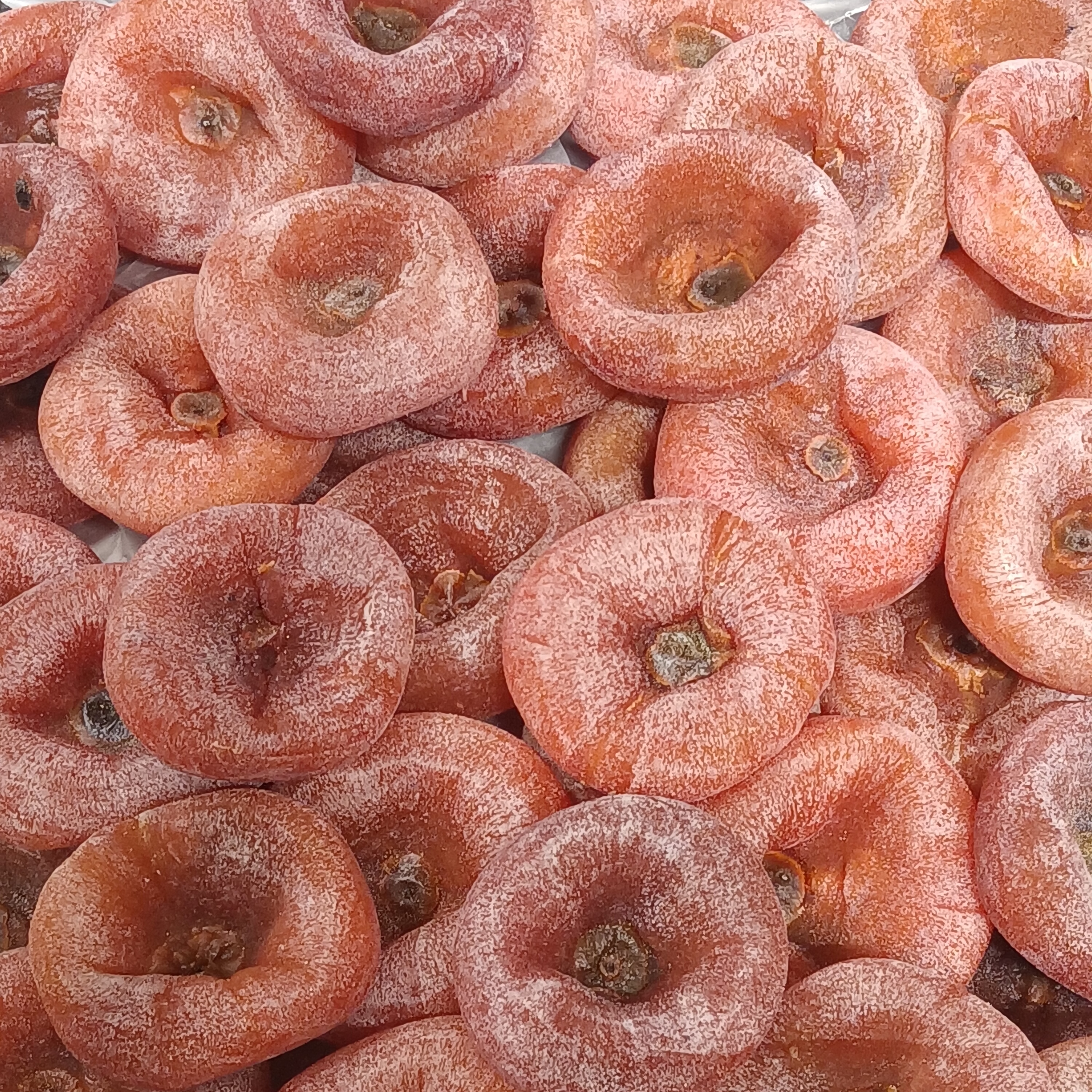
Image Credit: Fumikas Sagisavas from Wikimedia Commons
The Conclusion
Dessert is never just dessert in Korea—it’s a tour through history, street culture, and family traditions, all condensed into a few unforgettable bites. Spoon into a towering bowl of bingsu or chew slowly on dried persimmon, and you’re sampling the country’s past and present at once. Whenever the chance arises, reach for one of these sweets: you’ll gain a new comfort food—and a richer sense of what makes Korea, well, Korea.