






10 Best Korean Dishes You Should Try (From Someone Who Grew Up in Korea)
When most people think of Korean food, they think of kimchi and Korean barbecue. But there is so much more to Korean food beyond those famous dishes. As someone born in Korea who lived there for over a decade, I want to introduce you to the dishes that marked my childhood — from family dinners to late-night street food outings.
Here are 10 of the best Korean dishes you should definitely try.
Let us slide into your dms 🥰
Get notified of top trending articles like this one every week! (we won't spam you)1. Gejang (Marinated Raw Crab)
Gejang is raw crab marinated in either soy sauce (ganjang gejang) or spicy chili sauce (yangnyeom gejang). Koreans call it a "rice thief" because the sauce is so delicious that you end up eating a huge serving of rice with it. Historically, it started as a way to preserve crab before refrigeration, and over time it evolved into a delicacy.
It’s salty, savory, and full of umami. It may seem intense, but it’s a memorable treat for seafood enthusiasts.
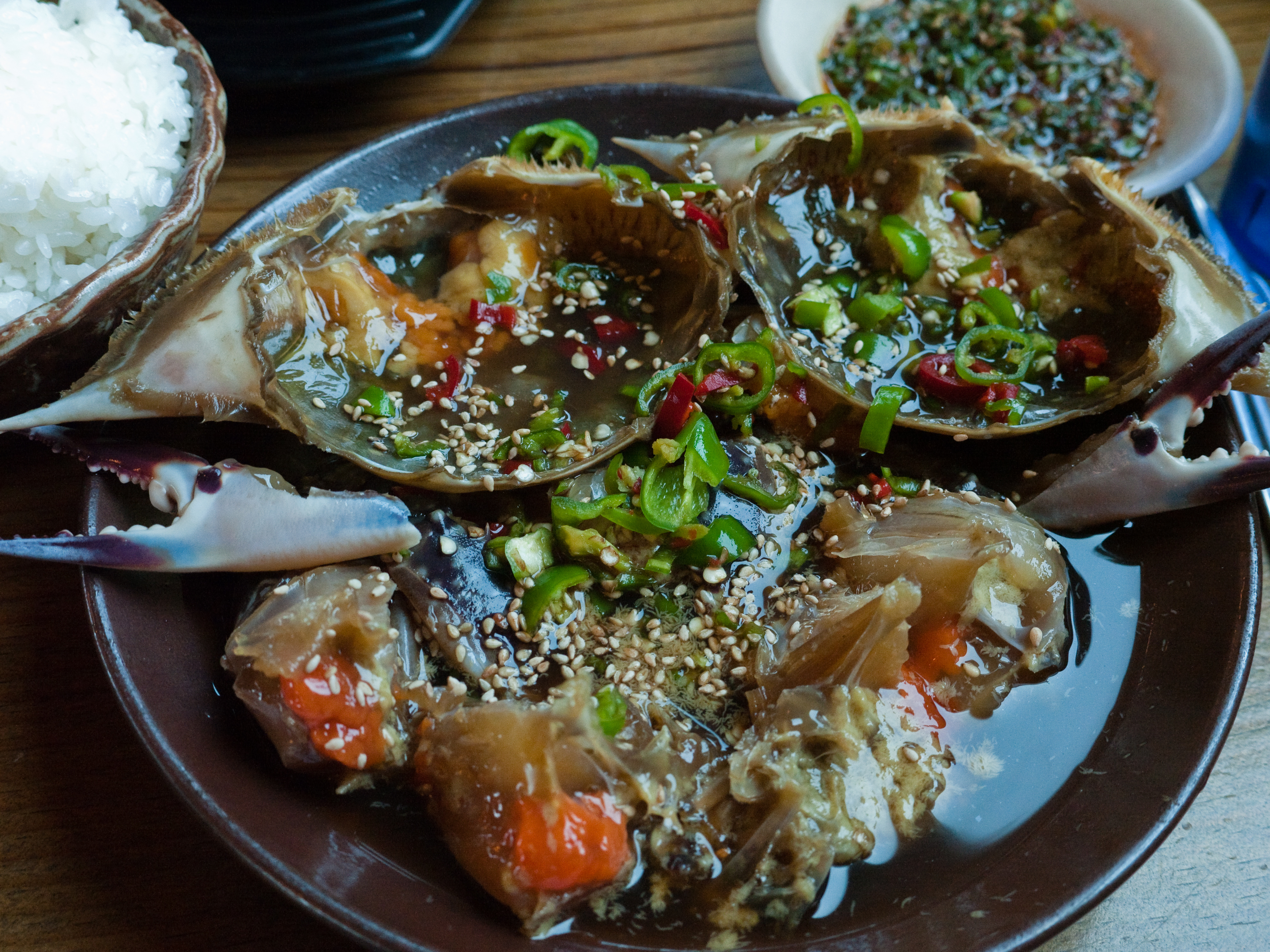
Image Credit: SJ Yang from Wikimedia Commons


Take the Quiz: What Type of Music Should You Listen to While Studying?
Not sure what music would help you focus best while studying? Then this is the quiz for you!
2. Bulgogi (Marinated Grilled Beef)
Bulgogi is thinly sliced beef marinated in a sweet and savory sauce made from soy sauce, sugar, garlic, and sesame oil, then grilled or pan-fried. While Koreans have enjoyed grilled meat since ancient times, bulgogi as we know it today developed gradually over centuries, especially during later dynasties. It’s juicy, slightly sweet, and very tender. It’s one of the most popular Korean dishes and a great option for beginners.
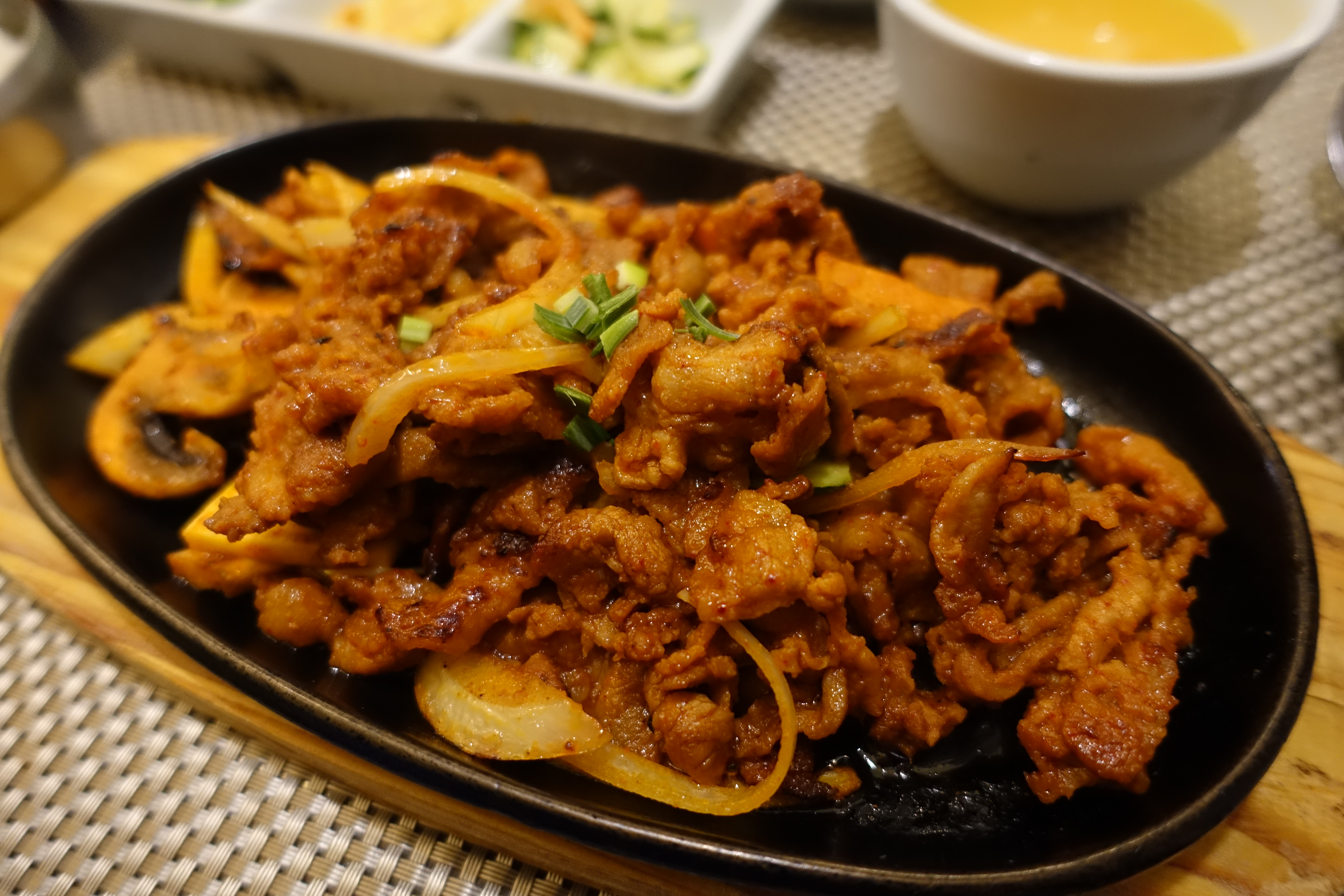
Image Credit: Guilhem Vellut from Wikimedia Commons
3. Dakgalbi (Spicy Stir-Fried Chicken)
Dakgalbi is spicy chicken stir-fried with cabbage, rice cakes, sweet potatoes, and gochujang (Korean chili paste). It became popular among soldiers and students in the 1960s because it was affordable and easy to share. Usually cooked at the table, it turns dinner into a fun, social experience. It’s smoky, spicy, and slightly sweet.
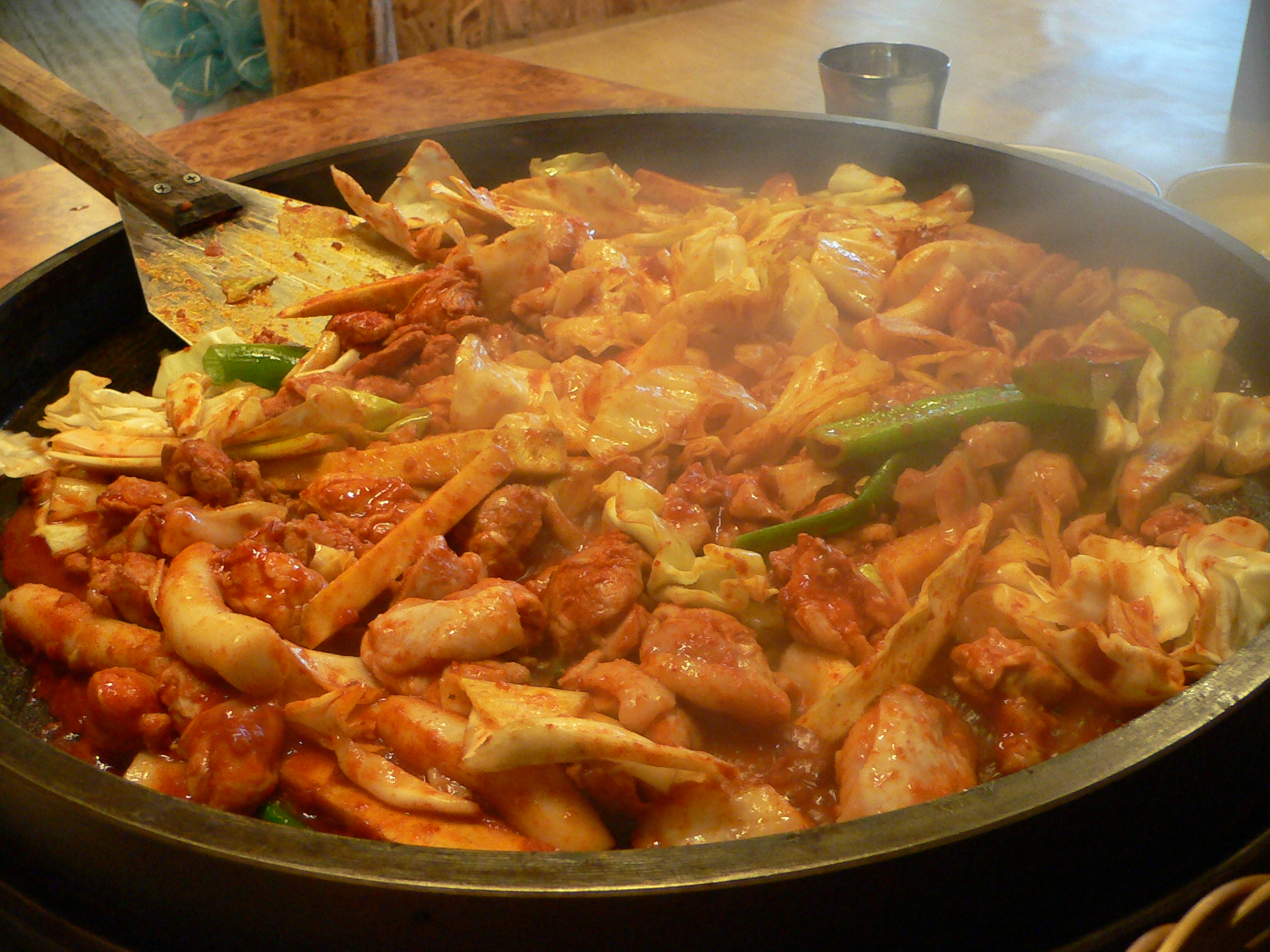
Image Credit: Nagyman from Wikimedia Commons
4. Tteokbokki (Spicy Rice Cakes)
Tteokbokki is one of Korea’s most popular street foods. It consists of chewy rice cakes simmered in a spicy and sweet red sauce, often with fish cakes and boiled eggs. Originally, a mild soy-based version was enjoyed in royal courts during the Joseon dynasty, but the modern spicy gochujang version became popular in the mid-20th century. It’s spicy, slightly sweet, and totally addictive.
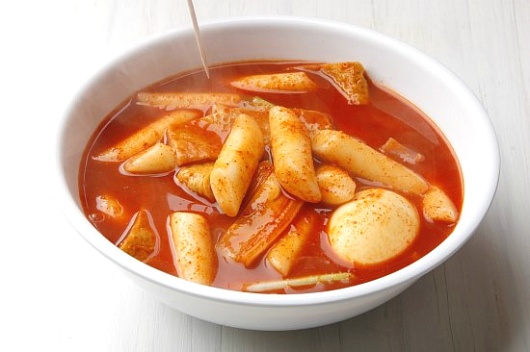
Image Credit: Lee [censored] Kee Korea from Wikimedia Commons
5. Japchae (Glass Noodles Stir-Fried with Vegetables)
Japchae is a dish made of glass noodles stir-fried with colorful vegetables and sometimes beef. It was first created in the early 17th century during the Joseon dynasty for King Gwanghaegun’s palace. Today, it’s a staple at parties and special occasions.
The noodles are silky and bouncy, with a lightly sweet, savory soy-based sauce. Japchae literally means "mixed vegetables," though now the noodles are the star.
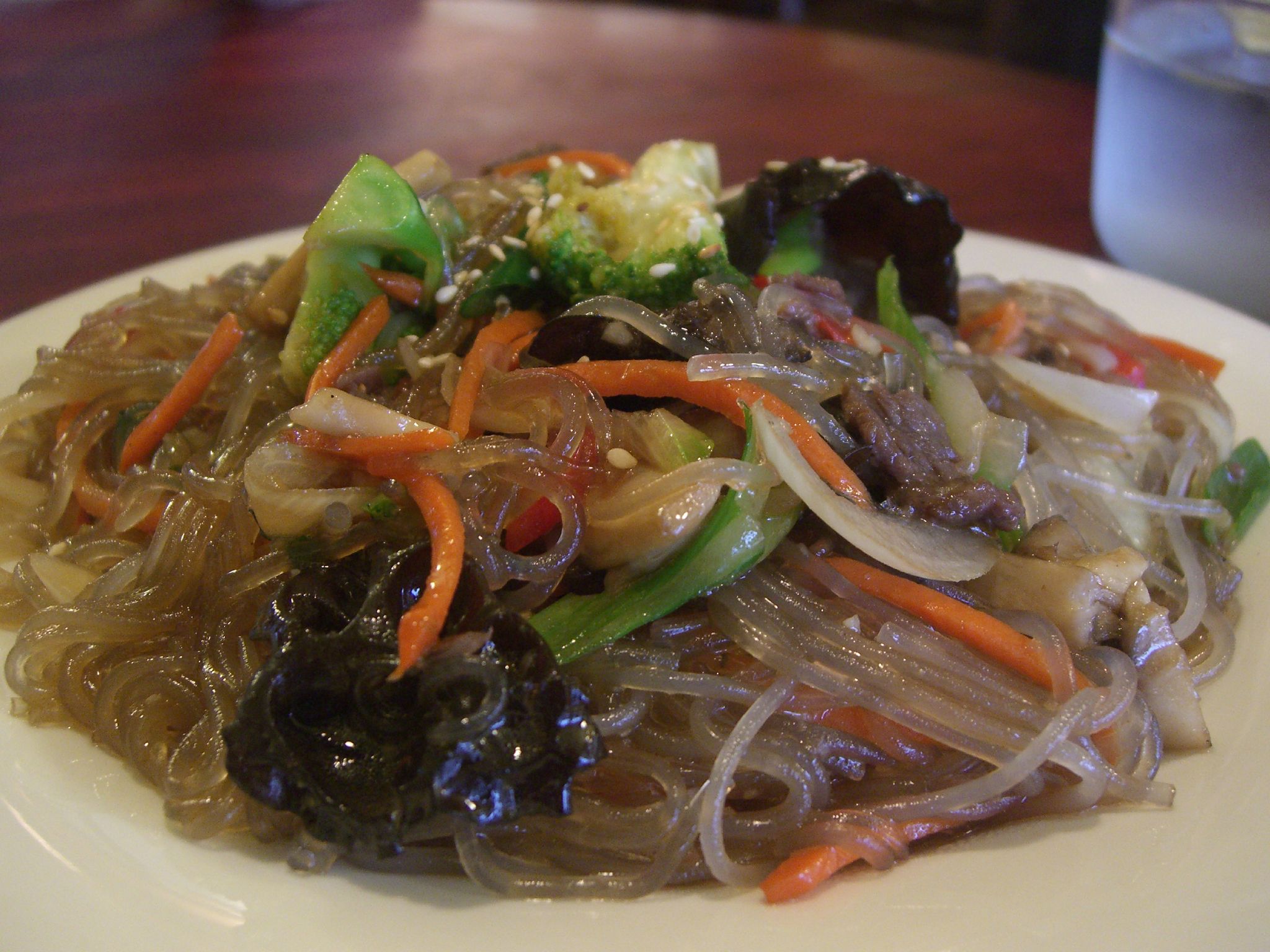
Image Credit: Alpha from Wikimedia Commons
6. Jeon (Korean Pancakes)
Jeon refers to savory Korean pancakes, which come in many varieties like seafood jeon (haemul jeon), green onion jeon (pajeon), and kimchi jeon. Koreans love eating them on rainy days or during family gatherings. They’re crispy on the outside and soft on the inside, usually served with a tangy dipping sauce made of soy sauce and vinegar. Some say that hearing jeon sizzle while it rains makes them even more comforting.
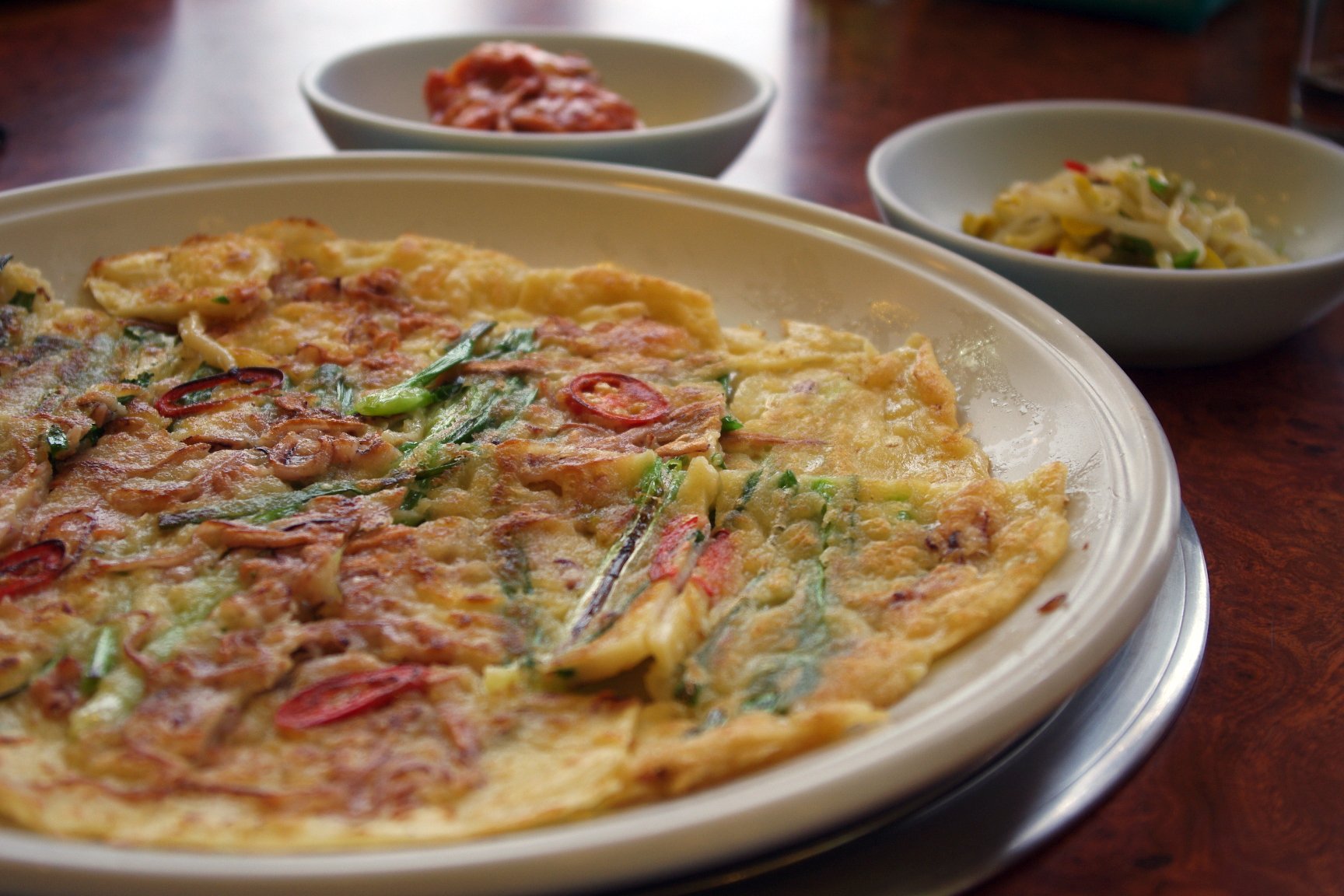
Image Credit: Matt@PEK from Wikimedia Commons
7. Gukbap (Soup with Rice)
Gukbap literally means "soup rice" — warm soup served with rice mixed right in. Different regions have their own styles, such as pork-based dwaeji gukbap from Busan or beef bone seolleongtang from Seoul. It became popular as a hearty, affordable meal for workers. The soup is warm and comforting, especially on cold days or when you’re not feeling well.
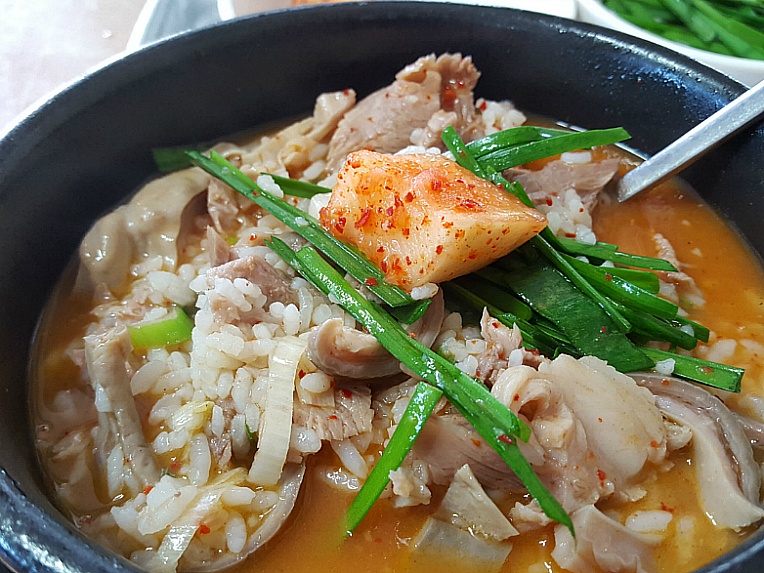
Image Credit: http://blog.daum.net/wjlee4284 from Wikimedia Commons
8. Kimbap (Rice Rolls)
Kimbap looks similar to sushi rolls but has a totally different flavor. Rice is rolled with fillings like spinach, pickled radish, egg, and sometimes meat or tuna, all wrapped in seaweed. It’s a classic picnic and school lunch food. Kimbap tastes slightly sweet and savory, and each bite is fun and easy to eat.
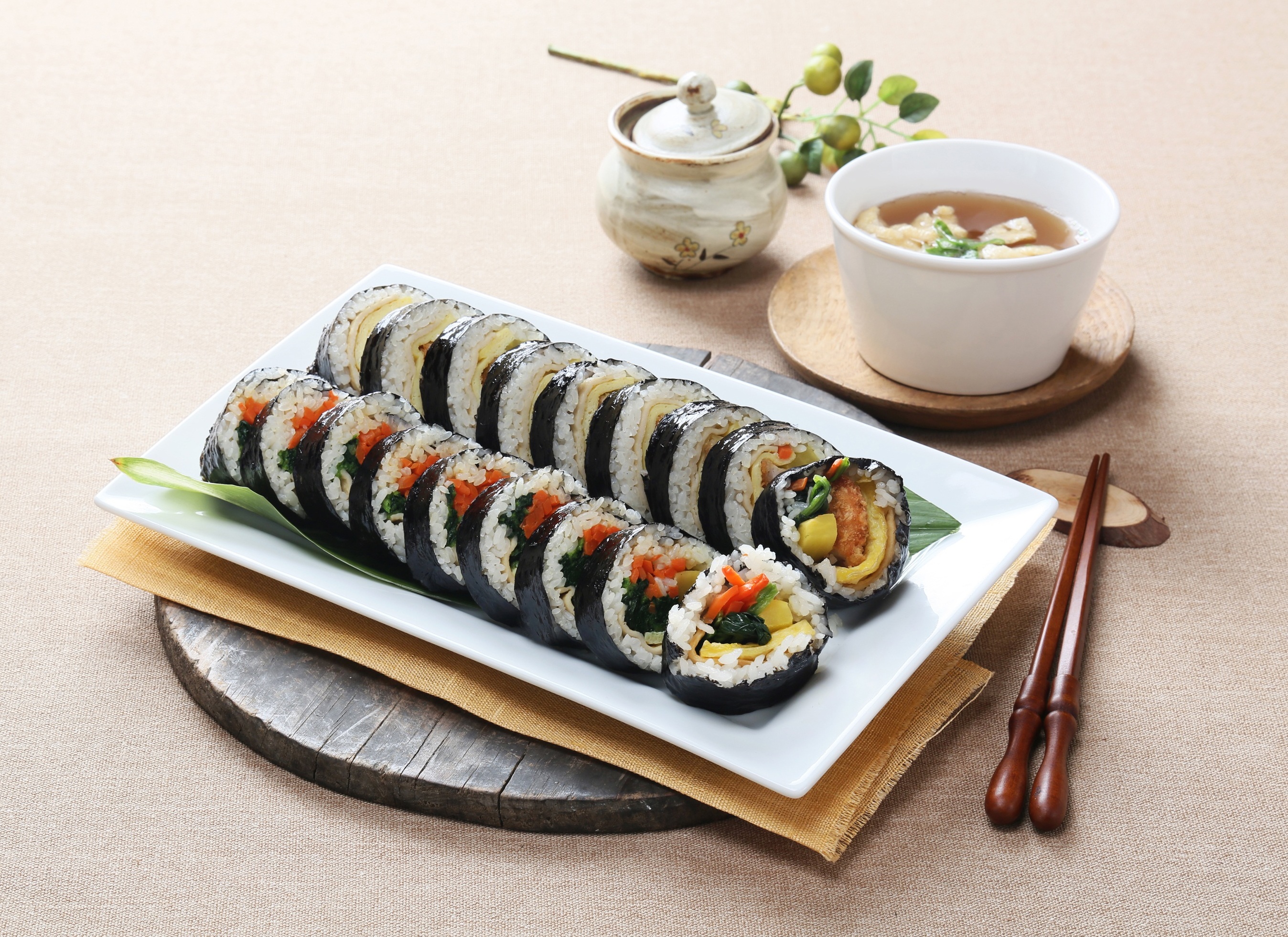
Image Credit: Changupn from Wikimedia Commons
9. Kalguksu (Knife-Cut Noodle Soup)
Kalguksu is a comforting noodle soup with hand-cut wheat noodles. The broth is usually chicken or seafood-based, light but full of flavor. The noodles are chewy yet tender, and a hot bowl feels extra cozy on a rainy or chilly day. "Kalguksu" means "knife noodles" because the dough is cut by hand instead of pulled.
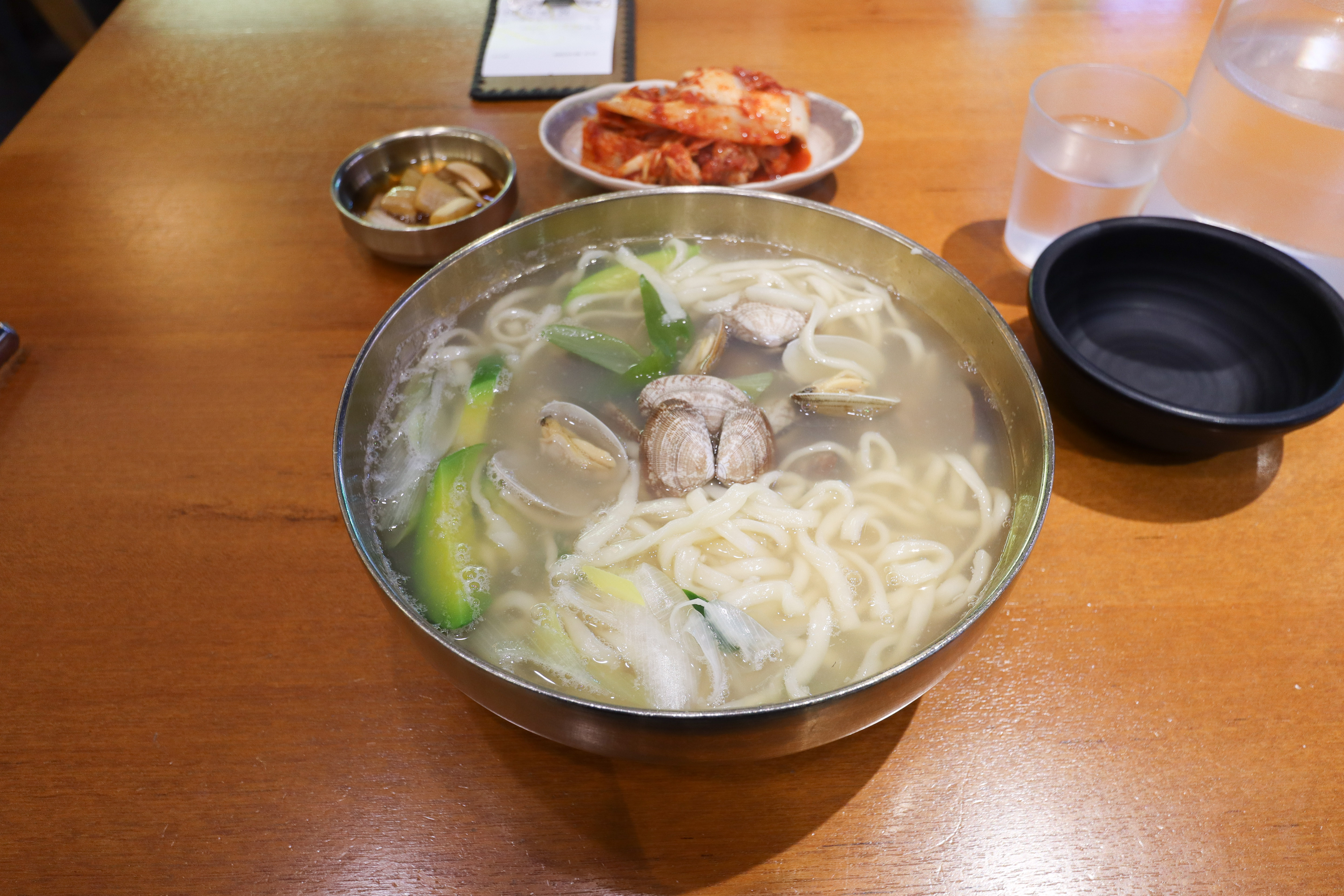
Image Credit: Mobius6 from Wikimedia Commons
10. Kongguksu (Cold Soy Milk Noodles)
Kongguksu is a cold noodle dish served in a chilled, creamy soy milk broth. It’s a summer favorite in Korea because it’s so refreshing. The soy soup is nutty and smooth, and the noodles are soft and slippery.
It might feel unusual at first to eat cold, nutty noodles, but it’s surprisingly light and satisfying. Some restaurants even add ice cubes to make it extra cold.
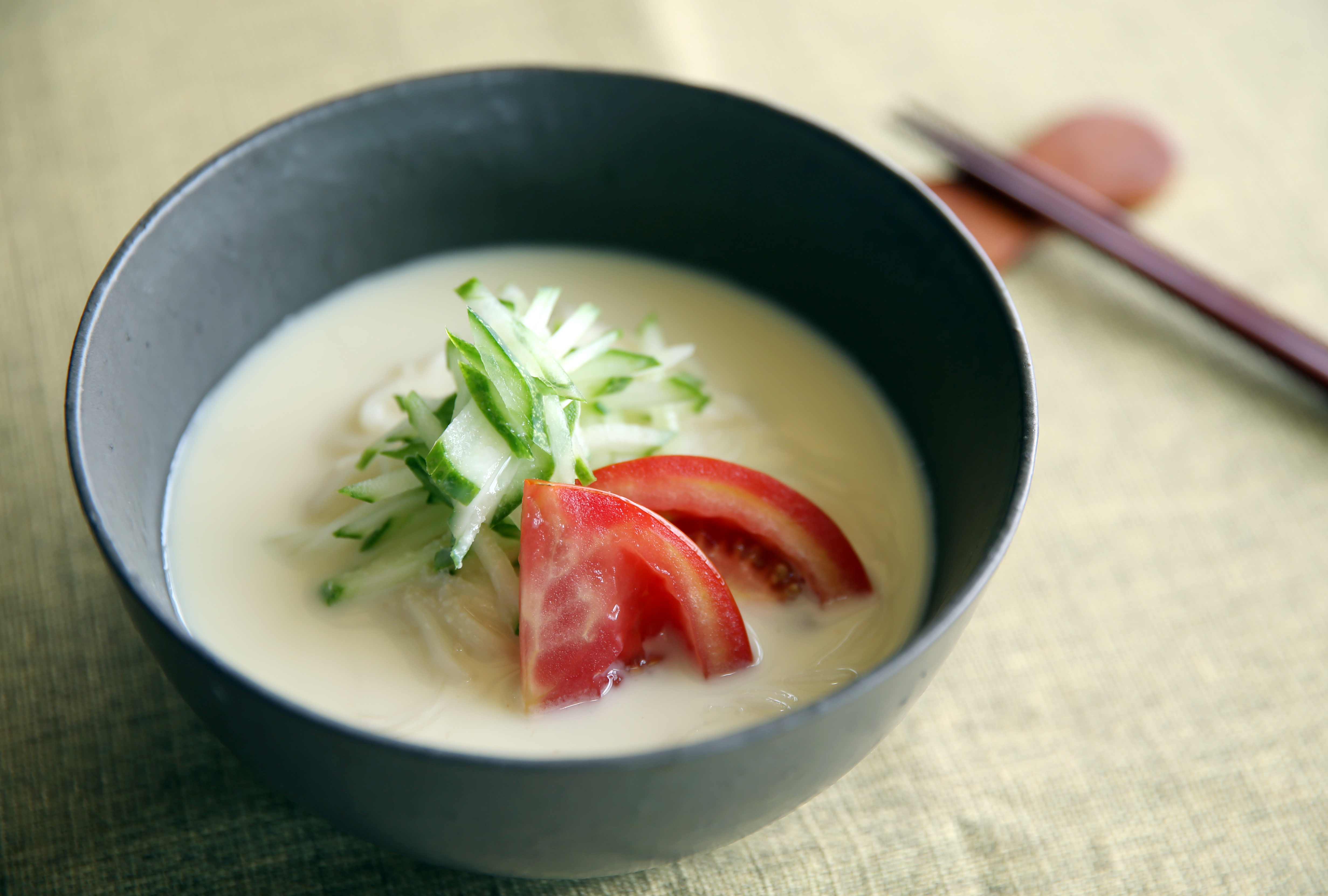
Image Credit: Republic of Korea from Wikimedia Commons
In Conclusion
Korean food isn’t just about eating — it’s about sharing stories, memories, and warmth. Whether it’s the boldness of gejang or the comforting hug of gukbap, each dish carries its own history and emotion.
So next time you’re at a Korean restaurant or visiting Korea, don’t just stop at Korean barbecue. Try something new from this list. You might discover a new favorite and create your own unforgettable story to share.





![Lee [censored] Kee Korea from Wikimedia Commons](https://commons.wikimedia.org/wiki/File:Gungmul-tteok-bokki.jpg)

.jpg)

.jpg)

.jpg)