






Last month, the Prime Minister of Israel nominated President Trump for the Nobel Peace Prize. In a letter from Benjamin Netanyahu, the Prime Minister said, “President Trump has demonstrated steadfast and exceptional dedication to promoting peace, security, and stability around the world.”
According to the will of Alfred Nobel, the establishment of the Nobel Prize, “one part to the person who shall have done the most or the best work for fraternity between nations, the abolition or reduction of standing armies and for the holding and promotion of peace congresses.”
Given that Trump has pulled out of NATO, abandoned Ukraine, created a famine in Gaza, and militarized the U.S. to unprecedented levels, this recommendation smacks of more cronyism.
And yet, Trump persists in claiming responsibility for various international ceasefires.
Here’s what we know:
Let us slide into your dms 🥰
Get notified of top trending articles like this one every week! (we won't spam you)India–Pakistan Ceasefire
Following a terrorist attack on April 22 that was found to have been carried out by the militant Pakistani group TRF (The Resistance Front), India launched its revenge against Pakistan two weeks later by firing cruise missiles into the Punjab region. Pakistan then returned fire with short-range ballistic missiles. Four days later, Trump posted on social media that “After a long night of talks mediated by the United States, I am pleased to announce that India and Pakistan have agreed to a full and immediate ceasefire.”
India’s Minister of External Affairs, S. Jaishankar, promptly responded to Trump’s announcement by denying any U.S. mediation role. In an interview with Netherlands-based NOS, Jaishankar said that “it was the Pakistani army which sent a message that they were ready to stop firing, and we responded accordingly."
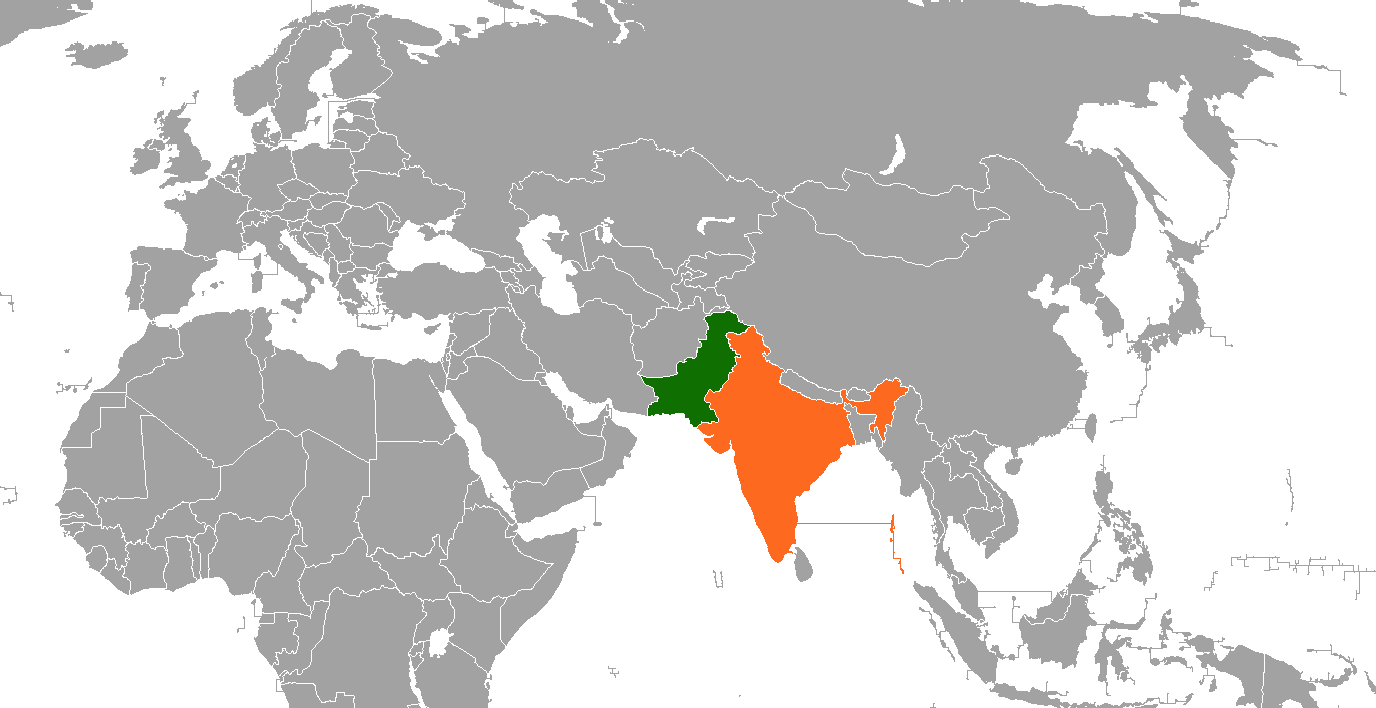
Image Credit: Grubb from Wikimedia Commons
Take the Quiz: What Kind of Political Personality Are You?
Ever wondered what role you’d play in the political world? Take this fun quiz to find out!
Israel–Iran Ceasefire
In mid-June, Israel launched surprise airstrikes on Iran’s nuclear infrastructure, prompting Iranian attacks on Israeli cities. Because US properties in Israel were targeted, the United States then dropped 30,000-pound bunker-busters. The plans for the latter were transmitted via a now infamous and unsecured Signal chat, a communication that put the lives of the US soldiers carrying out the mission on the line.
A few days later, President Donald Trump announced a ceasefire between Israel and Iran after speaking with Israeli Prime Minister Benjamin Netanyahu. Specifically, Israel agreed to the ceasefire if Iran also would.
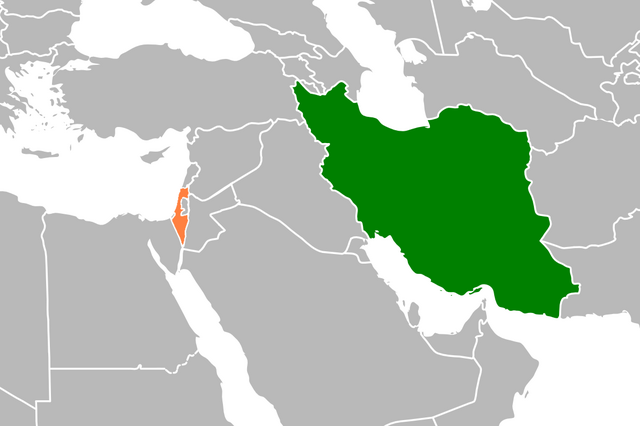
Image Credit: Torsten from Wikimedia Commons
Armenia-Azerbaijan Peace Declaration
For decades, Armenia and Azerbaijan have been fighting over Karabakh, internationally known as Nagorno-Karabakh. On August 8th, during a summit at the White House and in front of President Donald Trump, Azerbaijani President Ilham Aliyev and Armenian Prime Minister Nikol Pashinyan signed a peace agreement, signalling the end to the war that had caused over 7500 deaths in 2022 alone. The deal includes a peace corridor called the “Trump Route for International Peace and Prosperity” (TRIPP), which allows the US to take control of the area for up to 99 years.
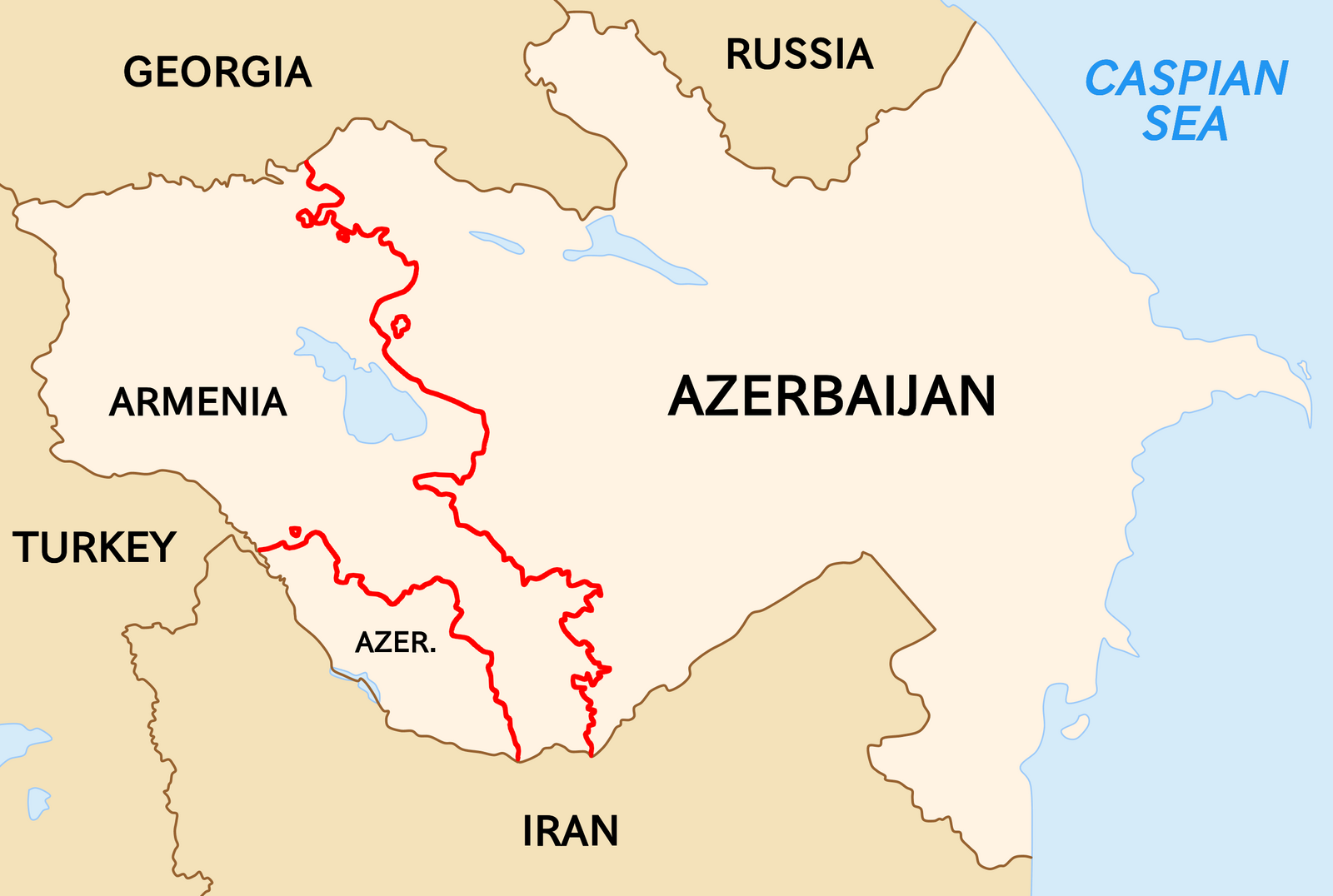
Image Credit: Golden from Wikimedia Commons
Cambodia–Thailand Border Ceasefire
Over a longstanding border dispute, Cambodia and Thailand exchanged fire in late July. It left at least 41 soldiers and civilians dead on both sides and 260,000 people displaced.
On July 28, the two countries agreed to a ceasefire under pressure from President Trump, who threatened to halt trade deals and restart negotiations.
However, the ownership of the 1,000-year-old Hindu temples along the 500-mile border has not been decided, and Thailand still holds 18 of 20 Cambodian POW’s, having only returned two soldiers suffering from injuries.
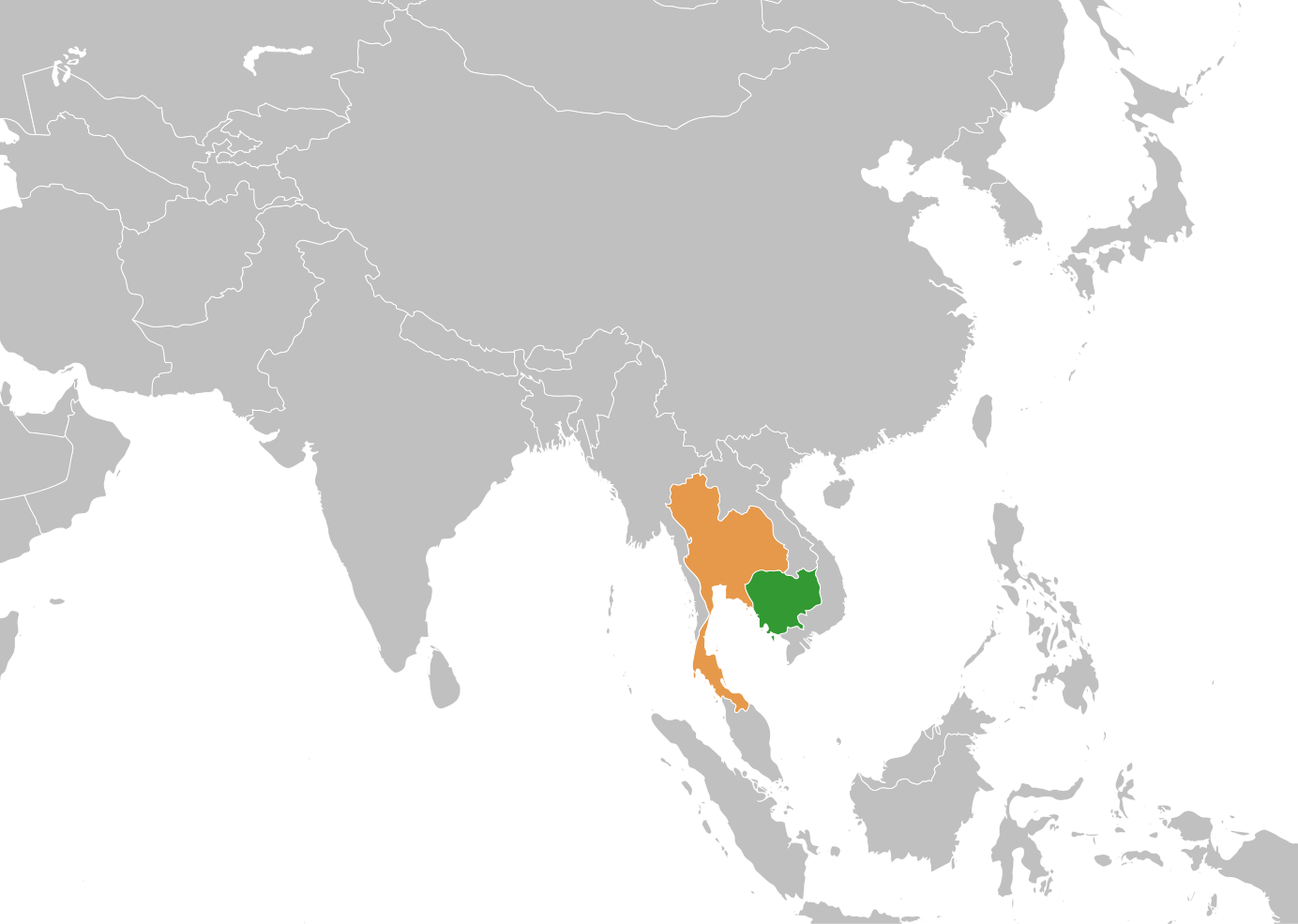
Image Credit: Listz3 from Wikimedia Commons
Assessment: Does This Merit a Nobel Peace Prize?
While Trump’s diplomacy may have helped cease some of the above wars and prevented more people from dying, he did so by threatening financial hardship and further violence.
Last year’s Nobel Peace Prize was awarded to The Japan Confederation of A- and H-Bomb Sufferers Organisations, shortened in Japanese to Nihon Hidankyo. It is a Japanese group advocating for the victims of nuclear weapons at the end of WWII and ensuring that no one will ever suffer from nuclear weapons.
The Peace Prize 2023 was awarded to Narges Mohammadi for her efforts to protect women’s rights in Iran, and in 2022, it was awarded to Ales Bialiatski, Memorial, and the Center for Civil Liberties for their work in defending civil rights in their home countries. In all cases, prize recipients have been awarded for standing up for values that protect human dignity.
As teens growing up in a world still shaped by nuclear threats and global conflict, we should consider: Where do you draw the line between strong-arm diplomacy and lasting moral impact? Does outright lying disqualify a candidate? What about having 34 prior convictions for financial fraud and rape?
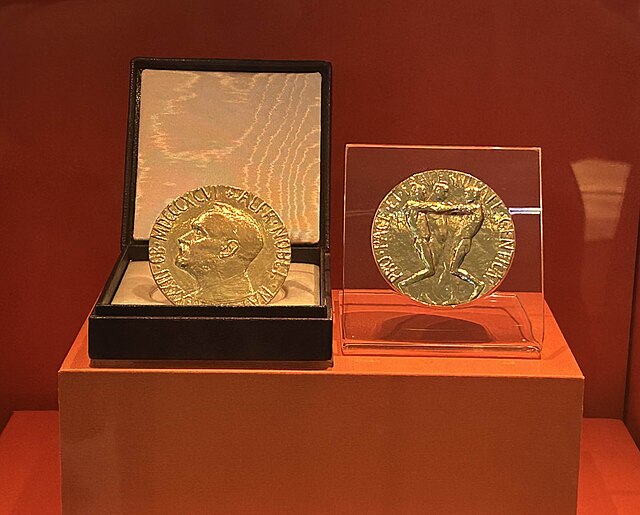
Image Credit: ArtemisiaGentileschiFan from Wikimedia Commons
Conclusion
In India and Pakistan, Trump took credit for a ceasefire that Indian officials say he had nothing to do with. In Israel and Iran, he dropped bombs before calling for peace. In Armenia and Azerbaijan, he didn’t give the land to either side—he took control of it. In Cambodia and Thailand, the fighting stopped, but the conflict isn’t yet over.
Depending on what media outlets are providing your news, parsing out what’s actually happening—what’s true, what’s not – is becoming increasingly complicated. Staying focused on basic human values can be one way of deciding what we choose to subscribe to!
In the end, peace isn’t just about ending a fight; it’s also about how it ended, and who it really helped.


.png)


