






Language is never politically neutral, least of all America's military position. Descriptions of institutions are just as much a statement of national identity as they are administrative decisions. When Harry Truman inked the 1949 amendments to the National Security Act and renamed the Department of War the Department of Defense, it wasn't a bureaucratic adjustment.
It was a conscious renaming to cast the U.S. in a self-image of reluctant guardian of a Cold War world. The implication was clear: America does not go looking for war, but it will defend freedom.
Decades later, Donald J. Trump, never one to obey conventions, has rhetorically reversed that move. In his speeches, off-the-cuff remarks, and broader worldview, the U.S. is not merely “defending” but actively at “war.” He has declared wars on immigration, wars on the media, wars on trade imbalances, and wars on terrorism with a bluntness that leaves no space for euphemism. This shift, from the language of defense to the language of war, has profound implications for America’s foreign policy, global image, and domestic politics.
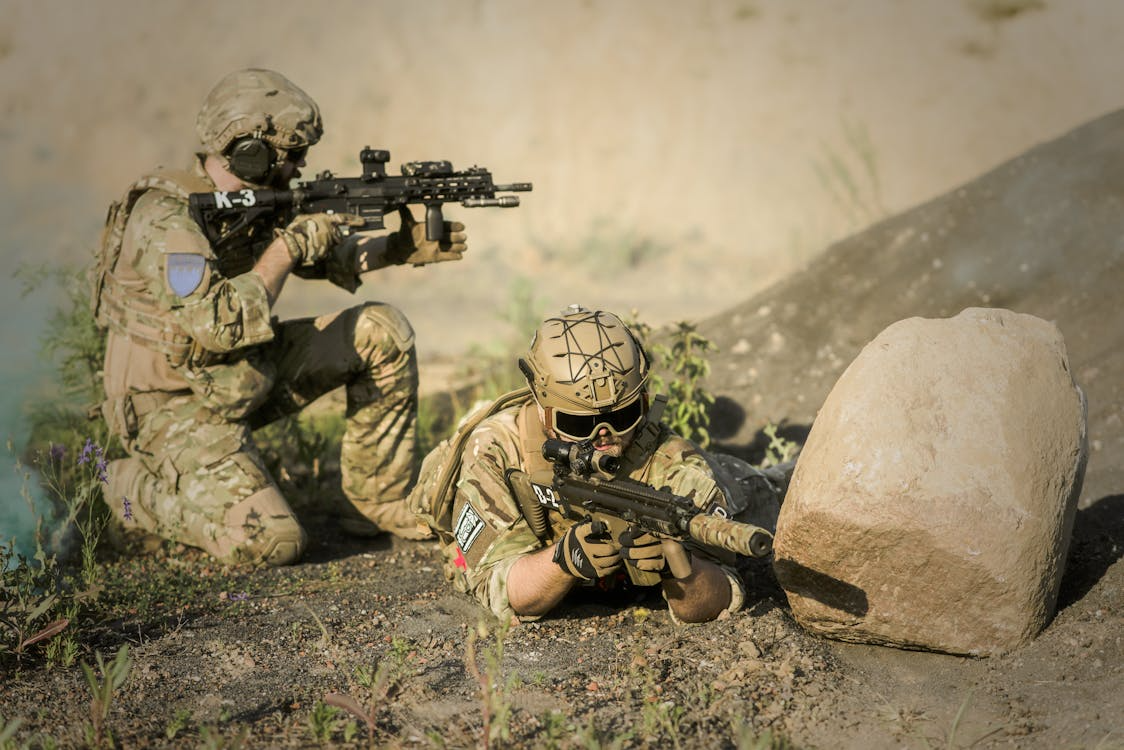
Image Credit: Pixabay from Pexels
Let us slide into your dms 🥰
Get notified of top trending articles like this one every week! (we won't spam you)A Historical Branding Effort: War to Defense
Prior to explaining Trump's flip-flop, one must grasp the original shift. Up until 1949, the Department of War had been the oldest and simplest designation within the Cabinet of the U.S. Founded in 1789, it oversaw everything from the Revolutionary War until the Spanish-American War. However, the atrocities of two World Wars altered America's strategic outlook.
When President Truman reordered the military structure of the United States, he swapped "War" for "Defense." The Cold War required a definition of moral high ground. As Secretary of Defense James Forrestal said in 1949, the substitution "reflected the vital nature of our struggle, not for aggrandizement, but for security." That is, America sought to position itself as a bulwark against Soviet aggression, rather than an imperial power.
But the irony was transparent. Within the Department of Defense, from the 1950s on, there have been more foreign wars than there were under the Department of War by itself, Korea (1950–53), Vietnam (1955–75), Grenada (1983), Iraq (1991, 2003), Afghanistan (2001–2021), Libya (2011), Syria (2015–present). The term "defense" provided a euphemism for America to market offensive wars as moral.
Take the Quiz: What Kind of Political Personality Are You?
Ever wondered what role you’d play in the political world? Take this fun quiz to find out!
Trump's Rhetorical Return on "War"
Along comes Donald Trump, who reflexively spurns euphemism. He likes blunt language, even when that shakes up taboos. During his 2016 election, he persistently said:
"We don't win wars anymore. We go there for six trillion dollars in the Middle East, and we don't win."
"We're going to bomb the [censored] out of ISIS."
"Take the oil. We should've taken the oil."
These weren't gaffes; they were deliberate. While predecessors had designated wars as "operations," "engagements," or "interventions," Trump spoke of them publicly as wars. He recovered the vocabulary of war, unfazed about the post-1949 packaging of "defense."
Even within domestic terms, Trump relied on war language. He talked of a "war" on illegal immigration, referring to the southern border as a "battlefield." He ratcheted trade disagreements up into a "trade war" with China, framing tariffs with military imagery for their defense. He referred to political adversaries as waging a "war" against him. His lexicon did not portray America as a protector on the defensive; it was a country at perpetual war, both at home and overseas.

Image Credit: Markus Spiske from Unsplash
International Aspects of the Change
a) Justifying Violence
When America declares everything a war, its adversaries and allies take such rhetoric at face value. By putting "war" back on center stage, Trump relaxed the bar for belligerent action. His 2019 attack on Iranian General Qassem Soleimani, which Trump described as ridding the world of "the number one terrorist in the world," was presented as decisive wartime leadership, not a defense necessity. This makes offensive action a legitimate policy.
b) Weakening International Norms
The UN Charter makes plain: force is allowed for self-defense or a Security Council mandate alone. That is why American leaders have forever enveloped invasions with defense rhetoric. George W.
Bush called the 2003 invasion of Iraq a "preemptive defense." Barack Obama referred to Libya as a "responsibility to protect." Trump dispensed with such fig leaves. If America itself sheds its defense mantle, why should China or Russia be restrained?
c) Alliance Strains
The direct "war" rhetoric of Trump surprised NATO allies. While much of Article 5 makes collective defense institutional, Trump repeatedly urged European allies to "pay your fair share" and threatened to withhold protection if they did not. As he proclaimed in 2018: "We're protecting Germany, we're protecting France, we're protecting all of these countries. And they're delinquent." His transactional framework meant that America wasn't "defending" anyone; it was at "war" for a fee.
The Domestic Calculus: War as Politics
For Trump, "war" isn't a word exclusively for describing foreign policy; it's a domestic political marketing tool. He lives on war narratives. By declaring wars on opioids, the "deep state" or whatever, he makes politics a series of high-stakes, existentially charged struggles on which he declares war.
This is true to the modus operandi of the campaign. Politics, for Trump, isn't an argument; it's war. His base gathers around the image of a war-fighting winner fighting on their behalf. As Steve Bannon once said, Trump's political genius is in "flooding the zone with conflict." That approach centers on the word "war.".
Psychological and Cultural Changes
There's a deeper psychological impact involved. Through the normalization of "war" rhetoric, Trump habituates Americans to view incessant war as normal. While Obama, through cautious posturing, talked of "surgical strikes" to calm a war-weary populace, Trump emphasized the fatigue and turned it into a selling point. Rather than vow less war, he vowed a war of decisiveness.
This resonates with a segment of America which believes the country has been embarrassed abroad. As Trump told veterans in 2017: "We don't win anymore. But we are going to start winning again, believe me." The implication: unlimited war is tolerable if America is "winning."
Historical Parallels and Breaks
Comparing Trump with past presidents highlights the break:
- Eisenhower (1953-61) warned of a "military-industrial complex," with a priority on defense.
- George W. Bush (2001– 09) proclaimed a "war on terror" but wrapped interventions under the mantle of defense: defense of America after 9/11.
- Barack Obama (2009–17) preferred "operations" and "coalitions" over war talk.
He broke this tradition. He relabeled the presidency as one for a permanent war commander, unwilling to call things wars.
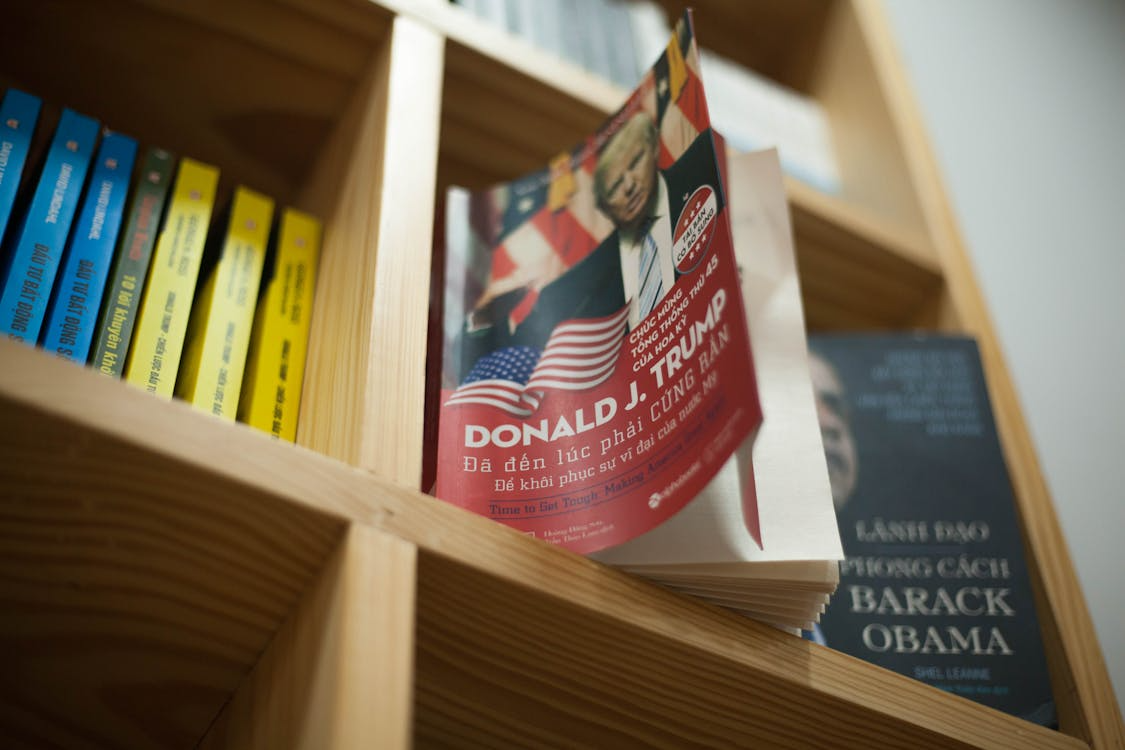
Image Credit: Phúc Pham from Pexels
Risks of the War Identity
- Escalation – Rivals like Russia,China, North Korea, and Iran (Axis of Upheaval) respond to war talk with brinkmanship, raising the chances of miscalculation.
- Diplomatic Isolation – War rhetoric is destabilizing, which complicates collective security.
- Domestic Blowback – After two decades of war fatigue, Americans could turn against leaders who promise a war without end.
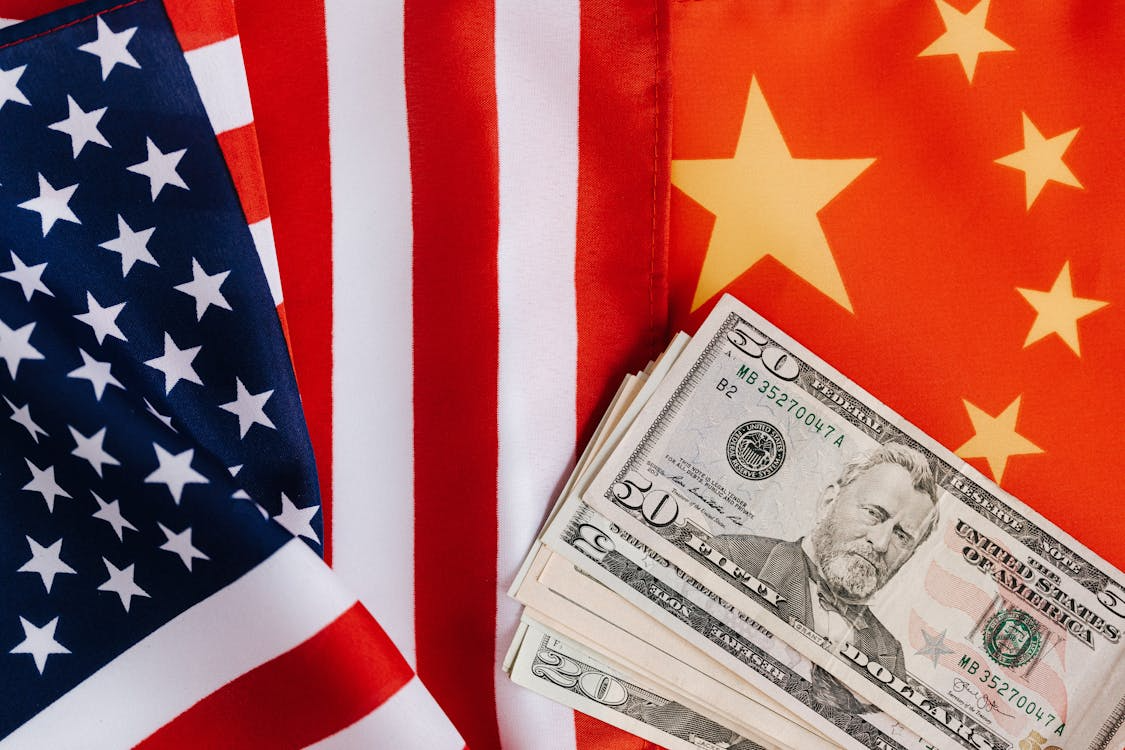
Image Credit: Kaboompics.com from Pexels
Why Does This Matter Anyway?
Even with threats, Trump's war rebranding appeals to his base because "defense" is perceived as weak. "War" is strong, masculine, and unrepentant. For many Americans, especially those in rural or working-class areas who are convinced they are under siege from globalization, immigration, and societal change, war is a correct metaphor. Trump appeals to this sentiment.
My Thoughts
Here’s where I land. On one level, Trump’s rebranding is brutally honest. Let’s not kid ourselves: the U.S. hasn’t been about “defense” in decades.
It has projected power worldwide, toppled governments, and occupied countries. Trump’s “war” rhetoric unmasks that reality.
But unbridled honesty is reckless. Words create norms. When the world's greatest military adopts "war" as self-description, it lowers the international norm-setting standard.
Rivals will follow its lead. Allies will be suspicious of it. Home politics will become more militaristic.
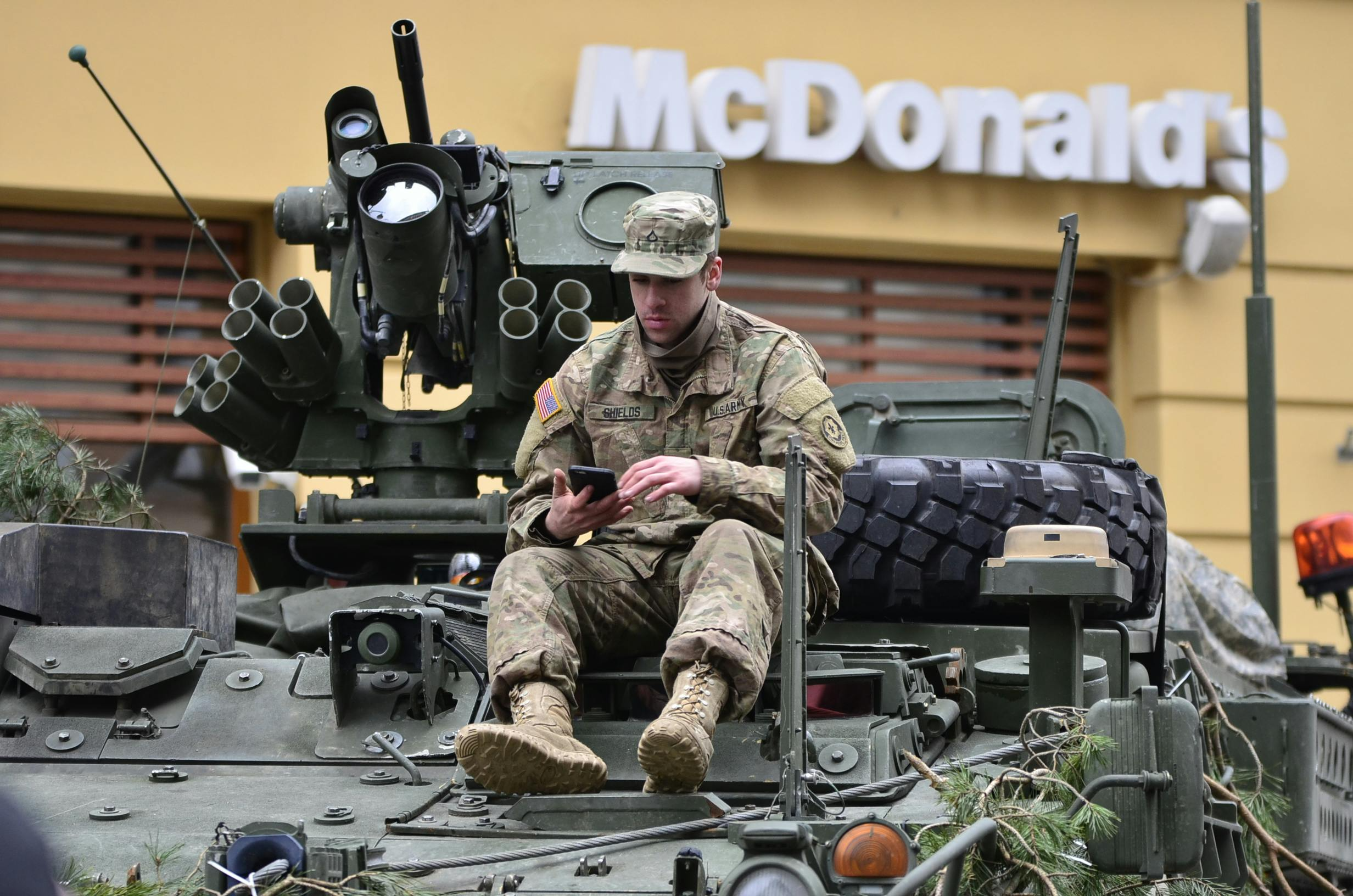
Image Credit: Konrad Ciężki from Pexels
As one observing this, I have a concern about the shift being perilous. America might commit to a war-first identity, one more difficult to reverse than Truman's 1949 relabeling. Once institutions, doctrines incorporate "war" into their mandate, diplomacy is an afterthought. The Department of Defense might officially become a Department of War, at least in name if not statute.
Conclusion
The rhetorical shift from "defense" to "war" is more than rhetorical flair. This is a glimpse of how he envisions America's role: not a hesitant protector, but a proud gladiator. By ripping off the carefully maintained mask of "defense," Trump reveals America's hunger for war but also threatens instability for norms holding back superpower belligerence.
The question is no longer if America needs defense. The question is whether America wants defense to defend its self-definition or accept war as its ultimate brand.