

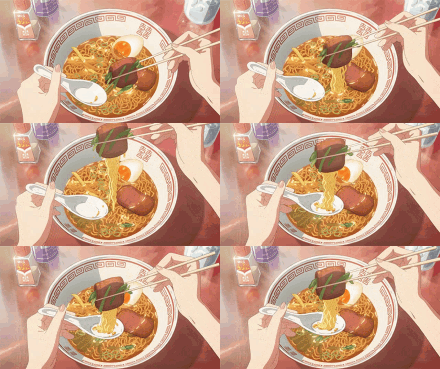


Welcome back to my series where I explain the different jie qi in Traditional Chinese Medicine (TCM)! In TCM, the year isn’t just divided into four seasons; it’s divided into 24 jie qi according to the traditional Chinese calendar. Each jie qi lasts about two weeks and marks shifts in weather, energy, and nature. It guides us on how to eat, rest, and take care of our bodies.
Recently, we discussed how Shuāngjiàng (霜降, Frost Descent) marked the final shift before winter. Now Lìdōng (立冬, Winter Begins) marks the official start of winter in the traditional Chinese calendar. Days shorten, energy draws inward, and it’s also time for us to slow down.
Let us slide into your dms 🥰
Get notified of top trending articles like this one every week! (we won't spam you)What Is Lìdōng?
Lìdōng begins around November 7 and lasts until November 21. It’s the 19th jie qi, bridging late autumn with early winter. In TCM, Yin energy continues to grow stronger as Yang retreats. Your body also begins to store energy, preparing for the long months ahead.


Take the Quiz: Are You A Coffee Or Tea Person?
Take this quiz to find out!
Wellness in Lìdōng
Winter corresponds to the water element, which in TCM governs the kidneys and bladder. These organs are like a battery pack for your body. They store essence (jing), support growth, and regulate fluid balance.
When kidney energy is strong, you feel grounded and resilient. When it’s weak, it may cause fatigue and lower back pain.
What to do this jie qi:
- Warm up from the inside: Drink ginger tea or bone broth and skip the iced drinks. (Your kidneys will thank you!)
- Sleep more: Winter is nature’s bedtime; your body restores during deep rest.
- Move slowly: Try low-intensity exercises like tai chi, yoga, or stretching. Save your high-intensity workouts for spring.
- Keep your lower back and feet warm: These are key areas for conserving kidney yang.
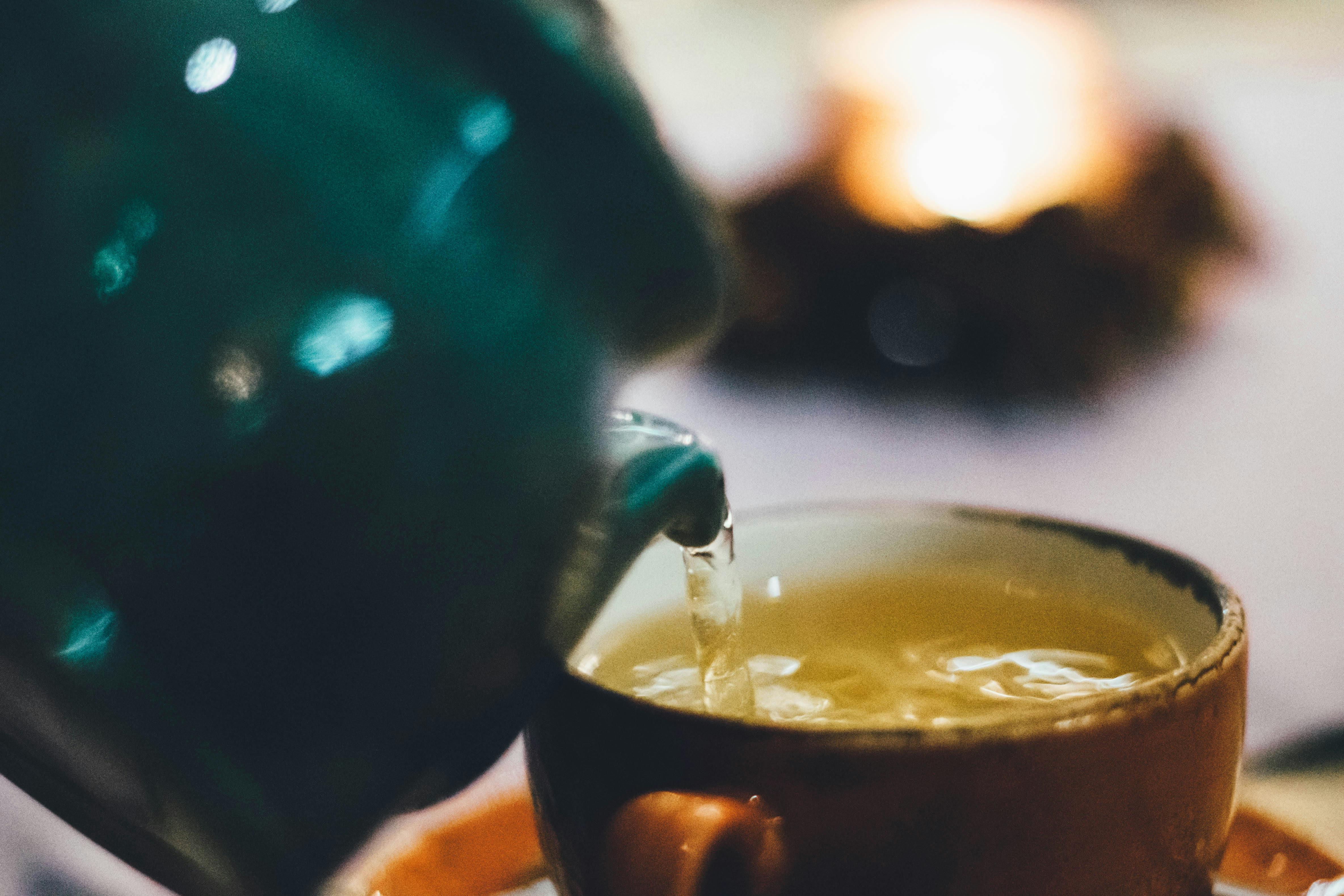
Image Credit: Maria Tyutina from Pexels
Seasonal Foods to Try
Lìdōng is the season of nourishment and replenishment. This means that it’s time to eat foods that are warming, hearty, and rich.
Best foods for Lìdōng:
- Black-colored foods: (symbolic of the Water element): black beans, black sesame, seaweed
- Root vegetables: carrots, sweet potatoes, lotus root
- Protein-rich and warming dishes: lamb stew, chicken soup, duck, or beef shank
- Nourishing broths and herbal soups: with goji berries, red dates, and Chinese yams
- Warm teas: try ginger-longan tea or goji berry with chrysanthemum
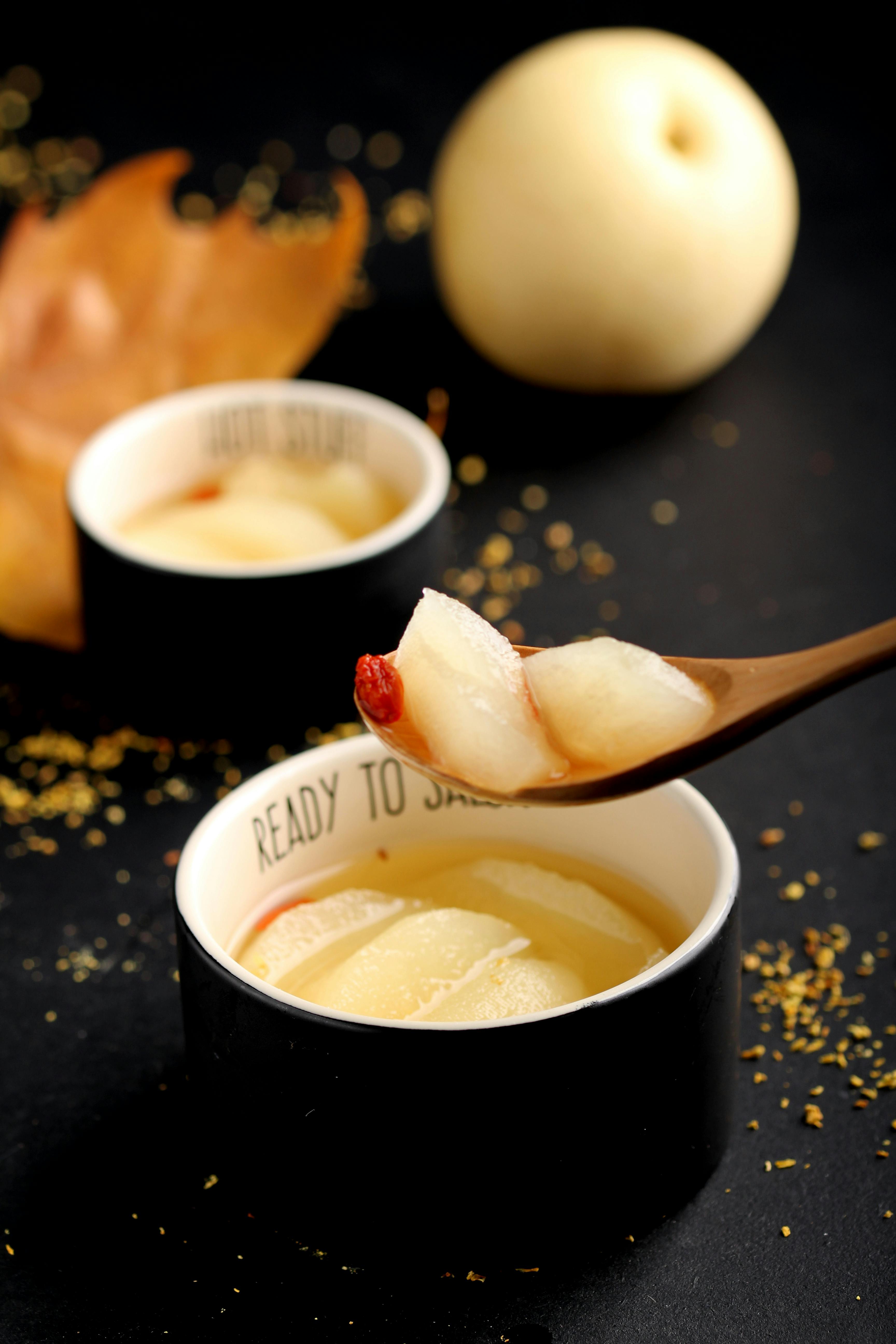
Image Credit: Istu Zhang from Pexels
These foods keep you warm and recharge your body’s energy, helping you enter winter strong.
Why We Should Care
Life doesn’t really allow for hibernation, but your body still follows TCM principles. Ignoring those cues (pulling all-nighters, drinking iced coffee in cold weather, skipping meals, etc.) slowly drains your energy. Lìdōng is your reminder to slow down with purpose. You don’t have to quit your life; just align with it.
The Cultural Side
In ancient China, Lìdōng was more than just a change in weather. Emperors held ceremonies to welcome the season, offering sacrifices to heaven and earth, while common people prepared for the cold months ahead. Families in northern China would eat dumplings, a folk tradition said to protect the ears from frostbite, and gather for shared meals full of nourishing foods. Farmers stored grains and preserved vegetables, making sure both crops and energy would last through winter.
Even today, many people observe “补冬” (bǔ dōng, “supplementing winter”) by enjoying warming, hearty foods to build strength and stay healthy in the cold months ahead.
Takeaway
Lìdōng is your cue to rest and refuel. The world is slowing down, and so is your body. Warm yourself through food, protect your energy, and let stillness be your strength.
Next up: Xiǎoxuě (小雪, Minor Snow)—when the first flakes fall, and winter deepens. Stay tuned for more tips to live in sync with the season!

