




Ever notice how once October kicks in, you’re suddenly drawn to soup, tea, and cozy blankets? That’s not just fall vibes, but something that traditional Chinese medicine (TCM) has been tracking for over two thousand years.
Meet the 24 solar terms, or jie qi (节气).
In TCM, the year isn’t just divided into four seasons, it’s separated into 24 jie qi based on the traditional Chinese calendar. Each jie qi lasts about two weeks and marks shifts in weather, energy, and nature. It guides us on how to eat, rest, and take care of our bodies. Instead of treating health as static, TCM sees it as seasonal: what keeps you balanced in July might not be what you need in October.
In this series, we’ll explore what each jie qi can teach us, with tips you can actually use in your daily life. From foods that nourish your body to lifestyle habits that match the season’s energy, we’ll show how you can apply TCM in your daily lives.
And right now, the spotlight is on Hánlù 寒露 (Cold Dew).
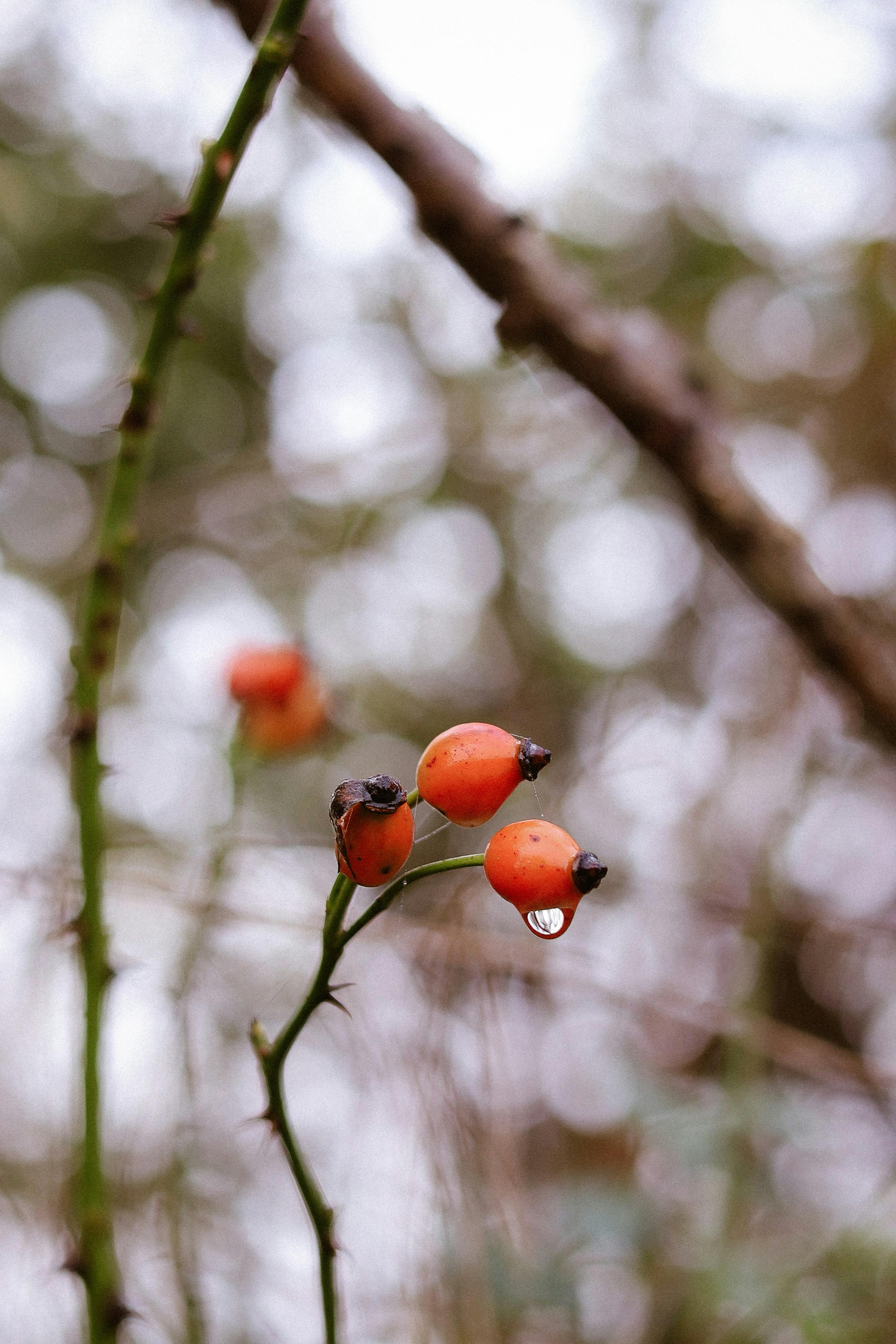
Image Credit: Nati From Pexels
What Is Han Lu?
Han Lu begins around October 8 and lasts until October 23. It’s the 17th jie qi of the year, after Qiūfēn 秋分 (Autumn Equinox) and before Shuāngjiàng 霜降 (Frost Descent).This is the moment when:
- Temperatures drop noticeably
- Dew on the ground starts to chill or freeze
- Days get shorter, nights get colder, and autumn transitions towards winter
In TCM, this is a sign to conserve energy and prepare the body for the colder months.
Wellness in Cold Dew (According to TCM)
TCM emphasizes living in sync with nature. During Cold Dew, the main themes are:
- Protecting warmth: Cold creeps in, so warming foods (soups, grains, teas, etc.) help protect your body’s warm energy.
- Moisturizing dryness: Cold Dew air dries out the lungs, skin, and throat. Hydrating foods like pears and honey can help balance this.
- Rest and balance: as daylight shortens, your body craves more rest. Going to bed earlier aligns your body.
Seasonal Foods
Traditional foods for Han Lu include:
- Pears – soothe dryness, ease coughs
- Sweet potatoes and taro – warming, grounding, and filling
- Lotus root soup – believed to support lung health
- Sesame and walnuts – nourishes yin energy and moistens dryness
- Ginger tea – warming and circulation-boosting
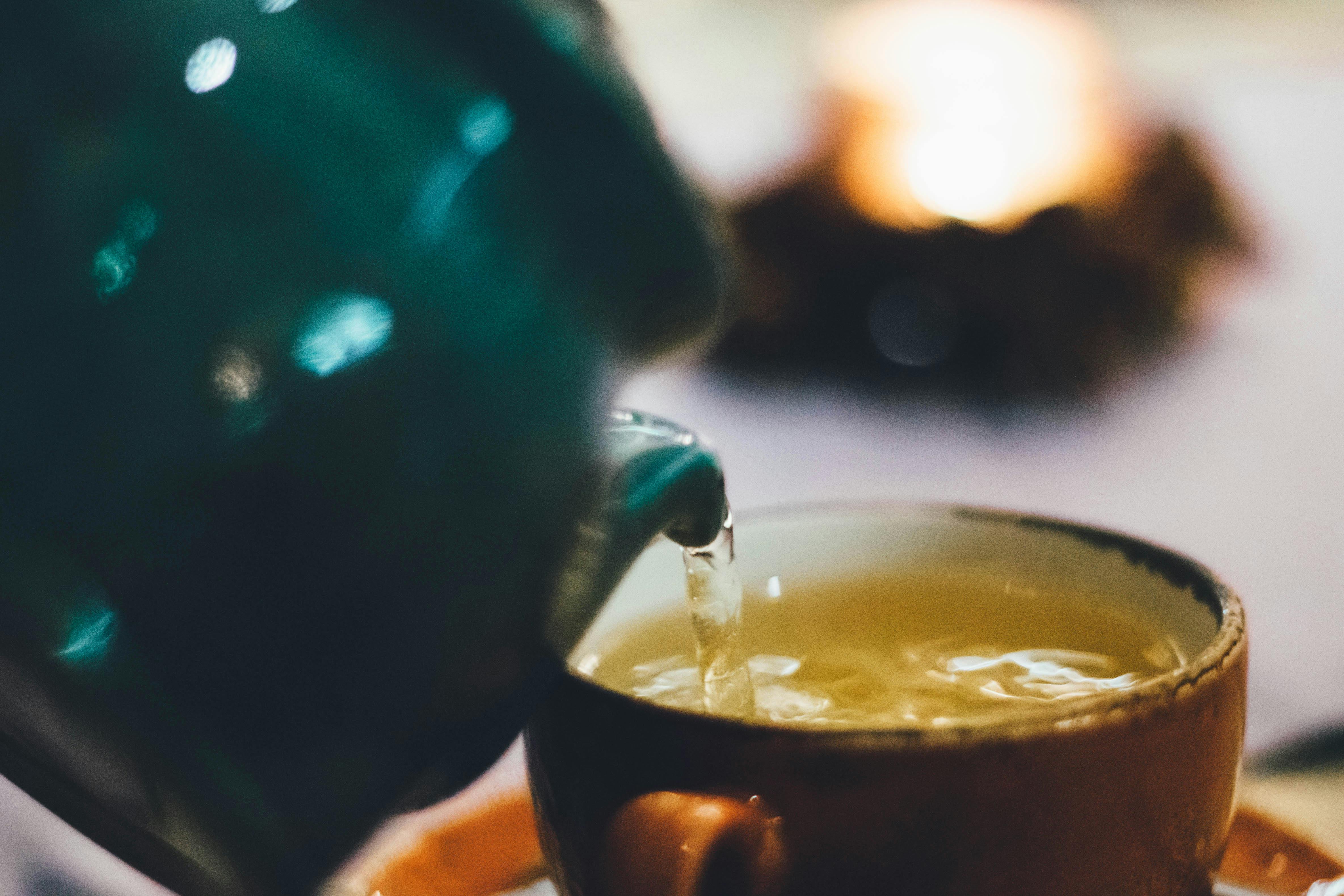
Image Credit: Maria from Pexels
Why We Should Care
Even if you’re not into ancient traditions, jie qi ideas actually line up with everyday experiences:
- Dry skin—hits hard in October.
- Food cravings shift—you might find yourself drawn to warmer, heartier, and more comforting foods.
- Sports & exercise—fall dryness can make joints stiff. Warming up more and hydrating can improve performance.
The Cultural Side
Han Lu isn’t just about food, it also influenced culture:
- Farmers used it as a signal to finish the autumn harvest
- Poets wrote about the chilly mornings and fading leaves
- Families prepared preserved foods to last through winter
Learning about jie qi gives us a new way to see the seasons.
Takeaway
Jie qi shows us that wellness isn’t one-size-fits-all — it moves with the seasons. By enjoying warming, hydrating foods, giving your body the rest it needs, and paying attention to nature’s subtle shifts, you can bring TCM principles into your everyday life to stay in sync with your body.
Stay tuned for the next jie qi, Shuāngjiàng 霜降 (Frost Descent)!

