




Welcome back to my series where I explain the different jié qì in Traditional Chinese Medicine (TCM)!
In TCM, the year isn’t just divided into four seasons; it’s separated into 24 jié qì based on the traditional Chinese calendar. Each jié qì lasts about two weeks and marks shifts in weather, energy, and nature. It guides us on how to eat, rest, and take care of our bodies.
Just a few weeks ago, Hánlù (寒露, Cold Dew) asked us to slow down and warm up as the air started to grow crisp. Now Shuāngjiàng (霜降, Frost Descent) arrives, marking the final shift before winter. It’s when the body starts storing warmth, gathering strength, and preparing for the colder days ahead.
Let us slide into your dms 🥰
Get notified of top trending articles like this one every week! (we won't spam you)What Is Shuāngjiàng?
Shuāngjiàng starts around October 23 and lasts until November 6. It is the 18th jie qi of the year, and acts as the bridge between autumn and early winter. This shift in the environment mirrors what’s happening inside us.
As the temperature drops, the body’s yang energy starts to move inward, while *yin energy rises. In TCM, this means that it’s time to rest more, eat warmer foods, and support the lungs and kidneys. These two organs are the most vulnerable to cold and dryness. The lungs govern breathing and moisture, while the kidneys carry the body’s *jing. When both are cared for properly during Shuāngjiàng, the body enters winter stronger, calmer, and more resilient.
Yang energy: the active, bright half of yin-yang, linked to heat, movement, and vitality in the body, and associated with daytime, summer, and the sun in nature.
Yin energy: the passive, cool half of yin-yang, linked to rest, moisture, and balance in the body, and associated with nighttime, winter, and the moon in nature.
Jing: The foundation of life; responsible for growth, development, and reproduction.
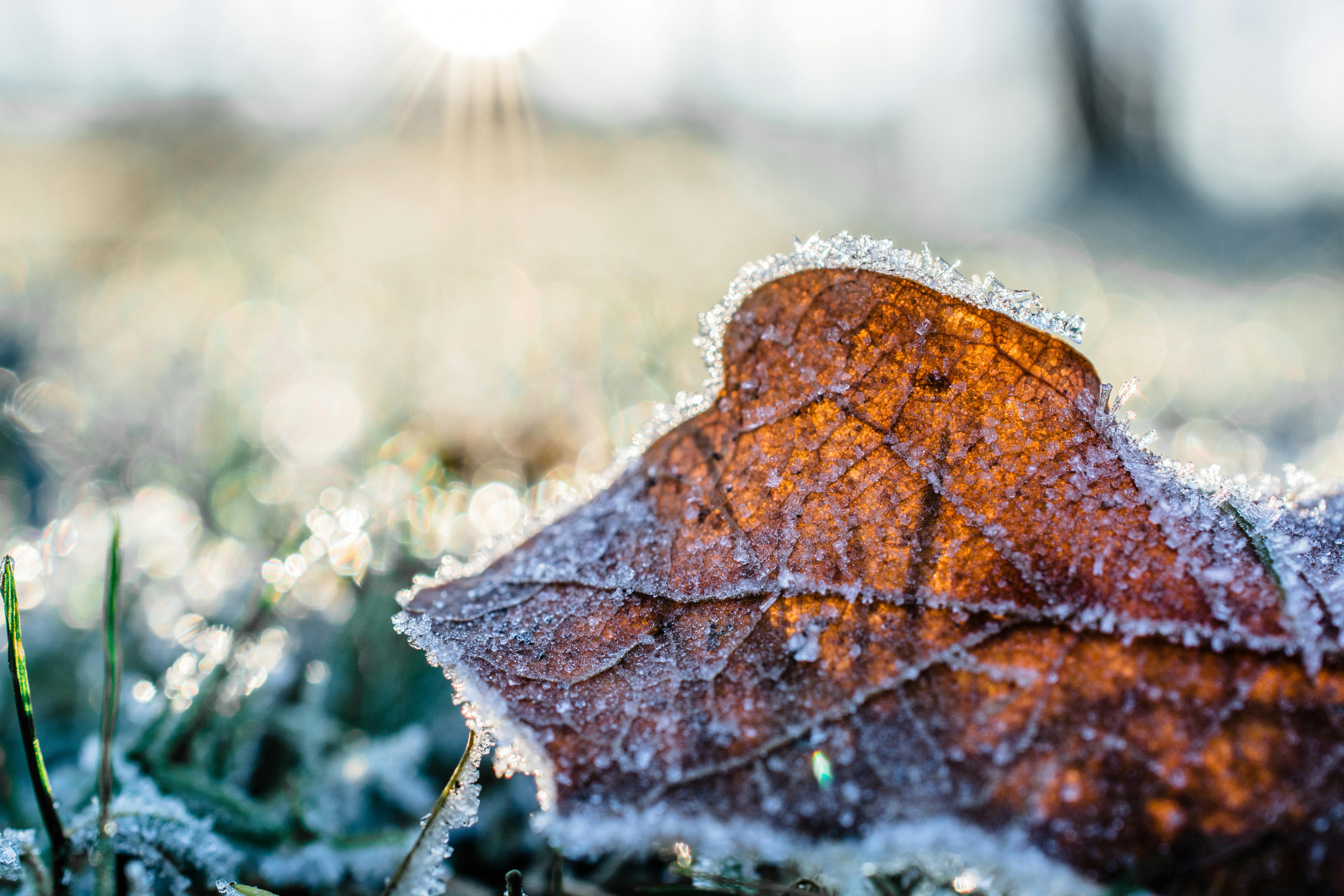
Image Credit: PhotosbyGinny from Pexels

Take the Quiz: Discover Your Ideal Stress-Relieving Hobby
Everyone deals with stress differently, and finding the right hobby can help you relax and unwind. Take this quiz to find out which stress-relievin...
Wellness in Shuāngjiàng (According to TCM):
As temperatures drop, your body’s yang energy starts to retreat. Here’s how to support that transition:
- Warm From Within: Foods like ginger, lamb, chicken, and sweet potatoes help defend against cold and strengthen immunity.
- Strengthen the Lungs: Cold, dry air can irritate your lungs and throat. Go for foods like pears, white fungus, and almonds that moisturize and calm dryness.
- Rest Deeply: Nature is slowing down, and so should you. Go to bed a little earlier, stay cozy, and avoid all-nighters (in TCM, staying up too late drains your kidney energy).
Seasonal Foods to Try:
- Pumpkin and millet porridge: Nourishing, easy to digest, and warming.
- Lamb or chicken stew: Boosts yang energy and keeps you cozy.
- Pears and white fungus soup: Hydrates the lungs and soothes dryness.
- Black sesame and walnuts: Strengthens kidneys and nourishes yin.
- Ginger tea with red dates: Improves circulation and adds warmth to chilly mornings.
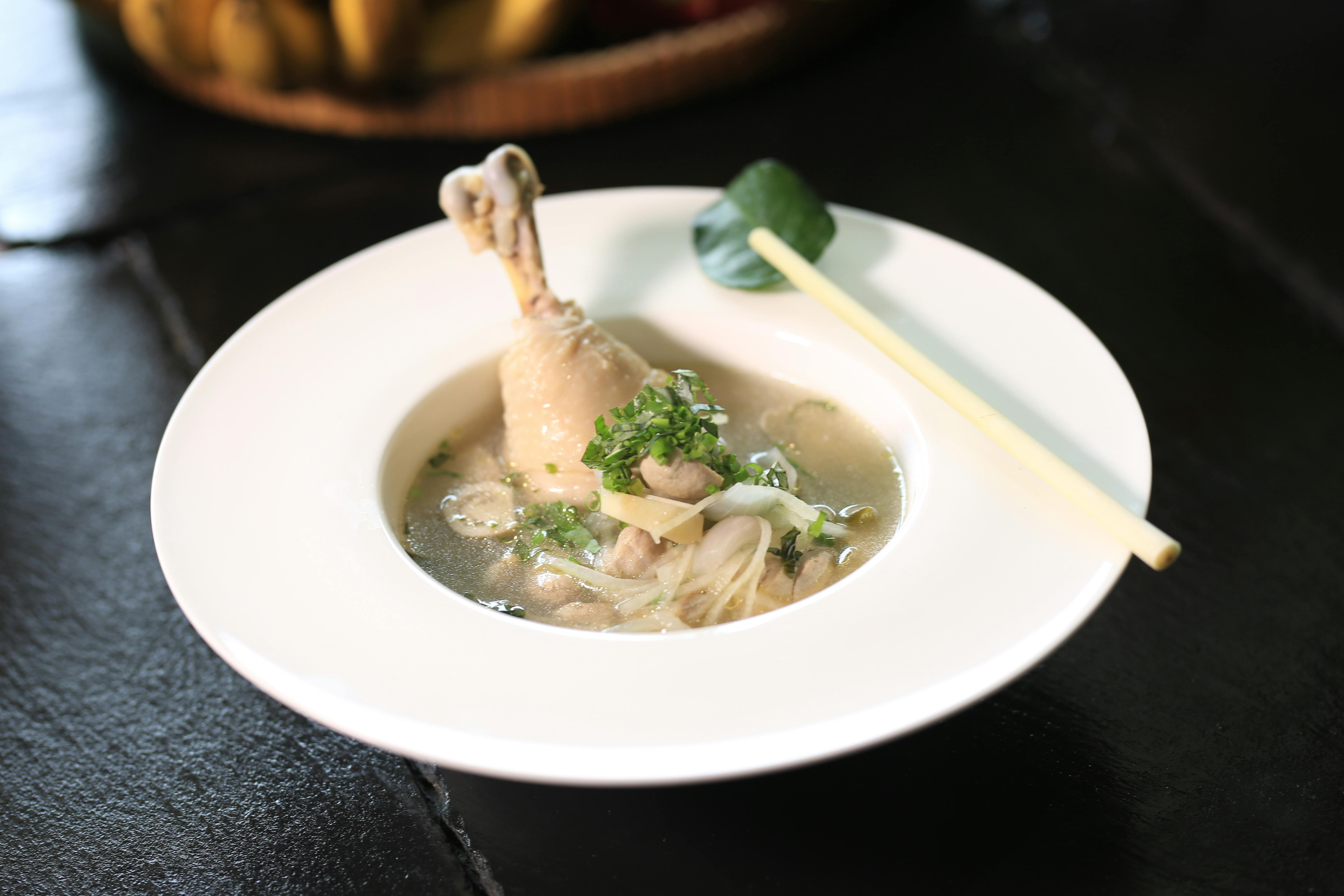
Image Credit: HM Grand Central Hotel from Pexels
Why We Should Care:
If you’ve noticed your skin getting drier or your body craving heavier meals, congrats: you’re already living by jie qi principles without realizing it. TCM just helps make sense of your body shifting gears with the season.
As we’ve stated before, during Shuāngjiàng, yang energy retreats while yin energy rises. That means your body naturally starts slowing down. Metabolism dips, immune systems need more support, and your emotions may shift, too.
Feeling a little more tired and having low energy? Well, with TCM on your side, now you know why.
The Cultural Side:
In ancient China, Shuāngjiàng meant more than colder mornings; it was the final harvest period. Farmers stored grains, brewed frost wine, and prepared for winter, while families prepared preserved foods for the months ahead. As always, poets were also inspired by this jie qi. One famous example is Tang dynasty poet Du Mu’s (杜牧) Shān Xíng (山行, Mountain Walk):
远上寒山石径斜,
白云生处有人家。
停车坐爱枫林晚,
霜叶红于二月花。
Translation:
The stone path climbs into the cold mountain,
Where white clouds cradle hidden homes.
I stop my carriage, enchanted by the maple forest at dusk,
The frosted leaves are redder than flowers of spring.
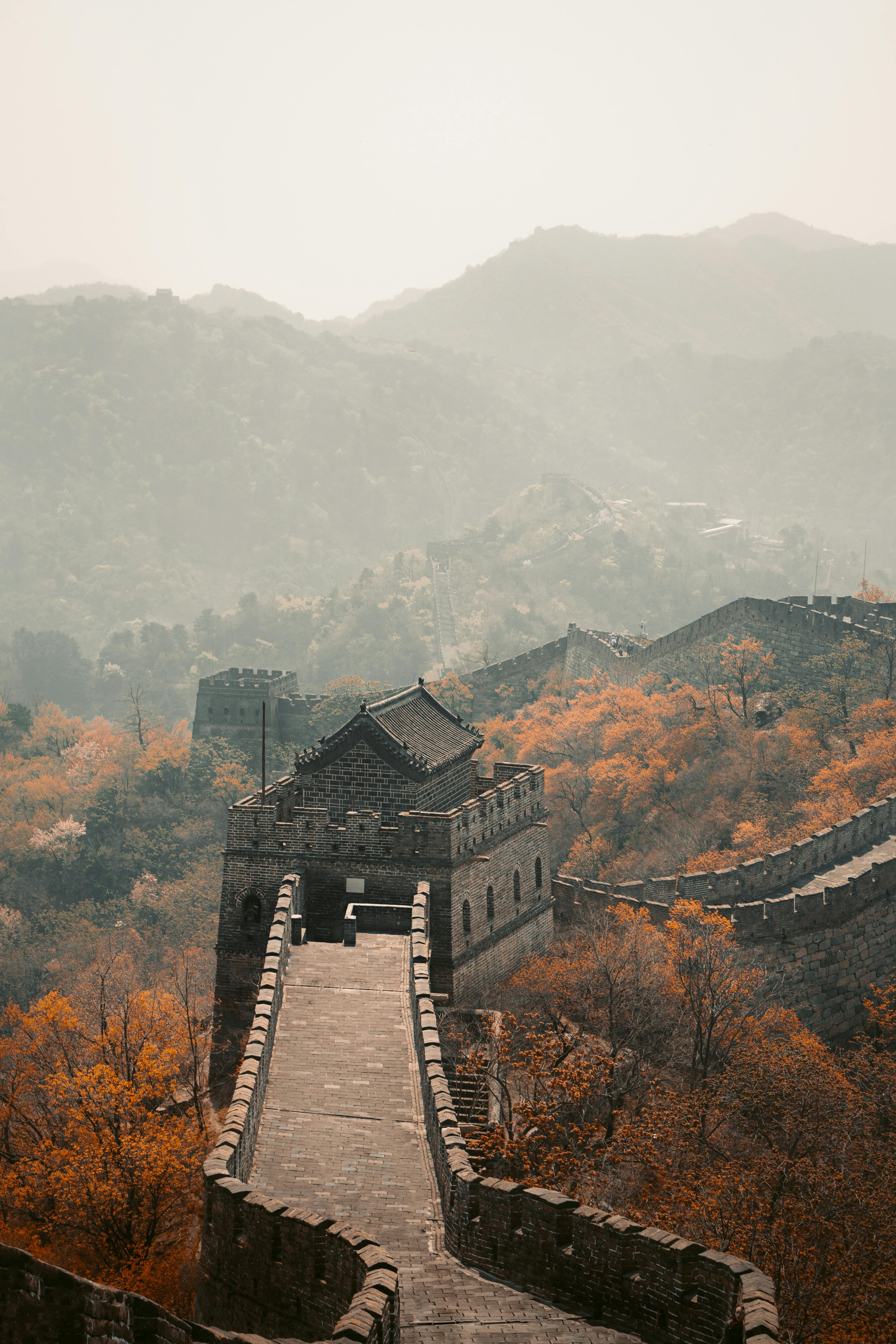
Image Credit: Paulo Marcelo Martins from Pexels
Takeaway:
Shuāngjiàng (霜降, Frost Descent) is your seasonal cue to find warmth not just in food, but also in pace and mindset. As nature pulls its energy inward, your body does the same, gathering strength for the colder months ahead. Embracing this shift with TCM allows our bodies to stay balanced, flowing with the jie qi. The seasons are changing, and your body already knows how to follow.

