The word "aesthetic" has wildly evolved throughout the years. It originally meant artistic ideals, or how a painting is "pleasing to the eye". While that has remained the same, it's evolved into a more constricting label: a genre of images, i.e., "pleasing to the eye in this specific way".
A group of things, individuals, or art that all have the same vibes and ideals, grouped under a single label. For instance, "Dark Academia" is based around learning, history, and philosophy, with dark browns and deep mauves as a color palett; think dusty libraries and quills, plaid and old secrets.
An aesthetic can be used as a label on a person, an outfit, scenery, an activity, and/or a way of life.
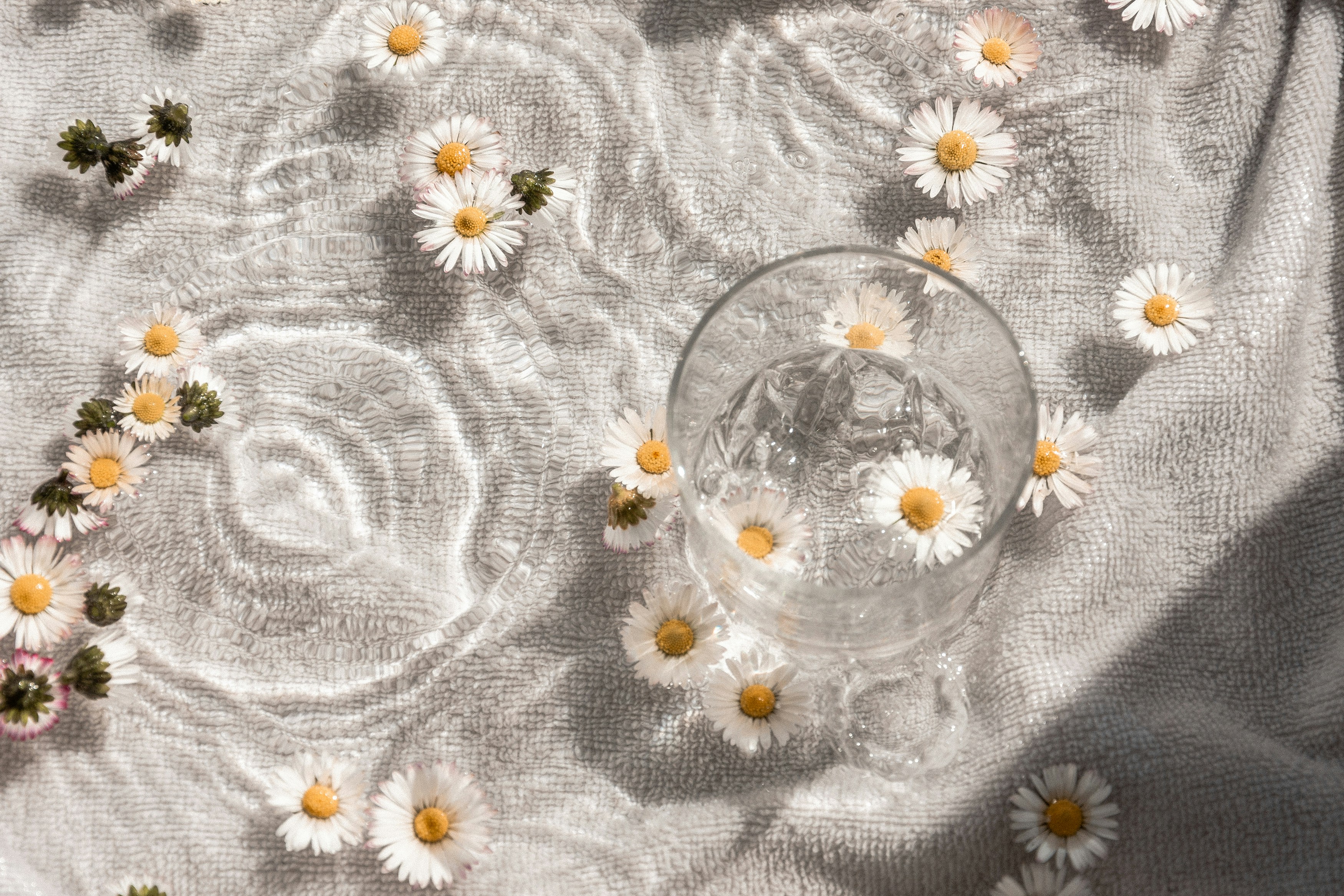
Image Credit: Camille Brodard from Unsplash
Let us slide into your dms 🥰
Get notified of top trending articles like this one every week! (we won't spam you)Why It Was Unhelpful To Me
Aesthetics are fun in theory, but when trying to apply them to real-world people and situations, it can be uncomfortable. It felt like I was limiting myself. I didn't have the freedom to be and wear whatever I wanted; it had to fit into my aesthetic, and it limited me.
You can't flourish in your style when you're putting limits on yourself! It caused identity issues, aesthetics became whole personalities, and people. Who would I be? My energy, my wardrobe, even my chosen name, were under attack from these rigid labels.
It was overwhelming and unhelpful, especially when you're a teen trying to find yourself. Not only was I trying to predict who I would be in 5, 10, and 20 years, but I also was trying to predict what I would like in terms of clothes and lifestyles. This over-analysis caused anxiety over the future, time that I could have spent doing things I loved instead of trying to predict what I would love and make it "aesthetic."
"People in the community would continuously want to 'be' an aesthetic and monitor and judge their own actions and change their behaviors accordingly. For example, a fan of Dark Academia might feel bad for wearing a sweatshirt while studying instead of a tweed blazer, even if nobody is around to see them not following that aesthetic. This self-surveillance results in poor mental health." - Aesthetics Wiki
"Many posts on the internet have made fun of people who want to categorize certain images into aesthetics, when these categories do not exist in real life or as a given in social media. Critics dislike how not only images on the internet, but also experiences, people, and outfits are seen as something to dissect and put into a box rather than being enjoyed as what they are and as something varied."- Aesthetics Wiki
Image Credit: Ethereal Optics from Unsplash

Take the Quiz: Which Fall Activity Should You Try Next?
Fall is full of exciting activities to match your vibe! This quiz will help you discover the perfect way to enjoy the season.
The Personality Gap
One thing I struggled with was the personality gap. I couldn't figure out which aesthetic my personality and life fit into. This is the problem with aesthetic culture: trying to fit yourself into an aesthetic instead of finding one that naturally fits you.
For example, "chaotic academia" fits me and my pursuit of knowledge very well. It happened naturally - I was just like that. But beyond that, I didn't have any other aesthetic.
I was trying to alter my life and mind to fit these aesthetic standards, to be all matching. Without finding a holy grail aesthetic, I felt unorganized; not living out an aesthetics made me feel unkempt and incomplete. It's a lot of pressure, figuring out what vibes you want your whole life to have; it's unhealthy to pick apart yourself that much.
The aesthetic phenomenon seems to have hijacked what was meant to be a self-discovery tool and made it a rule of thumb. Aesthetic culture expects you to adhere to an aesthetic wholeheartedly, and if you stray, then you're seen as a poser. This discourages people from being multifaceted!
Some people (like me) enjoy making up their own aesthetics in their free time—mood boards tailored to only them. I think this is a healthy and fun past time, allowing you to interact with aesthetics without the shame.
Some people realize their personality falls into a premade aesthetic, and that's great for them, but for the rest of us, we shouldn't be trying to force our entire being into a box that only fits a little part of us. Humans are made up of bits and pieces, not one single thing. Not memories, or places, or aesthetics, or outfits; each person is made up of scraps of things we love and choose, and we could stand here all day trying to put their entire being into boxes, but they would never truly fit.

Image Credit: LUM3N from Unsplash
Is It Unhelpful For You? Ask Yourself These Questions
- What are you trying to find an aesthetic for? Clothes? Your personality? If it's anything inside you, that could be unhelpful in the long run. You can't label a soul.
- How does it feel when you're looking at aesthetics? Happy? Excited? Stressed out and overwhelmed? Do you need a break? If you're like me and feel the need to toss your phone and rub your eyes, it could be unhelpful for you.
- Did it happen naturally, or is it a conscious effort? Are you constantly denying yourself the things you actually like because it "doesn't fit?"

Image Credit: Elizabeth Lies from Unsplash
Aesthetics As A Tool
On the other hand, aesthetic labels are very helpful when trying to collect pieces for your wardrobe or home. Labels such as "whimsy goth" curate specific vibes, which are very helpful when searching for specific vibes. Instead of Googling "stained glass purple window decor goth" and scrolling through a billion things, "whimsy goth" is clearer and more curated; you know what you want, and that's what you'll get shown.
Labels such as dark academia, cutecore, and kawaii are great for searching for specific clothes and vibes. But it's important to understand that aesthetics are tools, not rules. Aesthetics were meant to make genres clearer, not to be a rule of thumb. "Dark academia" was meant to be a vibe, an image, a genre. But it's turned into a strict rule of thumb, and aesthetics were never meant to be a rule.
Labels were meant to be tools, so people could Google "collages with dark academia ambiance" because that's the kind of scenery they enjoy, no different than collages on the seaside or in the countryside. But instead, it's turned into rules, "dark academia" colleges now mean rigorous and strict, dark and philosophical. Which fits, but "a billion definitions wrapped up into one label" just doesn't work. It's too serious and too constricting, which is the exact opposite of what aesthetics were meant to be.

Image Credit: Meiying Ng from Unsplash
Final Thoughts
Self-discovery should be fun, a little nerve-wracking, and adventurous. Not hidden in mood boards on Pinterest and late nights knitting yourself into knots over everything you should be for the rest of your life. It makes us feel that we aren't already beautiful, that we have to be pleasing to the eye and organized to be eligible for happiness.
Humans don't fit into boxes, or labels, or even memories and experiences. You are your own aesthetic, as you are now. You can't find yourself if you're limiting yourself.