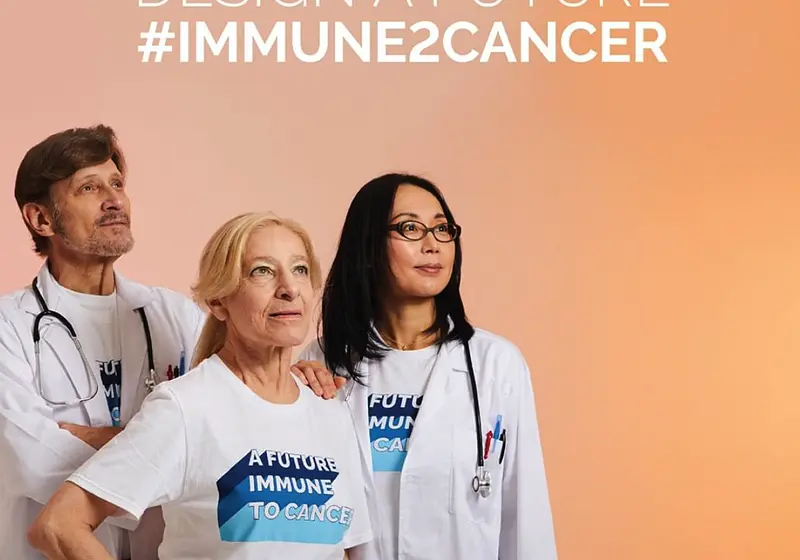





Think about your priorities. What are you most worried about at the moment? Maybe your schoolwork, job, university applications...but for a lot of people, health is not a key concern.
You've probably often missed out on sleep to meet a project deadline or rushed to school in the morning without having breakfast. Even for those who think about their fitness and health, they are frequently more interested in maintaining or losing a certain weight as opposed to worrying about their nutrition.
But, over time, it's gradually becoming more important for younger people to focus on their health; life expectancy is decreasing, disease rates are rising, and rates of early-onset cancer are increasing.
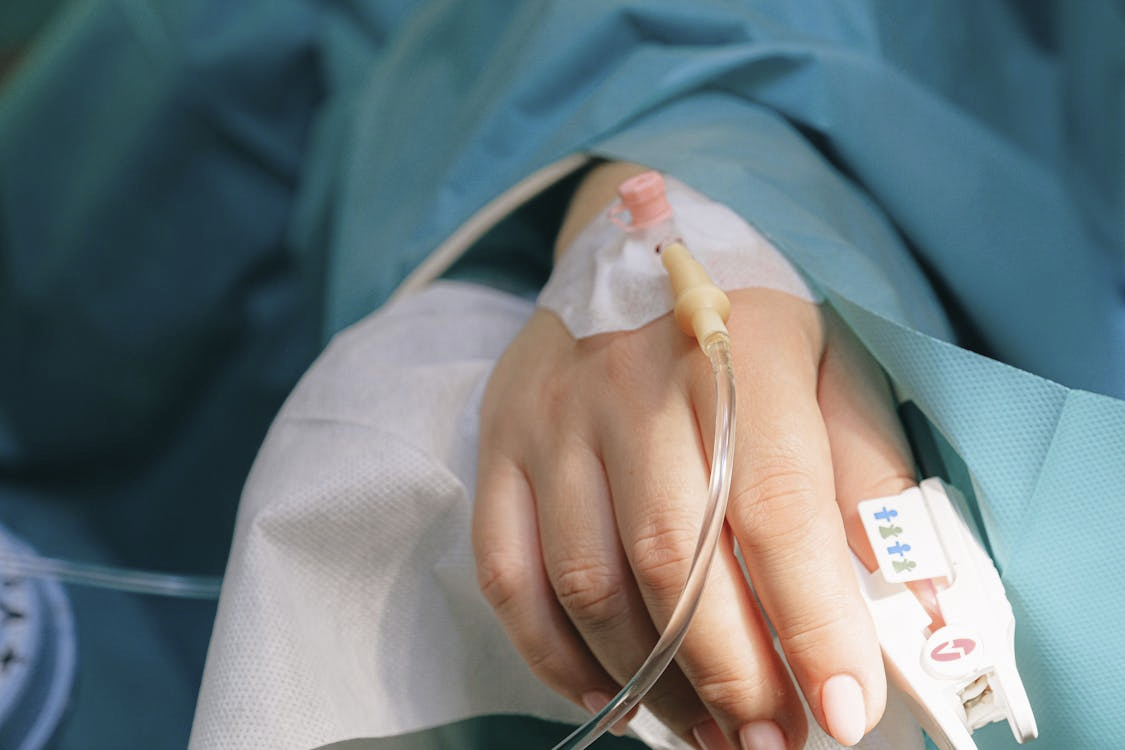
Image Credit: Anna Shvets from Pexels
Let us slide into your dms 🥰
Get notified of top trending articles like this one every week! (we won't spam you)What Is Early-Onset Cancer?
Early-onset cancers are those found in adults aged 15 to 49. The rates of these kinds of cancer have been increasing since the 1990s. What's notable is that cancers like breast, stomach, pancreatic and bowel cancer, which are usually found in older people, are now being diagnosed in younger people.
Unfortunately, as with a lot of scientific research, it will take time to determine the cause behind this issue, and the causes will vary depending on the type of cancer. Scientists think that genetic factors, physical inactivity, alcohol consumption, and diets low in fruit and milk could all increase a person's chance of developing an early-onset tumour. Since the 1990s, the lifestyle, environment and diet of the average person have all changed, which may have influenced this increase in cancer among younger people.

Image Credit: RDNE Stock project from Pexels

Take the Quiz: What’s Your Perfect Skincare Product for the 'Clean Girl' Look?
Take this quiz to discover the perfect skincare product for your “clean girl” routine!
Colorectal Cancer and the Role of Gut Health
Colorectal cancer affects the colon and [censored]. It has risen significantly among people under 40, and due to this, it has been researched thoroughly, and it is better understood than other kinds of early-onset cancer.
As you might suspect, there are a multitude of different factors that could promote early-onset colorectal cancer. Scientists believe your gut health might influence your chance of developing this cancer.
Inside your gut, there is essentially an ecosystem consisting of thousands of different species, such as bacteria, fungi, parasites and viruses. We call this ecosystem your gut microbiome, and the species living there are microbes or microorganisms. Contrary to what you might think when you hear the words 'bacteria' or 'fungi', these microbes aren't inherently bad; in fact, they help us survive and are involved in different bodily functions. For example, gut bacteria can break down carbohydrates, giving us energy and helping us thrive.
If you have a healthy gut microbiome, it will influence other aspects of your health as well. In this case, scientists believe that factors such as diet, microplastics and environmental chemicals influence the gut microbiome and therefore a person's chance of developing colorectal cancer. However, scientists are still focusing on the relationship between the gut microbiome and early-onset cancer specifically.
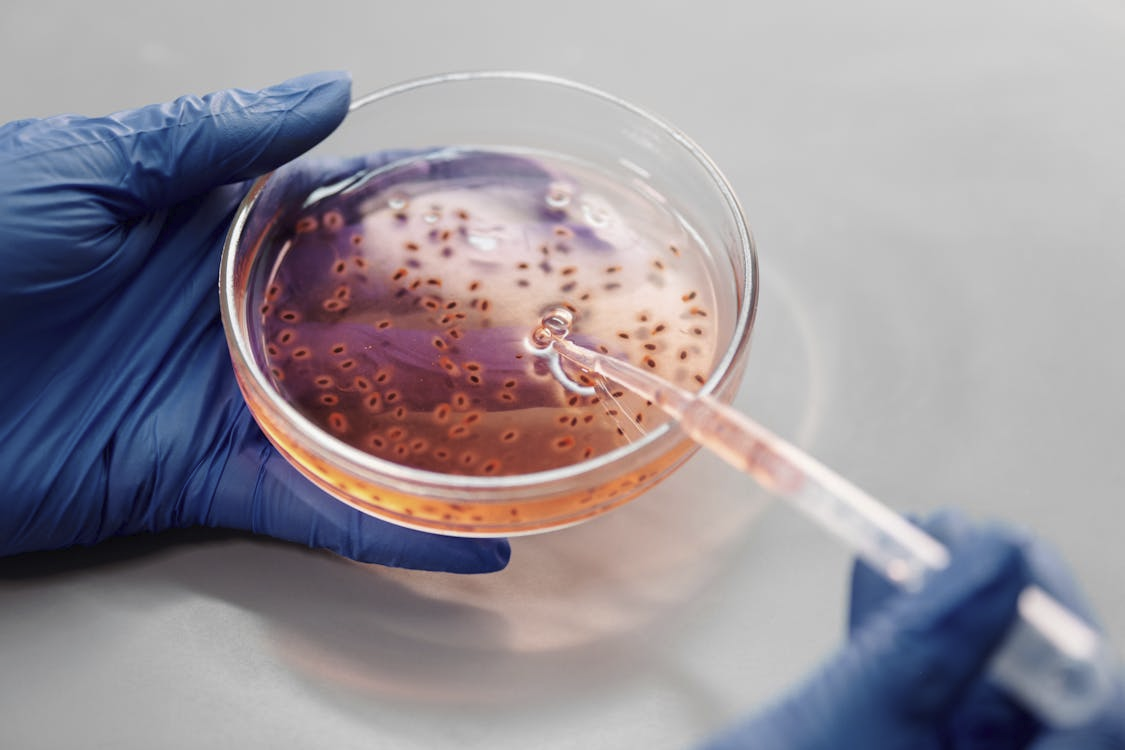
Image Credit: Edward Jenner from Pexels
The Difference in Diagnosis
Since scientists have been concerned for a long time with cancers in older people, they have gotten better at detecting these cancers at an early stage.
However, for younger people, cancers often get diagnosed at a much later stage, which means it also takes longer for healthcare professionals to intervene. It is hypothesized that early-onset cancers progress more quickly or follow a different timeline compared to typical tumours. If this were the case, this could explain why the regular methods for detecting tumours are less effective for early-onset tumours.
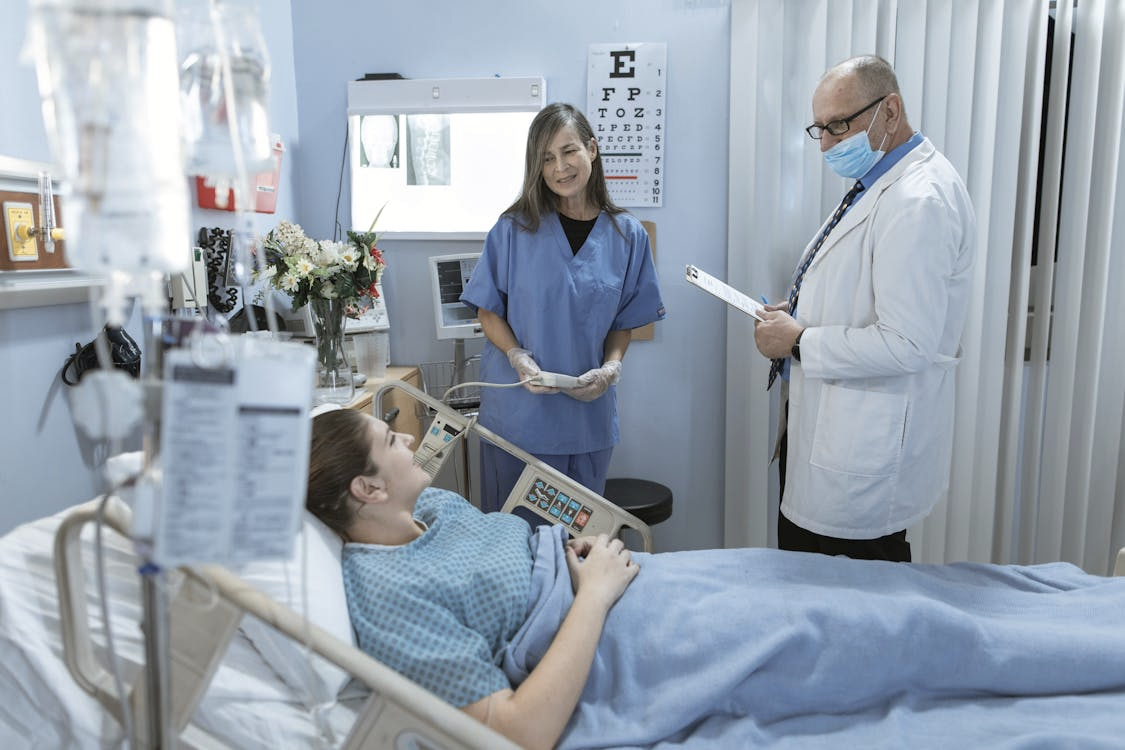
Image Credit: RDNE Stock project from Pexels
What Should You Do?
Luckily, there's a lot you can do to lower your risk of developing cancerous diseases. Ultra-processed foods, like packaged chips or candy, are associated with a higher risk of cancer and thought to be harmful to your gut microbiome, so they should generally be reduced as much as possible.
Alcohol and tobacco smoking should also be avoided, as both of these increase the risk of developing early-onset cancer. Increasing the amount of fruit in your diet can also decrease your risk. And diet isn't the only thing you should be focusing on. Your mental health is also very important; stress has been shown, time and again, to increase the risk of developing numerous different diseases, cancer being just one of them.
In general, yes, early-onset cancer rates are rising, but the good news is there's a lot you can do to lower your risk of developing it. Don't be afraid to visit your doctor if you have worrisome symptoms, such as bowel changes or bleeding, or weight loss, regardless of your age. Even if it might not seem important right now, and you're prioritizing schoolwork, don't neglect your physical and mental health!

Image Credit: Cats Coming from Pexels