






Education- supposedly the "great equaliser." By working hard and staying in school, we can be anything, at least that's what we're taught from the earliest stages of our lives.
Let's be honest, it's not magic, and I'm saying this as someone who's been called "Oxbridge material." Every kid that walks in with crayons and scissors does not walk out with a future in the Senate or Cambridge. Sure, they will have potential, but who will actually receive the offer? The kid with the private tutor in a fancy school or the one working part-time to help their parents pay bills?
Let us slide into your dms 🥰
Get notified of top trending articles like this one every week! (we won't spam you)"All You Need is Hard Work!"- Sure, Mr President.
We're told studying harder is a guaranteed way to "make it." I mean, just that statement alone gives me a lot to talk about, like disregarding extra-curriculars and experience to list on your CV or university applications, but let's just go with the fact that "studying harder" isn't always as easy as it seems.
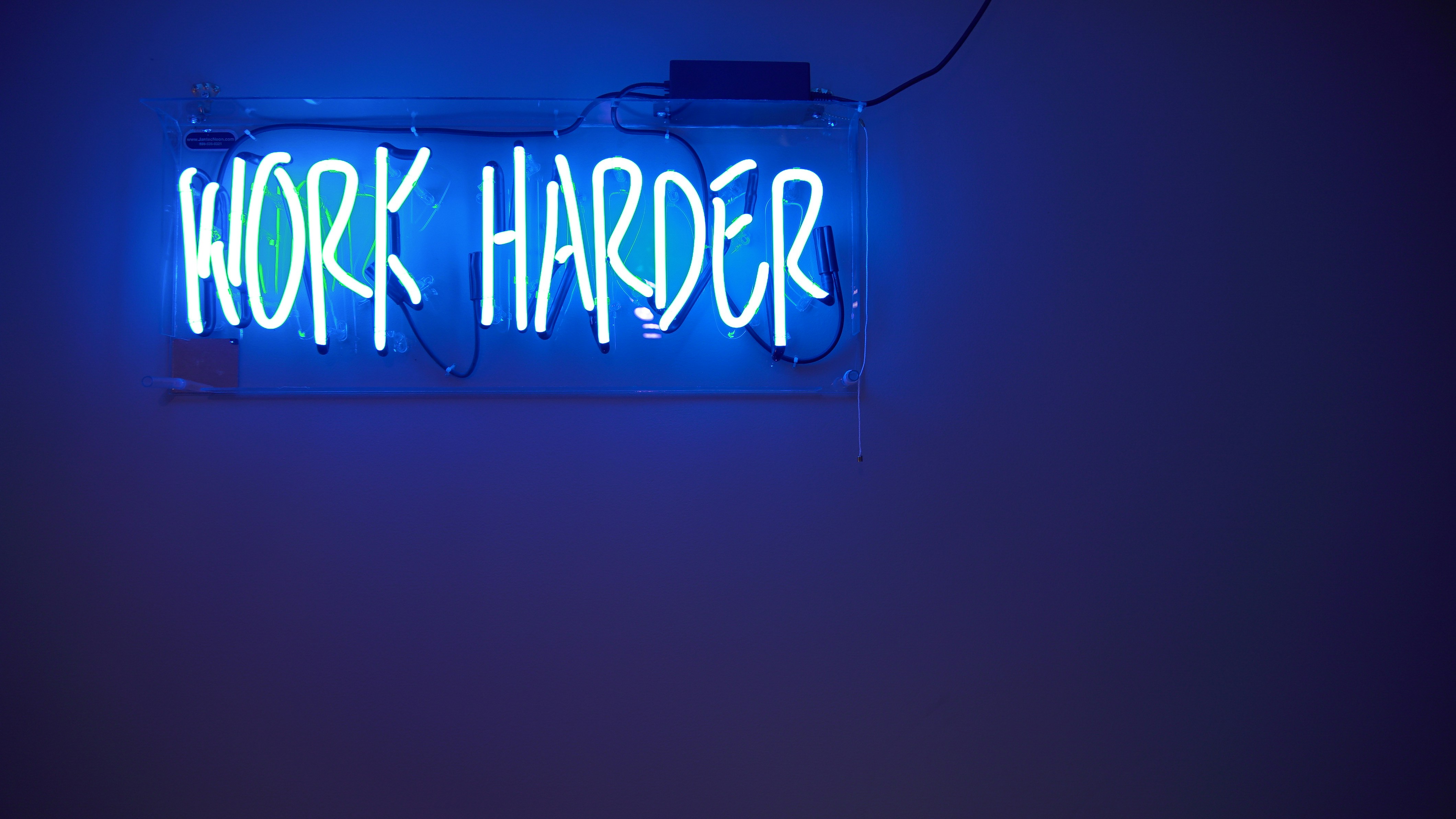
Image Credit: Jordan Whitfield from Unsplash
For instance, having a laptop isn't something everyone can afford. Sure, there are other options, like using school computers or going to the library, but realistically, after lessons or school, you probably just want to talk to your friends and relax.
There are some systems in place to help the disadvantaged, namely the Pupil Premium system across the UK, to help pay for things like trips and devices. Yet, many people don't qualify for numerous reasons, despite struggling with their education financially. It could be that their parents earn more than the cut-off point by a very small amount, or that their parents have other things to pay for, instead of debts.
Who's to say? So, who's failing- the student or the system?
And maybe we should ask: why is it considered ambition when rich parents shell out for private tutors, but entitlement when poor kids want free lunch and better funding? They're told to "work harder" and "get a tutor", but have you seen the prices? Bordering on extortion. Funny how the definitions shift with the bank balance.
Take the Quiz: What Type of Notes Should I Take?
Discover the best note-taking method for your learning style!
"Equal Funding," the Global Myth We Keep Exporting
Another cruel joke: the quality of your education, in most cases, still depends on the size of your parents' wallet and the postcode on your ID. But don't worry- the rich people in power, who went to private schools shielded from the reality of the working class, are still calling it "equal opportunity."
Private schools across the world all look eerily similar- sounds dystopian. Small classes, shiny facilities and trips to Europe that somehow always involve skiing. Meanwhile, public schools up and down the globe are overwhelmed with pupils, underfunded and held together by optimism and donated glue sticks.
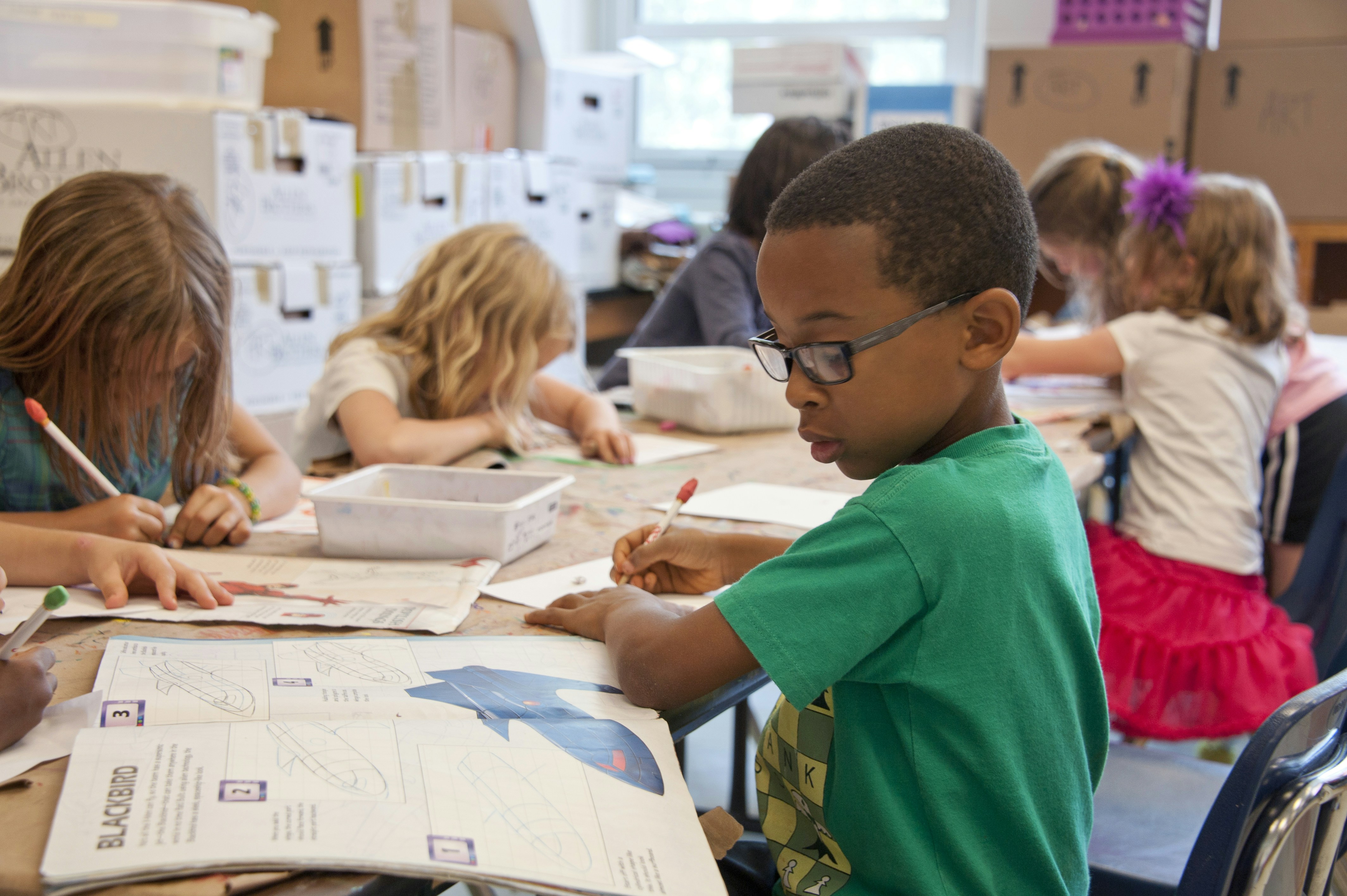
Image Credit: CDC from Unsplash
When did learning become a luxury brand? Why is "international education" code for "good education, but only for the rich"? And why do global institutions throw speeches and sympathy at classrooms without any real depth or a solution?
Education or Elitism?
Education systems are warped, from what were supposed to be ways to teach the next generations and create pathways into the world of work to a sorting hat for capitalism. The rich get internships and "networking opportunities " through galas and conferences, while the poor get a pointless Unifrog account and a pat on the head for resilience.
Why is resilience only ever admired in the working class anyway? Nobody ever tells a rich kid in a Maths lesson, "Wow, you really bounced back from that ski accident."
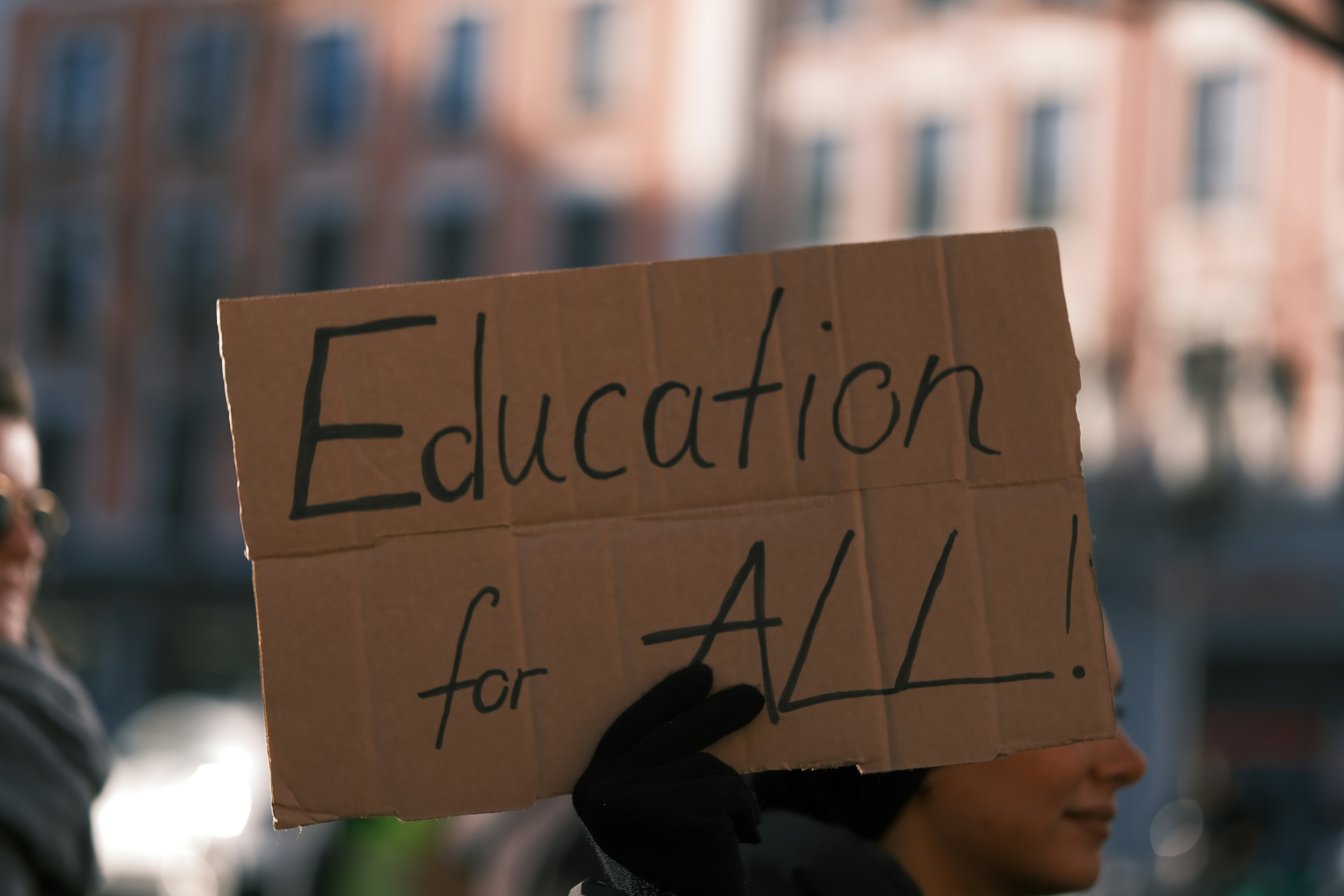
Image Credit: Nk Ni from Unsplash
If education really is supposed to be a ladder, why does it feel like some kids have a greased pole while others have escalators and elevators? How long will the world continue pretending "equal opportunities exist" during one of the biggest wealth gaps and social divides in history?
Having seen both sides of the spectrum first-hand, as both a grammar school student and a public school pupil, there's a difference. My secondary school is funded by one of the richest trusts in the UK, meaning I have access to a number of resources such as the laser cutter I use in Design Technology to aid me in my coursework, or the gym I go to for free on a Wednesday lunchtime, even the laptop I'm writing this very article on was funded by my school.
Whereas in other schools, like my primary school or my sister's secondary school, they struggle to pay for whiteboard pens and underpaid teachers who leave faster than you can say "Ofsted inspection." Meanwhile, politicians are busy fighting over unnecessary digital IDs and blaming each other for literally everything.
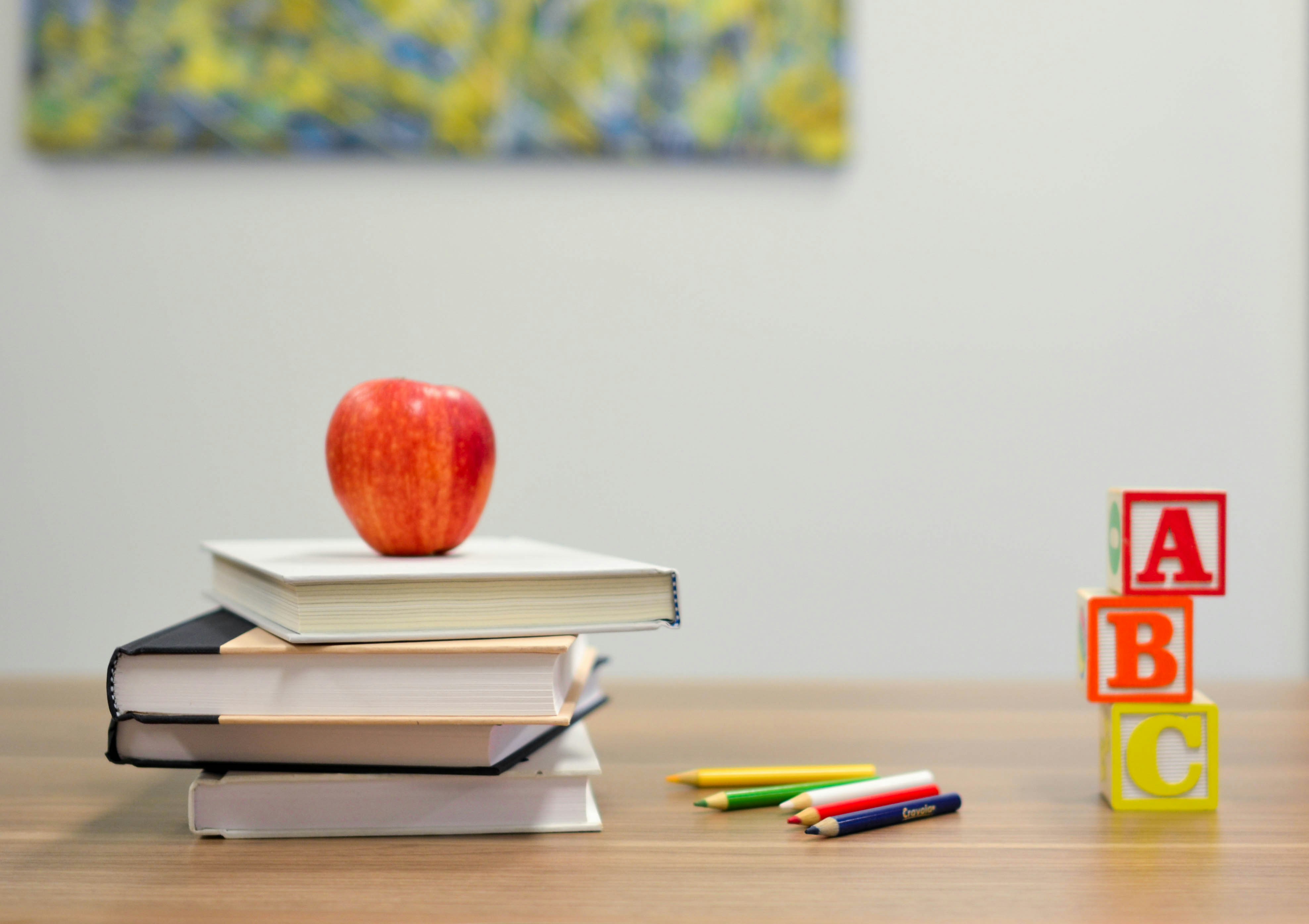
Image Credit: Element5 Digital from Unsplash
The system was designed by the elite for the elite, and is working exactly as designed: a boost for the rich while others scramble for crumbs. We can't keep public schools running by patching holes and pretending it's progress; we need to admit the truth. Inequality isn't a glitch in the process; it is the process.
Every year we delay fixing it, another generation's dreams are crushed because of the price tag. So maybe we should stop telling some kids to "work harder" and start asking why some get to buy success. Maybe the real education needed is realising "equal opportunity" without economic justice is just elitist propaganda and a GCSE spec.