



It’s been exactly one year since the wedding that made the internet implode: the $600 million union of Anant Ambani and Radhika Merchant, where love met legacy, and luxury was just the bare minimum.
There were diamonds, designer lehengas, dozens of functions, and oh, Rihanna casually performed in Gujarat. Bollywood stars danced on stage, global spiritual leaders blessed the couple, and the most powerful people in the country (and the world) sipped champagne under chandeliers that probably cost more than your apartment.
But what seemed, at first, like just another billionaire wedding quickly became the cultural moment of 2024.
And now, 12 months later, it’s still relevant. Because whether you admired it, critiqued it, or hate-watched it on Instagram with your friends, the Ambani wedding didn’t just celebrate a couple — it reflected who we are becoming as a country.
Let us slide into your dms 🥰
Get notified of top trending articles like this one every week! (we won't spam you)Luxury on steroids, culture on display
At first glance, it was everything you’d expect from a family whose net worth is north of $120 billion. The Ambanis, after all, aren’t just rich, they’re India’s first family of business, sitting at the intersection of capitalism, culture, and control.
But even by Ambani standards, this wedding was over the top. We’re talking multiple pre-wedding functions across cities, a custom "Vantara" theme inspired by wildlife, personalized wedding couture from every top Indian designer, fireworks that could be seen across Mumbai, and an estimated 1200+ guests that included royalty, CEOs, athletes, and every A-list Bollywood celebrity alive.
It was extravagance as performance. Wealth turned into theatre.
But it wasn’t just flexing. Not completely.
Because woven into the extravagance was a very deliberate message: This is modern India. Powerful. Proud. Global.With its temples and TED Talks, kathak dancers and international pop stars, the Ambani-Merchant wedding wasn’t just a shaadi, it was a soft power play.
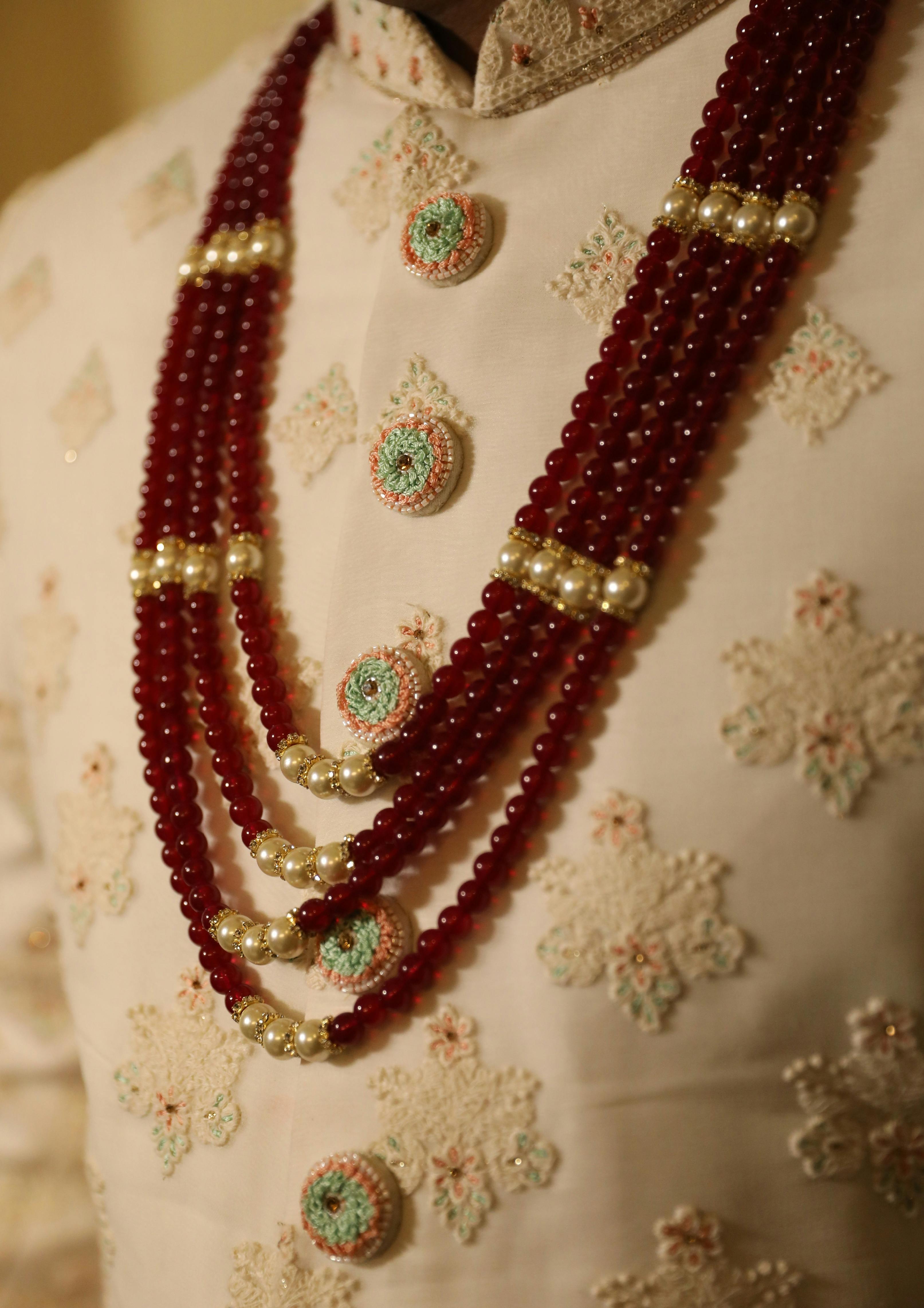
Photo by Shashank Sharma From Pexels


Take the Quiz: Religion, Schools, and Equality
Religion in Schools: Teaching Respect, Not Bias.
Why we couldn’t stop watching
Let’s be honest- even the most anti-billionaire among us couldn’t look away.
Because it wasn't just a wedding. It was entertainment. Drama.
A reality show without the cringe. It gave us something we’re low-key obsessed with: aspirational chaos.
We watched Radhika’s pastel lehengas and glass skin go viral. We dissected which celeb arrived with who. We argued over the decor on Reddit threads and reposted the sangeet clips to our Instagram stories like we were guests.
And maybe that’s why it worked so well.
Because we didn’t just see wealth- we saw curated experience. Every moment was aesthetic. Hyper-documented.
Instagram-ready. The kind of wedding that exists less in photo albums and more in reel transitions.
And in a world where virality matters more than reality, that’s powerful currency.
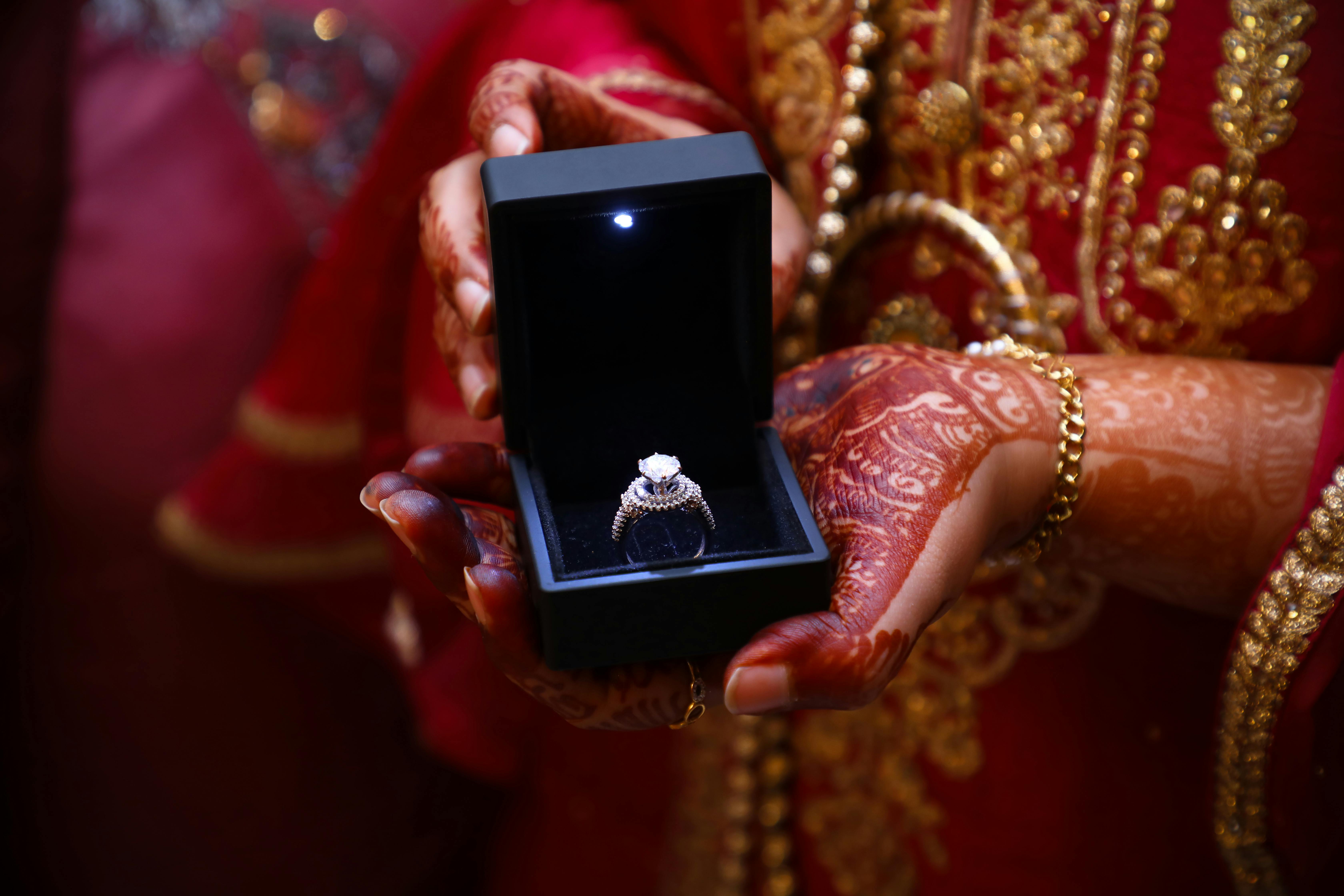
Photo by Deepak Khirodwala From Pexels
But not everyone was clapping
The backlash came in fast. Rightfully so.
In a country where millions still live below the poverty line, where classrooms run without fans and hospitals without oxygen cylinders, a $600 million wedding was, to some, not a celebration, but an insult.
“How can anyone justify this?” people asked.“What kind of society claps for a wedding that costs more than the education budget of a small state?”
And they had a point.
Because India today is a country of paradoxes. Startups and slums. Space programs and potholes. And the Ambani wedding, with its marble mandaps and Swarovski kaliras, became the symbol of that contradiction.
For some, it was inspiration. For others, it was everything wrong with unchecked wealth.
Still- the influence is undeniable
Even if you hated it, it changed the game.
One year later, wedding vendors across India now sell “Ambani-style haldi experiences.” Event planners reference their decor choices in pitch decks. Fashion pages still feature Radhika Merchant’s wedding wardrobe in “2025 bridal trends.” And sangeet choreographers use the Ambani wedding as a benchmark for “Big Fat Indian Wedding” energy.
It also marked a new moment in India’s luxury PR economy, where weddings aren’t just about personal joy, but public image.
The Ambanis used the event not only to marry off their son, but to reinforce their brand: Indian but global, rooted but modern, wildly rich but (at least outwardly) spiritual. You had billionaires bowing in front of gurus and influencers posing outside the venue in custom Anamika Khanna.
It wasn’t just a wedding. It was a message.“We’re here. We’re powerful. And we do things no one else can.”
So what does it actually say about us?
Maybe the Ambani wedding doesn’t just tell us about the 1%. Maybe it tells us something about the rest of us, too.
About how we view wealth. How we love to mock it, but also crave it. How we idolize opulence but tweet about income inequality. How we both celebrate and condemn- at the same time.
And maybe that’s the real takeaway.
The Ambani wedding isn’t just a symbol of a rich family getting richer. It’s a mirror. Of our aspirations.
Our contradictions. And the weirdly emotional relationship we have with glamor.
Final thoughts?
It’s not just about how much it cost. It’s about how much it impacted the culture.One year later, we’re still talking about it. Still referencing it. Still unpacking it.
Because in 2024, they didn’t just throw a wedding. They created a moment. And in 2025? That moment’s still echoing.





.png)