







Imagine your grandmother’s voice — warm, familiar — telling you a story she was once told as a child. Now imagine that no one else in the world knows this story but her. And when she’s gone, it’s gone too.
Not just the story, but the very words it was told in. The rhythm. The meaning. The world behind it.
That’s what happens every time a language dies.
Right now, across the globe, thousands of languages are hanging on by a thread. Many are spoken by just a few people — often elders — who carry centuries of memory in their voices. And when they pass, entire histories pass with them.
These aren’t just words. They are lullabies. Rituals.
Names of rivers and stars. Ways of understanding the earth, the sky, the soul. A language holds how a community loves, prays, jokes, and grieves. When we lose one, we don’t just lose vocabulary — we lose a way of being human.
Some people may ask, “But what’s the use of a language that only a few people speak?” And I’d ask — what’s the use of a song no one hears, a poem no one reads, a painting no one sees? We don’t preserve things only for their utility. We preserve them because they are beautiful.
Because they matter. Because someone loved them enough to create them.
And because someone still speaks them. Still dreams in them.

Photo by Jonathan Martin Pisfil From Pexels
All over the world, people are fighting to keep their languages alive. Young people are learning to speak the mother tongue that their grandparents were once punished for using. Communities are writing down stories, recording songs, building apps and YouTube channels, and podcasts in their own languages. They’re doing everything they can to make sure their words don’t disappear.
But they need us too.
You don’t have to be a linguist or an activist. You just have to care.
Support their efforts — read their stories, listen to their music, follow their creators. If you hear someone speaking a language you don’t know, don’t shy away — ask them what it means. Show them it matters.
If you have roots in a language that’s fading, try to learn a few words. You don’t need to be fluent. Just begin.
Because even the smallest gesture — learning how to say “thank you” in someone else’s language, or listening when they speak — is an act of love.
An act of memory.
And an act of resistance.
Don’t let these voices fade into silence.Not when we still have the chance to listen.Not when we still have time to say, your words matter. We hear you.
Let us slide into your dms 🥰
Get notified of top trending articles like this one every week! (we won't spam you)Support it.
Read stories written in endangered languages. Listen to songs sung in them. Watch videos or performances that preserve them.
Share them with your friends. If you can, donate to organizations that work with Indigenous communities and linguistic preservation. Even clicks and views help — they show there is an audience that values these voices.
Take the Quiz: What Is Your Ideal Vacation Spot?
Determine your perfect destination based on your travel preferences!
Listen.
When someone speaks in a language you don’t know, don’t tune out — lean in. Ask them what it means. Show curiosity, not indifference. Respect the fact that you are hearing something rare, something precious.
Learn.
If you have roots in a language that’s fading, try to learn a few words. Maybe it’s your great-grandmother’s lullaby. Maybe it’s a traditional prayer, or a greeting. Even if you never reach fluency, the act of learning keeps the chain unbroken — someone is still speaking the words, still keeping them alive.
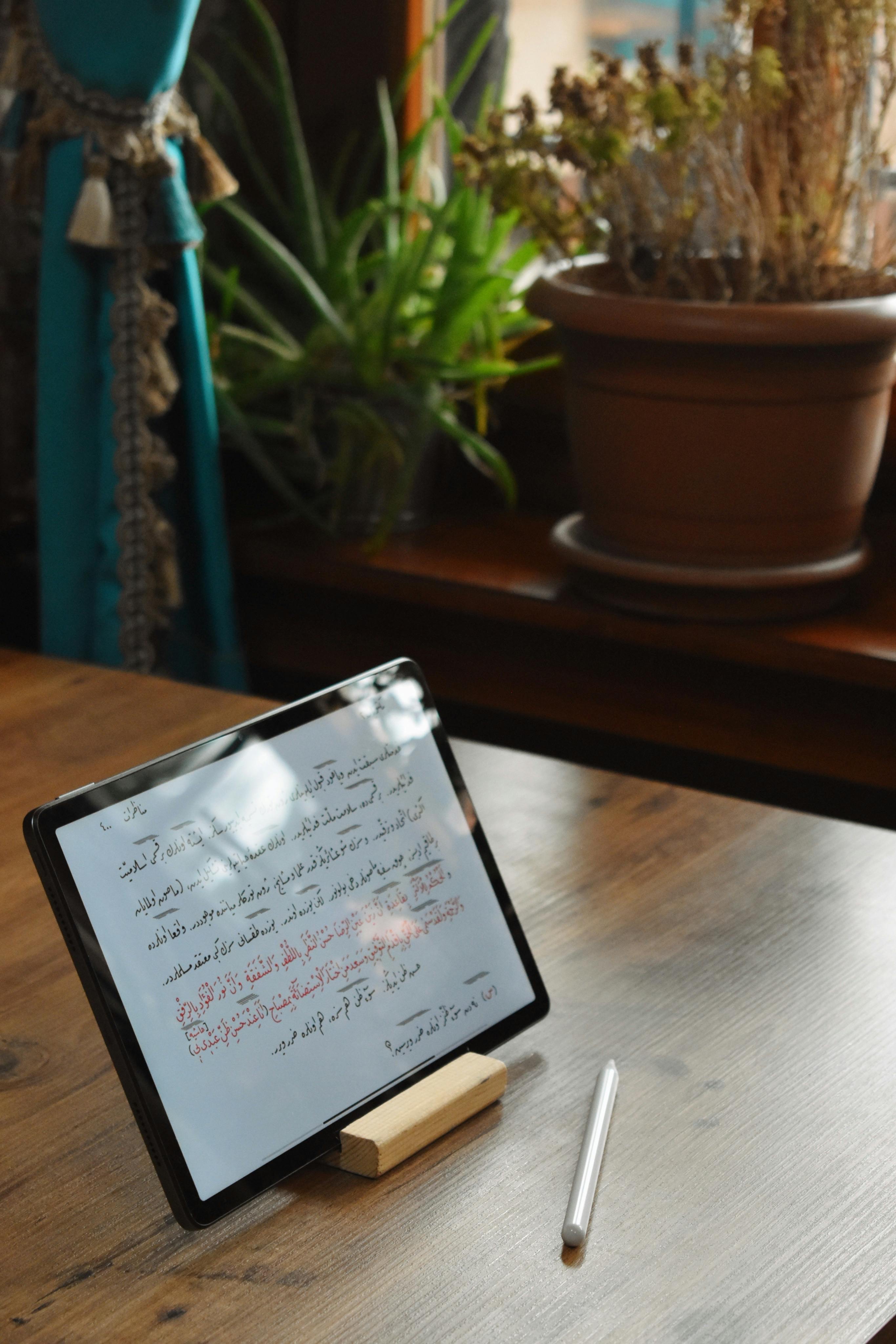
Photo by seymasungr From Pexels
Embrace.
Don’t treat endangered languages as relics to be stored in museums. See them for what they are: living, evolving, beautiful expressions of culture. Share them on social media.
Use them in art, music, and everyday conversation. Let them breathe in the present, not just the past.
Even the Smallest Gestures Can Mean Everything
Even a small act — learning to say “thank you” in someone else’s language, singing along to a song you don’t fully understand, greeting someone in their mother tongue — can be an act of love. An act of memory. And yes, an act of resistance.
Because every time we choose to support a dying language, we send a message: You are seen. You are heard. You matter.
And maybe, just maybe, the next time an elder whispers a lullaby to their grandchild, it won’t be the last time those words are sung.
We Still Have Time
Languages die when we stop listening. But right now, we still have the chance to hear them — to let them echo into the future instead of vanish into silence.
Don’t let these voices fade. Not when there’s still someone speaking. Not when there’s still time to say, Your words matter. We hear you.
Because when a language survives, so does its people’s story. And when we protect those stories, we protect a part of what it means to be human.


