



International students have always been a big part of American colleges, with statistics from the Institute of International Education’s Open Doors Report indicating that in 2024, international students accounted for about 6% of the total college student population.
Nevertheless, this is now happening the other way, as new data indicates that the international student enrollment in the United States for the fall of 2025 is projected to drop somewhere between 30% and 40%, and that now many American students are the ones looking to go abroad to study, more precisely to Europe.
As a Spanish-American student who is currently studying in Spain, and as someone who knows and understands both the European and American college systems, I will analyze and explore both, and try to answer the question of whether U.S. colleges are facing issues or if European universities are simply excelling, and if so, what are the reasons?
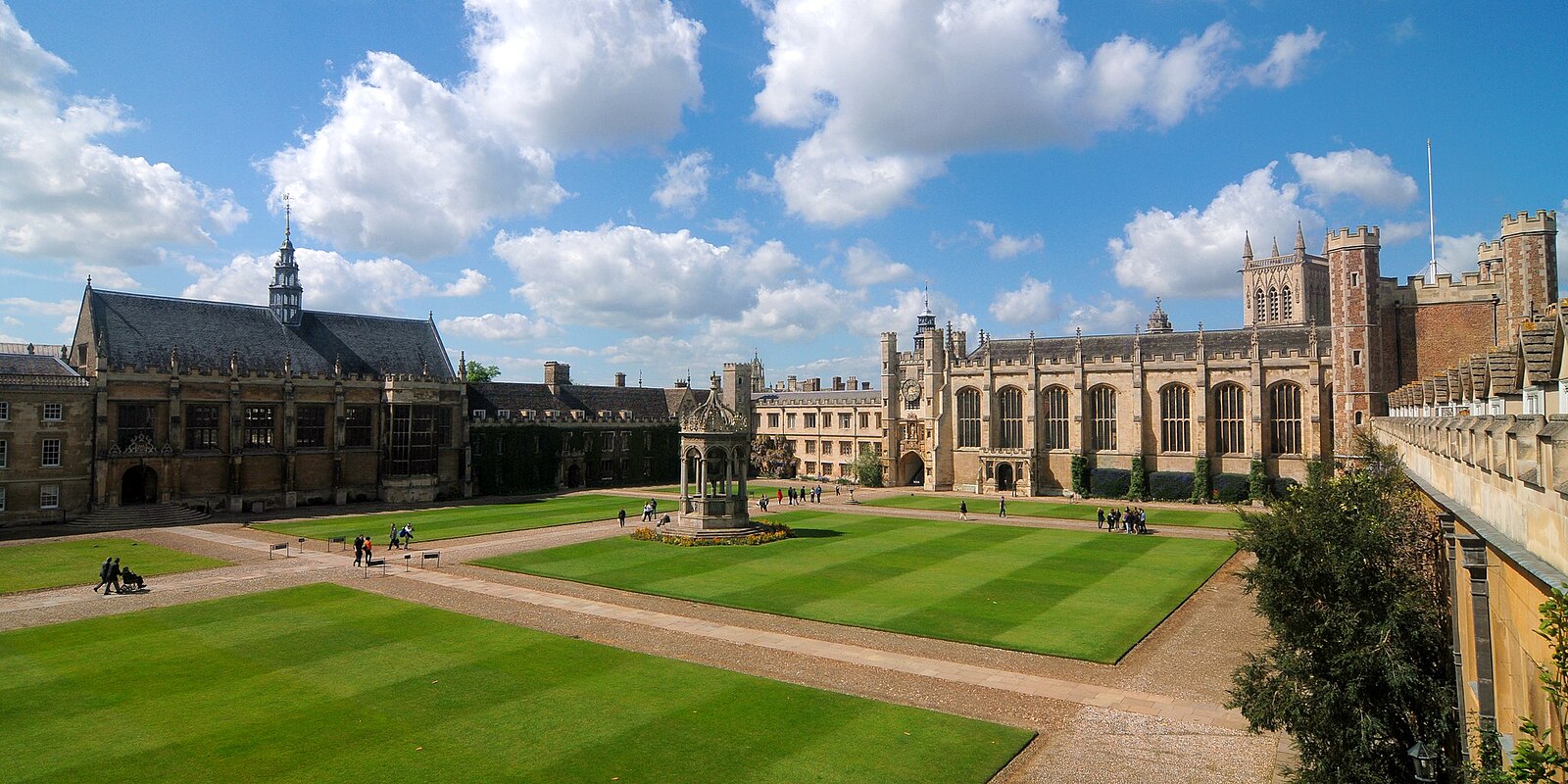
Image Credit: Cambridge Trinity College Great Court from Wikimedia Commons
The Draw of U.S. Universities: Why American and International Students Enroll
According to statistics from sources like Times Higher Education, the United States has 25 of the top 50 universities in the world, which objectively means that the United States is home to some of the best universities in the world. The ranking takes multiple factors into account, such as the university's research, teaching, global engagement (how it contributes beyond the country's borders), and industry collaboration by the school (how the university works directly with companies), which have always been strong reasons for US universities to possess the highest rankings.
This doesn't mean that all the schools in the US are excellent in these areas. The United States has approximately 4,000 universities, which vary from small community colleges to world-renowned research Universities (like the IVY league schools). This variety allows students to choose the right college for their needs and future career ambitions, something that attracts students like me, since the number of colleges is more limited in Spain.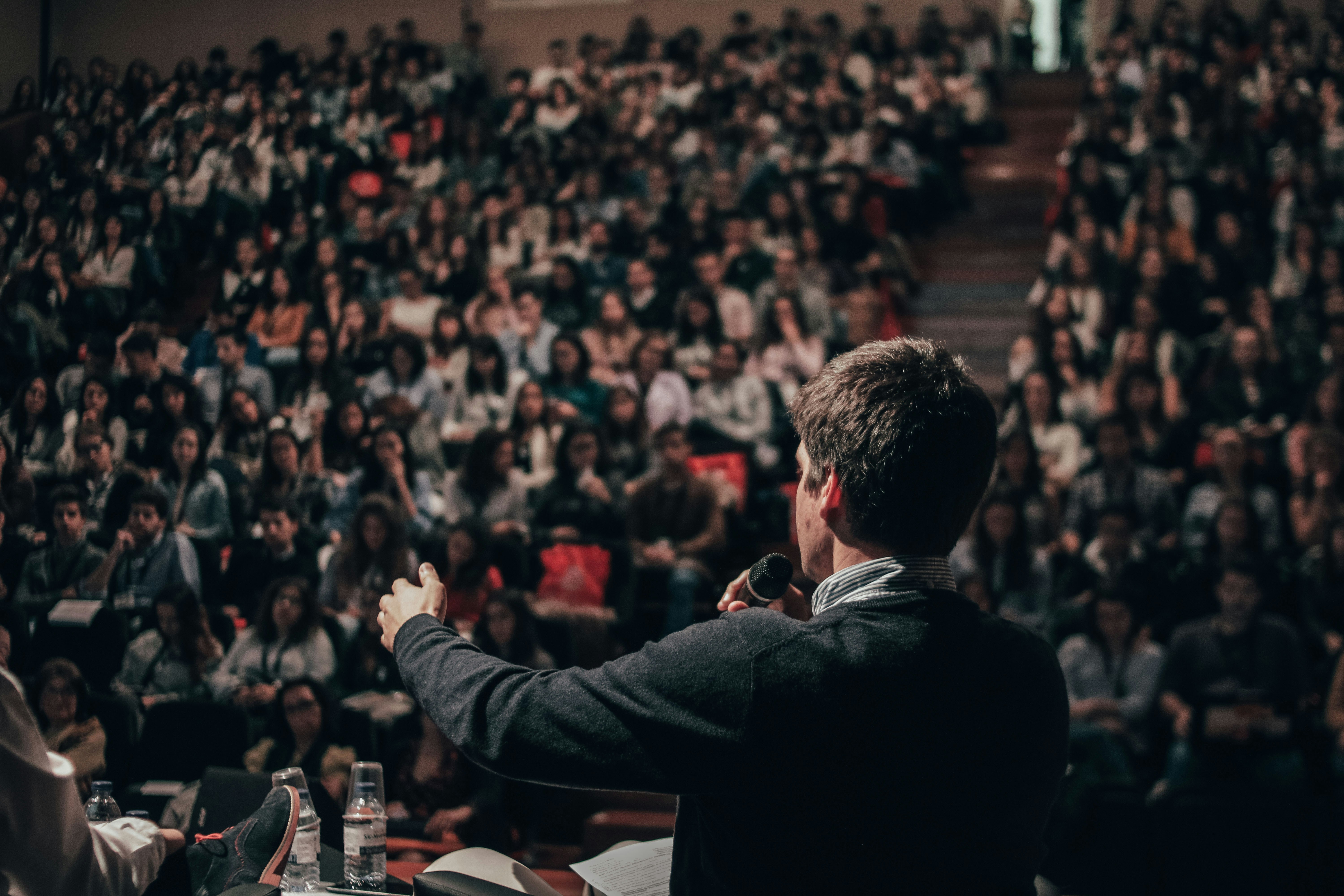
Image Credit: Henriques from Unsplash
The academic flexibility in schools is also widely different; in the US, students can explore a wide variety of different fields before specializing in something, while in Europe, students have a much more strict and centered academic plan based on what students choose at the beginning of their studies.
Image Credit: Pixabay from Pexels
In addition to the flexibility in the American educational system, colleges in the United States receive very significant financial backing for their university research expenditures, which allows universities to contribute to groundbreaking discoveries and technological advancements while improving the reputation of their institutions and allowing students to be a part of this research and these advancements. While universities in Europe also receive significant funds, the money invested is nowhere near that of the United States.
According to data from 2020 by the NCSES, the U.S. spent a total of about $81 billion on academic research, and the 27 EU nations collectively spent about $100 billion.
Although all of this is very important for students, at the end of the day, what attracts them the most are the study and research opportunities in American colleges and the social life that goes with it. We, international students, have always been captivated by the idea of the American "college experience" since colleges in the United States offer a variety of opportunities to meet and develop outside the classroom, from competitive sports that are usually not available in other countries to student clubs and community projects.

Image Credit: Michigan Marching Band Field Formation from Wikimedia Commons
Current Challenges U.S. Colleges are Facing
Finances are a big part of the success of colleges in the United States, but at the same time, finances are a major reason why interest in attending college is declining. This is primarily because the average annual cost of tuition is around $38,270, which also accounts for books and supplies and daily living expenses.
In America, the average yearly salary is around $65,000. This, in turn, makes college very difficult to pay off for many. With a lack of finances, students are forced to take out expensive student loans, which need to be paid even after they graduate due to interest. As of August 2025, the loan debt in the United States was reported to be $1.814 trillion, which was reported to the Education Data Initiative.
Obviously, tuition costs considerably change from one school to another. Factors such as whether a college is public or private, in-state versus out-of-state residency, the student’s degree, the university’s location, and whether a student lives in a dorm or off-campus also influence the fee. But still, no matter how one looks at it, $38,000 a year for an average student from anywhere in the world is simply unachievable and is a big obstacle for many international students who want to go to the US to study.

Image Credit: MIIT from Unsplash
Unfortunately, costs are not the only problem universities in the United States are currently facing. Under the presidency of Donald Trump and his "America First" movement, his administration has introduced very strict student visa limitations, including very thorough background and social media checks. Many embassies and consulates in several countries have been told to suspend or slow down the student visa interview process, functionally delaying enrollments for upcoming terms. Some reports also suggest some policies are aimed at countries where political tensions with the U.S. are high, as well as applicants in sensitive academic fields like AI.
Now, what are the reasons for all of these restrictions? Ever since the Israel-Palestine conflict and Trump's harsh immigration policies, many universities have hosted many pro-Palestine and anti-Trump protests (as well as some pro-Israel ones). These pro-Palestinian protests were seen by Trump and his administration as "anti-American", therefore causing him to implement strict student visa restrictions and thorough background checks on new students. Some students were even deported from the United States or jailed because the Trump administration considered their actions to be "anti-American," such as Palestinian doctoral student Mahmoud Khalil, who was seen by the Trump administration as someone who was involved in radical activities. This eventually led Trump to threaten universities such as Harvard, UC Berkeley, Rutgers, and others with cutting their federal funding, to which universities such as MIT and Harvard joined lawsuits arguing these policies violated constitutional rights, concretely, the most well-known one: the First Amendment right to freedom of speech.

Image Credit: Donald Trump from Wikimedia Commons
The reason for the decline in interest in American colleges from both international and American students is almost self-explanatory, and many students are now seeking opportunities to study elsewhere. Statistics indicate that American students primarily look to European universities for new opportunities.
What European Universities Have to Offer
European universities stand apart quite significantly from American universities, primarily due to differences in funding. Most European colleges receive substantial government support, meaning that they are public, resulting in tuition costs being much lower than those of American colleges. The tuition costs for public universities in Europe vary from €300 to €5000, and from €5000 to €20000 for private ones, a very big difference from American tuition costs.
Universities in Europe not only have different costs, but also have different academic structures for students. Unlike the US, students in Europe don't have the chance to explore different disciplines before specializing in one. Instead, students directly jump into the discipline they desire to study. This can be seen as a disadvantage by some, but can also be seen as an advantage for others, since in Europe, students have the chance to finish their bachelor's in 3 years instead of 4.

Image Credit: Pixabay from Pexels
Additionally, as I mentioned before, the majority of European universities do not give much importance to campus life, competitive sports, or extracurricular activities to the same extent as U.S. colleges; instead, universities focus on academic instruction and research, using the majority of their funds on this, thereby improving the appeal and reputation of their universities with cutting-edge research. Even though this may reduce the “college experience” that many associate with American universities, it allows European colleges to keep tuition costs low.

Image Credit: Colah from Unsplash
Personally speaking, as is the case for many students, I also would love to study in the United States. To me, the campus life and academic flexibility are hard to achieve elsewhere. That being said, I also understand why the U.S. is no longer as attractive to other international students. The harsh immigration policies and the confusion regarding visas make the dream look more complicated, and I believe that if this continues, the number of international students will continue to decrease for quite some time.
Politicians and universities should be aware of this and should try to improve and reflect on these problems, as they can cause a lot of financial and social distress to the United States' economy and research programs.










.jpg)