






We’ve all heard about this ban that Trump’s trying to arrange on foreign enrollment, but many of us don’t know about the specific and exigent details. However it’s becoming increasingly important to inform ourselves as the situation becomes more and more frustrating and peculiar.
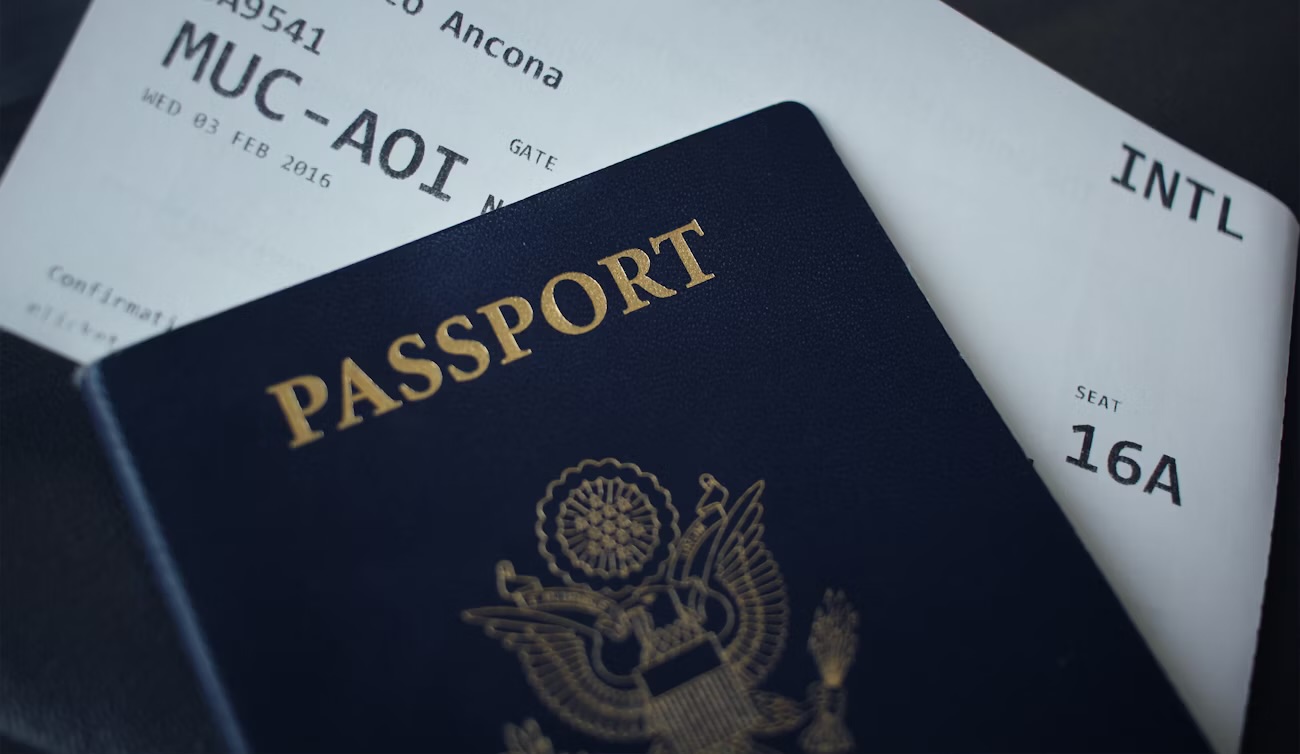
Image Credit: Nicole Geri from Unsplash
Let us slide into your dms 🥰
Get notified of top trending articles like this one every week! (we won't spam you)Timeline:
On April 11th of 2025, Harvard received a letter from Trump administration filled with accusations of the university failing to meet federal standards. The letter also demanded sweeping reforms ranging from governance changes to viewpoint audits, closing DEI programs, etc.
On April 14th, Harvard replied by refusing to comply with the administration’s demands, to which the administration responded by freezing upwards of 2.2 billion in grants and 60 million dollars in contracts to the school.
Image Credit: Yunus Tug from Unsplash
The administration furthered their warnings on April 16th, when US Department of Homeland Security Secretary Kristi Noem wrote to Harvard threatening to withdraw the school’s Student and Exchange Visitor Program certification if they didn’t share information on every international student with an F1 visa (an F1 visa is a non-immigrant visa utilized by foreign nationals intending to study in the United States at an accredited educational institution). The Department of Homeland Security also cancelled two grants to Harvard that together added to 2.7 million dollars. On April 21st, Harvard filed a lawsuit against the administration challenging the freeze of funds.
But on May 5th, the situation escalated further on the administration’s side: US Secretary of Education Linda McMahon stated that Harvard would no longer receive any grants from the federal government. On May 6th, Harvard said that it had started to receive grant termination notices from the federal government, and on May 7th DHS (Department of Homeland Security) asked Harvard for more details, stating that the university’s previous productions of information on its international students was insufficient.
Throughout the following days the US Departments of Agriculture, Energy, Defense, the National Science Foundation, Department of Housing, and Urban Develop all proceeded to cancel their grants with Harvard. Harvard amended its initial lawsuit against the administration to take into account all additional funding cuts.
Then, on May 22nd, 2025, DHS Secretary Kristi Noel issued an end to Harvard’s certification under the Student and Exchange Visitor Program (SEVP), effectively preventing the university from enrolling or legally hosting international students unless they transferred elsewhere or lost status.
Of course, Harvard immediately sued in response and was therefore granted preliminary injunction blocking the administration’s move. In the final week of May, Trump administration backtracked slightly—Harvard was given 30 days to challenge the revocation of the SEVP.
A few days later, on June 4th Trump issued a proclamation blocking new F, M, J visas at Harvard for six months, citing concerns of national security. The proclamation additionally ordered the State Department to review existing international student visas.
However, on June 5th Judge Burroughs granted a second temporary restraining order that obstructed the new Proclamation from going through. On June 16th, the judge extended the temporary block on Trump’s actions to bar foreign Harvard students from entering the USA. And as of early July 2025, courts have blocked all steps by Trump Administration aiming to ban Harvard’s international students. Legal proceedings are still ongoing, and the ultimate outcome lies in the hands of the District of Massachusetts.
Take the Quiz: What Kind of Political Personality Are You?
Ever wondered what role you’d play in the political world? Take this fun quiz to find out!
Broader Implications:
Some specific ‘bigger’ implications include a new policy that was enacted in mid-June: all F, M, and J applicants must publicly disclose social media accounts for review during Visa processing. Consequently, enrollment interest in US universities dropped fifty percent from January to April of 2025. On the flipside, lawmakers may now consider potentially forming ways to protect students and universities from politically motivated visa policy changes.
Even so, Trump’s administration has demonstrated serious faults in the face of the constitution—they have raised First and Fifth amendment concerns, including threats to free speech and due process. They have tried to abuse executive power despite even the President being by law unable to unilaterally penalize a university for its perceived ideology sans due process or any understandable legal basis. And though they have predominantly targeted only Harvard so far, the administration’s actions threaten academic independence as a whole.
Harvard is merely symbolic in this scenario. Because the bottom line is—this situation has been a test of limits centered around the question: how far can a government go to punish dissent in academia and reshape higher education into its own desired image?
Image Credit: Anthony Garand from Unsplash
My Final Thoughts:
I am personally enrolled at Phillips Academy, a big boarding school comprising students from many different areas of the world, and the more I hear about this situation—both from my international students friends and from the media—the more I realize just how huge its gravity is. The issues with what the trump administration is trying to do chafe fundamental issues of education, human rights, national policy, and the global future of knowledge exchange. Not only does it threaten academic freedom and mobility, it also holds an impact on the global education system.
The USA has historically been a magnet for international talent but obstructing one of its leading universities’ ability to welcome students from other parts of the world signifies a step toward severely damaging the USA’s reputation as a welcoming country for students and people seeking opportunities. Just because the situation only directly affects Harvard for now doesn’t imply that any other school is immune—again, in this scenario, Harvard is symbolic.
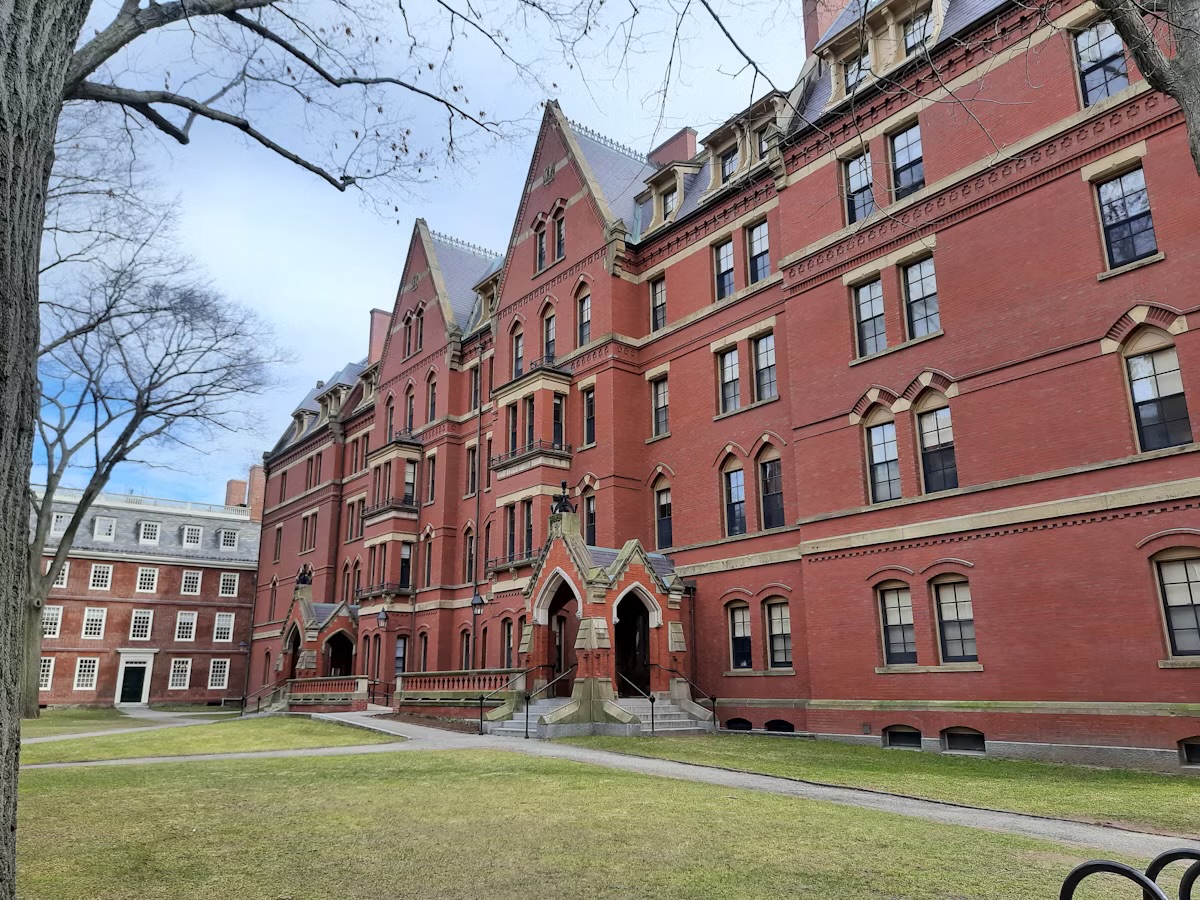
Image Credit: Somesh Kesarla Suresh from Unsplash
The sheer scope of stress this has indubitably put countless young, bright international students is heartbreaking and so many words bigger than ‘wrong’. These are students who have spent years preparing for an opportunity to study in the US—taking rigorous exams, navigating complicated visa processes, and often leaving their families and homes behind to pursue their aspirations of education. Students whose futures have been thrown into uncertainty by a move, an administration, supported by little legal basis.
The US has long had a legacy of being a global beacon for education and opportunity. Putting this legacy into peril simply to support a short-term ideology is equivalent to sacrificing generations of trust, global talent, ambition, and progress.


