






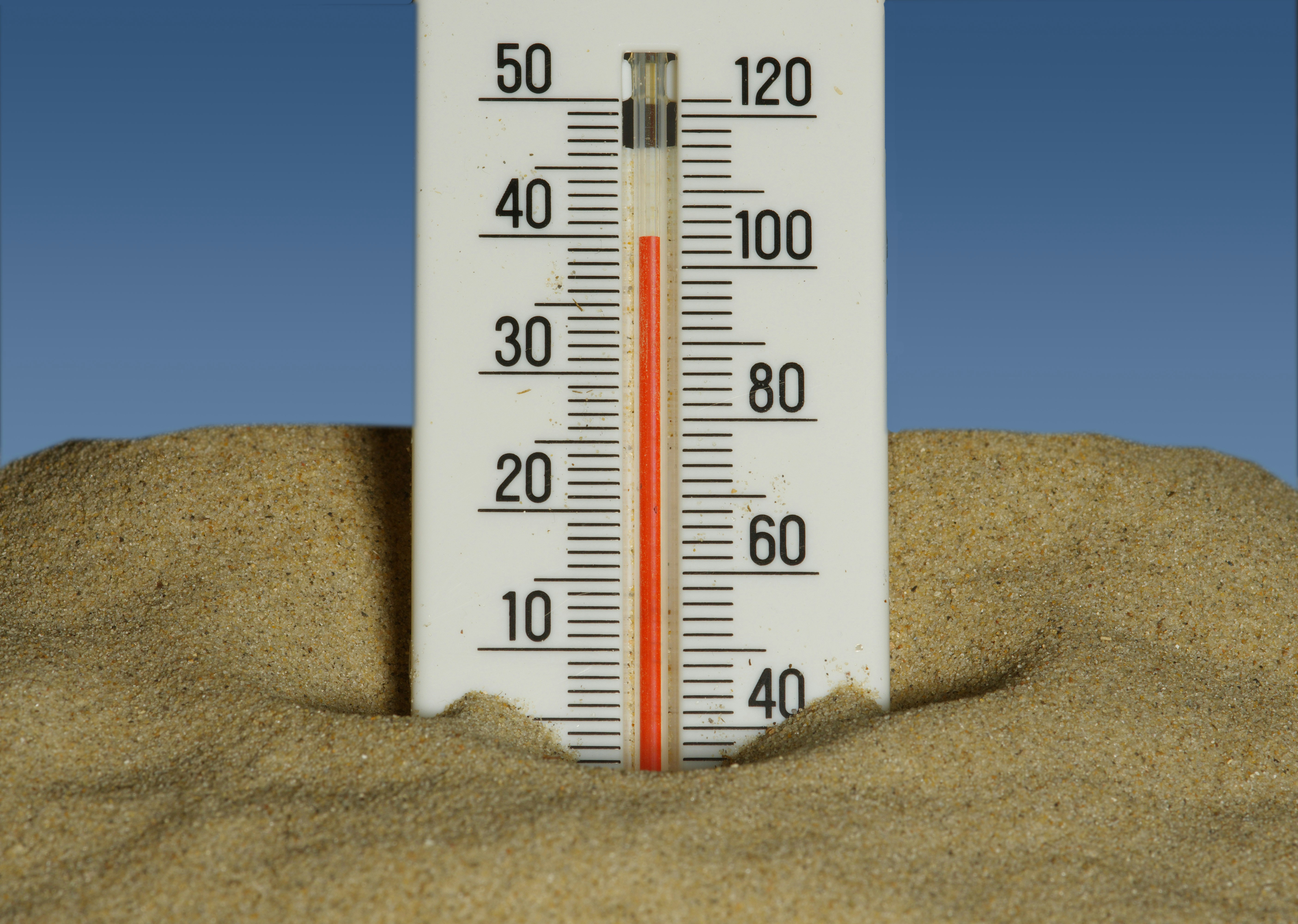
It's a crisp summer day, and you are running barefoot over the grass, but accidentally, for an instant, you step on your driveway and instantly regret it. The grass feels warm but bearable, while the asphalt burns your feet like a frying pan. In fact, if we look at the average temperature on a 95°F day, the grass would be about 95°-100°, while the asphalt of your driveway would be about 140°. I know, 140°!
Now imagine this same effect stretched across an entire city. Miles of concrete, asphalt and rooftops all trapping heat and radiating it back into the air, and to top it off, no grass! This effect is significant, actually warming the city significantly from 10°-20° F hotter than the suburbs, or a park.
As a result, cities actually develop their own little “climate bubble,” where human development has artificially changed the climate in the city leading to extreme conditions and many casualties as the effect gets worse. That’s the Urban Heat Island effect, and it's making urban areas significantly more dangerous.
But how does this heat trap actually work, why are our cities turning into ovens in the first place, and what is the result of this effect?
Imahe Credit: Immo Wegmann from Unsplash
Let us slide into your dms 🥰
Get notified of top trending articles like this one every week! (we won't spam you)What is the Urban Heat Island Effect?
The Urban Heat Island effect, or UHI for short, is when cities become much hotter than the areas around them. This happens because natural land like grass, trees, and soil is replaced with heat-trapping materials like asphalt, concrete, and rooftops.
Natural surfaces like grass, trees, and dirt have higher “albedo,” which is just a fancy word for how much sunlight they reflect instead of absorbing. Grass reflects a good chunk of sunlight and uses some of the energy for processes like photosynthesis and evaporation. That’s why a grassy field can feel hot but not unbearable.
Concrete and asphalt are the opposite. They have very low albedo, meaning they soak up almost all the sunlight that hits them. Asphalt especially is dark-colored, so instead of reflecting light, it absorbs it and converts it directly into heat.
Not only do these surfaces heat up during the day, but they also store that heat and slowly release it at night. Cities are basically made up of entirely asphalt or concrete. This is why cities don’t cool down as much after sunset compared to nearby rural areas.
The impact is much more than you think. Take NYC for example: on average, the nighttime temperatures in downtown NYC are 22° F more (about 5.5° C) then wooded areas just a 30 min drive outside the city.
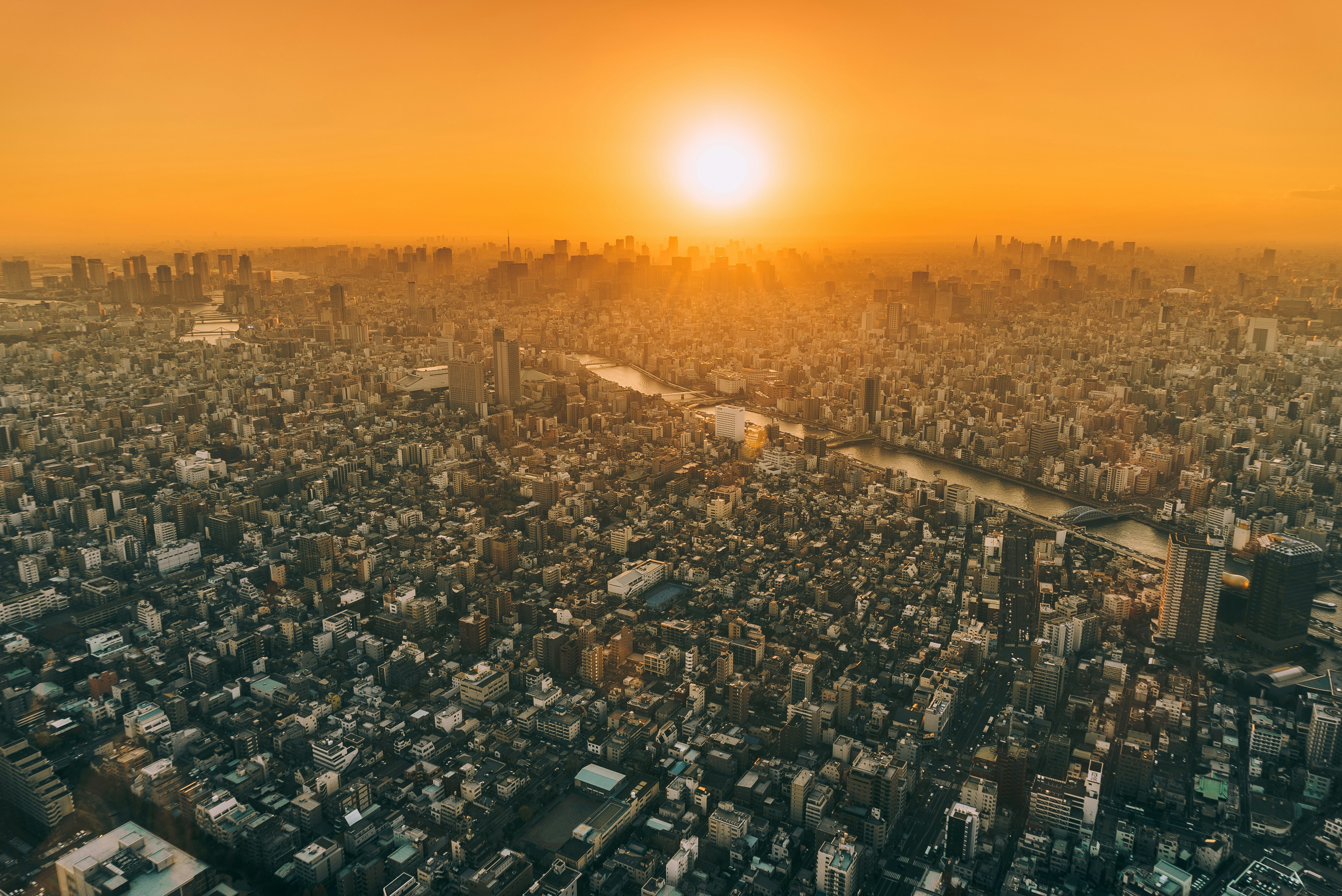
Image Credit: Arto Marttinen from Unsplash

Take the Quiz: What Candle Scent Matches Your Overall Aesthetic?
Halloween is just around the corner. It's time to light that candle. Take this quiz and find out what candle scent suits you best.
Major Impacts of UHI
Now that we know what the UHI is, what is the actual impact?
Well, as mentioned before, UHI causes cities to be 10°-20° F higher than surrounding areas. For winter implications, you might think this actually benefits colder cities such as London or New York City, as it makes them feel almost “tropical”. Actually, the effects are much more grave, especially in the summer.
For example, during the 2003 European heatwave, the UHI effect amplified the disaster — leading to over 70,000 heat-related deaths, many in large cities like Paris. As Earth warms up even more in the coming decades, UHI is going to make the heat problem even more severe. Scientists assert that the number of heat wave days will significantly increase, with a potential doubling of these days in areas with strong UHI effects by 2050.
Sadly, that's not all. This shift in temperature in the urban areas has heavily influenced the climate in that area. In New York City, the UHI effect made scientists reclassify NYC’s climate zone from a humid continental climate to a humid subtropical climate (Cfa).
This means that the city’s weather isn't classified as the cold and snowy "christmasy" city we have all come to love. This means the city is borderline tropical.
With warming temperatures, the air retains more and more moisture, which is a recipe for disaster when it comes to severe weather events. In fact, the frequency of severe weather events has increased by 150%! The increase in magnitude of these weather events, along with the increasingly erratic weather patterns increases the vulnerability of people in urban areas, as the infrastructure already in place cannot support the shifting climate.
Solving the Problem
That all sounded very negative, but there's hope! Many solutions to this effect are being implemented right now in many cities.
Here are some effective solutions:
- Add more green space: Parks, trees, and rooftop gardens absorb less heat than concrete and asphalt. They also cool the air through evapotranspiration (plants releasing water vapor). Studies show shaded areas under trees can be up to 45°F cooler than nearby pavement. Even small patches of greenery help lower temperatures and improve air quality.
- White roofs/pavement: The darker in color an object is, the more light it absorbs, thus being significantly hotter. Many urban areas are implementing white roofs and roads, to minimize the amount of heat trapped by buildings and surfaces. The whiter color serves as a “sunblock” for the city.
- Smarter city design: Urban planners can reduce trapped heat by increasing shade, improving airflow, and using sustainable materials. Reflective glass, green walls, and rooftop gardens all help. Better public transportation also means fewer cars and lower emissions.
- Raising awareness: People often underestimate how dangerous extreme heat can be. Cities can organize tree-planting drives, open cooling centers, and launch awareness campaigns to help protect vulnerable communities. Local involvement makes a huge difference. Yes, you can make an impact for your local city now!
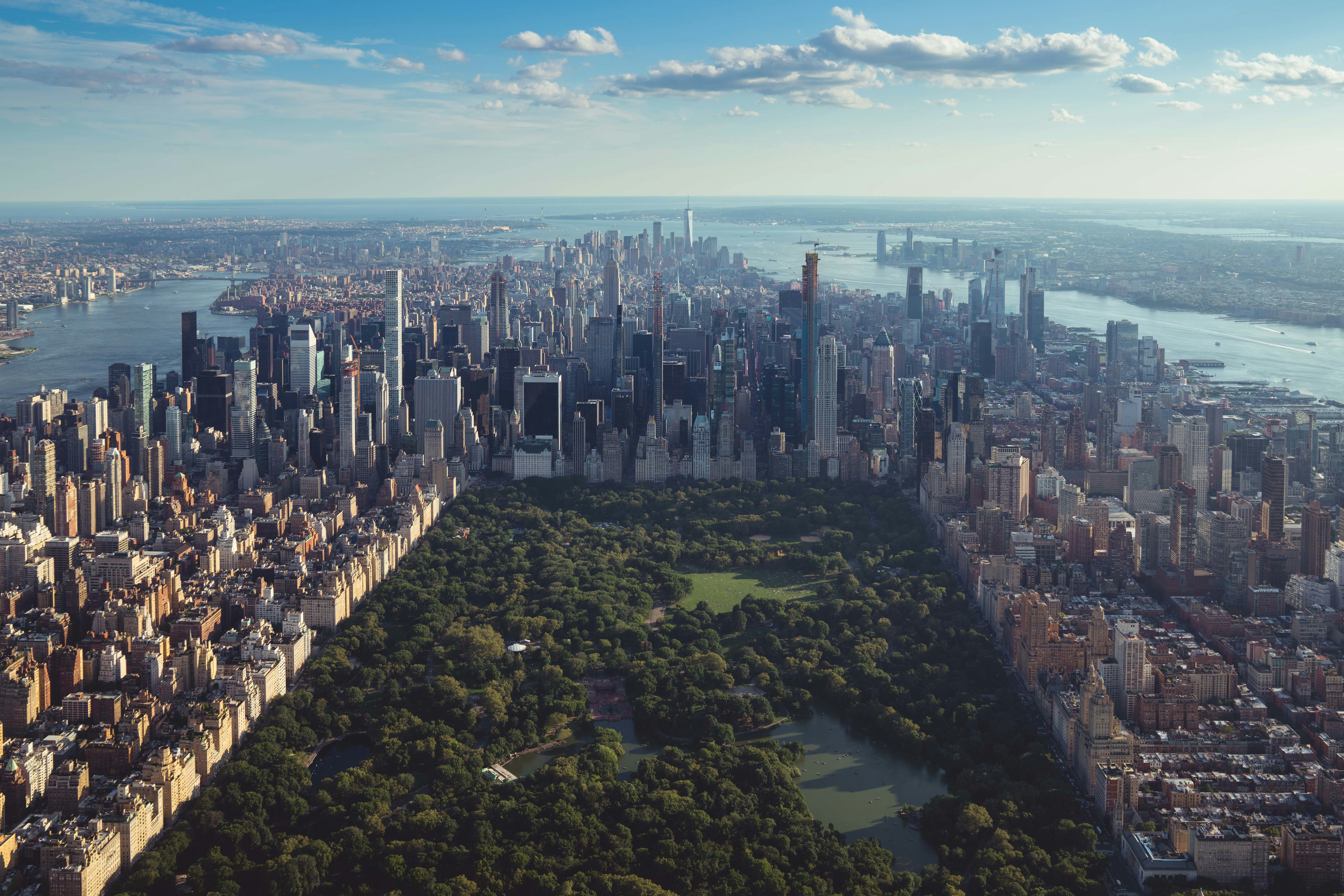
Image Credit: Jermaine Ee from Unsplash
Yes, at the end of the day the Urban Heat Island effect is entirely caused by human activity, but it is also something we can control. We can use the consequences of human action in causing this effect to make urban areas more adaptive to the rapidly changing environment. Further, this effect can be mitigated mostly with just a few adjustments to urban life.
Adding trees, reflective roofs, and smarter urban design might sound small, but together, they can change the way an entire city feels. Imagine walking downtown on a summer afternoon and actually feeling a cool breeze instead of suffocating heat waves rising from the pavement. Maybe summer days can be bearable again!