






When most people think of pollution, they think of grey smog drifting across the horizon or oil spills in the ocean. In reality, most of our harshest pollution is concentrated within relatively small areas. The communities hardest hit are located near factories, landfills, and highways, and their residents are usually people of color and low-income.
This is systemic, and it is by design. Over the last century, planning and policy decisions have facilitated the proliferation of toxic pollution into these communities.
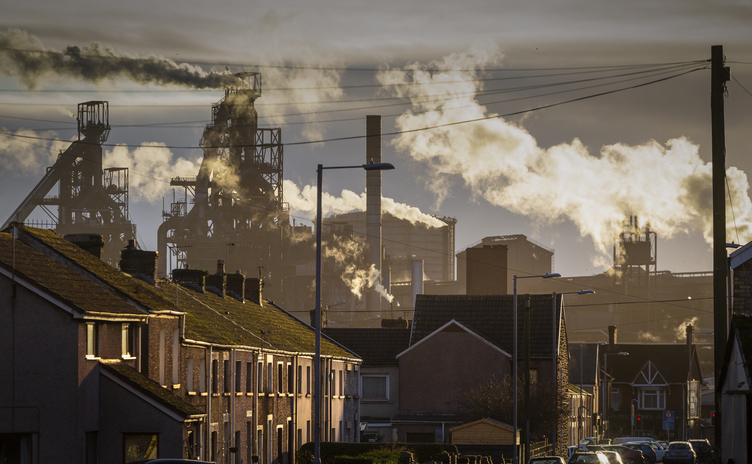
Image Credit: leighcol from iStock
Let us slide into your dms 🥰
Get notified of top trending articles like this one every week! (we won't spam you)History of Housing and Redlining
In the 1930s, the banking industry labeled Black and immigrant neighborhoods as “high-risk,” blocking residents in those neighborhoods from getting loans or financing for repairs. This act is referred to as “redlining,” a practice of using red lines to demarcate high-risk, undesirable neighborhoods. Due to redlining, property values in these neighborhoods remained low, and residents had limited opportunities to build credit and accumulate wealth.
With minimal political clout, these neighborhoods became the path of least resistance to industries seeking to establish waste sites, build factories, and construct noisy highways. The areas offered cheap land, and their cash-strapped residents could not afford to block their work.

Take the Quiz: What Candle Scent Matches Your Overall Aesthetic?
Halloween is just around the corner. It's time to light that candle. Take this quiz and find out what candle scent suits you best.
The Result?
Today, former redlined zones have higher levels of nitrogen dioxide, an urban air pollutant that primarily originates from traffic and industrial plants, and fine particulate matter in the air that can be inhaled deep into the lungs and bloodstream, bypassing many of the body's defenses, compared to other non-redlined areas. These pollutants can cause a range of health issues, from respiratory problems such as asthma to serious cardiovascular issues.
These neighborhoods also have fewer trees and parks, and summer temperatures are 5–10 degrees Fahrenheit hotter than in non-redlined areas. Dozens of studies confirm that a policy that ended almost a hundred years ago still pollutes the same disenfranchised communities.
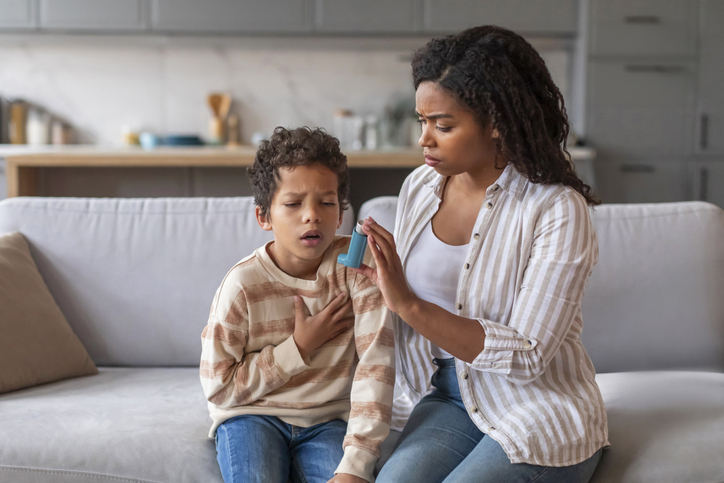
Image Credit: Prostock-Studio from iStock
Where Factories and Highways Get Built
Industries that generate significant pollution do not appear out of nowhere. They are frequently found where land is cheaper and where residents lack the political clout or financial resources to fight back. One Harvard study estimated that residents living in neighborhoods once subject to redlining were 31 percent more likely between 2000 and 2019 to have a new fossil fuel power plant built in their neighborhood compared to residents of predominantly white areas.
Although the Fair Housing Act abolished redlining in 1968, most Black, Hispanic, and low-income communities are still surrounded by factories, warehouses, or busy highways where sources constantly emit noise and fumes.
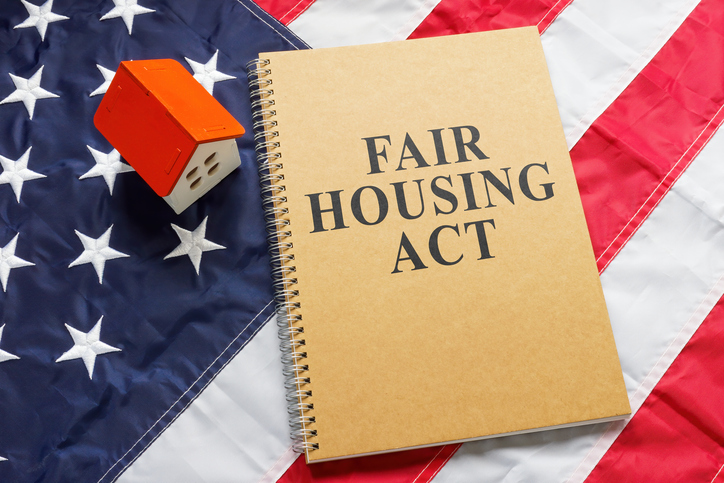
Image Credit: designer491 from Unsplash
Unequal Exposure and Health Risks
A 2023 study found that people of color are exposed to more fine particle pollution than whites, even though people of color contribute less to the emissions that give rise to the pollution. Chronic exposure to pollution causes chronic diseases like asthma, heart disease, and even cancer. In polluted communities, children visit hospitals more frequently for breathing problems. Pollution not only harms the planet but also has a direct impact on everyday health.
The Problem of “Cumulative Impacts”
The EPA defines this issue of contamination as one of cumulative impacts. Cumulative impact refers to the accumulation of multiple stressors within a single community. For instance, residing near a highway usually means exposure to vehicle exhaust and noise pollution.
However, when that same neighborhood also borders a factory that emits exhaust, the total effect is significantly more harmful. The added stress for poor families in these neighborhoods generally includes limited access to health care, job opportunities, and safe housing. Each of these factors compounds the effects of pollution.
Progress Under Biden
In 2024, the EPA created a framework to ensure that environmental decisions going forward consider the cumulative impact of pollution in overburdened neighborhoods. Several states, including New Jersey, have passed “environmental justice” laws that give communities more authority to halt the location of new factories or waste sites in already highly contaminated areas. These are small steps forward, but progress toward fairness.
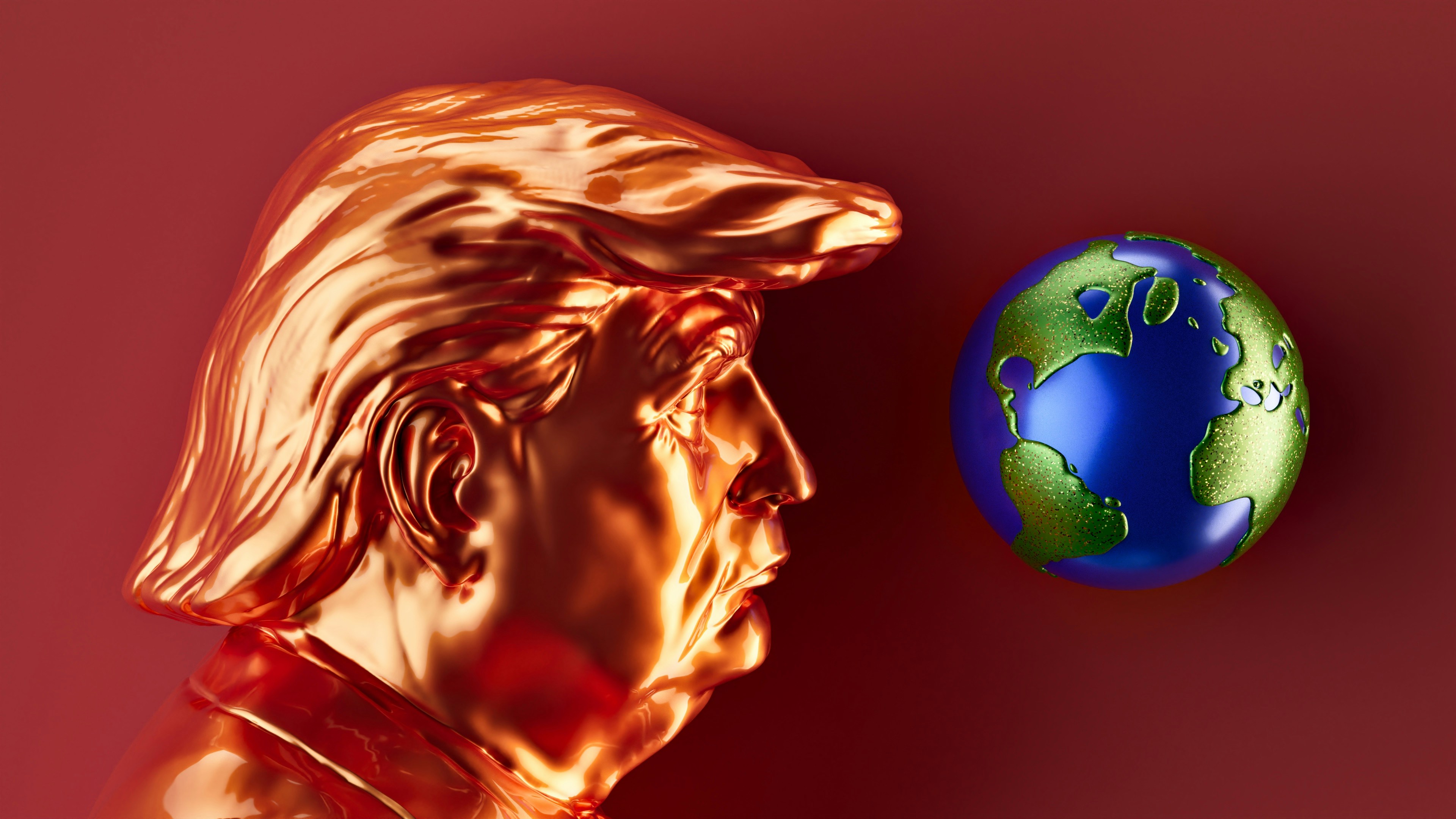
Image Credit: Igor Omilaev from Unsplash
Reversals Under Trump
However, the Trump administration is making things much harder for those fighting for environmental justice. In early 2025, President Trump rescinded executive orders requiring federal agencies to consider environmental justice when making policy and planning decisions. The Trump administration also reduced funding for the Office of Environmental Justice within the EPA and for civil rights enforcement programs within the Department of Justice. Without these offices, neighborhoods lose critical legal support necessary for fighting industries that will pollute.
Moreover, the Trump administration eliminated the “Justice40” initiative, which was a key component of the Biden administration’s plan to invest 40% of all clean energy and infrastructure investments in the most disadvantaged communities. The removal of such a program lets the government decrease investment in cleaner energy and infrastructure projects that would have brought extensive benefits to neighborhoods with the greatest burdens from pollution and health impacts.
The Trump administration is challenging several state-level climate laws in states such as Vermont and New York, arguing that these states are overstepping their authority. This makes it more difficult for states to enforce pollution limits or implement more restrictive environmental justice programs than the federal program.
The actions of this administration are making it harder for communities to hold corporations accountable and secure resources for local clean energy and infrastructure projects. The struggle for environmental justice is real, though the Trump administration wants to weaken its support.
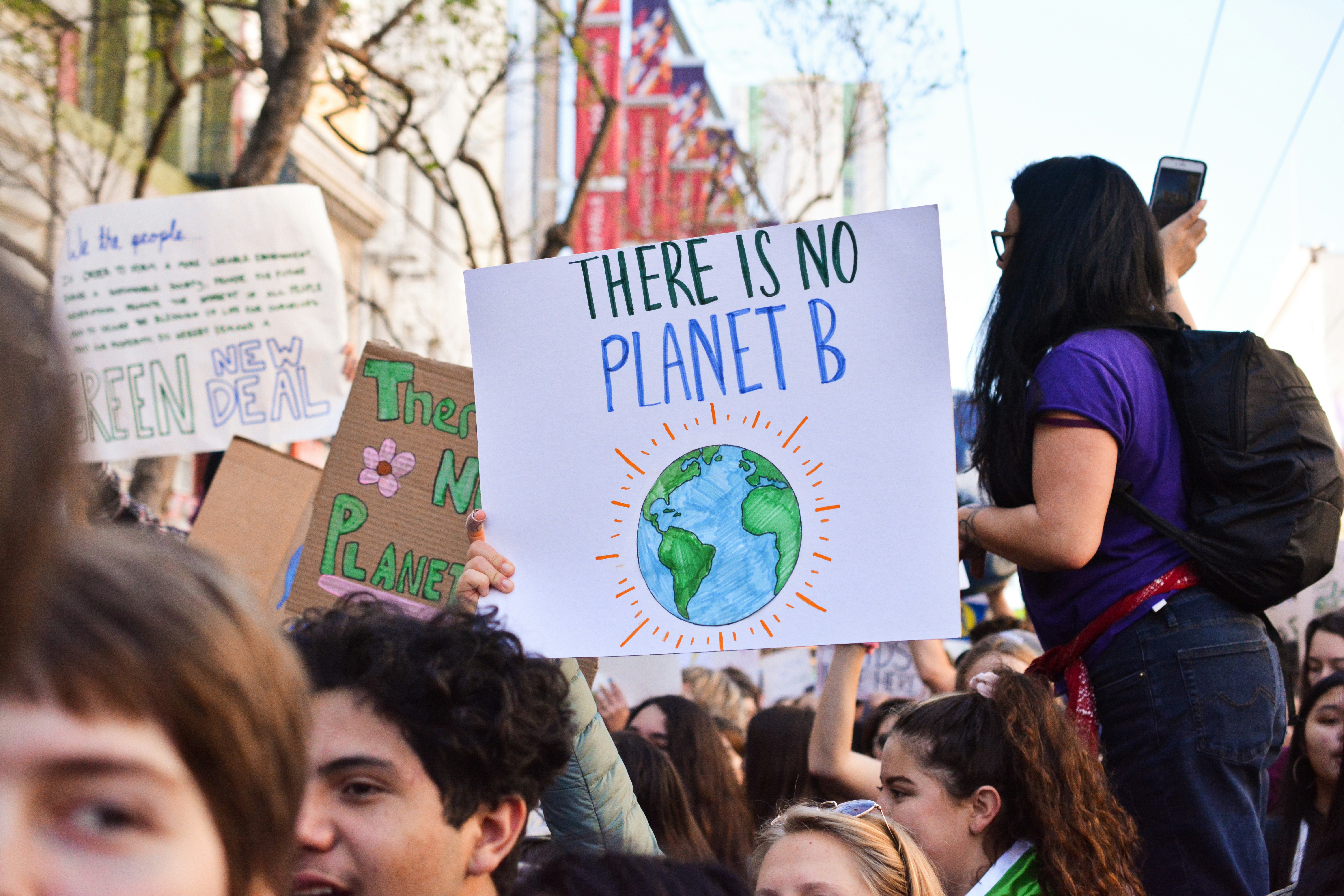
Image Credit: Li-An Lim from Unsplash
Final Word
The harshest impacts of pollution have hurt marginalized communities for decades because of discriminatory housing practices, zoning decisions, and relaxed environmental safeguards. These actions continue to drive wealth inequality and chronic illness, affecting the health and wealth of citizens in these neighborhoods.
The good news is that we know better. As federal rollbacks happen, states, climate advocates, and local leaders are pushing for stronger protections. And as local laws improve, community voices speak louder, and state environmental standards strengthen, the course correction can begin, and all people—regardless of their zip code or how creditworthy they are—can start breathing cleaner air.






.jpg)