




When we opened the map app for directions on our phones, directions were difficult because these apps originally regurgitated blurry images of our destination. Now we can see, in sharp detail, our destinations: colorful gardens and newly renovated buildings. There is no mistaking where we are headed now.
This innovation, AlphaEarth Foundations, is Google's artificial intelligence research laboratory, created by Google DeepMind. The project originated in July 2025 as part of the Google Earth AI initiative. According to Google DeepMind, “it accurately and efficiently characterizes the planet’s entire terrestrial land and coastal waters by integrating huge amounts of Earth observation data into a unified digital representation, or ‘embedding,’ that computer systems can easily process.”
The power to map our planet comes with significant ethical questions: is this a pond we don’t know the depth of, or a treasure that significantly benefits our lives? On the one hand, detailed environmental data can help scientists improve Earth's environment with unprecedented accuracy.
On the other hand, the same precision raises concerns about surveillance, privacy, and who gets to control our data. The answer, perhaps, lies in acknowledging these risks early and establishing clear laws before chaos begins. By putting policies in place now and by ensuring transparency, we can prevent misuse before it happens.
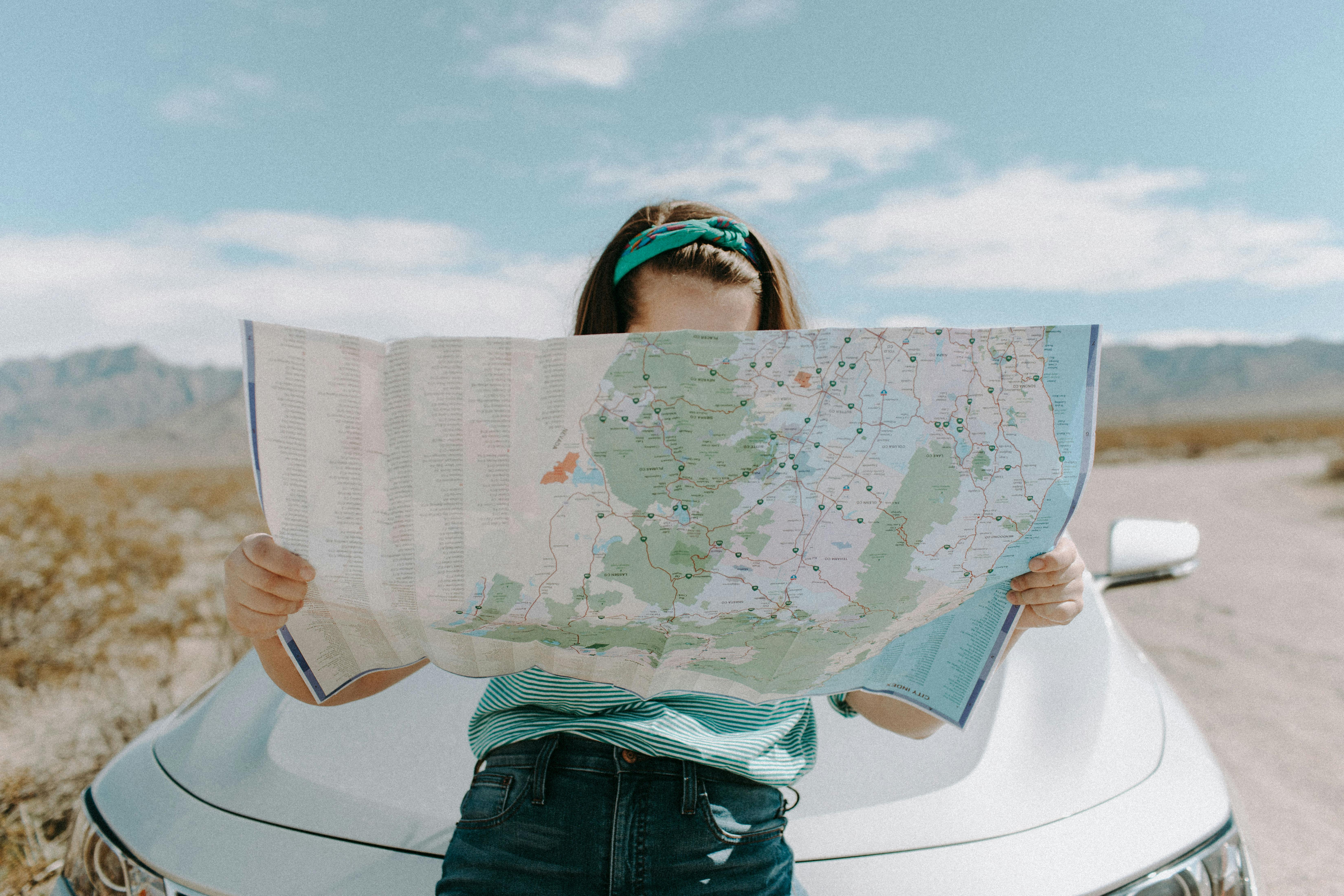
Image Credit: Leah Newhouse from Pexels
Let us slide into your dms 🥰
Get notified of top trending articles like this one every week! (we won't spam you)Why It’s Bad For Us
New technologies, like the internet and nuclear weapons, always come with risks. After the AlphaEarth Foundation is well-trained and ready to constantly produce real-time earth images, who gets to control it? Since Google DeepMind created it, should Sundar Pichai, Google's CEO, have access to the whole world?
There’s a risk of policy capture and commercial exploitation of such a powerful tool that was going to benefit us. Google, for example, can pay less tax to the government in exchange for access to AlphaEarth. Therefore, wealthy corporations and governments with firsthand climate data can widen the gap between social classes.
Even though the day when AI can model real-time earth and people walking on the street seems still far from our lives, we should prevent it before it gets out of control. If the AI model were to advance beyond the 10-by-10-meter clarity and update Google Maps, the sheer quality of the pictures could put our privacy at risk. The setup of our backyard and whether a car is parked in the driveway will become public information, and we will live in a dystopian world where cameras hang over our heads at any moment, watching our movements.
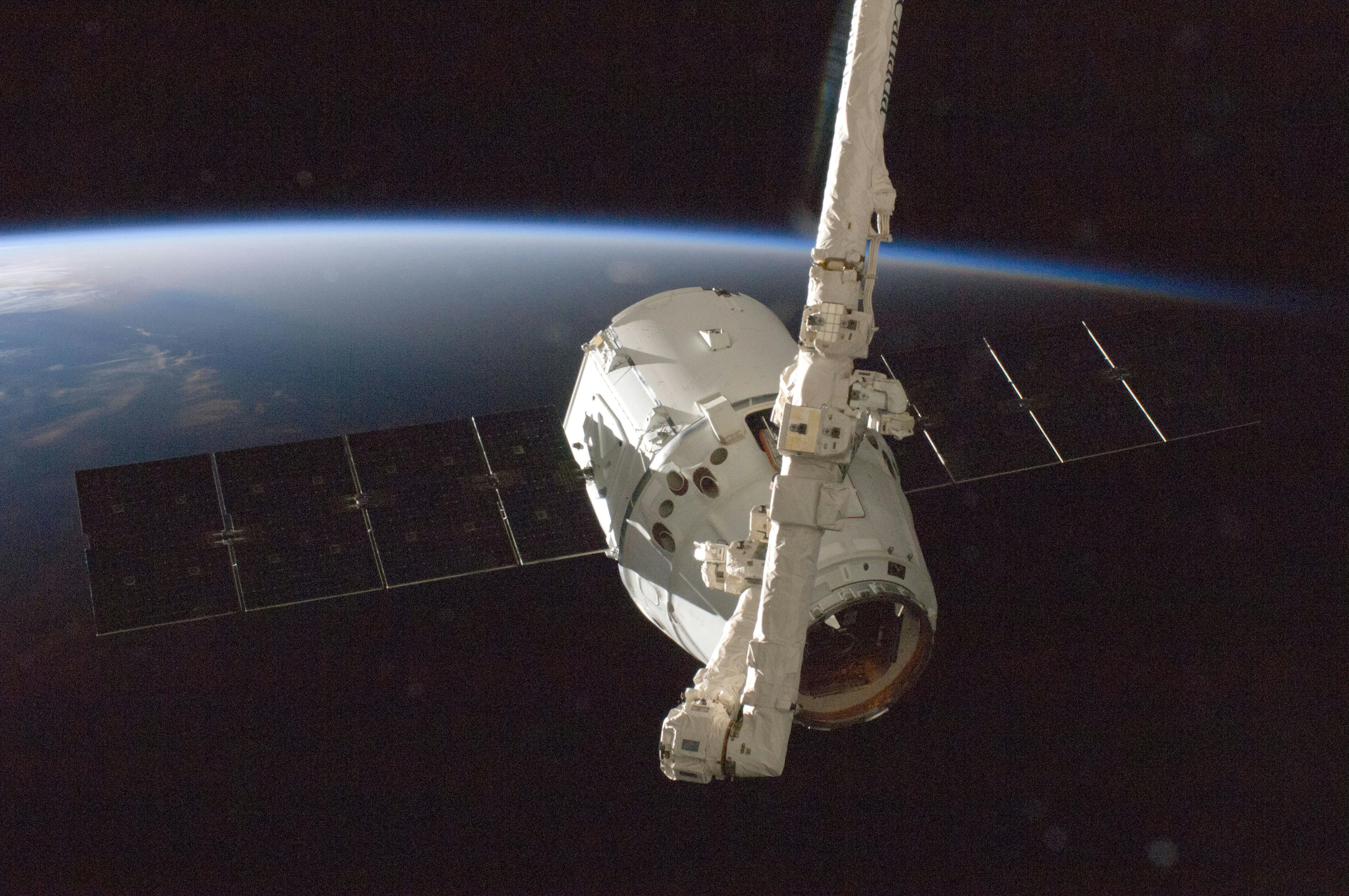
Image Credit: SpaceX from Pexels

Take the Quiz: What Candle Scent Matches Your Overall Aesthetic?
Halloween is just around the corner. It's time to light that candle. Take this quiz and find out what candle scent suits you best.
Why It’s Actually a Treasure
However, AlphaEarth Foundations collects vast amounts of Earth observation data from satellites and aims to create accessible models for scientists. As a result, all the information about each part of the world (precipitation, humidity, terrain) is at hand for scientists, who can then predict the weather, record deforestation rates, or observe coastal changes much faster than before.
Moreover, with higher-resolution images, scientists can evaluate locations on Earth for solar, wind, or reforestation projects more efficiently by eliminating locations that do not meet basic requirements, saving them time for field studies. In this sense, AlphaEarth upholds ethical responsibility through environmental stewardship, using AI’s precision to build our home.
With a more complete Earth model, students like us can benefit greatly. Our understanding of the environments is currently limited to the completed data sets produced by scientists and used as lab exercises. Now with AlphaEarth, students in the environmental science class can track climate change impacts on New Hampshire’s forest, for example. Therefore, we should celebrate its birth and hope for the benefits it can bring to our lives in aspects of energy we use and the weather every day.

Image Credit: Ron Lach from Pexels
Conclusion
This is not to say that we will have no problem on the day that AI can really spot the dog running around the house. Before the chaos kicks in, we can already prepare to prevent it. Since constitutions change across borders, governments and international bodies must draft clear privacy laws and data-sharing guidelines.
The public should gain transparency about how data is collected, stored, and accessed. Lastly, the scientific data produced are shared with universities and educational facilities. The open-source collaboration and partnerships keep corporate exclusivity out and create equity.
Now that AI clearly writes, thinks, and problem-solves faster than human beings, using it to improve our lives and ensure we gain a better education lets us develop even more advanced technology faster. In the context of high school, just as the school teaches us to question, analyze, and think critically, we do the same towards AlphaEarth. Thus, the challenge is not to see it as a potential enemy that exposes our privacy, but rather as the treasure we found to build a better ecosystem and improve Earth's environment.