






You’ve probably heard it before: ‘Climate change isn’t real,’ ‘It’s just the weather,’ or ‘Nothing we do will actually help.’ Sound familiar?
NEWS headline after headline, each reporter, person, and politician has a drastically different view on climate change. Social media has even caught on with the recent heatwaves, earthquakes, and climate anomalies; people on social media have taken up the opportunity to hop on this global “trend” to show their extensive knowledge on the topic.
Yet, rarely anyone knows the simple definition of climate change. Is it global warming? Is it because we do not know how to recycle? People even go to great lengths to blame it on the sun.
Unfortunately, this popularity has also fueled widespread misinformation, causing most of us to gain a falsified and oversimplified version of what climate change actually is. It is crucial that we know what is real or not about climate change, and the science behind it as we are the generation that will deal with the brunt of the effects.
Here is the most common misconceptions and the reasoning behind it:
Let us slide into your dms 🥰
Get notified of top trending articles like this one every week! (we won't spam you)1. A couple of degrees of warming is not that big of a deal.
Yes, the globe has only warmed about 1 degree Celsius. That is about 2 degrees Fahrenheit of warming as a global average. This does not seem substantial at all, but when taking into consideration the Earth’s climate history as a whole since millions of years ago, this warming has been at the fastest rate ever.
Even that half a degree swing could make a massive difference. The IPCC (Intergovernmental Panel on Climate Change) found that at 2°C of warming, more than 2 billion people would regularly be exposed to extreme heat than they would at 1.5°C. The world would also lose twice as many plants and vertebrate species and three times as many insects.
In some areas, crop yields would decrease by more than half, threatening food security. Take New York City as an example: the city's average baseline between 1970 and 2000 was about 18 days annually above 90°F. However, projections from the Environmental Protection Agency show this number could triple to 57 days.
So, yes. 2 degrees of global warming IS significant.
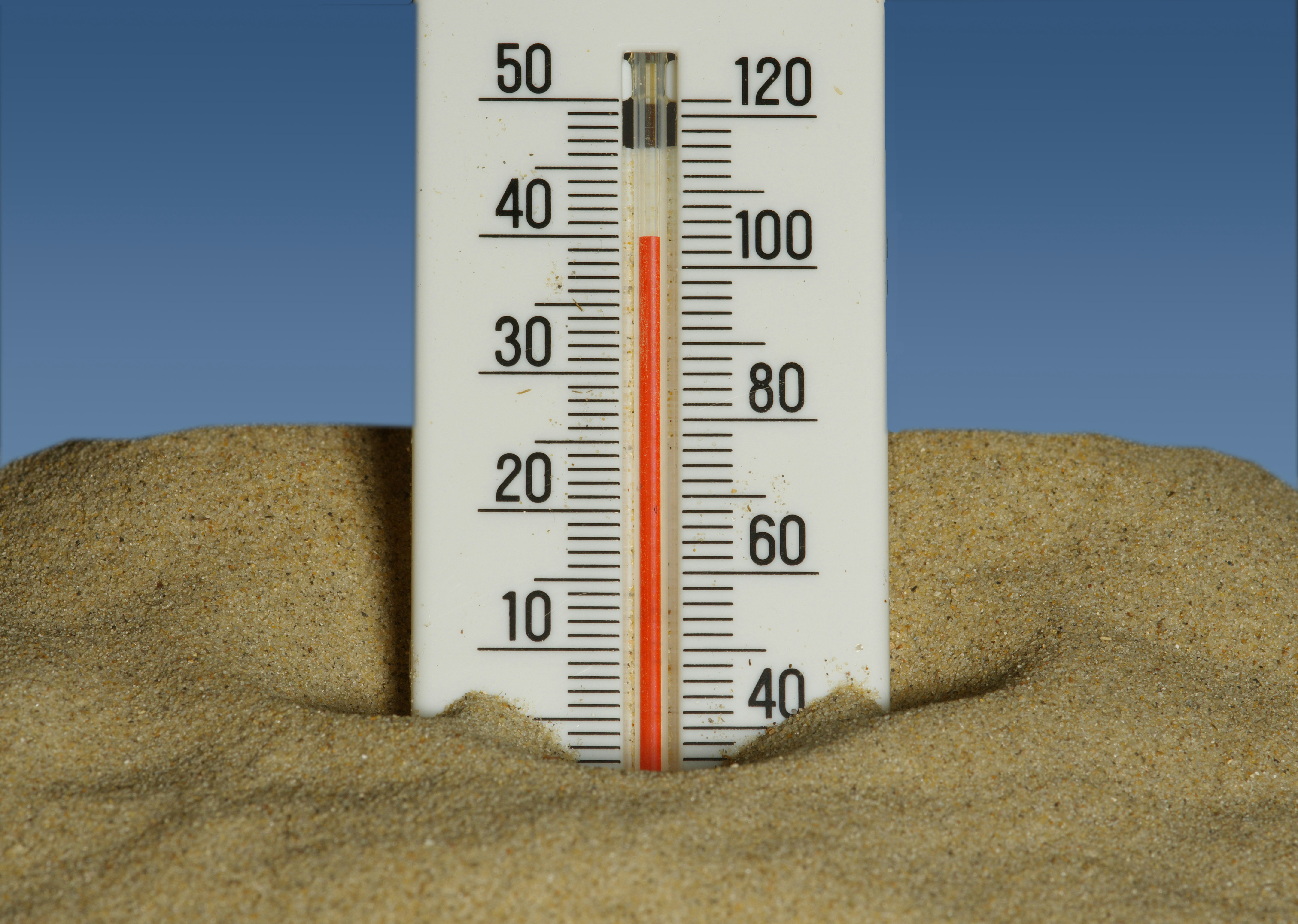
Image Credit: Immo Wegmann on Unsplash

Take the Quiz: What Candle Scent Matches Your Overall Aesthetic?
Halloween is just around the corner. It's time to light that candle. Take this quiz and find out what candle scent suits you best.
2. Climate Change is a natural process, humans have not caused anything.
While this may be true to an extent, human activity is increasing the magnitude of it significantly. The Earth’s climate over millions of years has followed a pattern of warm periods with cooler ice ages following. However, think of human activity as pushing this warming period into overdrive. The magnitude of the warming has increased, and so has the speed.
A report from the Panel on Climate Change, which draws on the research of hundreds of climate scientists, found that humans are responsible for almost all the global warming over the past 200 years.
So, what is the Earth going to do about it?
The vast majority of warming has come from the burning of coal, oil, and gas. The combustion of these fossil fuels is flooding the atmosphere with greenhouse gases, which act like a blanket around the planet, trapping heat. Well, the effects are already being shown.
Natural disasters, particularly those related to weather and climate, have significantly increased in frequency and cost in recent decades. The number of climate-related disasters has risen by over 80% and carbon dioxide levels are at their highest in 2 million years, while two other greenhouse gases, methane and nitrous oxide, are at their highest in 800,000 years.
Think about the recent earthquakes and resulting tsunamis, as well as the seemingly never-ending fires and that annoying smoke. These events now happen more frequently due to the abnormally rapid warming.
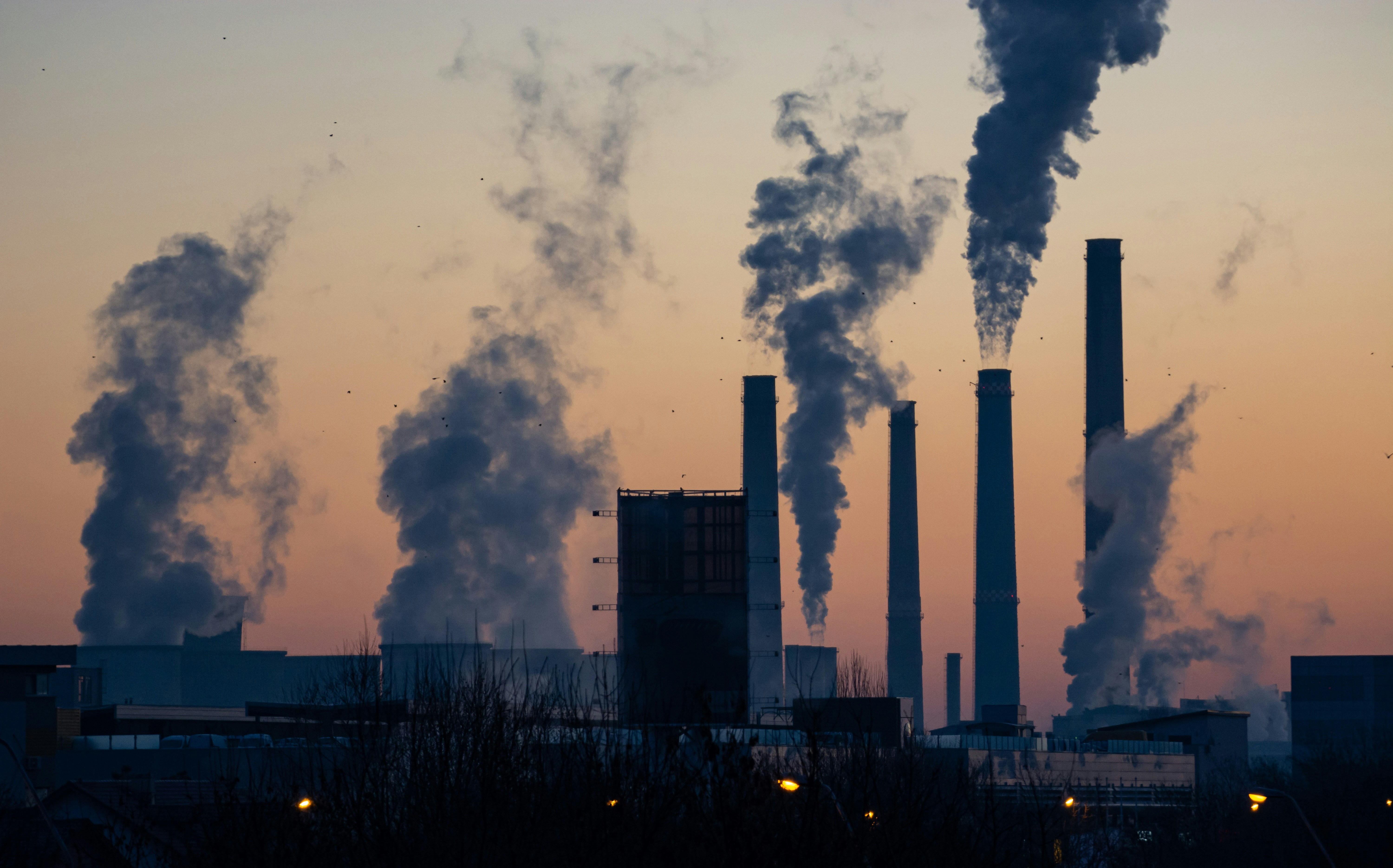
Image Credit: Ella Ivanescu from Unsplash
3. If the planet is warming, why do we still have freezing winters?
It sounds like common sense: if the Earth is getting hotter, why are we still experiencing colder than average temperatures?
This statement confuses weather and climate, which are two different things. Weather is the day-to-day atmospheric conditions in a location and climate is the long-term weather conditions in a region. Think of climate as an average, where day-to-day weather factors into the average but does not impact it much.
In fact, it has been observed that climate change can actually make some areas colder depending on the changing wind patterns and atmospheric conditions. Weird! Still though, the overall climate is well above average.
4. Blame it on the Sun!
Yes, there are many who claim that this is true. Conceptually, it does make sense, the sun is what makes our planet hotter anyway! Sadly, this is severely contradicted by data from NASA that the Earth is actually slowly moving away from the sun. Very counter-intuitive, but true.

Image Credit: Jonathan Borba from Unsplash
Climate change isn’t just a distant problem or a political talking point, it’s a reality backed by decades of scientific evidence, already reshaping the planet we live on. Misconceptions may be comforting, but they don’t change the fact that the choices we make now will decide how livable our future is. The truth is simple: a warmer world affects everything—our food, our homes, our health, and the survival of countless species.
The science is clear, and so is our responsibility. We can’t afford to be passive observers; the time to act is now, while action can still make a difference.


.jpg)




.jpg)
