







Do seasons even exist anymore? This is a common sentiment that people have when they see their weather forecast. One day is supposed to be 70° F and sunny in winter, while the very next day brings us back to Earth with a 30°F and snowy.
All the large unseasonable temperature changes almost feel like Earth has lost its balance. In reality, its another direct consequence from our old friend: climate change.
Behind all these crazy weather phenomena such as erratic temperatures and increasing severe weather events is evidence of how drastically humans have altered the planet’s natural systems. Ocean currents are shifting, jet streams are weakening, and greenhouse gases are throwing the atmosphere into a frenzy. As we speak, the climate is changing, resulting in the days in which we label the weather as “wacky.”
The culprit?
Another form of direct consequences of our past actions in the form of climate change.
So what’s really driving our planet’s climate off course, and how close are we to reaching a tipping point?
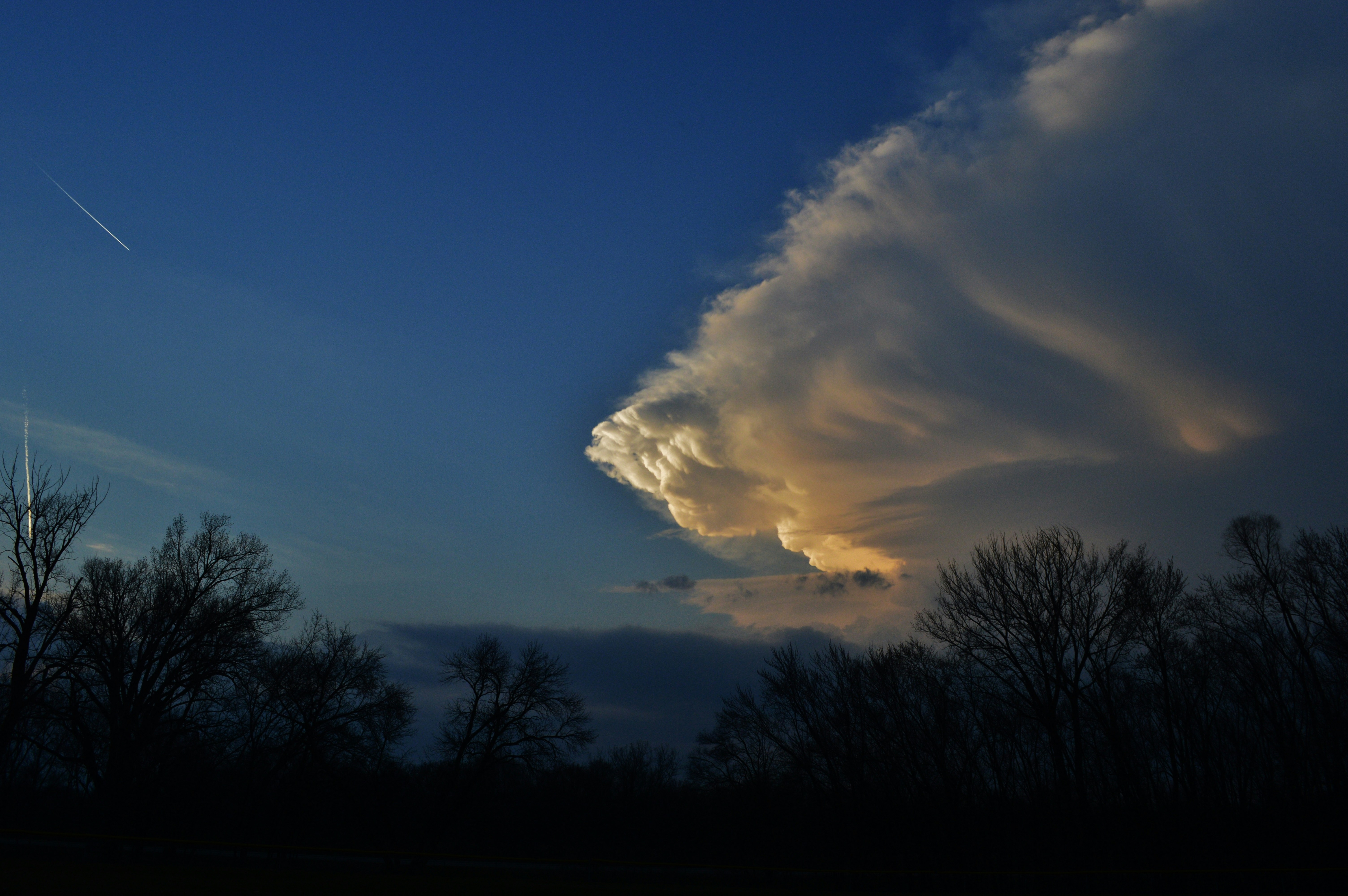
Image Credit: NOAA from Unsplash
Let us slide into your dms 🥰
Get notified of top trending articles like this one every week! (we won't spam you)The Rise of Unpredictable Weather
One day you’re wearing shorts, and the next you’re digging your winter jacket out of the closet. This growing pattern of extreme swings isn’t your imagination. Data from NASA and NOAA (National Oceanic and Atmospheric Administration) show that temperature fluctuations between days and even within the same week are becoming more erratic across the globe. Actually, since 1961 61% of the world has experienced this same phenomenon.
Why? It is because a "stream" in the atmosphere. Specifically, the jet stream, a fast flowing path of air that separates the tropical air mass from the cooler polar air and warmer subtropical air, is weakening.
This means the air masses are more “out of control” and can shift more erratically over areas. Normally this current keeps cold Arctic air trapped to the north and warm tropical air to the south. However, as the Arctic warms faster than the rest of the planet the temperature difference shrinks and the jet stream starts faltering, causing unusual temperature surges or plunges that linger for days and create the strange winter thaws or mid-summer chills we’ve all started noticing.
On top of that, this also heavily influences our weather. If you recognize that the weather has been either extremely dry or wet, you wouldn't be wrong. The fundamental physical driver is the Earth's atmosphere.
The Clausius-Clapeyron equation, which dictates that a warmer atmosphere can hold more water vapor (around 7% more per 1°C of warming). This ultimately leads to two different extremes: the potential for heavy rainfall and the increased chance for the air to dry out the land, which fuel the rapid switches.
Take the Quiz: What Type of Notes Should I Take?
Discover the best note-taking method for your learning style!
Health Implications
This issue has an even wider effect than you think. Have you ever gotten sick because of the rapid weather changes: from sunny and warm one day, to cold and rainy on the other?
Well, this is actually a commonly felt grievance across the entire world, and it is entirely because of our own doing.
Surprisingly, these rapid shifts actually put stress on our body. Our immune systems have a hard time keeping up with the erratic and sudden weather shifts, leading to higher rates in respiratory illnesses, allergies, and infections in general. Constant fluctuations also affect agriculture and water systems, which can lead to food insecurity and malnutrition, further worsening health outcomes.
In all, studies show that erratic weather can ultimately result in a higher death rate. Crazy!
On top of that, the worsening climate has huge implications in regards to other aspects of our health, both mental and physical.
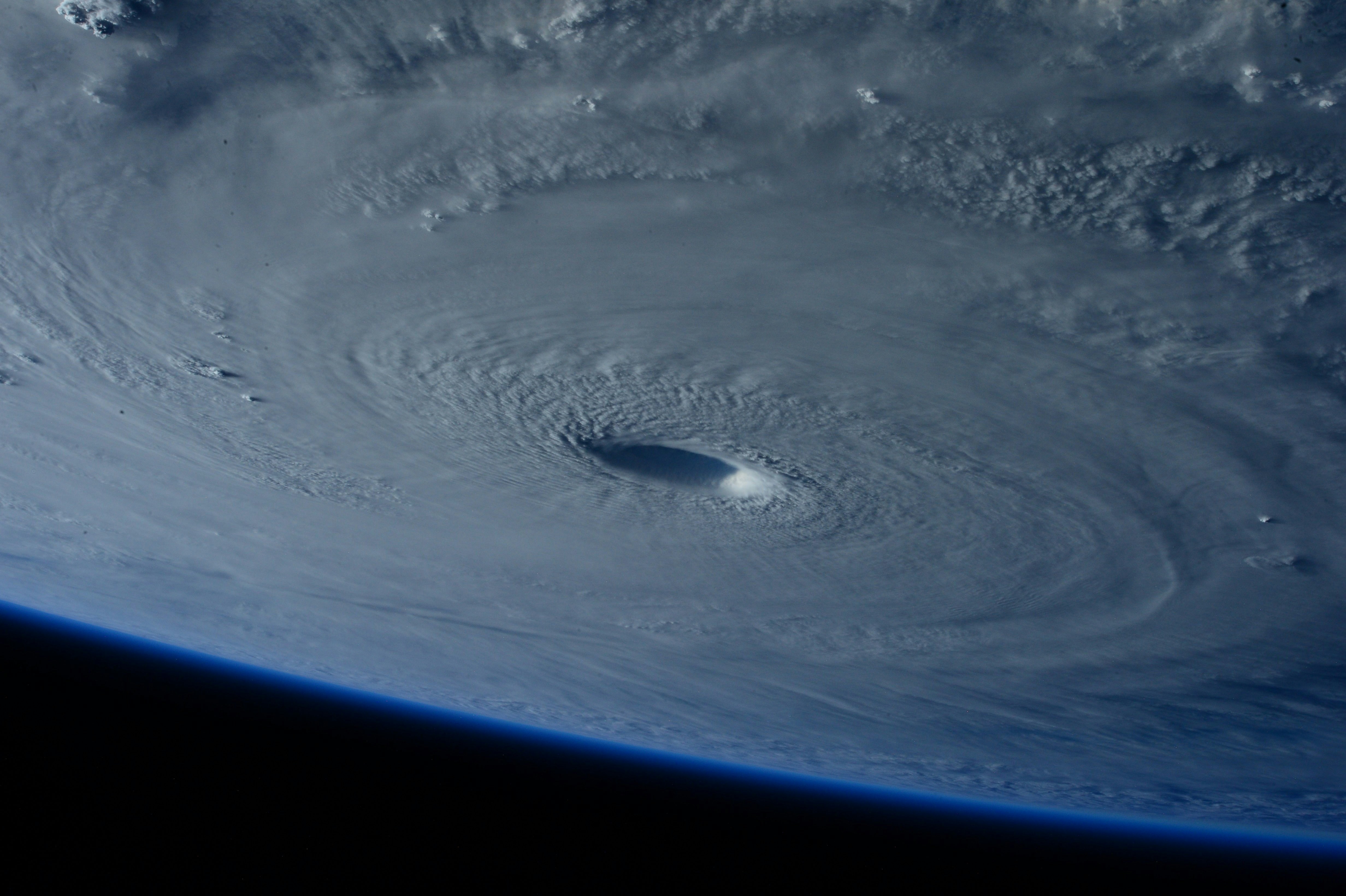
Image Credit: NASA from Unsplash
Future Outlook
As climate change and global warming keeps getting worse, the rapid weather changes will only get more and more drastic. We could see winters that alternate from polar cold to springlike temperatures within a day or two, and summers with extreme flooding paired with drought and unpredictable shoulder seasons that make farming, infrastructure planning, and even basic energy use harder to manage. The sicknesses will only continue to get worse, along with the possibility of other health concerns arising.
This problem only will get worse in the future. By 2050, climate models predict that heat waves will last three times longer, however, the number of cold snaps in winter will not decrease, but they will arrive more suddenly. This may seem counter intuitive, but it is very evident.
I am sure we all remember the 2021 Texas Freeze, which occurred right after unseasonably warm period. The main reason that this event became so catastrophic was that the rapid shift in weather damaged Texas's power grid, leaving millions without power and causing over $195 billion in damages. These sudden transitions are a direct result of a weakened polar jet stream that causes the erratic climate shifts.
Another detrimental change is the increasing intensity of the precipitation events. Scientists at NOAA report that ocean surface temperatures in 2024 reached their highest level ever recorded, meaning that due to the warmer ocean, there is more moisture available which is, in turn, amplifying weather events, and costing us millions to repair in their wake.
This rise in ocean temperatures also are causing complete climate shifts, as storm systems that once appeared in one season, are starting to form during other seasons. Not only does this effect day-to-day life for us, it also effects ecosystems, and even our infrastructure.

Image Credit: Alexey Demidov from Unsplash
Living Smarter in an Unpredictable Climate
Even if these changes sound “scary,” the biggest favor we can do to ourselves and the planet is to learn how to adapt to the ever changing climate. Here are some ways in which you can do so and contribute positively towards our future:
- Track local air quality, UV index, and heat alerts to adjust outdoor activity safely. Do not overdo yourself, and use trusted weather apps to do so.
- Advocate for “green” actions: push for more urban trees, reflective roofs, and sustainable drainage to combat temperature swings. You can even implement this at your house! Grow a garden or plant trees on your property, for example.
- Give greater awareness to energy consumption and start implementing renewable energy sources to reduces emissions that drive climate instability.
At the end of the day, we cannot control the weather, but we can control how we respond to it. The climate is changing fast, and it is up to us to adapt faster. Small steps like staying informed, protecting our health, and supporting sustainable practices can make a big difference when multiplied across communities. The more we act with awareness today, the better chance we have at creating a safer, healthier tomorrow, and one where we actually have a summer and a winter.


.png)


.jpg)

