

.jpg)

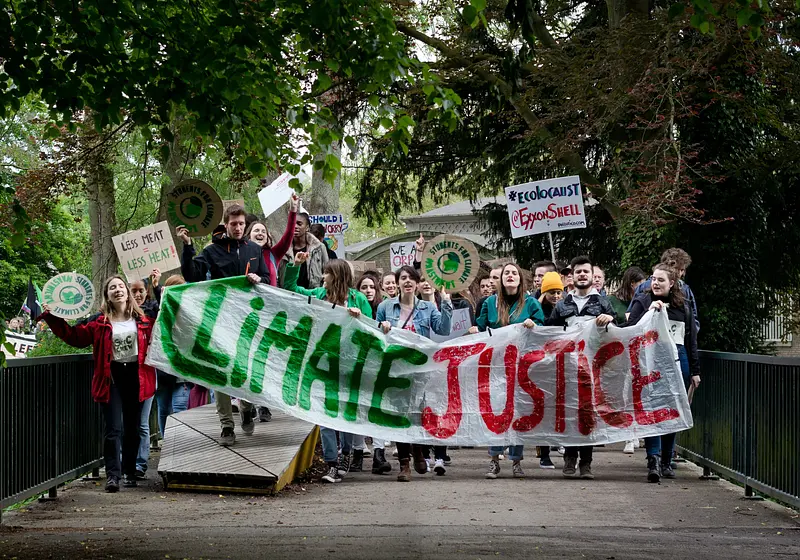
For years, activists have been mocked, dismissed, and ignored. But now, people are starting to wake up. In case you forgot, climate change isn’t a hoax, and it isn’t just a temperature increase. It’s extreme weather events, rising sea levels, and an unprecedented mass extinction.
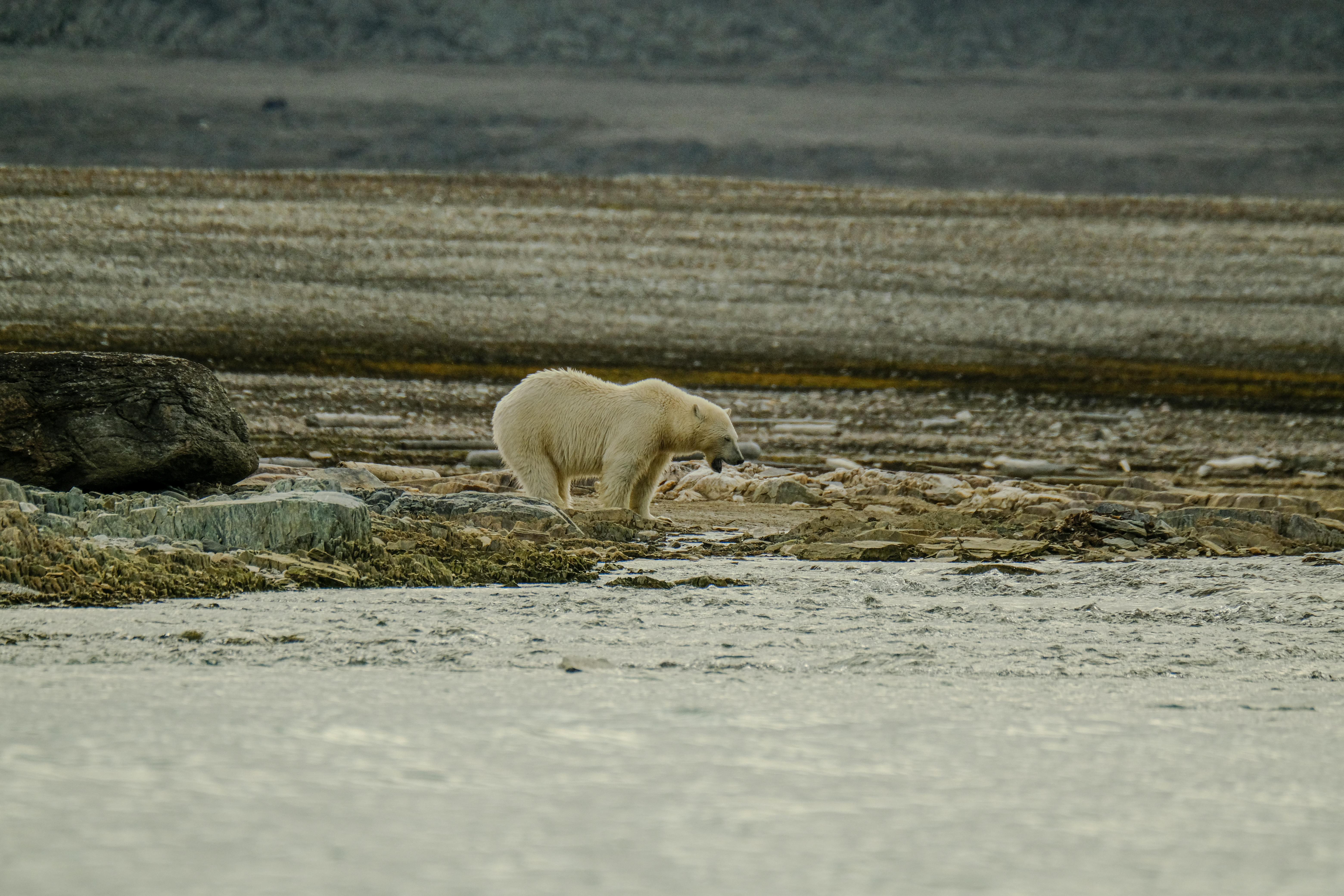
Image Credit: Francesco Ungaro from Pexels
Let us slide into your dms 🥰
Get notified of top trending articles like this one every week! (we won't spam you)The Issue
Climate change is a pressing issue for a handful of reasons. The average American likely only knows that our planet’s temperature is increasing, but it’s much more complicated than that. For one, the record-hottest years have been recorded in the past decade.
The ocean also absorbs much of this heat, leading to melting glaciers, ocean acidification, increased dead zones, and much more. So, while humans are losing their homes due to increased fires and hurricanes, so are animals.
It’s important to note that climate change is not solely driven by carbon dioxide from cars, which is a common misconception. The term “climate change” encompasses all sorts of alterations to the environment, mostly as a result of human activities: air pollution, plastic pollution, stormwater runoff, deforestation, overconsumption… the list goes on. Most climate change drivers can be categorized into one of four categories, and in all of them, there are ways that the youth can help.
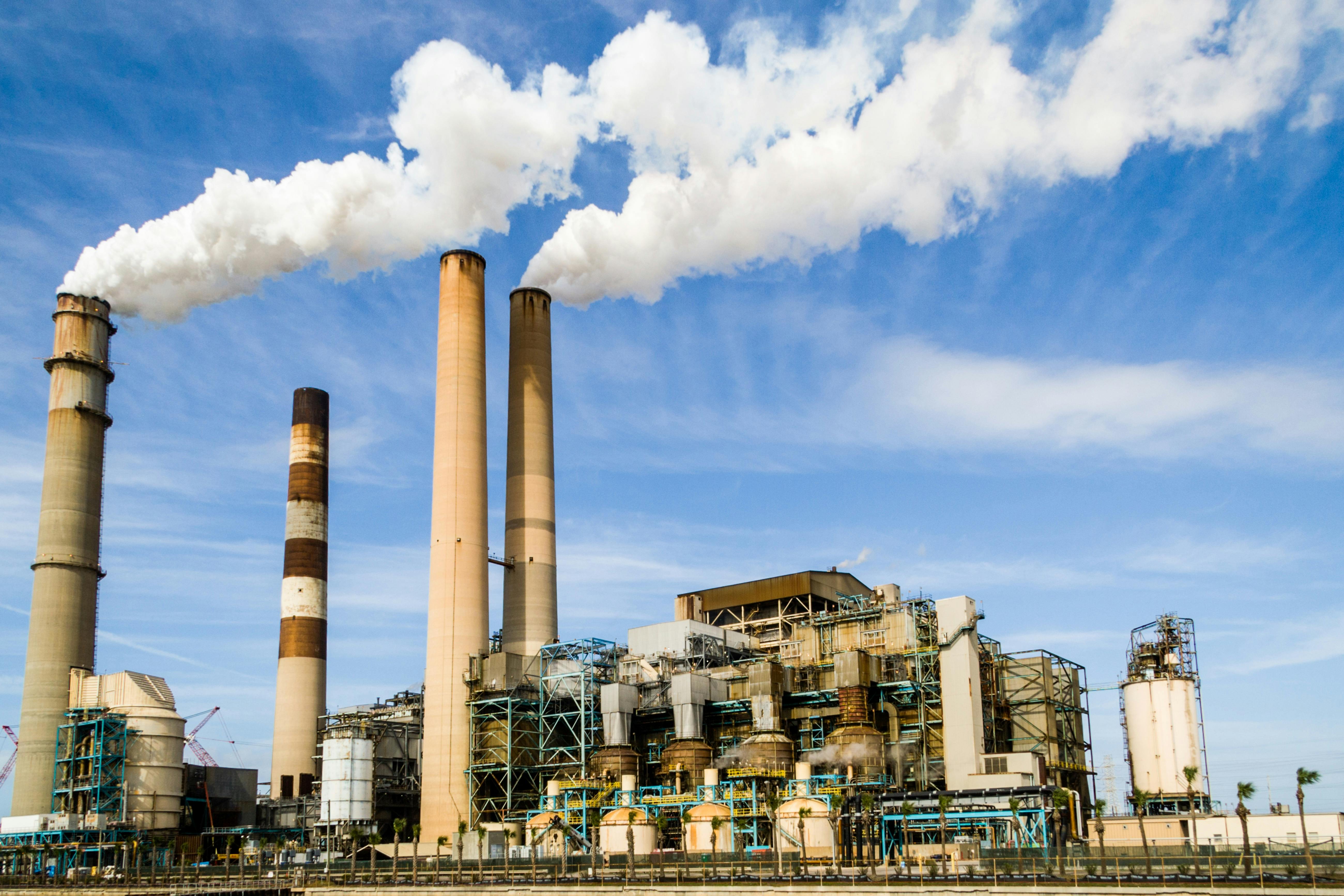
Image Credit: Pixabay from Pexels

Take the Quiz: What Candle Scent Matches Your Overall Aesthetic?
Halloween is just around the corner. It's time to light that candle. Take this quiz and find out what candle scent suits you best.
1. Energy & Industrialization
Energy production is a significant user of fossil fuels. In fact, the burning of fossil fuels to make electricity and heat is the single largest contributor to climate change, releasing the majority of the excess carbon dioxide and nitrous oxide into the atmosphere. Production processes and plastic production are also main components of this factory production category. In addition to the production using fossil fuels, plastic itself both pollutes the environment and releases methane as it breaks down.
In this sector, the greatest thing we, as youth, can do is help reduce energy demand, minimize our own waste, and, of course, advocate. We have to do our part in turning off lights and devices when they’re not in use and aim to use energy-efficient lighting (LEDs are super simple to install and cheaper than traditional lights in the long run!). We can also reduce our own waste by choosing reusable bags, bottles, and containers instead of one-time plastics.
Lastly and most importantly, we can choose to speak up about it. Although your Hydroflask will not singlehandedly remedy climate change, if you can get your friends, school, or community to participate in climate-friendly energy solutions, it will certainly make a difference.
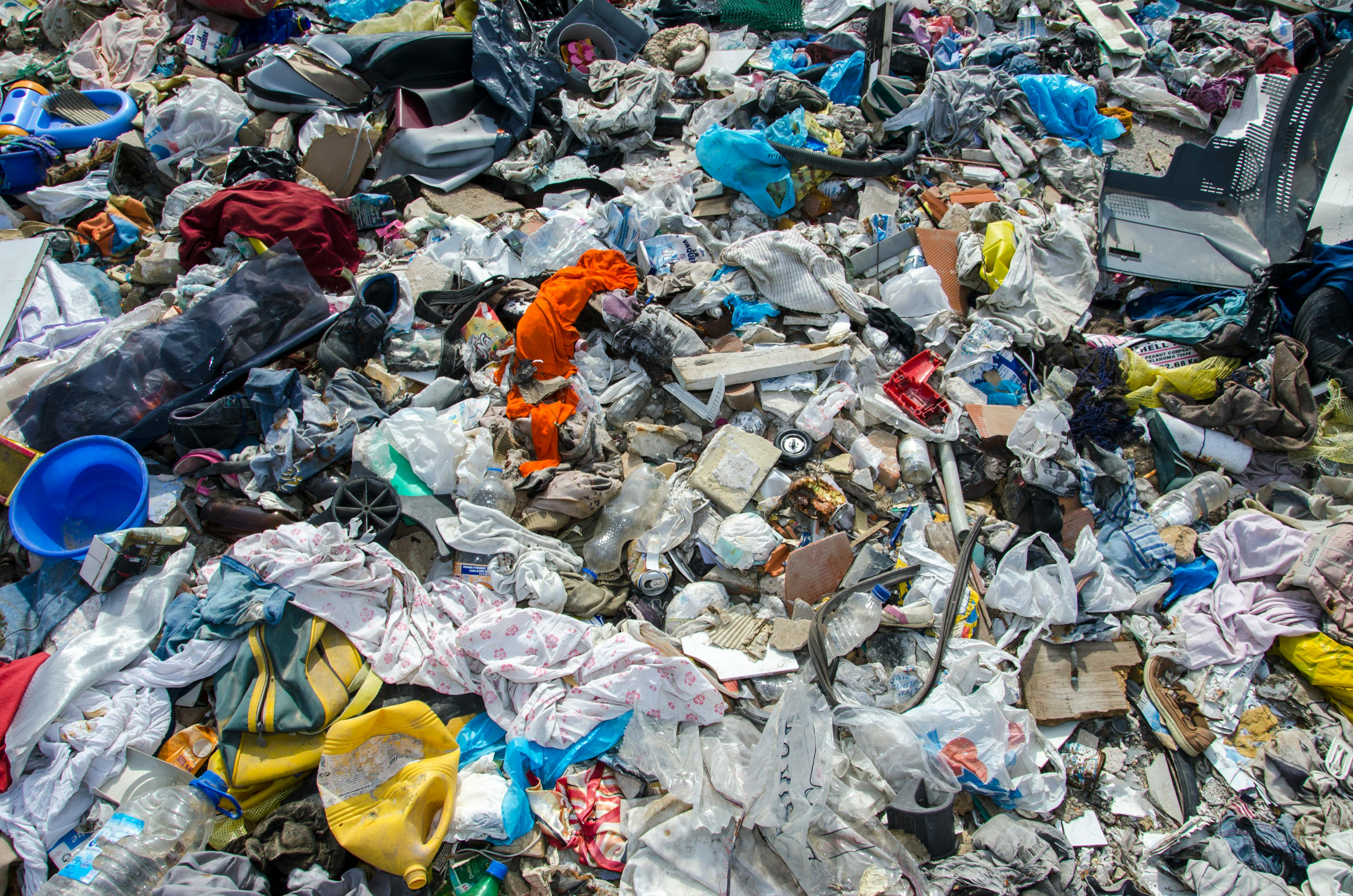
Image Credit: Victor Moragriega from Pexels
2. Consumption
It’s relatively known that fast fashion is a big cause of environmental pollution. In the 21st century, people are consuming much more than they need to; every new fashion trend is getting disposed of quicker than the last. The reality is that, aside from the ethical issues of fast fashion, most of the clothing produced in the industry is not meant to last.
The amount of cheap clothing and textile waste in landfills has built up to create one of the greatest textile pollution eras in history. In addition to clothes, however, other products that have plastic or unsustainable materials have also been mass-purchased, contributing to the issue.
Surprisingly, there are certain types of “trends” that can actually help reduce consumption waste. Thrifting, underconsumption, and DIYs have become more popular over the past decade, helping to counter some of the intense and wasteful purchasing that has polluted the Earth. You can do your part to reduce your own consumption by using products fully, purchasing second-hand, and reusing containers instead of buying new ones.
Compulsive purchasing is something that has become much more prevalent in the younger generation because it’s so much more accessible for us. So, save your money, and help save the planet.
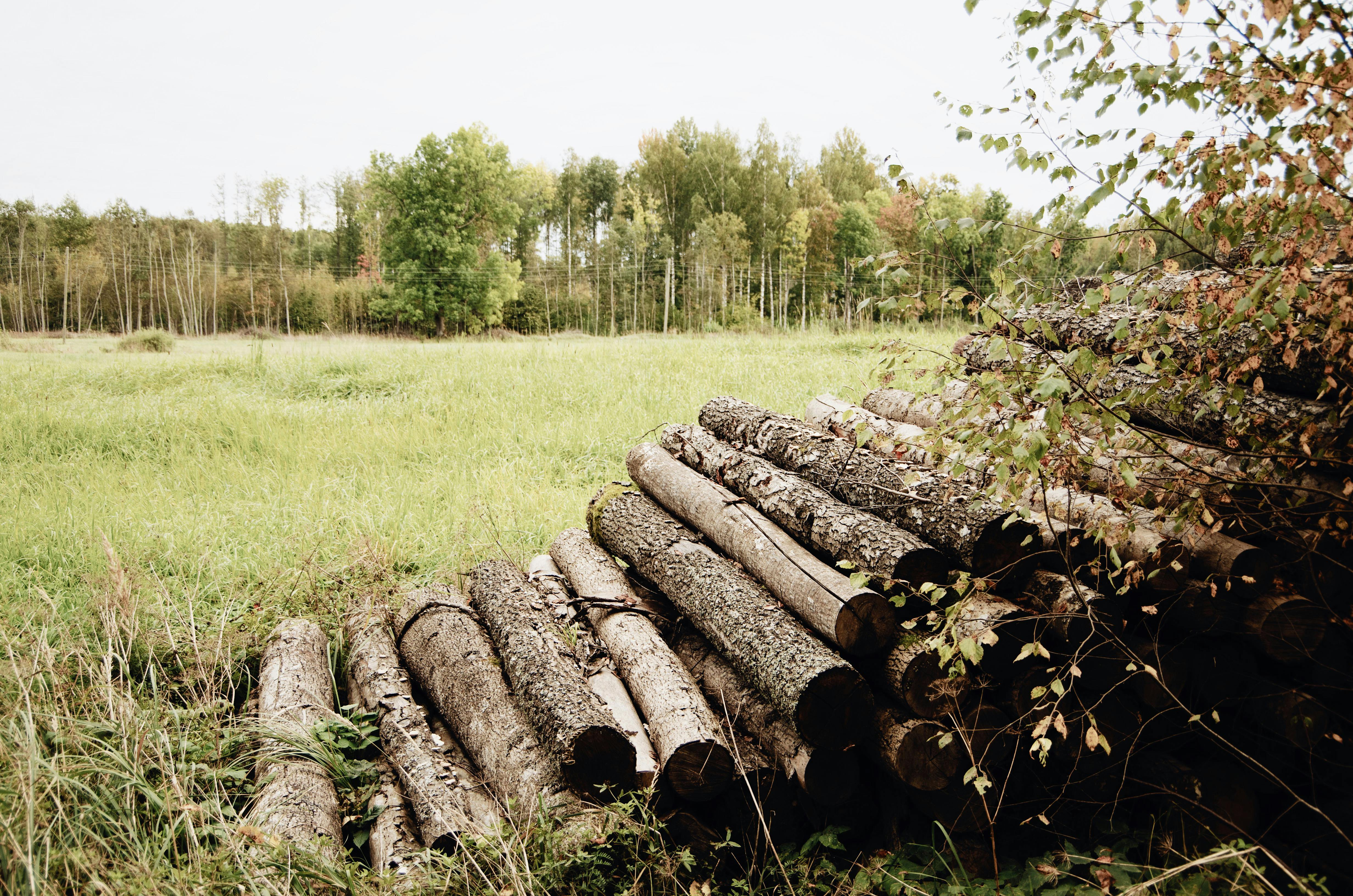
Image Credit: Ivars from Pexels
3. Agriculture
Another big sector that contributes to pollution and climate issues is agriculture, for a number of reasons. The obvious factor of agriculture that hurts the environment is deforestation and land clearing that take place in order to make more farmland. Deforestation takes away animal habitats and releases the carbon dioxide that the trees were storing. Most relevantly, fertilizers in personal backyards and lawns can actually pollute stormwater, which makes its way into oceans, directly harming marine habitats and animals.
Although this industry is another cause that seems much bigger than something a single person can solve, the youth play a big part in this as well. For one, reducing your meat and dairy consumption thereby reduces industry demand. You don’t have to become vegan, but even a little bit less meat consumption across communities can make demand (and as a result, supply) for agricultural products decrease overall.
In addition, you can reduce food waste by only buying what you know you are going to eat. If your home or school has a garden, it can be helpful to make sure the gardens are ocean-friendly and any fertilizers being used are non-chemical.
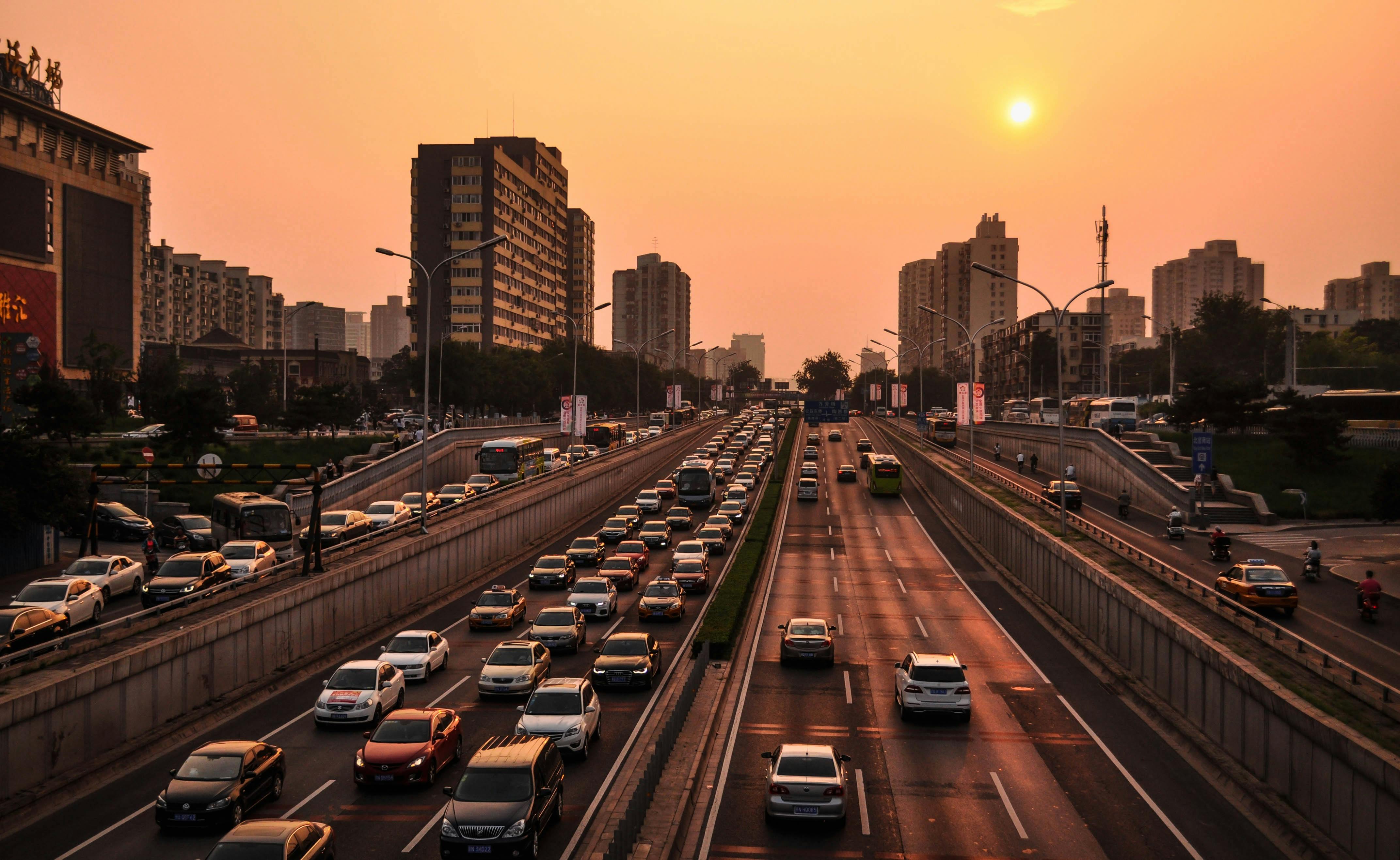
Image Credit: Pixabay from Pexels
4. Transportation
Finally, the driver (pun intended) that everyone points to as the culprit of climate change: cars. Fossil fuel-powered vehicles range from planes to ships to trucks to ordinary SUVs. Although electric and hybrid cars have been invented as a solution, the majority of passenger vehicles remain gas-powered and therefore unsustainable.
This is one of the most impactful ways teens can contribute to the fight against climate change. Many people get their license at 16 or 18. If you have the ability to, choose an environmentally friendly ride.
As an alternative, if you don’t have a license, you can choose to carpool, bike, or take the bus. All of those options are more sustainable than taking a single gas-powered car.
The Role of Youth in this Fight
Although most politicians who have the power to make policy changes to help mitigate climate change are millennials or older, the youth play a role that is just as important, if not more. We are the people who are being affected by the policies of the government, so we have the power to lobby, advocate for, and demand policy changes to protect our Earth. The very planet that we are meant to run one day is the one that is in danger.
We cannot stand aside and expect the older generations to fight for us. Instead, this is a battle that we must lead.
Organizations like TreePeople, Fridays for Future, and Surfrider are all activist-driven programs that aim to fight climate change and related issues. Joining or supporting these groups fighting for environmental sustainability can help us truly make an impact in this fight.
Today, the importance of choosing sustainability and advocating for others to do the same is increasing at a rate faster than ever before. Speak up, talk about it, and urge others to stand up as well. Too many people are relaxed when, in reality, we don’t know how much time we have left before it’s too late. So, are you up for this challenge?