





I joined a science competition for the first time in my life.
And it was terrible.
I thought joining the second biggest science competition in my country would be the highlight of my year. Instead, it left me walking away with a broken heart and a score that didn’t feel fair. But more than the result, what hurt the most was something psychology can explain very well: the feeling of not being respected.
In a way, I hope this article reaches other adults who work as judges in competitions, because I swear, I’ve never felt more like an insect. But I also hope it reaches teenagers who have gone through similar events of disrespect, so they feel seen.
Let us slide into your dms 🥰
Get notified of top trending articles like this one every week! (we won't spam you)Starting With A Small Personal Story
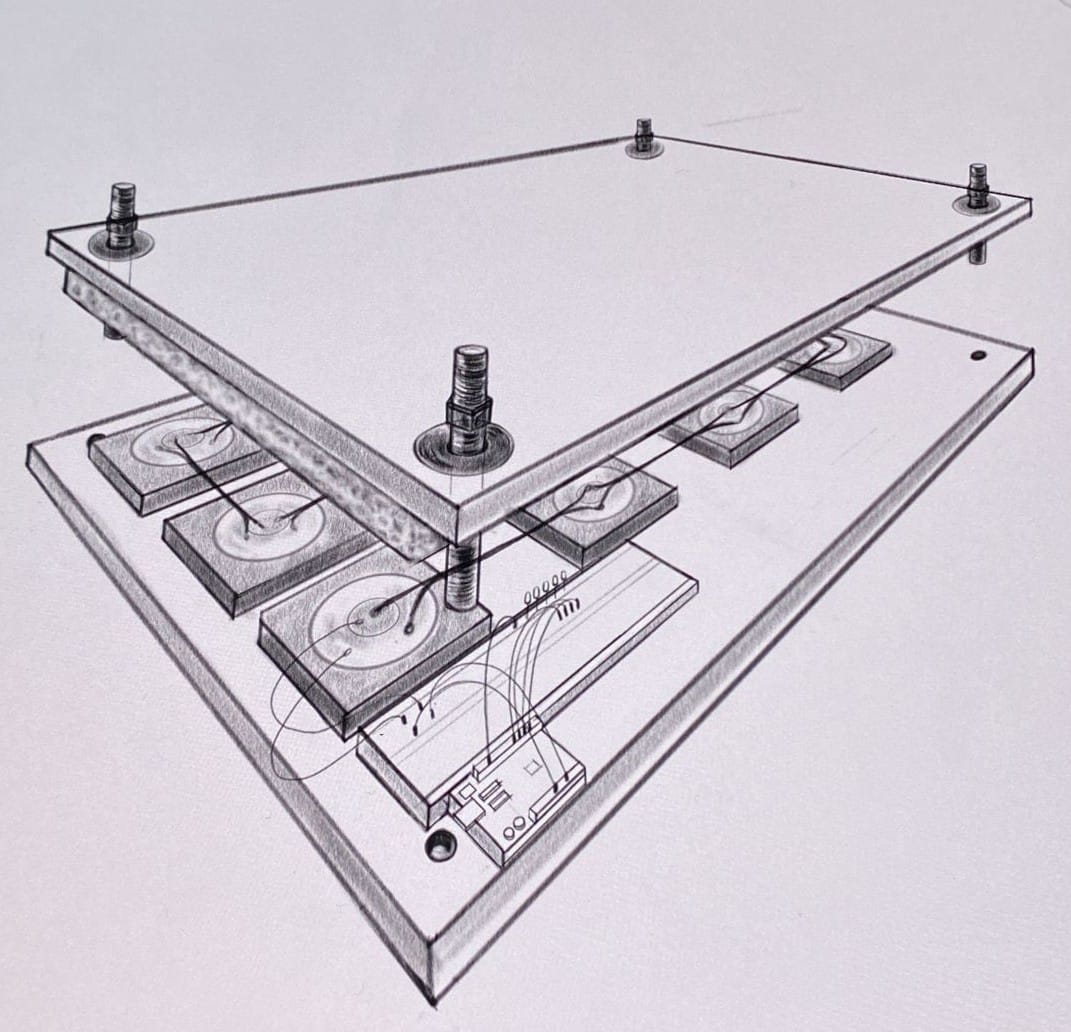
Image Credit: A friend of mine who wishes to remain anonymous
What you see in the image is a drawing of our prototype for the science competition. A friend of mine kindly drew it for me.
Now, you might be wondering—why did I say our? Technically, I participated in the competition as part of a team.
But in reality, most of the time it felt like I was completely on my own. My teammates didn’t contribute much, and the weight of the project fell almost entirely on me. I spent countless nights preparing, often pulling all-nighters just to make sure everything would go right.
By the time we became finalists, I was exhausted but also proud. I had built something real.
That pride didn’t last long.
During the final presentation, the judges acted like we didn’t exist. Planes were flying overhead, they told us to pause but still kept the timer running, and half of them were staring at their phones watching reels—I literally saw them do that. Then they even claimed our project didn’t fit the category—even though we literally passed three rounds that confirmed it did.
They kept cutting us off mid-sentence, too. It felt like we were invisible.
Looking back, my preparation itself was another source of disrespect. I felt absolutely disrespected by my teammates for joining my team with the promise of helping me and then dumping all the work on me. The judges were only the not-so-tasty cherry on top.
The Psychology Of Being Disrespected

Image Credit: Ketut Subiyanto from Pexels
Being disrespected isn’t just “in your head.” Psychologically, it hits hard. When someone ignores you, dismisses your effort, or treats you unfairly, it triggers what’s called an ego threat; your brain reads it as a threat to your self-worth. Our brains evolved in social environments where being undervalued could literally threaten survival, so we’re wired to react strongly to disrespect. That’s why it stings so much, even when you know you did nothing wrong.
Weirdly enough, the brain processes social pain in some of the same areas it processes physical pain, which is why insults or dismissals can even feel almost like a burn or a pinch. After the way the judges treated us, I for sure remember how my stomach ached to the point I couldn’t eat, even though I had felt fine just that morning.
Not to mention, even though we like to think people don’t notice, the spotlight effect tricks us into believing that everyone saw it and judged us. Even though, in reality, most people probably didn’t.
Understanding all this doesn’t make disrespect feel good, but it can help you see that your reaction is natural, biological, and something everyone experiences.
What I Ended Up Learning

Image Credit: Alex Shute from Unsplash
The first few days were really hard for me. I had poured months into that project, only to end up with nothing because my teammates couldn’t be bothered to help, and the judges didn’t even take the time to properly listen. But then I thought about it.
I accepted it. And I learned a few things from the experience that I want to share with you.
- First and foremost, you are not any less worthy just because someone else couldn’t see it. Respecting yourself doesn’t depend on anyone else’s approval. Your effort, your ideas, and your integrity matter, even if no one else recognizes them. There will always be people who are willing to hear you out.
- Secondly, allow yourself to feel upset, but don’t let it control you. It’s normal to feel hurt or angry when someone dismisses you, but don’t let those emotions define your next steps. My short-lived “depression” after the event just held me back, and I wouldn’t want that to happen to you. Take a deep breath, step back, and think about what you can learn from the situation instead.
- Also, if the disrespect you’re experiencing comes from having all the work pushed onto you, like it did in my case, don’t accept it. I felt like I had to carry the whole project alone just because I wanted to be “helpful.” Here’s what I learned: you don’t have to tolerate that, even if they’re your friends. Real friends don’t make you do all the heavy lifting. And even in situations like work or school, humans have limits. If you’re struggling with the amount of work you have, you have the right to speak up.
- Lastly, don’t let anyone talk down to you. I really regret not standing up to my friends and the judges. The more you stand your ground, the more people will realize that you’re not someone to be pushed around.
Conclusion
This whole experience wasn't easy for me. And I am sure whatever you went through as the reader hasn't been easy for you either. Being disrespected is painful, but it doesn’t define your worth.
What matters is how you respond. Standing your ground, setting boundaries, and respecting yourself are the keys. Every challenge like this is an opportunity to grow stronger, wiser, and more confident. Remember: your value comes from within, and no one else has the power to take that away.