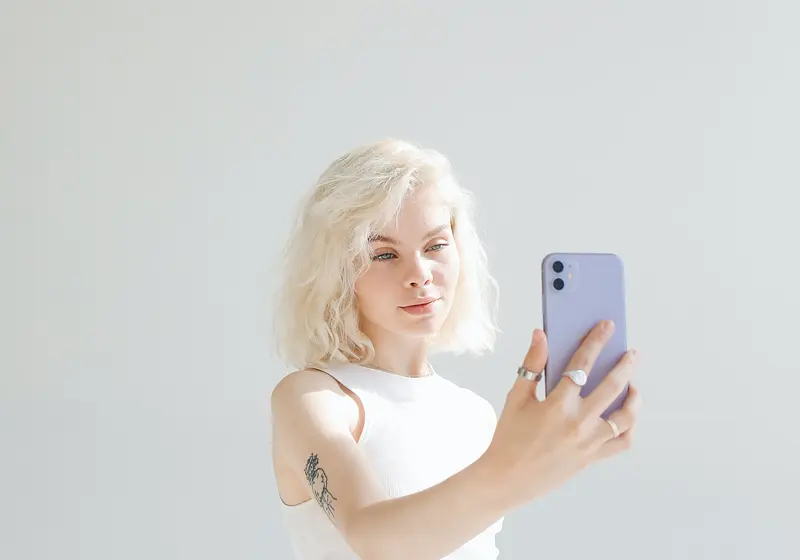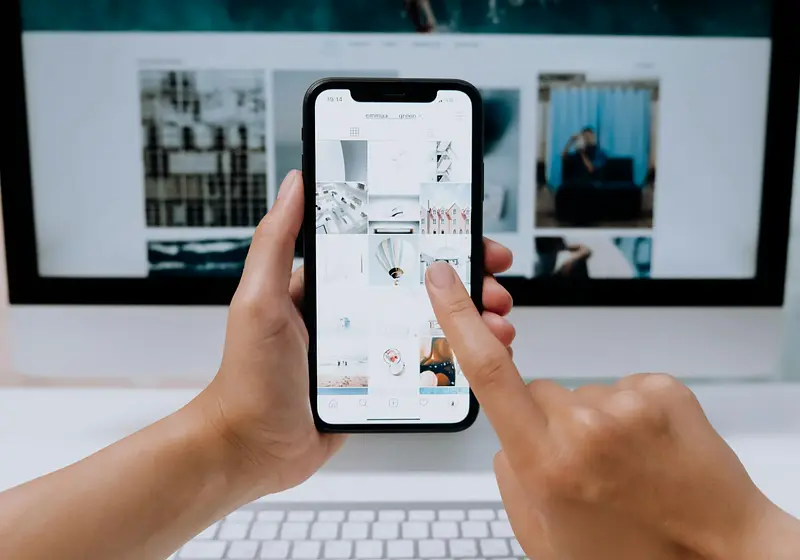





In the age of smartphones, social media has become a defining part of daily life. Platforms like Instagram, TikTok, and Facebook allow users to share their lives, express creativity, and connect with friends. While these platforms offer many positive experiences, they also come with a darker side: the way social media can distort self-perception and intensify feelings of inadequacy. Many people today struggle with the persistent sense that they are “not good enough,” and understanding the psychological underpinnings of this phenomenon is crucial to addressing it.
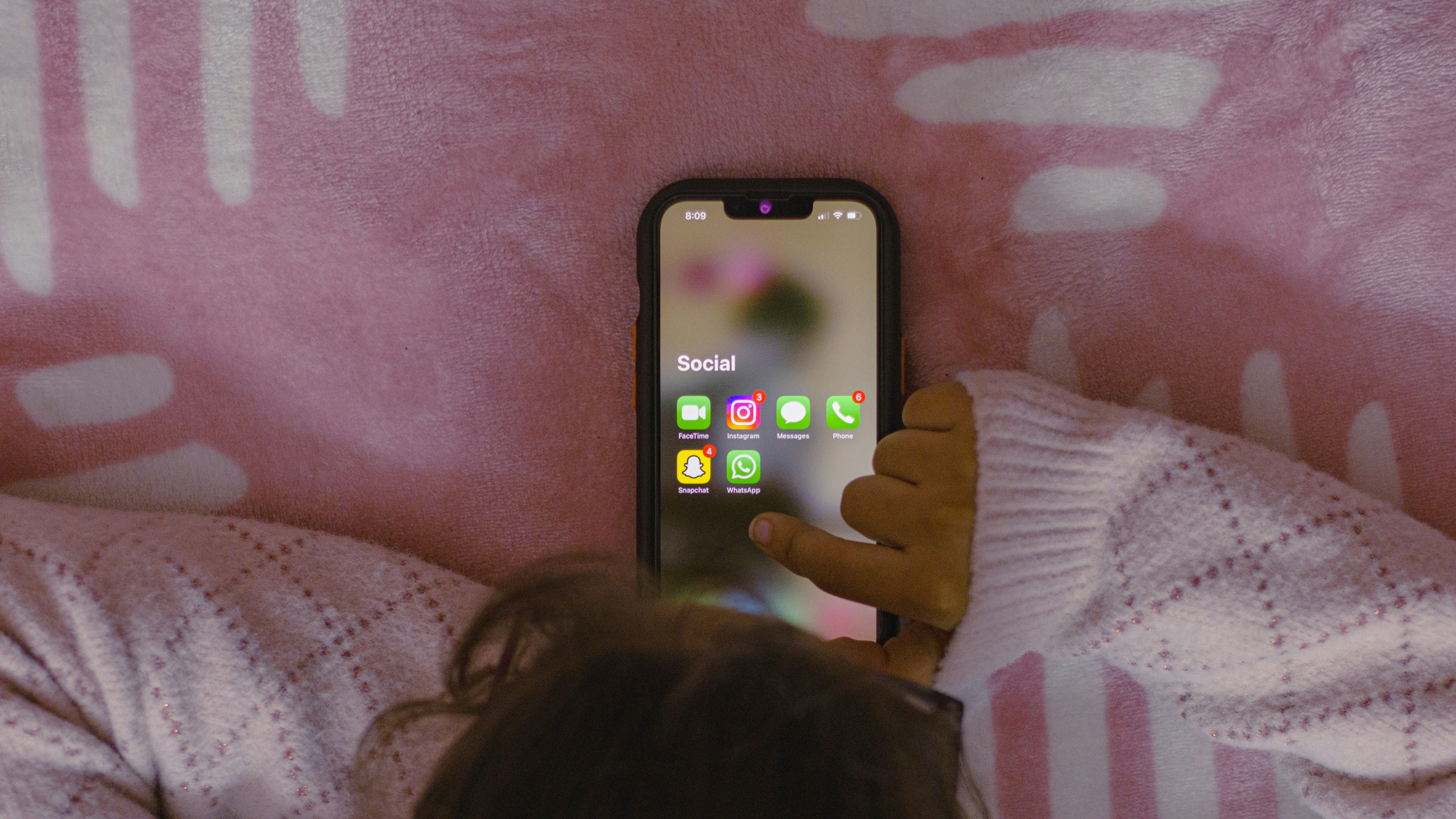
Image Credit: Sanket Mishra from Unsplash
Let us slide into your dms 🥰
Get notified of top trending articles like this one every week! (we won't spam you)The Roots of Feeling Not Good Enough
Feeling “not good enough” is not a new experience; humans have long struggled with self-esteem and social comparison. Psychologists define self-esteem as an individual’s overall sense of self-worth or personal value. High self-esteem reflects confidence and self-acceptance, while low self-esteem often comes with self-doubt, negative self-talk, and a sense of inadequacy.
One of the primary drivers of these feelings is social comparison. Leon Festinger, a pioneering psychologist, proposed the Social Comparison Theory, which suggests that people evaluate themselves based on comparisons with others. While comparisons can sometimes inspire growth, they can also lead to self-criticism and a distorted sense of reality. This tendency has been amplified by social media, where people are constantly exposed to curated images of other individuals’ lives.

Image Credit: MART PRODUCTION from Pexels


Take the Quiz: What's Your Hidden Personality Trait?
This might expose you a little...
The Role of Social Media
Social media platforms are designed to highlight moments of success, beauty, and happiness. Users often post pictures of vacations, achievements, physical transformations, or seemingly perfect lifestyles. These curated portrayals create an environment ripe for comparison. When someone scrolls through a feed filled with others’ highlights, it can feel like everyone else is thriving while they are falling behind.
The problem lies in perception versus reality. On social media, people typically present an idealized version of themselves, selecting content that aligns with societal standards of success, attractiveness, and happiness. Psychologists call this “self-presentation bias,” the tendency to shape how others perceive you. This bias can inadvertently harm viewers, who may feel inadequate when they compare their entire reality to someone else’s curated highlights.
Moreover, social media engagement reinforces these feelings. Likes, comments, and shares act as social rewards that can boost self-esteem temporarily. However, when posts receive less engagement than expected, it can trigger feelings of rejection, failure, or self-doubt. This cycle can lead to a feedback loop where individuals constantly check social media for validation, further linking self-worth to external approval rather than internal confidence.
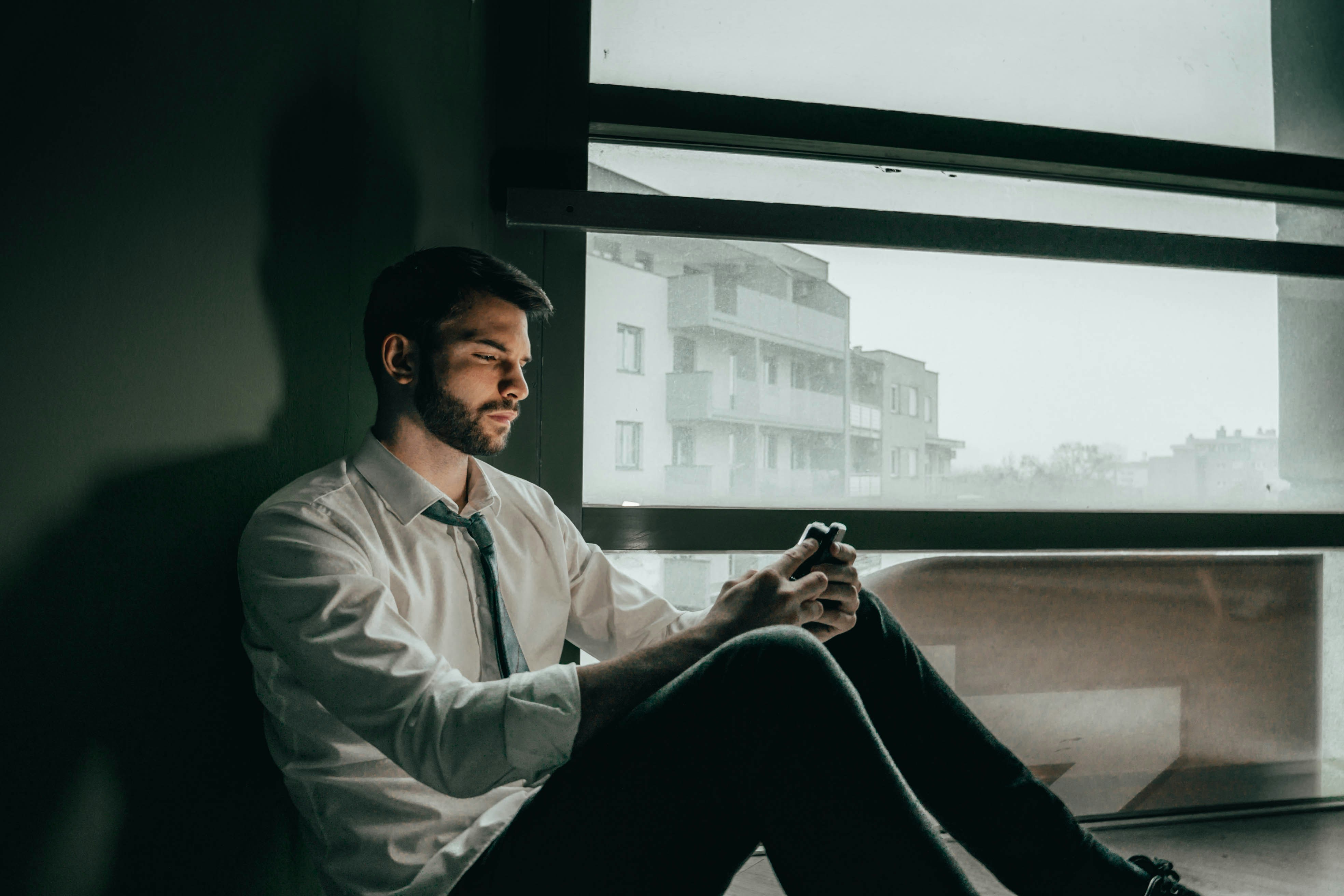
Image Credit: Borna Hržina from Unsplash
Cognitive Distortions and Negative Self-Talk
Psychologists have identified several cognitive distortions that exacerbate feelings of inadequacy. These are patterns of thinking that are biased or irrational, often reinforcing negative beliefs. Common distortions in the context of social media include:
1. All or Nothing Thinking: Believing that one must be perfect to be valuable, or that a single mistake defines overall worth.
2. Overgeneralization: Drawing broad conclusions based on limited experiences, such as assuming that not getting likes on a post means no one values you.
3. Mental Filtering: Focusing only on negative experiences while ignoring positive ones.
4. Comparison Thinking: Measuring personal worth against idealized portrayals of others.
These distortions, combined with the pressures of social media, can fuel a persistent belief that one is not good enough. Over time, this mindset can affect mental health, leading to anxiety, depression, and social withdrawal.
The Impact on Mental Health
Research consistently shows that heavy social media use is linked to lower self-esteem and higher rates of depression and anxiety, especially among teenagers and young adults. One study found that young adults who spent more than two hours per day on social media were more likely to report poor mental health outcomes, including feelings of inadequacy and loneliness.
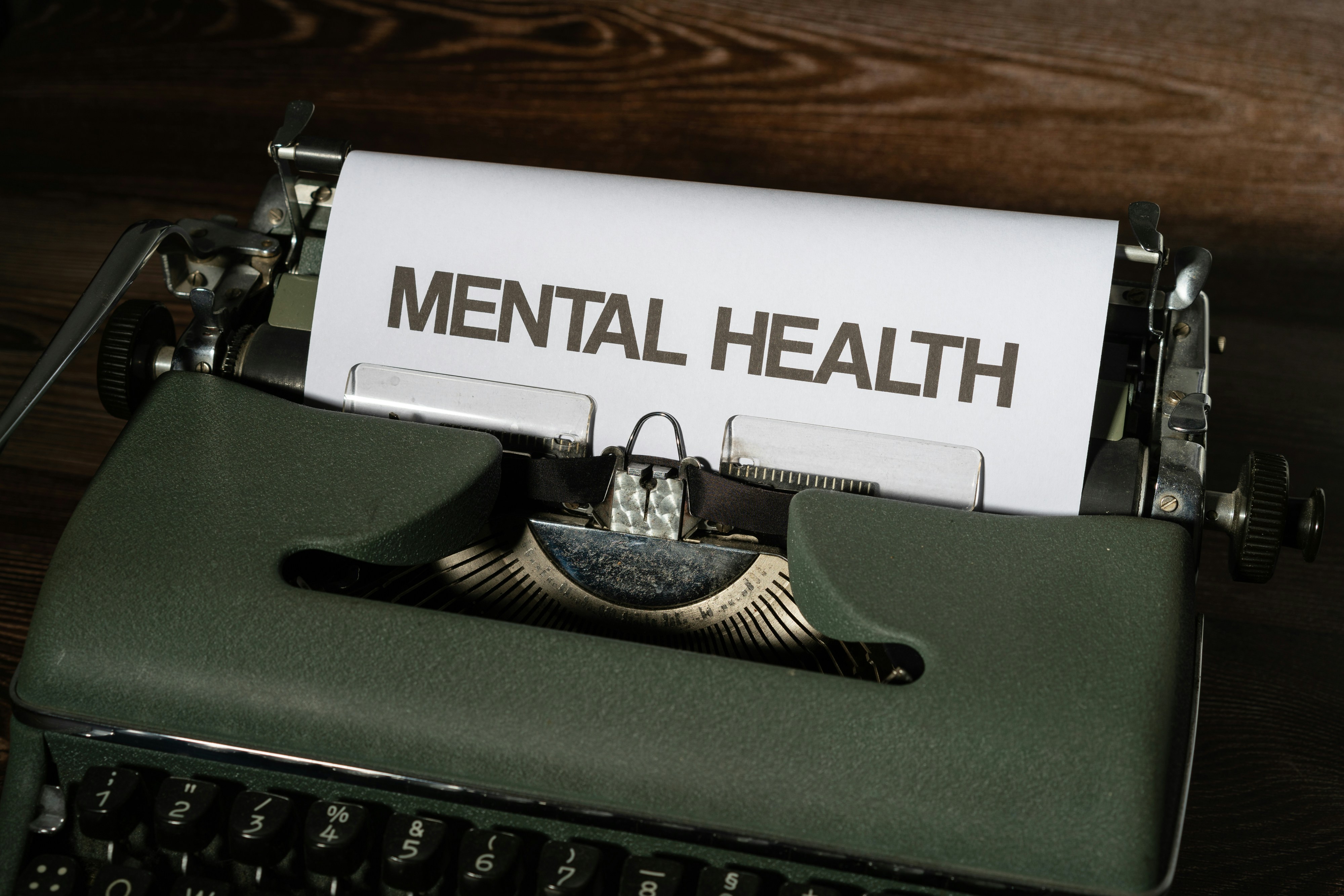
Image Credit: Markus Winkler from Unsplash
The connection between self-worth and social media use is also tied to the dopamine system in the brain. Positive interactions, such as likes and comments, trigger dopamine release, providing temporary pleasure. This reward system can make people addicted to social media, seeking external validation to feel good about themselves. However, because social media feedback is inconsistent and often superficial, it rarely provides long-term self-esteem or fulfillment.
Why Some People Are More Vulnerable
Not everyone experiences social media in the same way. Certain factors increase vulnerability to feelings of inadequacy:
Personality Traits: People high in neuroticism or perfectionism are more likely to experience self-doubt.
Life Transitions: Adolescence, college, or career changes often involve identity exploration and comparison, making social media a more potent trigger.
Mental Health Conditions: People who already suffer from depression or anxiety may be more sensitive to negative social feedback.

Image Credit: Andre Moura from Pexels
Strategies to Improve Self-Worth
While social media is unlikely to disappear, there are several strategies to reduce its negative impact and strengthen self-esteem:
1. Limit Exposure and Set Boundaries: Allocate specific times for social media and avoid mindless scrolling. Consider taking breaks or “detoxes” to reset perspective.
2. Curate Your Feed: Follow accounts that inspire, educate, or uplift rather than provoke comparison. Unfollow accounts that trigger negative feelings.
3. Practice Self-Compassion: Speak to yourself with kindness rather than criticism. Remember that mistakes and imperfections are part of being human.
4. Shift the Focus from External Validation: Recognize accomplishments that are meaningful to you, rather than those recognized by others online. Journaling or keeping track of personal achievements can help.
5. Reframe Social Comparisons: Instead of seeing others’ success as a measure of your failure, view it as motivation or inspiration. Recognize that social media often presents a highlight reel, not the full story.
6. Engage in Real-Life Connections: Face-to-face interactions tend to be more fulfilling and grounding. Prioritize friendships, family time, and community activities that reinforce your sense of belonging.
7. Practice Mindfulness: Mindfulness techniques can help you become aware of negative thought patterns without judgment. Meditation, deep breathing, or mindful observation of thoughts can reduce rumination.
8. Seek Professional Help: If feelings of inadequacy are persistent and affect daily functioning, talking to a therapist or counselor can provide guidance, coping strategies, and perspective.

Image Credit: Afta Putta Gunawan from Pexels
Cultivating a Healthy Relationship with Social Media
Ultimately, feeling “not good enough” is tied to internal self-perception. Social media can amplify these feelings, but it does not create them alone. By fostering self-awareness, challenging negative thought patterns, and building authentic connections, individuals can protect and enhance their self-worth.
Building self-esteem is a gradual process. It involves consistent effort, reflection, and intentional choices about how to engage with the digital world. By taking small steps, like curating your online environment, practicing self-compassion, and prioritizing meaningful experience, people can gradually shift from a mindset of inadequacy to one of confidence and resilience.

Image Credit: Vanessa Loring from Pexels
Social media, when approached thoughtfully, can become a tool for inspiration rather than a source of self-doubt. Learning to separate perception from reality, seeking internal validation, and nurturing personal growth can help individuals feel worthy, not based on likes, shares, or followers, but because of their intrinsic value.
Feeling “not good enough” is common, but it is not permanent. With awareness and practice, anyone can cultivate a stronger, healthier sense of self-worth, even in a world dominated by digital comparison.